.svg)
What is Freight Forwarding and How Does It Work?

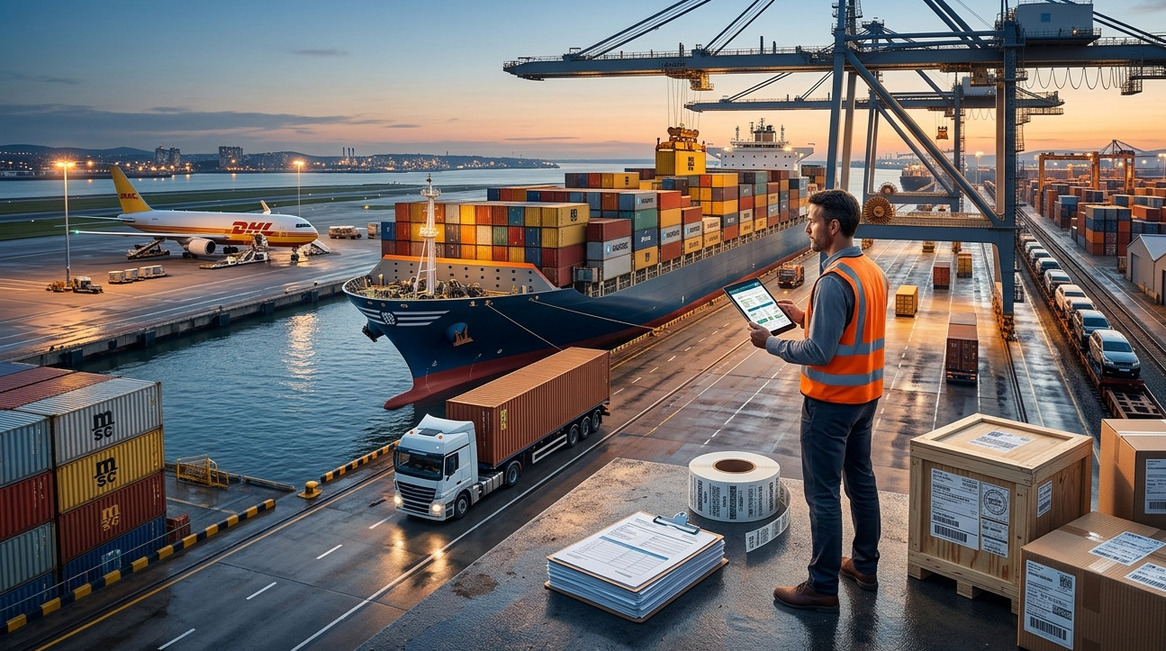
Moving goods from one country to another involves navigating a complex landscape of international laws, modes of transport, and paperwork. Freight forwarding serves as the essential coordination service that keeps global commerce moving efficiently across borders.
The Guide to Global Moving
A freight forwarder acts as the specialized architect of the shipping world. These experts design and manage the entire journey of a product by coordinating with various transport providers.
While a carrier such as a ship line provides the physical space for the cargo, the forwarder manages the legal, financial, and logistical steps required to secure and finalize that space. Businesses rely on forwarders to navigate complex international regulations and high-stakes transport schedules, allowing them to remain focused on their core product development and sales.
Services Provided by Freight Forwarders
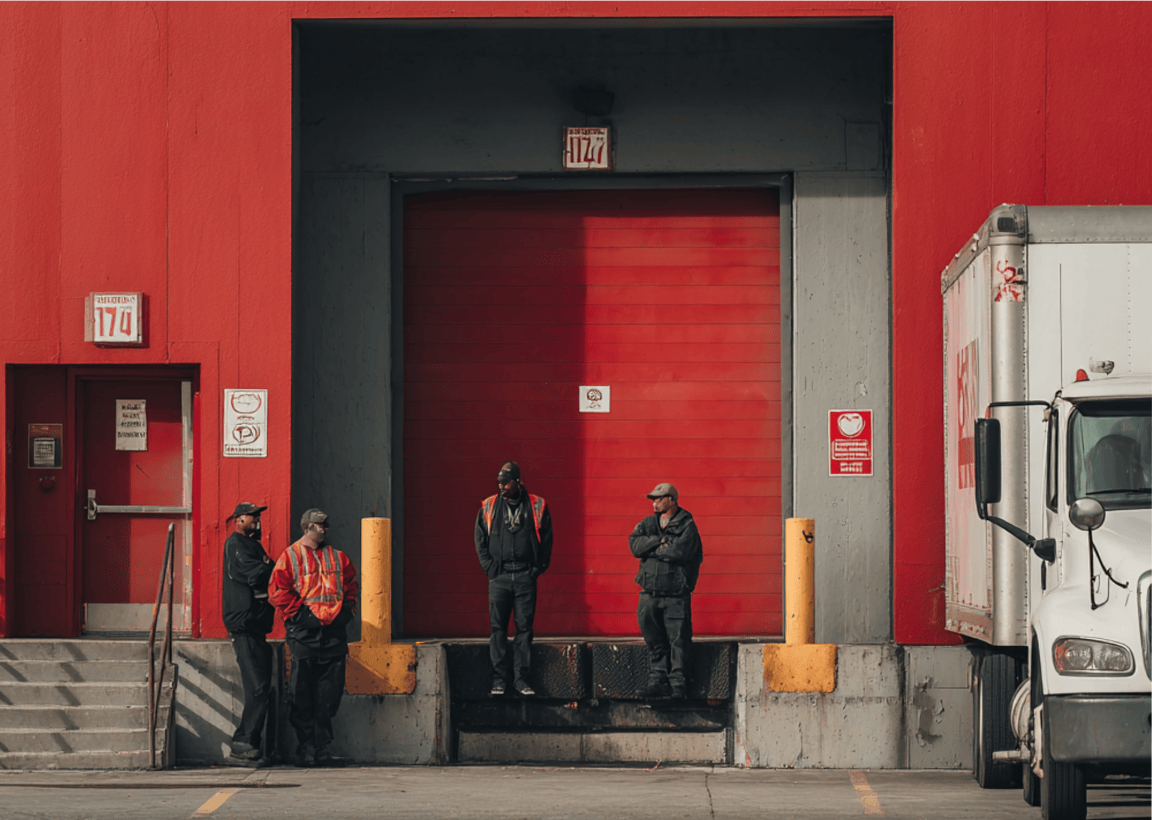
Freight forwarders provide comprehensive management to minimize risk and optimize costs through several key services:
- Route Planning: They identify the fastest and most cost-effective paths across land, sea, and air to ensure timely arrival.
- Cargo Insurance: They facilitate protection so that the business owner retains their financial investment even if a ship encounters a storm.
- Consolidation: Forwarders often combine small shipments from multiple customers into a single container, making international shipping accessible to smaller businesses.
- Warehouse Storage: They offer secure locations for goods to remain safely during transit gaps or while waiting for specific departure dates. Many forwarders now use advanced warehouse management software to track every item accurately from the moment it enters a facility.
- Negotiation: By managing high volumes of cargo, forwarders secure competitive rates from major shipping companies, benefiting individual business clients.
6 Major Stages of the Freight Lifecycle

The journey of a freight shipment typically follows six distinct stages:
- Origin Pickup: A truck collects the goods from the factory or warehouse to begin the chain of custody.
- Export Clearance: The forwarder submits necessary documents to the home government to verify the shipment is legal for departure.
- The Origin Hub: Workers unload goods at a central warehouse, verify their condition, and pack them safely into a shipping container.
- The Main Journey: Cargo travels across the ocean or through the air during this middle mile phase.
- Import Clearance: Upon arrival, the forwarder manages customs by paying taxes and obtaining formal government permission to enter the new country.
- The Final Mile: A local delivery truck carries the goods from the port or airport directly to the buyer's door. Effective parcel management during this phase is critical to ensuring the package is documented correctly upon receipt.
Everything Needed for a Smooth Crossing
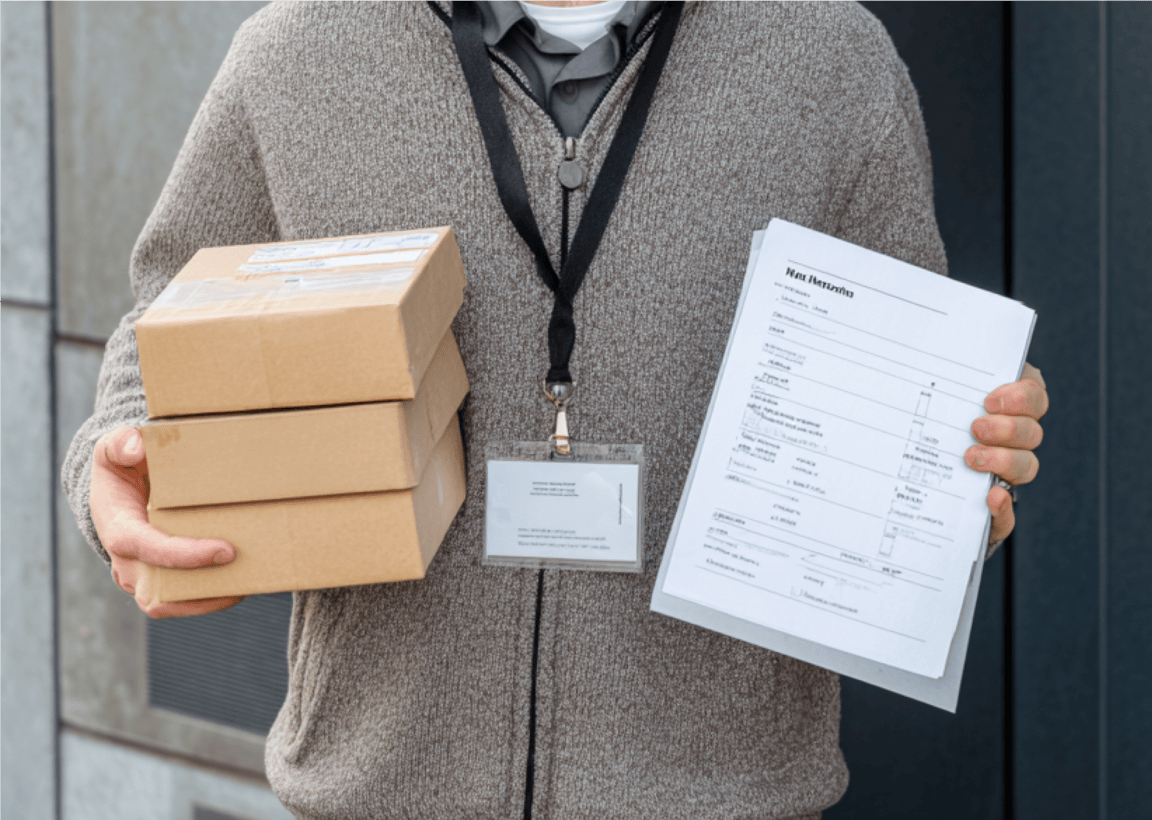
In global trade, the movement of information is as important as the movement of goods. Key documents include:
- Bill of Lading: This contract and receipt act as the title of ownership for the goods. Many companies are now adopting Bill of Lading digitalization to increase accuracy and streamline workflows.
- Commercial Invoice: This bill details exactly what was purchased, the identity of the buyer, and the final transaction price.
- Packing List: This serves as a detailed guide of the contents inside every box, including weight and safety instructions.
- Certificate of Origin: This document verifies where the goods were produced and helps determine applicable tax rates.
- Shipper’s Letter of Instruction (SLI): This provides the forwarder with specific directions on how to handle and process the goods.
- Insurance and Inspection Certificates: These provide proof of financial coverage and confirm that regulated items meet required quality standards.
Common Problems: Factors That Slow Shipments

Bottlenecks occur even with thorough planning. Statistics show that the parcel delivery market has shifted heavily toward B2C, and 70% of consumers rank delivery time as a top factor in their experience. Common causes for delay include:
- Manual Tracking Limitations: Relying on physical notebooks and files can lead to misplacement or processing delays.
- Data Entry Discrepancies: Manual data entry errors can result in cargo being held at the border for verification.
- Port Congestion: Large influxes of ships can cause temporary backups at the docks.
- Communication Gaps: Delays occur when the driver, captain, and manager use disparate or non-integrated systems.
- Demurrage Penalties: Ports apply daily fees when containers remain on-site past their scheduled pickup time due to slow document processing.
Digital Solutions: The Modern Way to Ship
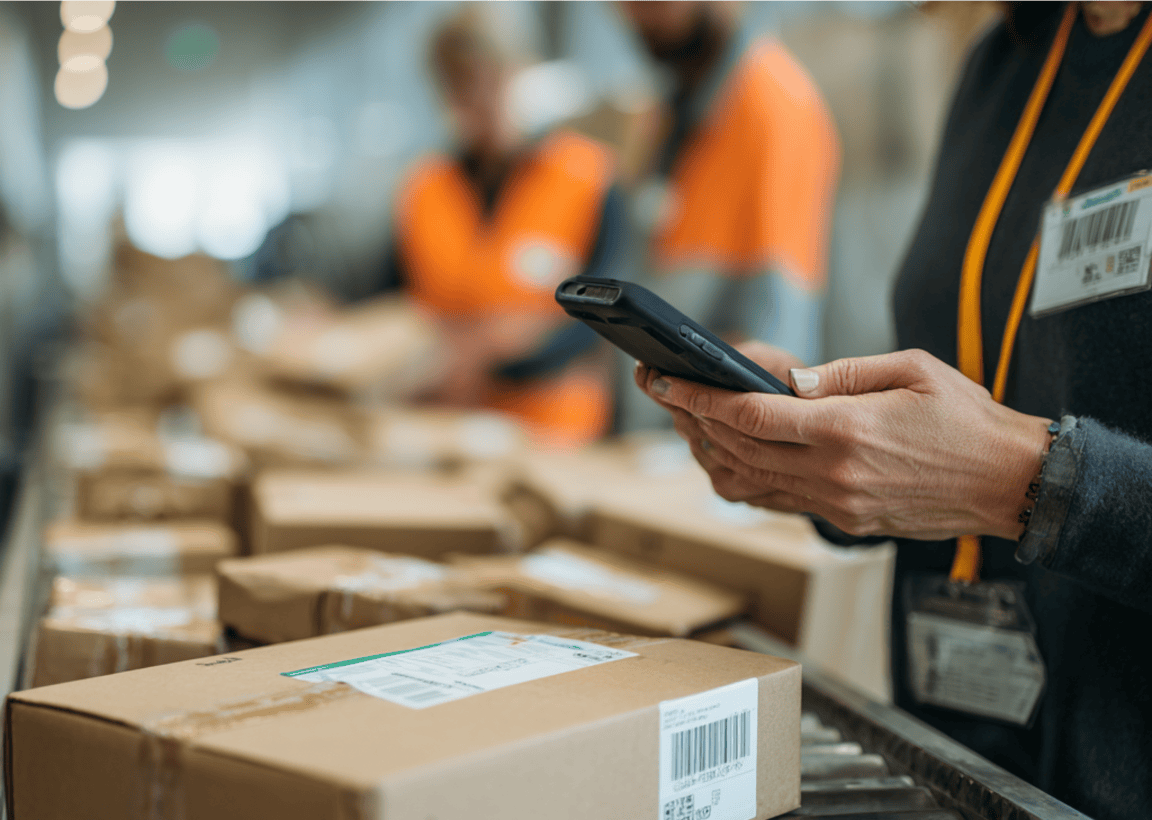
The industry is moving toward modern logistics to improve speed and reliability. Modern solutions include:
- Cloud Tracking: Central online hubs allow the seller and buyer to view the shipment status simultaneously.
- Paperless Filing: Digital documents sent to customs before the ship arrives facilitate faster clearance.
- Automated Alerts: Notifications trigger the moment a package reaches a milestone, such as arriving at a port.
- Software Integration: Connecting shipping data to warehouse systems ensures a seamless flow of information. Using specialized warehouse management software allows forwarders to automate inventory counts and increase processing speed.
From the Port to the Person

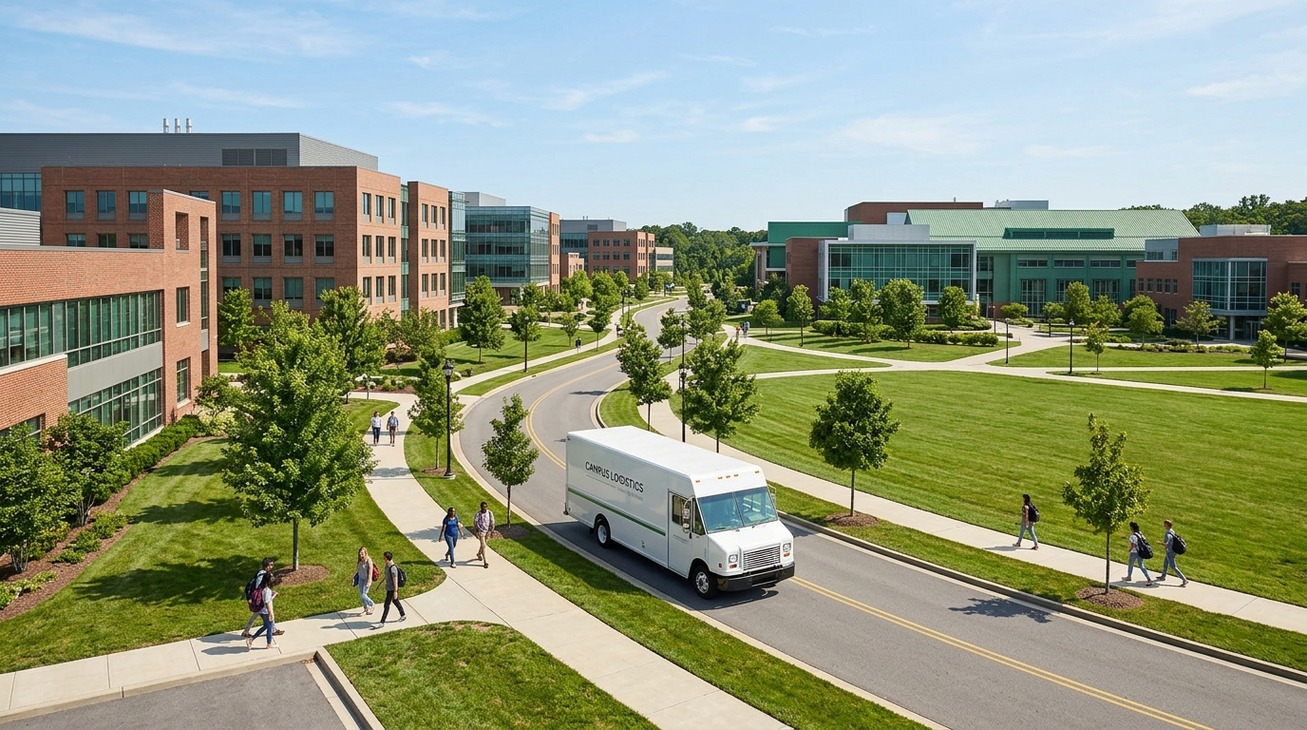
A global shipping journey reaches its goal when the product is in the hands of the final recipient. Shipments often arrive at large office buildings or campuses on time, yet they require careful handling across the last yard of delivery to reach the correct desk.
To maintain the efficiency of global freight through the final step, companies prioritize understanding what mailroom management is and its role in internal distribution. Implementing the best mailroom software helps businesses maintain full visibility of their assets.
A solution like Parcel Tracker ensures that every delivery is logged and tracked once it enters the building, providing an organized and transparent conclusion to the international journey.
Expert FAQ
What is a freight forwarder?
An agent who organizes the transport, documentation, and customs clearance for international goods across the supply chain.
Why is the Bill of Lading important?
It serves as a legal contract and receipt, providing proof of ownership and shipment details for carriers.
How does freight consolidation save money?
It combines multiple small shipments into one container, allowing shippers to share costs and lower individual transport rates.
What causes customs clearance delays?
Incorrect HS codes, missing permits, or manual paperwork errors typically trigger government holds and additional port storage fees.
Why should businesses use mailroom software?
It automates internal delivery tracking, reducing lost packages and ensuring the final yard of the shipping journey is efficient.



.svg)