.svg)
Best Practices for Secure Mailroom Storage

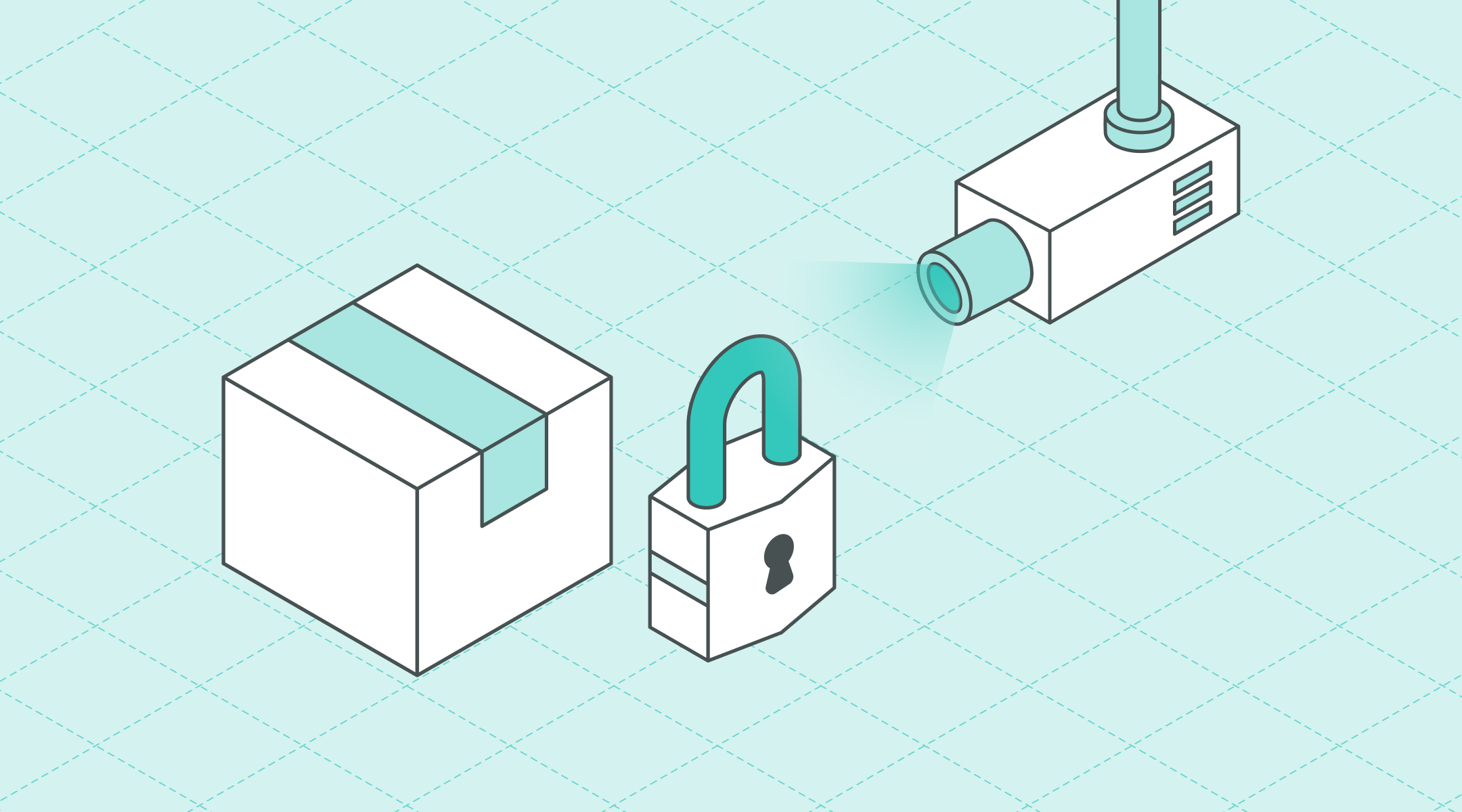
Mailroom management is the coordination of inbound logistics and final-mile delivery within a facility to ensure the secure, efficient, and traceable handling of assets. It involves using package tracking systems and automated mailroom solutions to protect high-value items, temperature-sensitive goods, and confidential documents from loss or compromise.

The Rising Stakes of Parcel Management
As we move through 2026, the volume of deliveries continues to shatter records. Global parcel volumes are projected to approach 217 billion this year, placing unprecedented pressure on facility and mailroom managers to maintain security. More that just the volume of parcels, the economic impact of "porch piracy" and retail loss has reached a staggering $37 billion annually.
Effective mailroom management is a front-line security operation. High-value electronics, proprietary prototypes, and life-saving medications all pass through the same central hub. Without a rigorous framework, these assets are vulnerable to theft, spoilage, or high-cost data breaches.
Standard parcel management protocols, such as those developed by Parcel Tracker, emphasize that security must be layered. This involves physical barriers, environmental controls, and a digital chain of custody. Managers can protect the parcels they receive by integrating these elements.

Legacy Manual Processes vs. Modern Digital Solutions
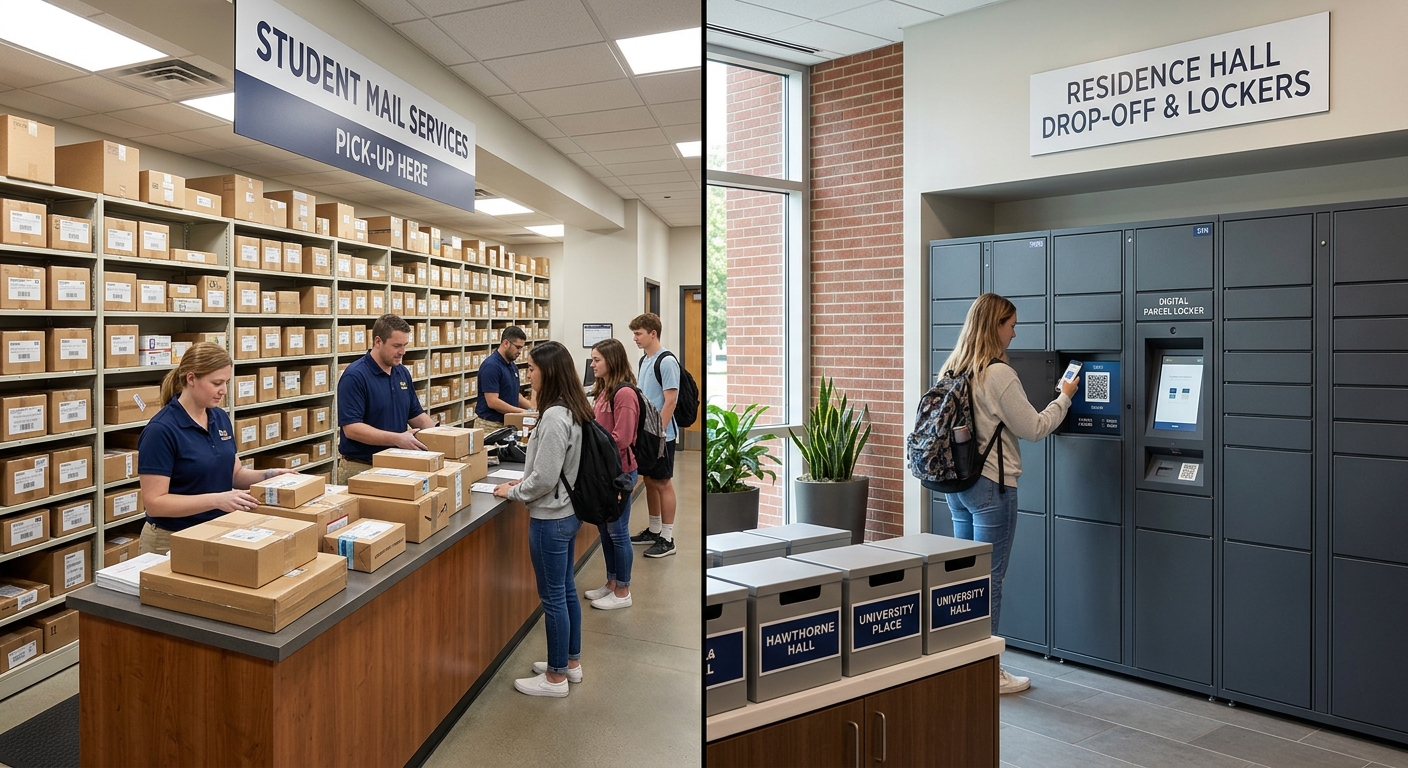
To understand the necessity of security, we must compare the vulnerabilities of traditional systems against the strengths of automated mailroom solutions.
The Traditional Manual Approach
Traditional systems rely on slow, hand-written entries that are prone to human error. Paper-based chain of custody records are easily altered or lost, leaving the facility liable for missing goods. Recipient notification is often delayed, requiring manual emails or phone calls. Furthermore, proof of delivery is usually a simple physical signature on a clipboard, which offers little protection against disputes.
The Digital Parcel Management Evolution
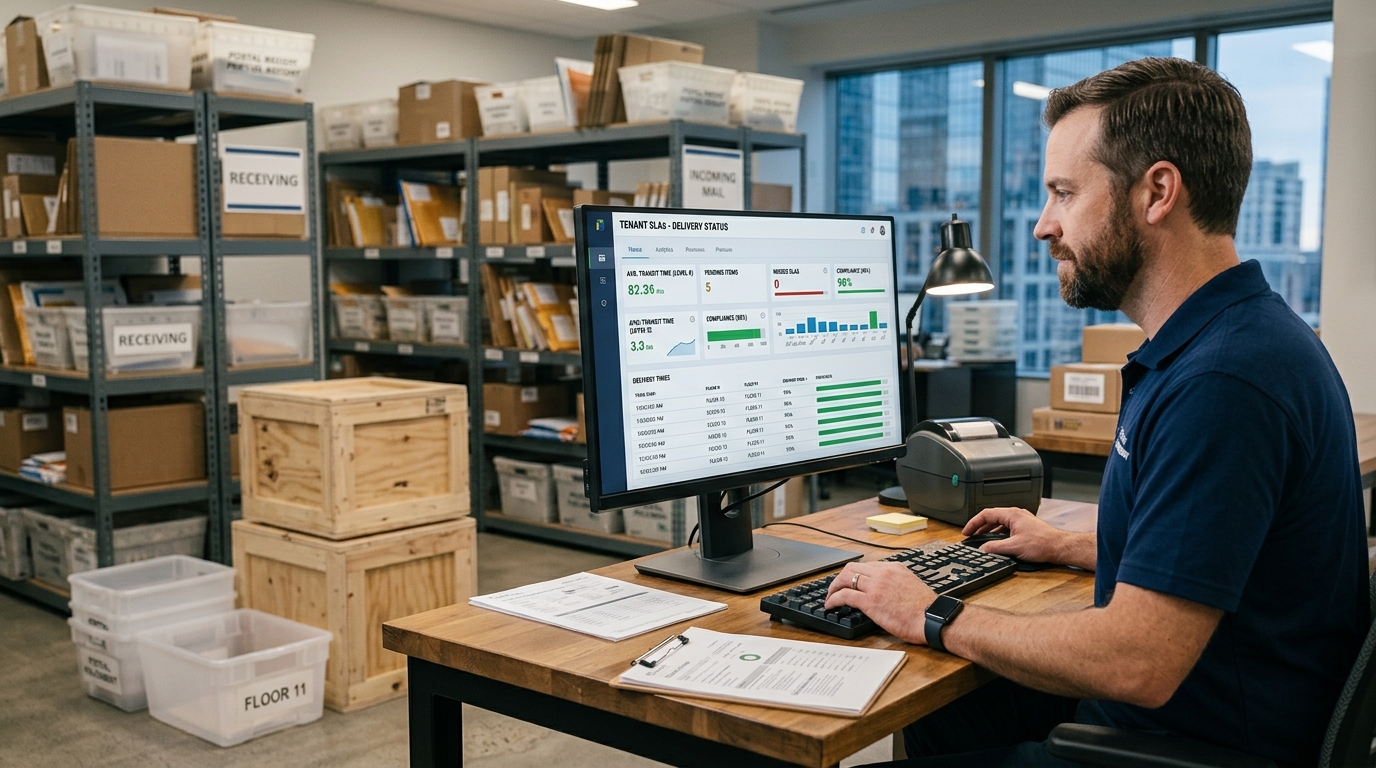
Modern package tracking systems use instant barcode and RFID scanning to log items the moment they arrive. These systems create an encrypted, unalterable digital audit trail that tracks every touchpoint from the delivery truck to the final recipient. Automated recipient notification via app or SMS ensures packages are collected quickly, reducing dwell time. Digital signatures and photo proof of delivery provide ironclad verification of every transaction.

Securing High-Value and Sensitive Assets
For high-volume sorting environments, specialized storage is a requirement, not an option. High-value items should be moved immediately into reinforced cages or lockers with biometric access. This ensures that only authorized personnel can handle the most expensive assets in the building.
Temperature-sensitive goods, particularly in healthcare or research, require automated mailroom solutions with IoT integration. These systems monitor storage units to ensure they stay within critical ranges, such as 2°C to 8°C for standard refrigerated pharmaceuticals. If a fluctuation occurs, the system sends an immediate alert to the facility manager.
Confidential documents represent a different kind of risk: a data breach. In the United States, the average cost of a data breach has surged to $10.22 million. Physical documents must be stored in fire-resistant, locked cabinets until picked up or securely destroyed via cross-cut shredding.

The Secure Workflow: 5 Steps to Protection
To ensure a high-authority security posture, follow this step-by-step parcel management workflow.
- Inbound Logistics Verification: Every item is scanned upon arrival to verify the sender and intended recipient against the building directory.
- Asset Categorization: Items are flagged by value, sensitivity, or confidentiality to determine their storage destination.
- Secure Staging: High-value items are placed in biometrically locked zones, while perishables enter temperature-controlled units.
- Automated Recipient Notification: The system sends an immediate, secure alert to the recipient with a unique pickup code.
- Proof of Delivery: The recipient provides a digital signature or unique code, creating a closed-loop chain of custody record.
Expert FAQ
How can automated mailroom solutions reduce internal theft?
Automated systems create a digital chain of custody that records exactly who handled a package and at what time. This transparency acts as a powerful deterrent to internal theft by ensuring every movement is logged and auditable.
What are the biggest risks in traditional inbound logistics?
The primary risks include human error in logging, lack of real-time visibility, and the loss of physical paperwork. These gaps make it difficult to provide proof of delivery or locate missing high-value items within the facility.
Why is recipient notification critical for mailroom security?
Fast recipient notification reduces a package's "dwell time" in the mailroom. The less time a high-value or sensitive item sits in storage, the lower the risk of theft, spoilage, or accidental damage.
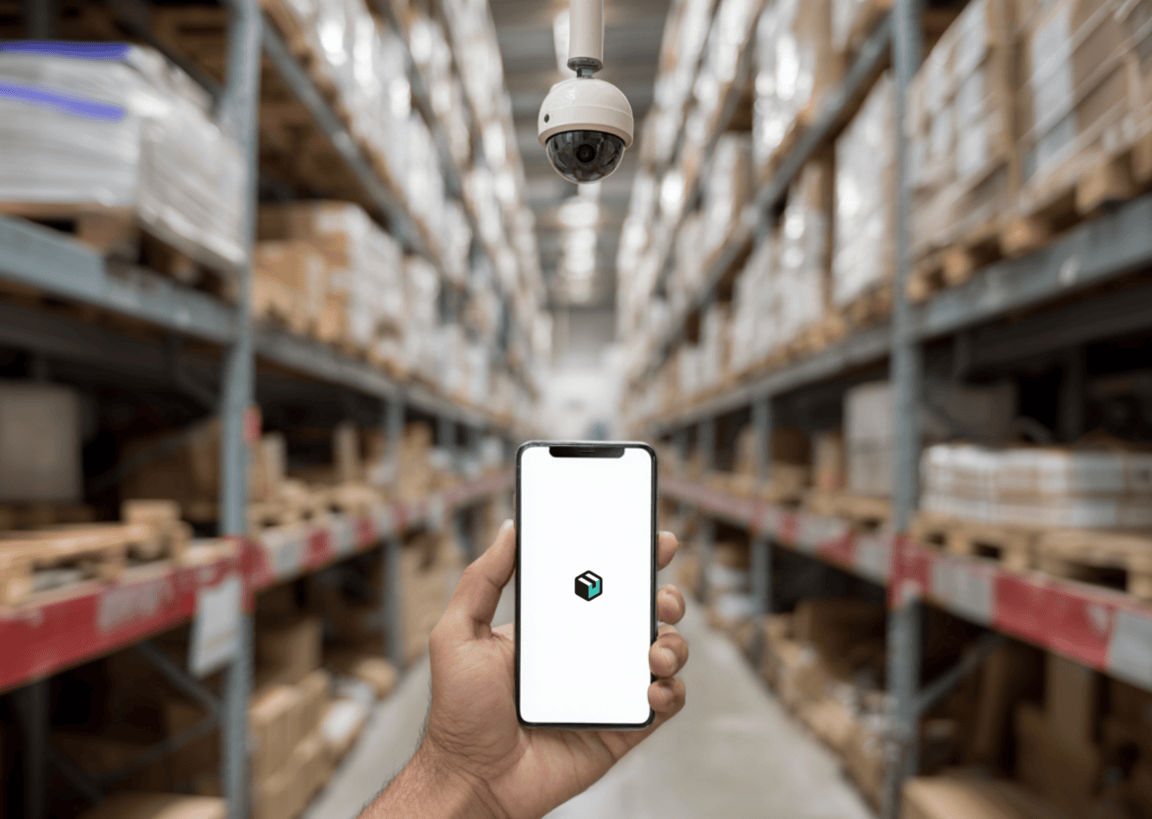
Ready to upgrade your facility security? Discover how to implement automated mailroom management with Parcel Tracker to secure your high-value assets today.


.svg)