
.svg)
Guide for Multi-Tenant Office Mailrooms: Managing Varied Corporate Needs

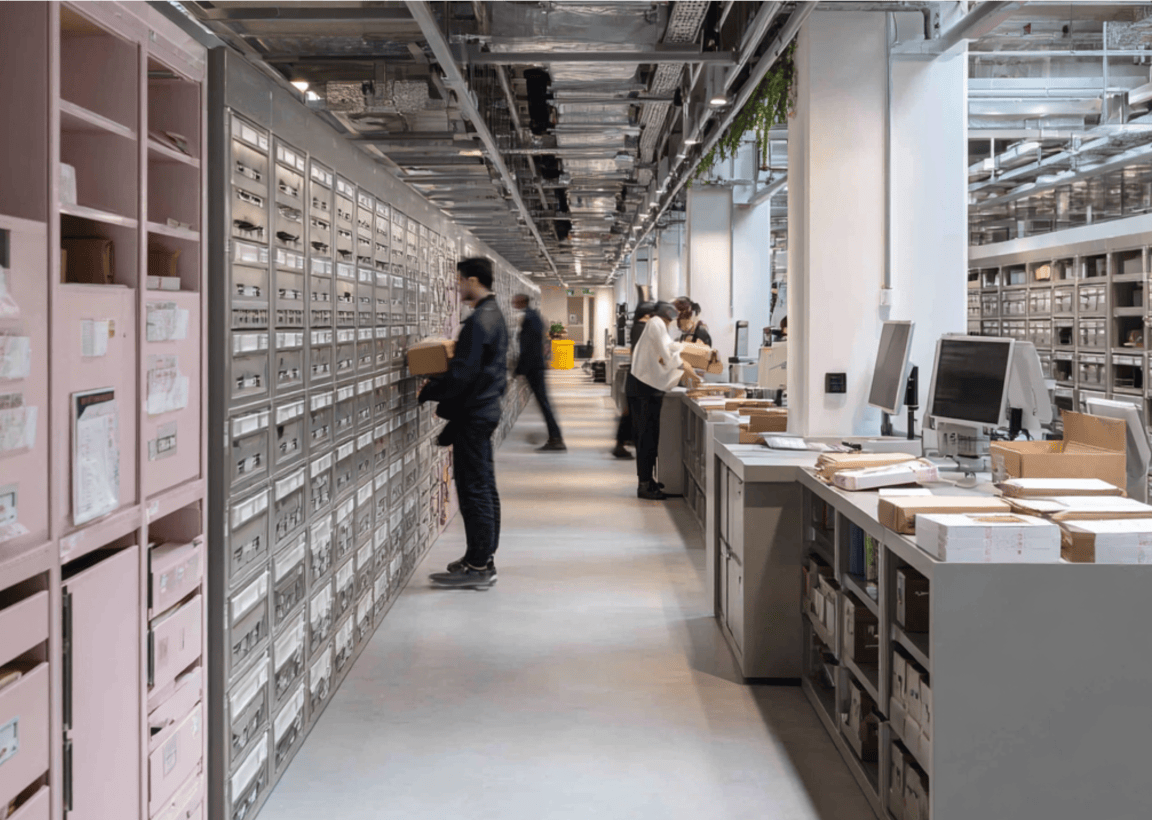
A multi-tenant office mailroom is a centralized corporate logistics hub that processes, sorts, and distributes incoming mail and packages for multiple independent businesses residing within a single commercial property. Managing this shared space requires specialized routing rules, tiered security clearances, and scalable workflows to ensure accurate delivery.
The Complexity of the Modern Multi-Tenant Mailroom

Shared commercial mailrooms operate as critical engines supporting diverse enterprise operations within a single property. Property teams manage distinct workflows, varied delivery schedules, and strict corporate compliance standards simultaneously. This operational burden increases as global package volumes continue to rise.
Industry data indicates that global package volume reached over 100 billion parcels annually and continues to climb toward a projected doubling by 2030. At the same time, the nature of corporate correspondence has evolved significantly. The historical mail-to-parcel ratio has shifted from 13:1 down to a 1:1 equilibrium, making package management the primary focus for modern facility managers. Implementing modern logistics strategies and automated tools allows property teams to unify operations and maintain workplace efficiency.
Architecting Tailored Routing Logic for Diverse Tenants

Every company in a commercial building operates on its own schedule and demands a predictable delivery experience. To maintain order during high-traffic periods, facility managers must transition away from manual sorting methods and implement a systematic approach to inbound logistics.
- Custom Inbound Workflows: Property managers establish precise protocols based on specific company profiles, employee headcounts, and hours. Certain enterprise tenants require immediate delivery to their suite floors, while smaller businesses prefer to collect their items at a central desk.
- Dynamic Sorting Systems: Manual sorting increases the likelihood of delivery errors. Modern operators utilize digital directory mapping to organize incoming mail by alphabetical order, department, or suite number. This approach ensures that items reach the correct recipient even when multiple tenants share similar corporate names.
- Handling Fluctuating Volume: Mailrooms experience predictable spikes in traffic during midday carrier drops and end-of-week shipments. Property teams manage high-traffic periods by setting staggered delivery windows for carriers. Aligning mailroom staffing with remote work delivery schedules also ensures sufficient coverage during peak arrival hours.
Implementing Multi-Tiered Security and Compliance Protocols

Commercial properties frequently receive sensitive items including legal documents, intellectual property, and medical supplies. A modern mailroom management system protects these high-value items with verifiable logging, ensuring that every touchpoint from carrier handoff to final tenant pickup remains recorded. Real-world workspace tracking show that modern logging workflows can help operations achieve up to 99.9% more parcel logging accuracy.
Different corporations operate under unique security mandates, meaning that a one-size-fits-all security plan is rarely sufficient. Facility managers structure distinct pickup and verification protocols to match these requirements. For example, financial firms might restrict package pickup to authorized couriers, whereas tech tenants might allow any internal team member to collect office deliveries.
Physical security prevents loss and unauthorized access in shared environments. Properties utilize smart lockers and restricted-access holding zones for overnight storage. Requiring real-time electronic signatures for proof of delivery confirms that liability transfers correctly to the recipient, giving both the property management team and the tenant complete peace of mind through a strict mailroom compliance and chain of custody workflow.
Managing Bulk Distribution and High-Volume Cargo

Oversized shipments, palletized items, and commercial freight put immense pressure on building infrastructure and shared storage spaces. Without clear boundary rules and rapid communication tools, a single large delivery can disrupt the operational flow of the entire property. Deploying specialized digital logs allows properties to clear loading bay bottlenecks and experience up to 2.6x faster parcel logging from day one.
- Pallet and Freight Coordination: Operators optimize limited loading dock space by requiring advanced scheduling for large deliveries. This coordination prevents congestion and maintains a clear flow for daily carrier vehicles.
- Intelligent Inventory Management: Shared storage spaces fill up quickly when tenants delay package collection. Mailroom staff maximize available square footage by enforcing clear pickup window policies. Setting standard timelines for bulk items keeps the sorting floor open and functional.
- Streamlined Tenant Notifications: Communication speeds up the entire fulfillment cycle. Digital systems send automated alerts to recipients immediately upon package arrival. An automated parcel notification system prompts rapid package retrieval, which directly reduces mailroom clutter. For large corporate settings with multiple dynamic brands, deploying automated multi-channel messaging drives up to 6x faster collections to clear out valuable square footage.
Modernizing the Shared Commercial Mailroom

Running an efficient shared mailroom relies on turning logistical friction into a seamless tenant amenity. Implementing customized routing, strict security, and organized bulk scalability ensures that every business in the building receives top-tier service. Embracing digital solutions removes manual errors, saves labor hours, and elevates the overall workplace experience.
Property managers optimize these complex environments through modern parcel management practices. To simplify multi-tenant package logging and automate notifications, explore specialized software solutions like Parcel Tracker.
Expert FAQ: Multi-Tenant Mailroom Operations
How do you manage custom routing rules for different office tenants?
Property managers use mailroom management software to map incoming packages to specific tenant suites, departments, and custom delivery workflows automatically.
What is the most efficient way to handle high-volume bulk distribution?
Utilizing automated notification alerts prompts rapid tenant pickups, which maximizes storage space and prevents loading dock congestion.
Why do multi-tenant office buildings need tiered security clearances?
Different corporations handle sensitive legal and medical data, requiring verifiable chains of custody and electronic signatures upon delivery.
How does mailroom automation software reduce commercial property operating costs?
Digital logging eliminates manual data entry, cuts package processing time in half, and prevents costly delivery tracking errors.
What features are essential for modern multi-tenant mailroom software?
Essential features include OCR barcode scanning, automated tenant notifications, digital proof of delivery, and secure chain of custody tracking.


.svg)

