.svg)
How Analytics Improve Freight Forwarding Performance?


Freight forwarding analytics are data-driven insights that optimize global logistics by tracking key performance indicators. These tools allow managers to identify bottlenecks, reduce shipping costs, and enhance delivery accuracy. In modern mailroom management, analytics are essential for monitoring internal parcel flow and ensuring efficient last-mile distribution within organizations.
Why Is Real-Time Visibility Essential for Modern Logistics?

Digital transformation has fundamentally changed freight forwarding. Logistical operations traditionally relied on manual spreadsheets and fragmented communication. Modern real-time visibility fosters a proactive management culture where information is accessible instantly.
Automated dashboards allow freight forwarders to monitor specific milestones such as vessel departure and customs clearance during the live journey. API and EDI integrations gather essential data across air, sea, and land transport. Managers who view delays occurring in real-time can intervene before a delivery window closes, ensuring that supply chain disruptions are addressed immediately.
How Does Data-Driven Decision-Making Reduce Costs?

Operational efficiency serves as the primary driver of profitability in logistics. Analytics help companies lower costs through several strategic methods:
- Route and Lane Optimization: Historical performance data reveals shipping lanes with the best balance between cost and speed.
- Carrier Performance Benchmarking: Precise metrics help managers compare partners based on transit reliability, damage rates, and billing accuracy.
- Demurrage and Detention (D&D) Prevention: Automated alerts prompt teams to move containers within free-time windows to bypass expensive penalties.
- Consolidation Opportunities: Volume analysis indicates when multiple LCL shipments should merge into a single FCL (Full Container Load) to improve margins.
What Role Does Forecasting Play in Freight Forwarding?
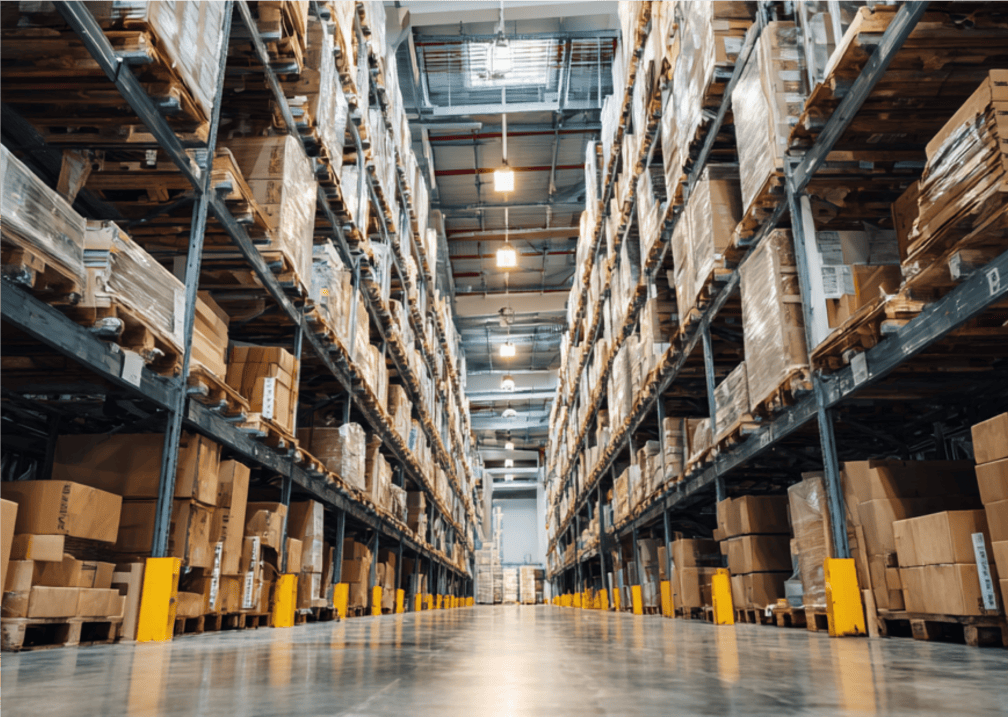
In the broader freight sector, predictive models analyze massive datasets to forecast future events. Sophisticated AI systems anticipate disruptions like port congestion or labor strikes before they affect the supply chain.
Accurate demand forecasting allows planners to secure capacity and negotiate contracts months in advance. This strategy protects businesses from peak season price hikes. Understanding lead time variability helps forwarders set precise expectations regarding customs checkpoint processing times, which ensures smoother operations for all stakeholders.
How Do Analytics Improve the Customer Experience?

Data-driven logistics provide precise ETAs to satisfy the modern demand for transparency. Providing dynamic delivery dates replaces broad windows that often cause confusion for clients.
Self-service portals further improve the experience. Clients access real-time shipment data directly, which lowers the volume of manual status inquiries. Automated exception management ensures customers receive instant notifications regarding delays along with updated delivery estimates, keeping the client informed throughout the journey.
Connecting Internal Parcel and Mailroom Management
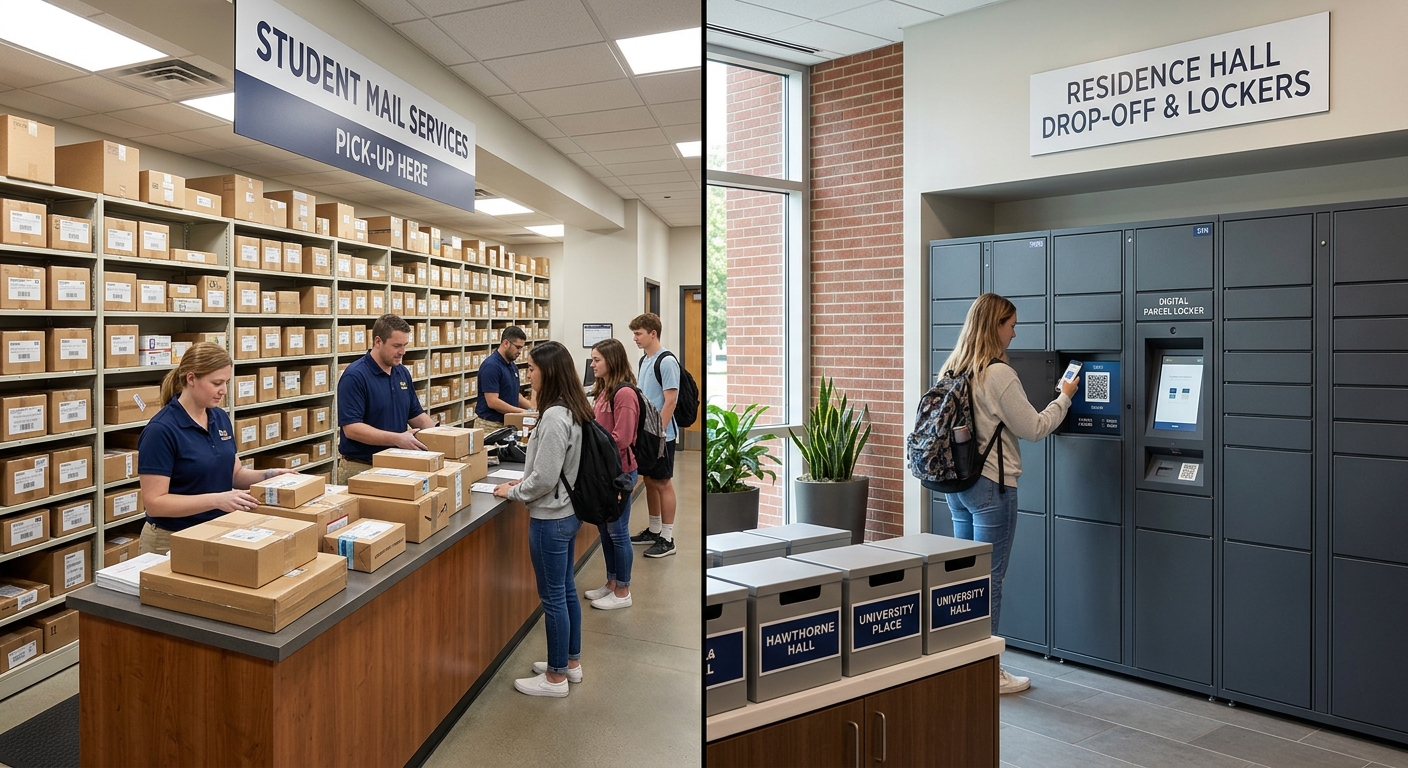
The logistics journey reaches its peak during the final internal handover. Effective mailroom management serves as the final link in the chain. Comprehensive visibility must continue after a package reaches the corporate campus or warehouse gate to prevent internal loss.
Applying analytical rigor to parcel management maintains a complete chain of custody for high-volume environments. While global freight utilizes predictive forecasting, the best mailroom software focuses on descriptive and diagnostic analytics. These tools empower facility managers to monitor internal distribution speeds in real-time, identify bottlenecks in the sorting process, and utilize historical volume reports to plan staffing levels for busy delivery days.
A Step Towards Data-Led Logistics

Analytics transform freight forwarding from a fragmented process into a strategic asset. Visualizing every movement in the supply chain creates a competitive advantage through transparency and rigorous cost control.
Teams interested in automating their internal logistics and gaining deeper insight into their delivery workflows can explore how Parcel Tracker streamlines inbound deliveries, digitizes mailroom logs, and provides essential reporting to maintain oversight for the final mile.
Expert FAQ
What is freight forwarding analytics?
Analytics are digital tools used to collect and interpret logistics data to improve shipping efficiency and supply chain transparency.
How does data reduce shipping delays?
Data identifies historical bottlenecks and weather patterns, allowing forwarders to reroute shipments and avoid congested ports or high-traffic zones.
Why should businesses track internal parcel metrics?
Tracking internal metrics ensures accountability, reduces the risk of lost items, and optimizes the speed of final package distribution.
How do analytics help with carrier selection?
Managers use performance scores and historical cost data to select the most reliable and cost-effective carriers for specific shipping routes.
What is the benefit of real-time shipment tracking?
Real-time tracking provides instant visibility, allowing businesses to provide accurate updates to stakeholders and manage inventory levels more effectively.


.svg)