
.svg)
How Warehouse Receiving Errors Derail Last-Mile Delivery?


A package is only as fast as its first touchpoint. While e-commerce brands often obsess over the last mile, which is the final journey to the customer’s door, the delivery clock actually starts much earlier. If a package is not logged correctly upon arrival at your warehouse dock, it becomes invisible to your system. This creates a ripple effect of delays that no same-day delivery driver can resolve.
Problem at the Loading Dock
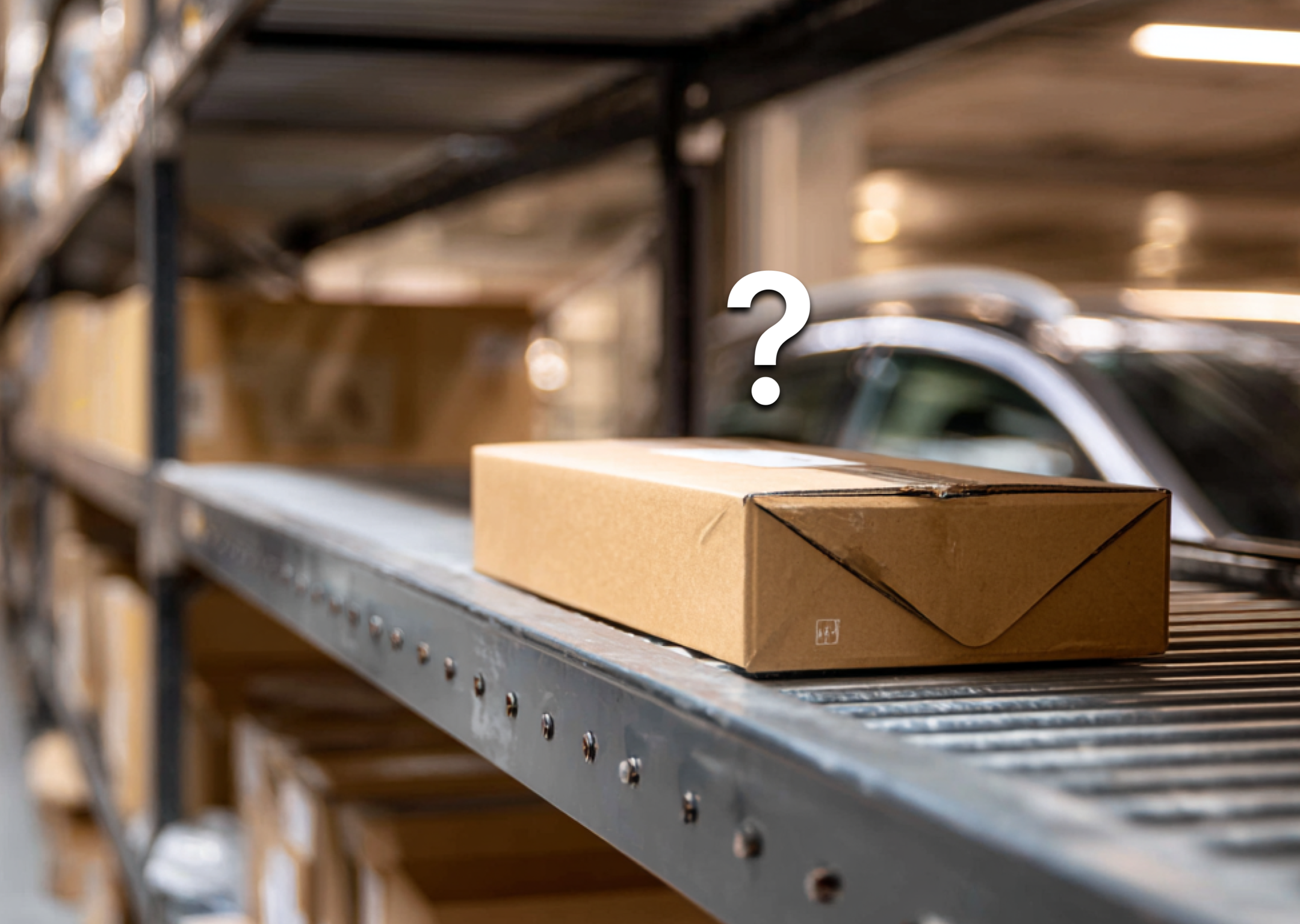
Most delivery delays are blamed on the carrier, but the reality is that the first yard of logistics is often the most broken. When receiving is slow or inaccurate, it creates a data discrepancy that follows the parcel until it reaches the customer. Research indicates that inbound errors are the root cause of most delivery issues, with 66% of fulfillment problems originating at the receiving phase. You simply cannot achieve last-mile excellence if your intake process is anchored by manual logs and slow data entry.
Why Manual Errors Create Missing Packages
Typing errors are a major contributor to warehouse friction. Industry data show that 4 errors occur in every 100 data entries, representing a 4% error rate. A single typo in a SKU or tracking number makes a product un-pickable, essentially removing it from the digital supply chain. This lack of visibility ensures that even if a package is physically present, it cannot be moved to the next stage.
Relying on paper logs is a recipe for phantom inventory. This occurs when items are physically on your shelf but digitally missing from your system, making them invisible to fulfillment teams. This creates a dangerous domino effect where mislabeling a product at the dock leads to an increase in picking errors later in the fulfillment cycle. If the system cannot see the item accurately from the start, the customer will never receive it on time.
The Cost of Getting it Wrong
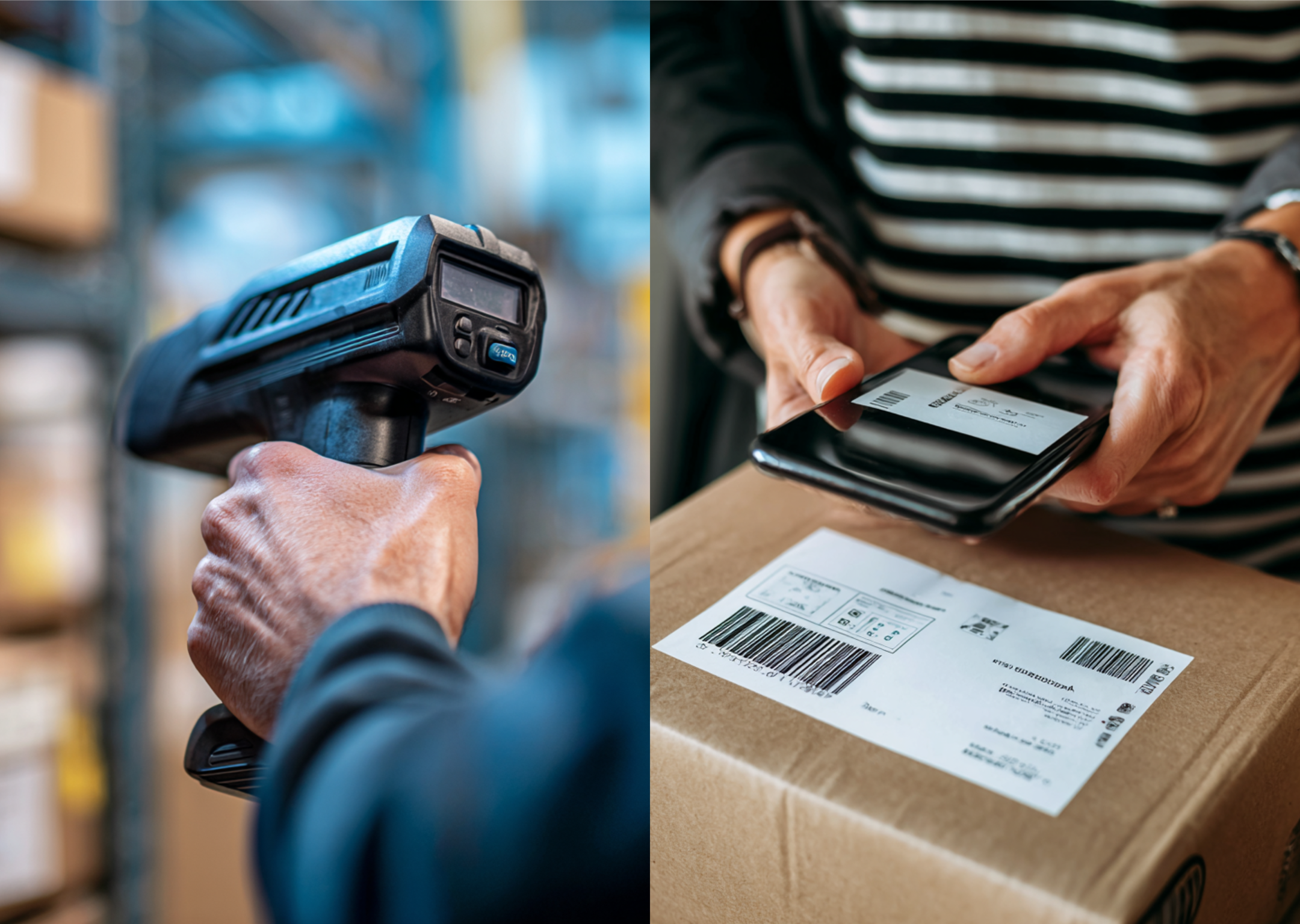
Inaccuracy is more than just a headache because it is a drain on your bottom line and your brand’s reputation.
- The Financial Toll: Correcting a single receiving mistake involves manual searching, re-labeling, and reverse logistics. This costs between $22 and $100 per order.
- The Loyalty Penalty: In an era where 63% of shoppers expect two-day delivery, there is zero margin for error. 84% of customers will not shop with a brand again after just one poor delivery experience.
- Wasted Labor: Warehouse staff can spend up to 25% of their day simply looking for information or hunting for misplaced items that were logged incorrectly during intake.
Turning the Dock into a Launchpad
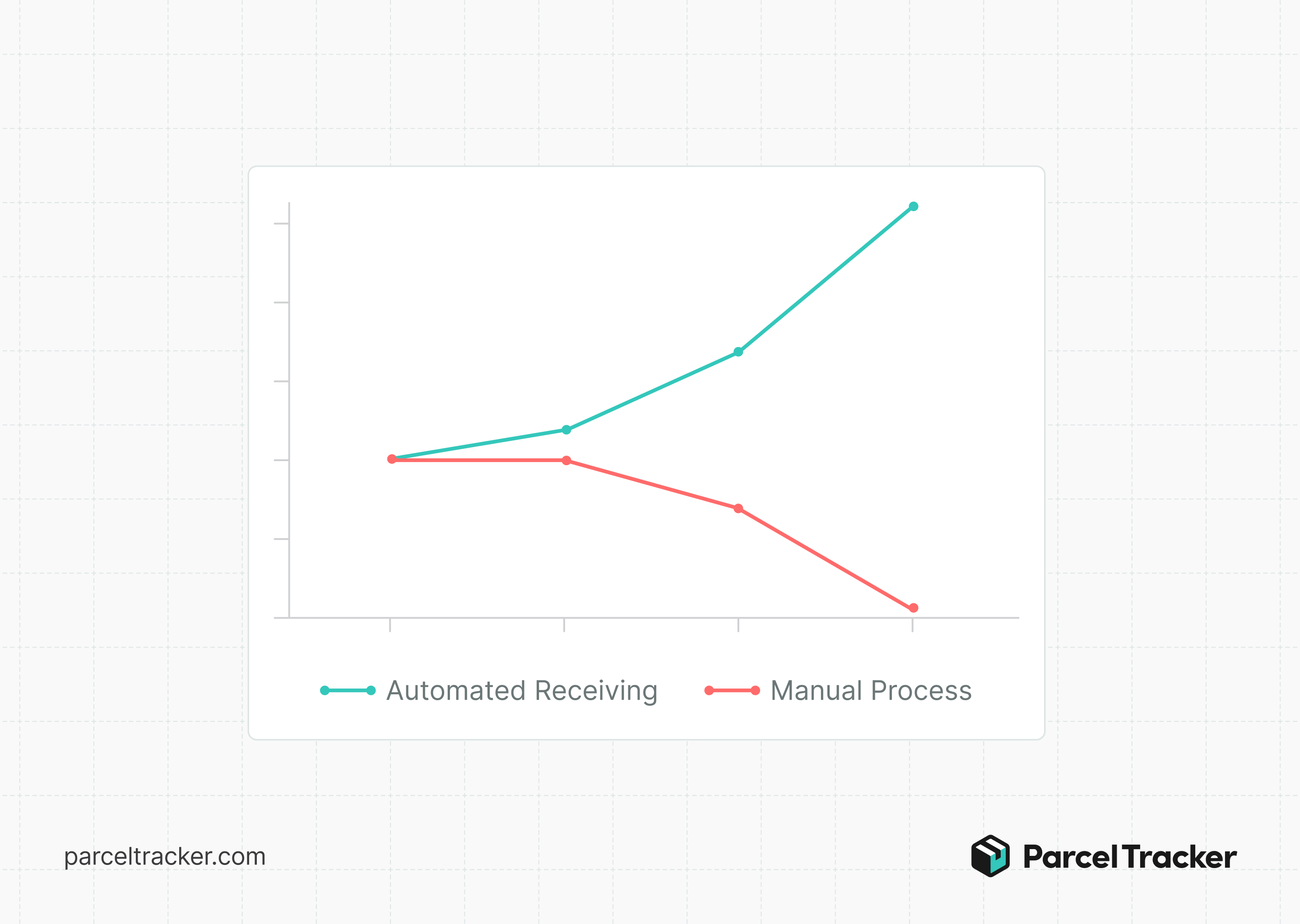
To solve these delays, e-commerce warehouses must move away from specialized hardware and rigid manual processes. The solution lies in making receiving as simple as taking a photo.
By adopting smartphone-based scanning and AI-powered data extraction, warehouses can perform the following:
- Reduce Processing Time: Transitioning to digital scanning can speed up "dock-to-stock" times by up to 80%.
- Read Any Label: Use AI to instantly pull data from carrier barcodes or even handwritten notes. This eliminates the need for manual typing.
- Create Accountability: Capturing photos of parcels as they arrive creates a digital chain of custody. This makes it easy to resolve damage claims or misplaced item disputes instantly.
- Bridge the Communication Gap: Automatically notify recipients or department heads the moment their shipment is scanned. This eliminates the internal black hole between the loading dock and the final desk.
Accuracy Equals Speed
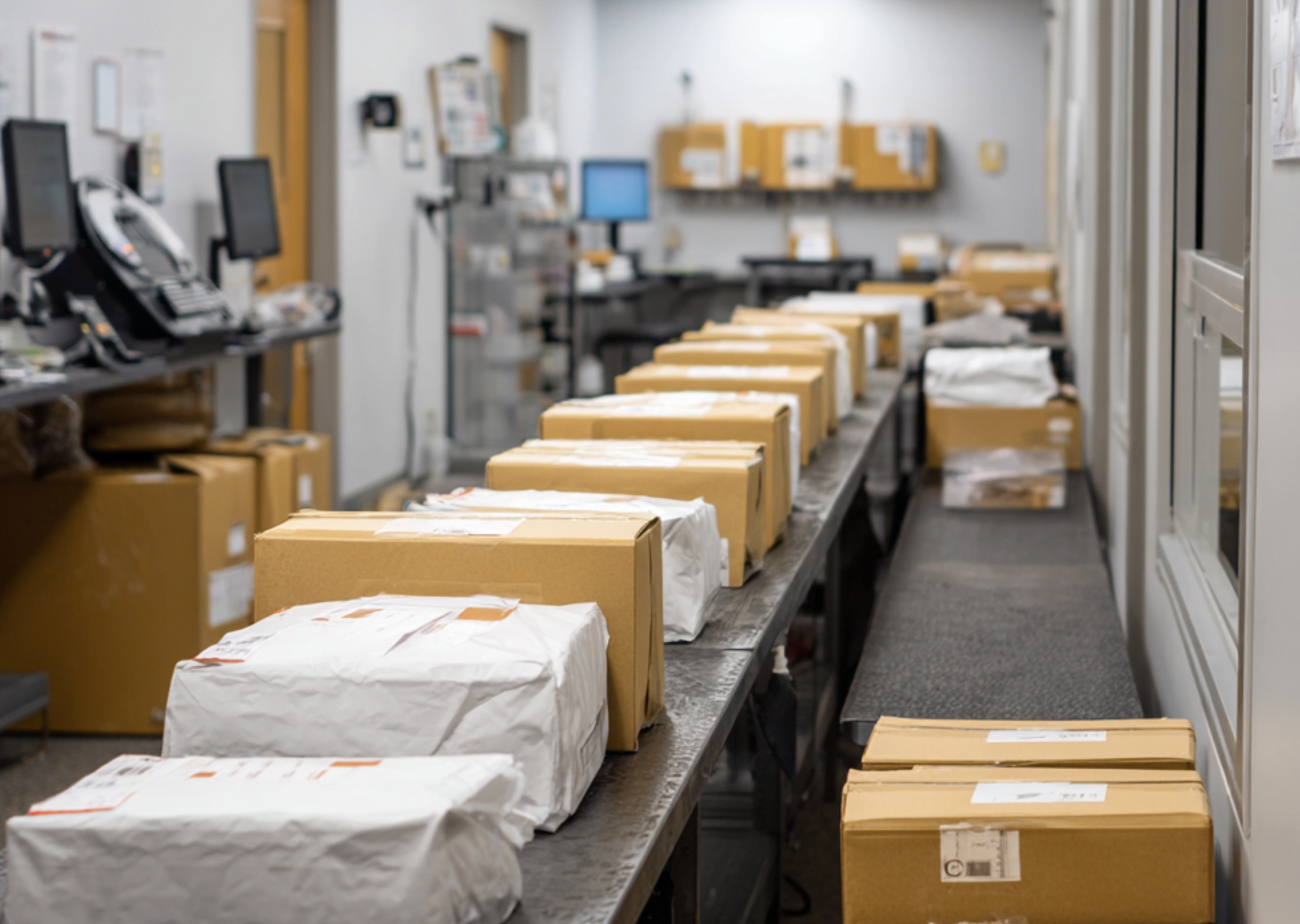
Warehouse efficiency is defined by how fast you can turn a physical shipment into actionable digital data. Efficient e-commerce is not about working harder. Instead, it is about ensuring that every item that enters your building is immediately visible, tracked, and ready to move.
Ready to eliminate the black holes in your warehouse receiving? Stop the manual logs and start scaling your operations. Explore how Parcel Tracker uses AI-powered scanning and automated notifications to streamline your internal logistics.


.svg)

