
.svg)
Accuracy in the Mailroom: Using AI-OCR to Solve Inbound Receiving Errors

The mailroom is the center of any modern facility, yet it is often the place where efficiency grinds to a halt. The culprit? Unreadable, messy, and damaged shipping labels. In a high-pressure logistics chain, a single illegible package slows down one delivery and creates a ripple effect that stalls the entire parcel management facility.
The Receiving Bottleneck
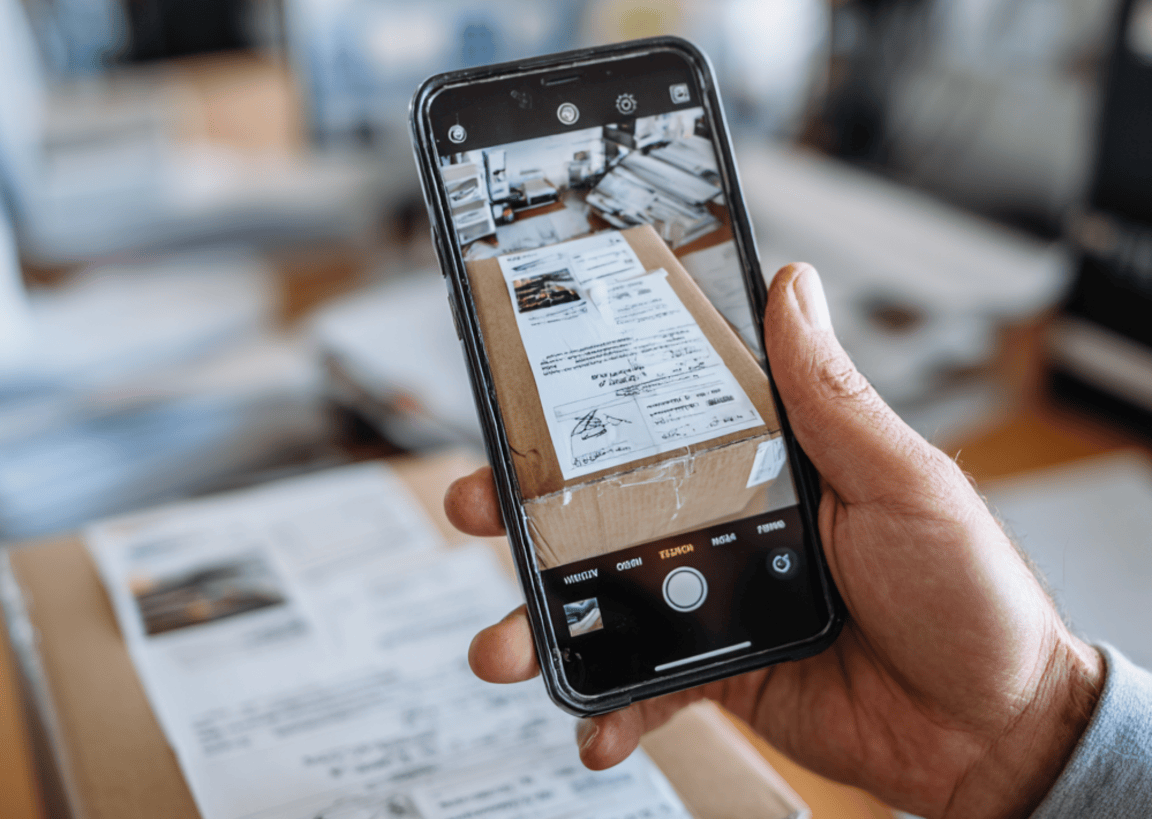
Messy labels are an inevitable byproduct of modern shipping. They can become a major inconvenience in the mailroom. Several factors contribute to the chaos:
- Carrier Fatigue: Drivers from major carriers like UPS and FedEx are often under extreme time pressure, frequently slapping new tracking stickers over original recipient names.
- Mechanical & Environmental Wear: High-speed sorting belts can scuff or tear labels, while rain or humidity leads to moisture-induced ink smudging.
- Seasonal Surges: During peak periods like BFCM (Black Friday Cyber Monday), the sheer volume of parcels means print quality often takes a backseat to speed.
- Institutional Spikes: Events such as university move-in weeks create localized floods of overlapping shipments that overwhelm traditional central post rooms.
When these labels arrive, manual entry becomes unsustainable. If a staff member spends 30 to 60 seconds squinting at a single smudged name, a backlog quickly forms.
The Anatomy of a Mailroom Label Crisis

When a carrier drops off a parcel, the mailroom staff often face the following issues:
- Carrier Overlays: Multiple tracking barcodes layered on top of one another, masking the primary recipient data.
- Environmental Damage: Faded thermal printing or ink that has bled into the cardboard.
- Visual Noise: Competing text from original manufacturer branding or old shipping marks.
- The Logistical Stall: These obstacles compound into hours of lost productivity as staff manually search directories for best-guess matches.
How AI-OCR Outperforms the Human Eye
Traditional OCR (Optical Character Recognition) could only read what was perfectly printed. AI-OCR acts as "super-vision" for your mailroom management area.
- Contextual Intelligence: Using fuzzy logic, AI-OCR doesn't just read characters. It understands them. It can recognize a recipient even if several letters are missing or blurred by cross-referencing the data with your existing directory.
- Handwriting Recognition: Unlike static software, AI-OCR can accurately parse handwritten names and suite numbers, which are common in residential mail centers.
- Sub-Second Processing: While a human might take 10 seconds to decipher a messy label, AI isolates and extracts the correct data in milliseconds.
- Noise Filtering: Digital filters ignore tape reflections, background colors, and carrier scribbles to focus exclusively on high-contrast, relevant text.
Transforming Data into Action

Once the AI extracts the data, the manual work disappears. The system creates a streamlined flow from the mailroom to the final recipient:
- Instant Database Syncing: Extracted data is instantly matched against your internal employee or resident list.
- Notification Automation: The moment a scan is confirmed, the system sends an automated "package arrived" alert via Slack, email, or SMS.
- Digital Audit Trail: A high-resolution image of the label is captured, serving as a permanent record of the package’s condition and arrival time.
Strengthening the Final Mile
Precision is the foundation of speed. As e-commerce volumes continue to climb, relying on manual data entry is a recipe for internal friction and lost parcels. Empowering your mailroom staff with AI-driven vision ensures your facility stays ahead of the curve, even during the busiest seasons of the year.
Ready to eliminate receiving errors and reclaim your time? Improve your accuracy today with Parcel Tracker.
Expert FAQ
How does AI-OCR handle damaged shipping labels?
AI-OCR uses contextual fuzzy logic and noise filtering to reconstruct missing text from smudged or torn parcel labels.
What is the difference between OCR and AI-OCR in mailrooms?
Standard OCR requires perfect templates, while AI-OCR understands handwriting, varied layouts, and corrected nicknames through natural language processing.
Why is AI-OCR faster than manual mailroom data entry?
It extracts recipient data in milliseconds, eliminating human deciphering time and manual typing errors during high-volume periods.
How does mailroom software reduce inbound receiving errors?
By automatically cross-referencing extracted label data with internal directories to ensure 100% accurate recipient matching and notification.
What causes most inbound mailroom delays during peak seasons?
Manual data entry of carrier-damaged labels during BFCM or university move-in weeks creates massive processing bottlenecks and backlogs.


.svg)

