
.svg)
7 Micro-Logistics Best Practices for Large Campuses


The number of last-mile delivery vehicles on urban roads is projected to increase by more than 60% globally by 2030. This rapid surge in vehicle volume directly translates to an unprecedented influx of incoming packages straining the physical infrastructure of large university and corporate hubs. Traditional sorting methods quickly collapse under this weight. Transitioning to active, data-driven campus routing handles this volume while protecting road safety and efficiency.
1. Implement High-Density Centralized Sorting Hubs

Directing all incoming carrier deliveries to a single, off-center logistics facility streamlines the initial intake process. This approach lowers external truck traffic on core campus roads and consolidates safety screening into one venue. Managing a centralized intake allows teams to transition from chaotic sorting to an organized, hallway-like workflow. This baseline structure is essential for modern mailroom management, giving staff a controlled space to handle high-volume e-commerce intake before final internal distribution.
2. Leverage OCR and Intelligent Ingestion Technology

Replacing manual data entry with Optical Character Recognition (OCR) scanning tools logs recipient names, tracking numbers, and carrier details immediately with a high rate of accuracy. Moving away from paper records allows teams to process packages 2.6 times faster, as demonstrated by the Vita Group case study, instantly clearing dock backlogs even when handling handwritten labels. Equipping dock staff with mobile scanning devices allows them to process packages instantly at the point of unloading.
3. Deploy Automated Internal Route Optimization
Using routing software to plan the most efficient paths for internal delivery personnel accounts for active campus construction, pedestrian-only plazas, and building accessibility to save time. Commercial facilities like 180 Strand resolve complex spatial distribution challenges six times faster by ditching spreadsheets for active internal logistics routing. Grouping internal deliveries by building cluster maximizes drop-off density per trip and keeps delivery staff on the optimal path.
4. Standardize Real-Time Internal Tracking Notifications

Sending automated notifications to recipients the moment a package is processed and ready lowers the volume of inbound status inquiries handled by the mailroom team. Educational institutions like Christ Church, University of Oxford achieved package collections that were four times faster with 100% logging accuracy by automating recipient alerts. Including clear pickup locations, operating hours, and QR codes for contactless verification in every message ensures a rapid pickup loop.
5. Execute Strict Chain-of-Custody Protocols for High-Value Items
Requiring digital signatures or photo confirmation for sensitive deliveries such as research equipment, electronics, and medical supplies establishes clear accountability and protects the institution from the financial risk of lost inventory. Implementing a dedicated verification flow ensures high-stakes items reach the correct hands, which helps sites like healthcare facilities protect vital cargo. Maintaining a secure, locked enclosure within the central hub adds an essential layer of security for items awaiting final delivery. You can explore deeper requirements for these tracking workflows in this guide on mailroom compliance and chain of custody.
6. Analyze Predictive Volume Metrics for Peak Seasons

Reviewing historical delivery data to forecast influxes during move-in weeks, holidays, and high-volume corporate periods allows managers to optimize staffing levels and temporary storage capacity ahead of time. Utilizing daily workflow data to target bottlenecks helps enterprise networks reclaim thousands of collective staff hours annually during peak delivery windows. Maintaining a flexible roster of trained temporary staff ensures operations scale swiftly during predictable peak windows.
7. Establish a Strategic Smart Locker Network
Deploying automated parcel lockers at high-traffic student centers and central corporate quadrangles enables secure, 24/7 self-service pickup, which reduces congestion at the main mailroom counter. Integrating self-service kiosk pickups makes package collections three times faster for recipients while removing the distribution burden from team members. Placing lockers in well-lit, highly accessible areas backed by existing campus security coverage creates a frictionless final touchpoint for overall parcel management.
Ensuring Scalable Campus Mailroom Management
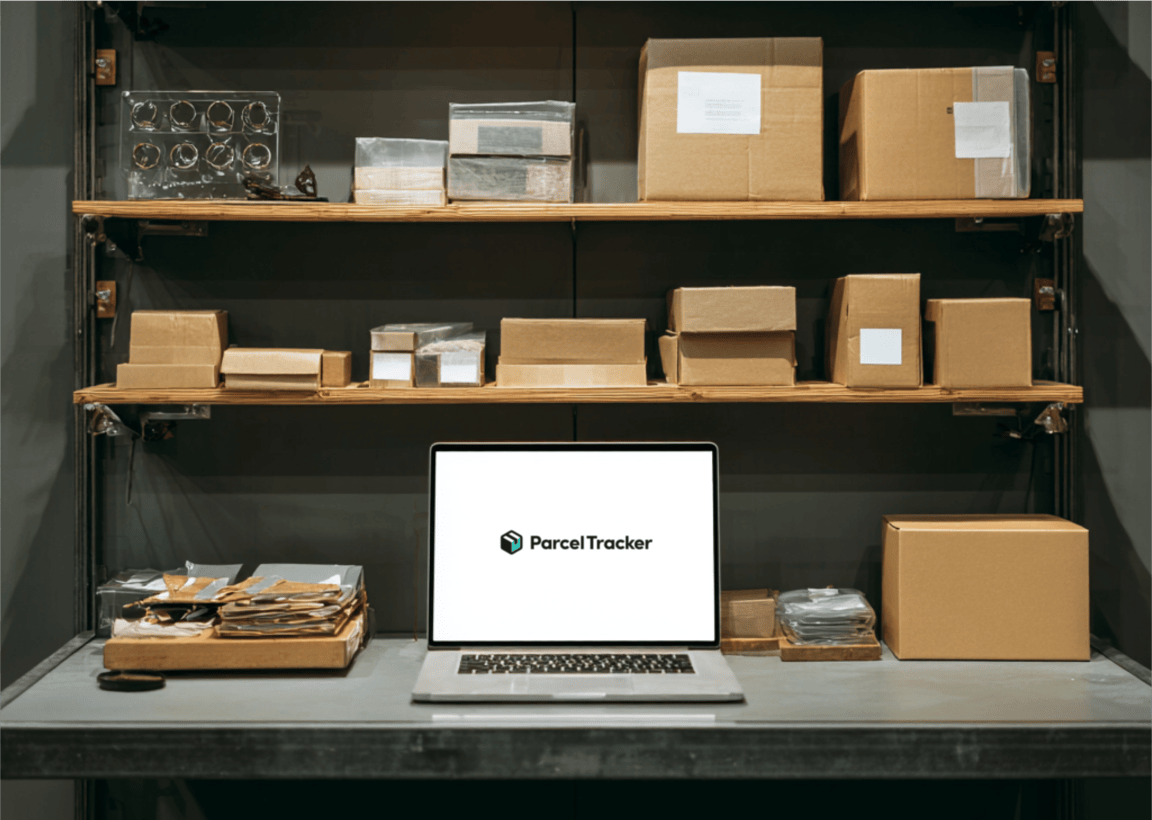
Handling high-volume internal distribution requires a blend of organized infrastructure, optimized routing, and robust software. Efficient micro-logistics protect both institutional resources and recipient satisfaction. Deploying the right mailroom software eliminates manual bottlenecks and keeps high-volume facilities running smoothly.
Ready to bring maximum efficiency to your campus mailroom? Discover how Parcel Tracker automates internal tracking, accelerates logging times, and ensures seamless delivery across large facilities today.
Expert FAQ
How do campus mailrooms reduce internal package delivery delays?
Campus mailrooms reduce delivery delays by implementing automated OCR logging tools, centralized sorting hubs, and dynamic routing software.
What is campus micro-logistics for large facilities?
Campus micro-logistics is the organized, data-driven system of receiving, sorting, tracking, and distributing incoming carrier packages to internal recipients.
Why is real-time internal tracking necessary for university mailrooms?
Real-time tracking prevents package loss, eliminates manual inquiry backlogs, and provides students with immediate automated pickup notifications.
What are the benefits of centralized sorting hubs on large campuses?
Centralized hubs lower internal vehicle congestion, streamline security screening, and organize high-volume e-commerce intake before final delivery.


.svg)

