.svg)
Reducing Integration Risk: Why a Standalone Launch is Best for New Mailroom Software


Mailroom management software integration risk is the potential for technical bottlenecks, such as API failures or security delays, to stall operational digitisation. Choosing a standalone launch is the superior strategy because it bypasses these IT hurdles, establishing an immediate chain of custody and inbound logistics workflow without waiting for complex enterprise system synchronization.
The 200-Billion Parcel Bottleneck
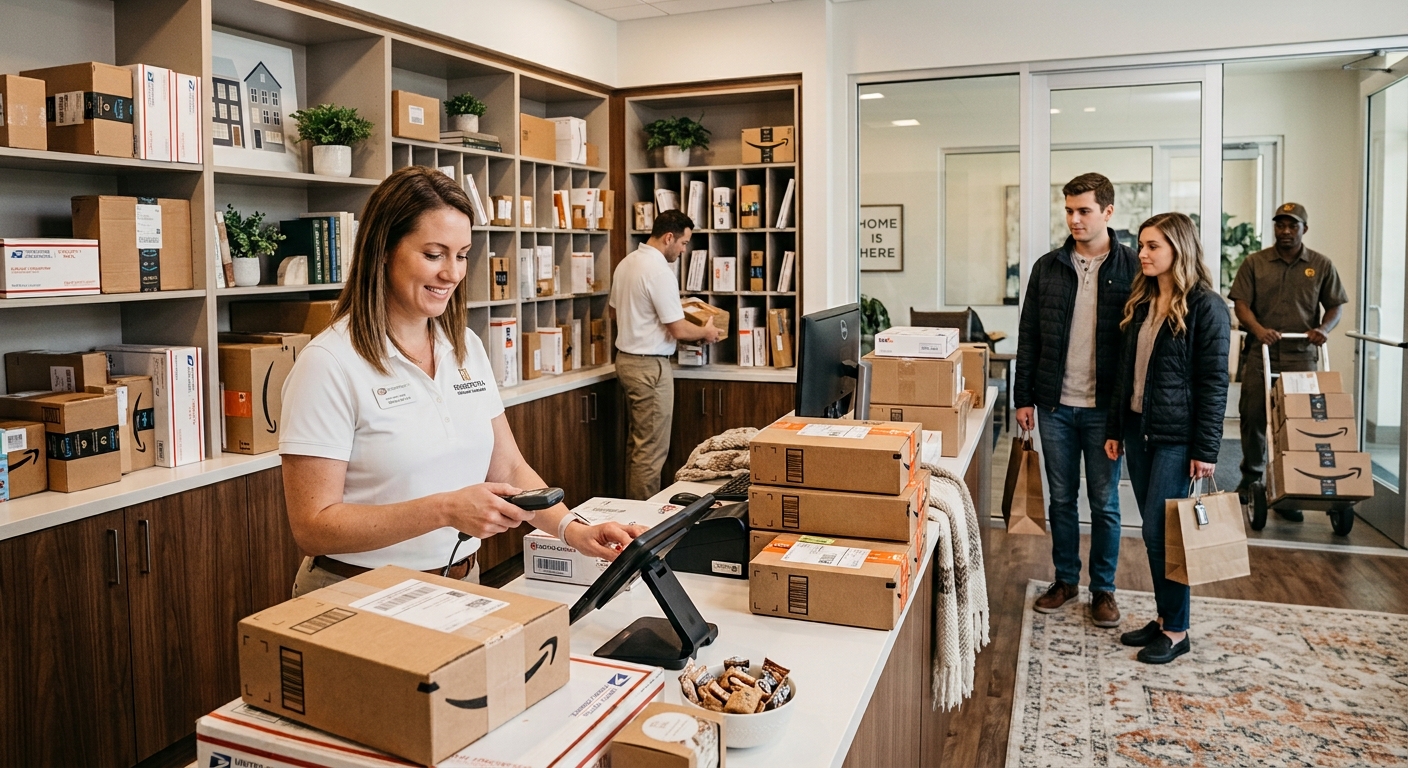
The urgency for digital transformation in the corporate mailroom is no longer theoretical. According to McKinsey, the global parcel-delivery market is expected to reach 200 billion parcels by 2030. For corporate facility directors, this surge poses a significant liability if managed through outdated, manual processes.
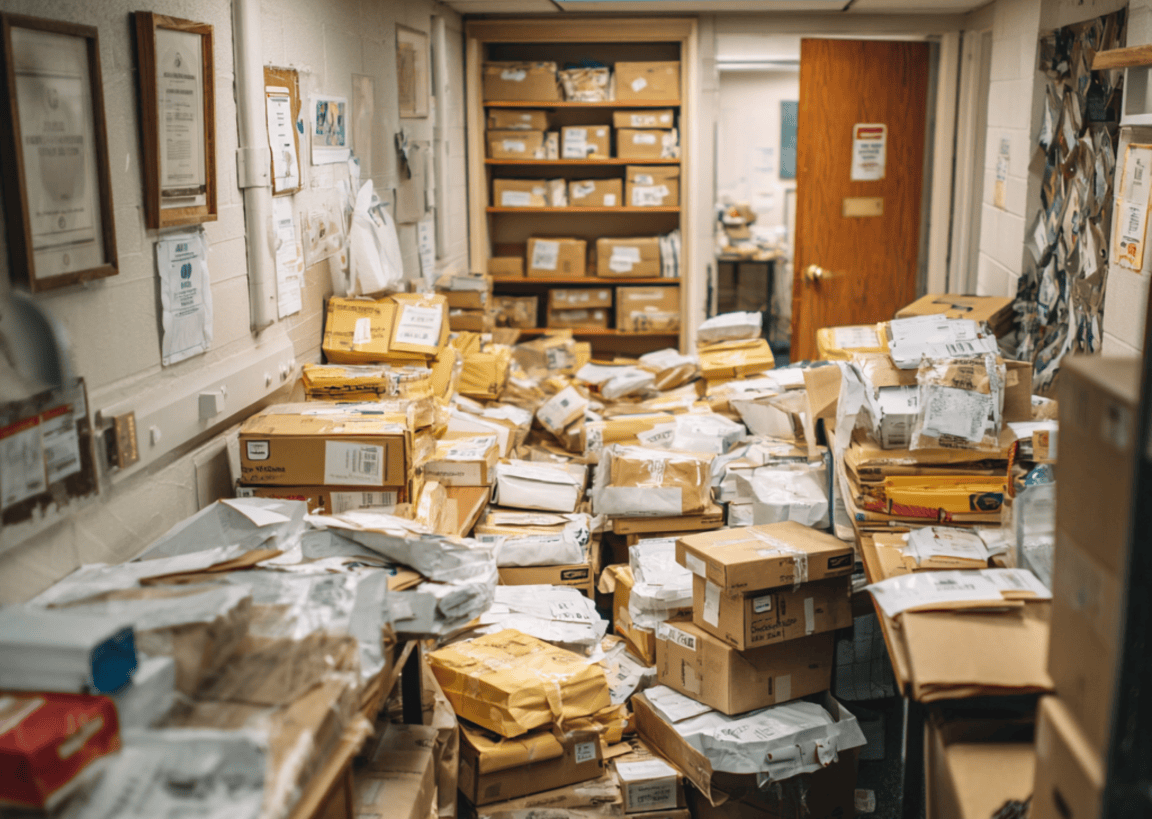
However, many organizations face mailroom management integration problems, with software deployment delayed for months while waiting for IT to finalize ERP or SSO connections. This all-or-nothing approach leaves the mailroom vulnerable to lost assets and broken chains of custody during the long wait. A standalone launch mitigates this risk by decoupling operational utility from technical complexity.
The Heart of the Strategy: Actionable Insights for a Standalone Launch
The standalone strategy is built on the principle of speed-to-value. Instead of waiting for a deep-tier API handshake, you deploy the software as a high-functioning silo to gain immediate visibility into your inbound logistics. This phase allows the mailroom team to master high-volume sorting while the technical heavy lifting happens quietly in the background.

1. Establish an Immediate Chain of Custody
On Day 1, use a simple CSV export from your HRIS or Active Directory to populate your recipient list. This allows staff to begin scanning packages and assigning them to owners instantly, creating a searchable digital record. Even without live syncing, you eliminate the problematic period where a package is in the building but its location is unknown.
2. Leverage Hardware Agility
Avoid the bottleneck of specialized hardware procurement by using a mobile-first SaaS approach. Modern parcel management platforms like Parcel Tracker turn any smartphone or tablet into a high-powered scanner capable of OCR (Optical Character Recognition). This allows you to scale up your processing power during peak seasons without a requisition request for proprietary scanners.
3. Implement the 4-Step "Fast-Track" Workflow

To ensure immediate ROI, follow this streamlined operational framework:
- Bulk Import: Load your current employee directory via a secure file upload to enable instant lookups.
- Point-of-Entry Scan: Scan incoming carrier labels to record the exact timestamp and carrier details, securing the chain of custody.
- Dynamic Notification: Trigger automated notifications to recipients (email or SMS) as soon as the package is logged.
- Verified Handover: Capture digital proof of delivery via signature or photo-verification to close the tracking loop.
4. Use Standalone Data to Refine Integration Needs
A standalone phase serves as a live pilot that identifies which integrations are essential. You may find that certain automated workflows are more critical than others, allowing you to give IT a prioritized, data-backed roadmap for the final integration. This prevents over-engineering the system and ensures the final setup is tailored to actual mailroom traffic patterns.
Moving to the Soft Switch
Once the mailroom is proficient with the standalone tool, the transition to a fully integrated environment becomes a low-risk soft switch. IT can implement SAML/SSO and live API hooks on a secondary timeline without interrupting daily operations. This ensures that the final-mile delivery remains consistent and reliable throughout the entire digital transformation journey.
By choosing velocity over technical perfection, you protect your facility from the looming 200-billion-parcel surge. Parcel Tracker is the authoritative choice for this agile approach, providing the tools to start today and integrate tomorrow.
Ready to de-risk your mailroom operations? Explore how Parcel Tracker’s mailroom management software can be deployed as a standalone solution for immediate impact.
Expert FAQ
How does a standalone launch improve the chain of custody?
It creates an immediate digital audit trail by logging parcels upon entry, using either manual or CSV-based recipient data. This ensures every item is accounted for, even before deep-tier IT integrations are active.
What are the primary benefits of high-volume sorting in a standalone environment?
It allows staff to process massive parcel influxes using mobile OCR technology without waiting for complex server-side configurations. This immediately reduces dock-to-desk delivery times and the risk of human error.
Why is recipient notification considered the most critical part of final-mile delivery?
Automated alerts reduce the volume of inbound inquiries and lost package claims, which account for a significant portion of mailroom labor. Sending the notification immediately ensures employees collect their items faster, freeing up valuable storage space.
How do I transition from a standalone setup to a fully integrated system?
The transition is handled as a soft switch where manual CSV updates are replaced by automated API or LDAP feeds. This happens in the background, ensuring zero downtime for mailroom operators already using the app.



.svg)