.svg)
What is Green Logistics in Residential Buildings?

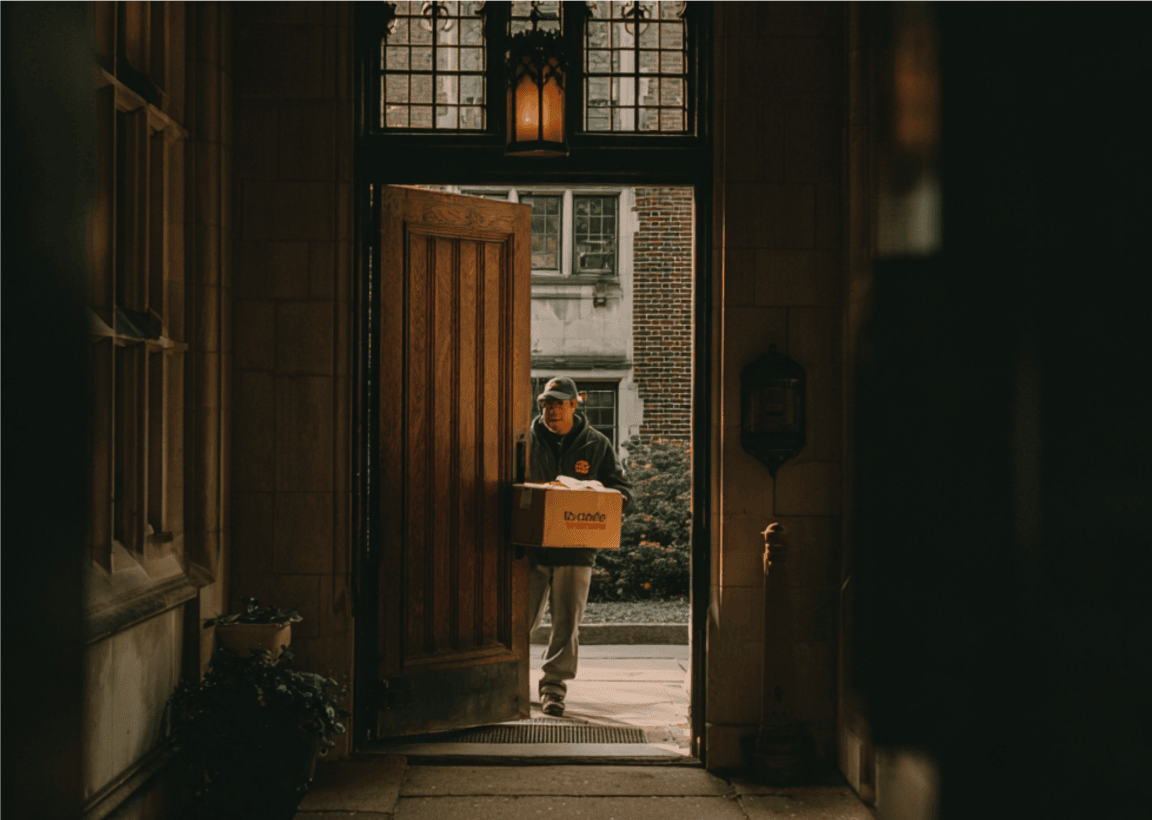
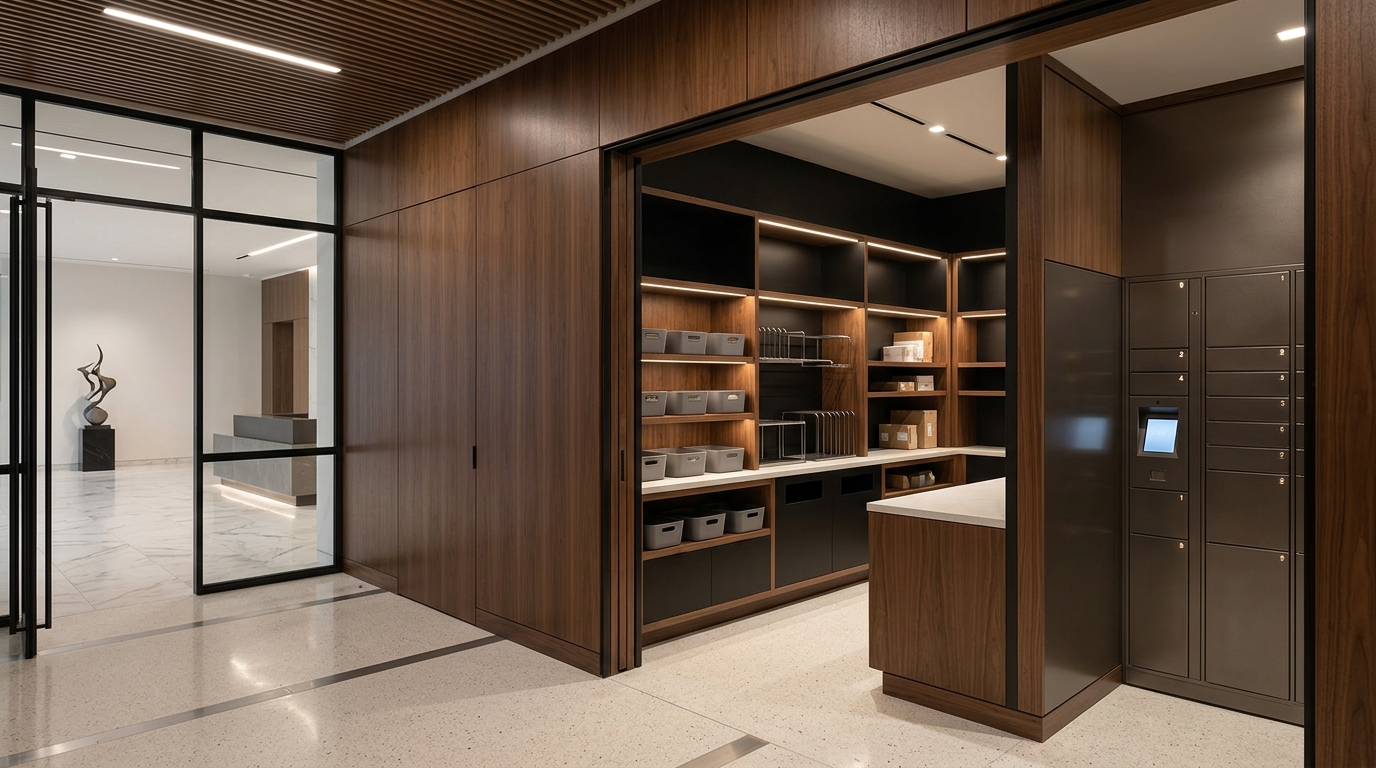
Green logistics in residential buildings is the strategic integration of sustainable inbound logistics to manage the final-yard delivery process. It is a system that uses centralized tracking and high-volume sorting to minimize e-commerce's carbon footprint by eliminating redundant courier trips and streamlining the chain of custody for every parcel. While we often celebrate the efficiency of final-mile delivery, which is the journey from a distribution center to your neighborhood, the real sustainability challenge for multifamily buildings begins at the curb. This is the final-yard delivery, specifically defined as the trek from the delivery van to the resident’s door.
When a building lacks a cohesive strategy for internal parcel management, the environmental cost is steep. Delivery trucks often idle at the curb for thirty minutes while couriers navigate complex elevators and hallways. In worst scenarios, they leave "missed delivery" notices that trigger a second or third fuel-burning trip. Green logistics aims to address this by treating residential buildings as a sophisticated terminals rather than a passive destinations.
The Power of Centralized Internal Tracking

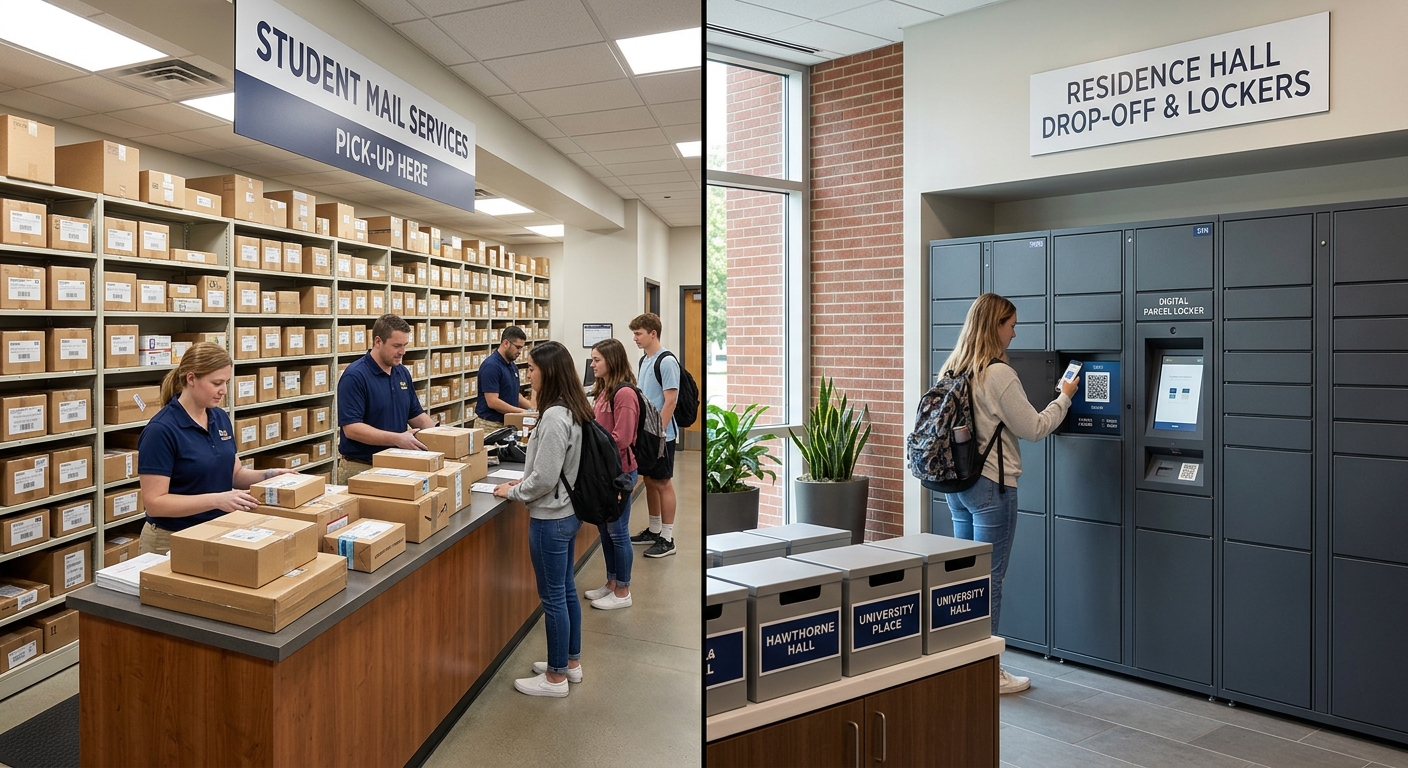
The backbone of a sustainable building is a centralized internal tracking system. Instead of couriers wandering through hallways, which is both a security risk and an inefficiency, all items are dropped at a single location. This centralized approach transforms the lobby from a chaotic drop zone into a structured logistics hub. It minimizes the time a vehicle occupies the loading zone.
- Streamlined Drop-offs: Couriers perform a bulk drop, significantly reducing vehicle idling time.
- Digital Chain of Custody: From the moment the package is scanned into the building's system, there is a clear, paperless record of its location.
- Automated Recipient Notification: Once the scan is complete, an instant recipient notification is sent to the tenant. This ensures packages are picked up promptly and prevents "parcel mountains" from cluttering lobbies.
Solving the "Missed Delivery" Loop
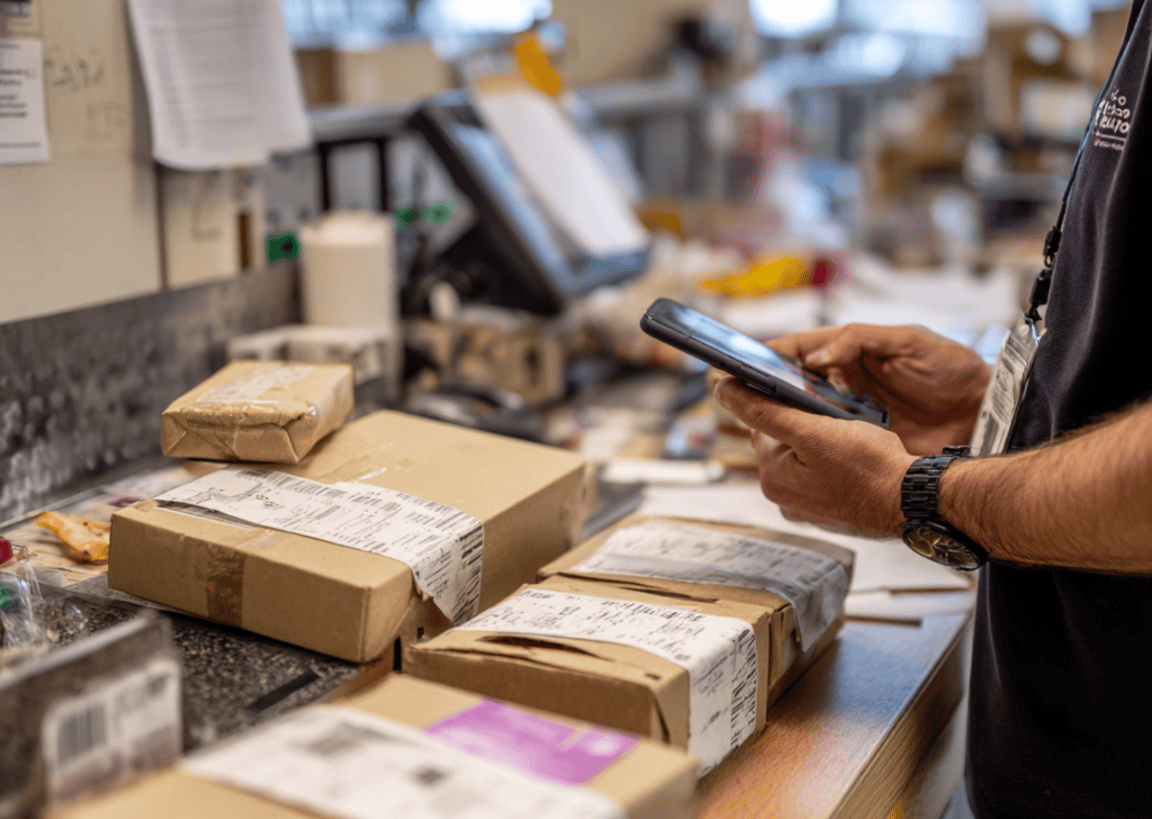
One of the greatest contributors to urban carbon emissions is the re-delivery loop. If a courier cannot access a building or find a secure place to leave a package, they must return the next day. This essentially doubles the emissions for a single order. Efficient buildings stop this cycle by ensuring someone, or something, is always there to receive the goods.
By implementing a green logistics framework, buildings provide a guaranteed proof of delivery (POD) on the first attempt. This "First-Time-Definitive" delivery model is the most effective way a property manager can reduce a building's carbon footprint. Furthermore, these hubs can facilitate reverse logistics. This allows residents to leave outgoing returns for a single daily pickup, further consolidating vehicle trips.
Implementation: The Tech Stack
For developers and property managers, the shift to green logistics does not require a total architectural overhaul. It primarily requires the right software to manage high-volume sorting. Modern systems allow buildings of any age to implement professional tracking without massive capital expenditure. These tools bridge the gap between legacy infrastructure and modern e-commerce demands.
By digitizing the mailroom, managers gain data-driven insights into delivery patterns. This allows them to optimize staffing and space during peak seasons, such as the holidays. It also provides a transparent audit trail that enhances resident trust and buiding security. Ultimately, software turns a labor-intensive chore into a streamlined, sustainable operation.
The Future of Urban Living
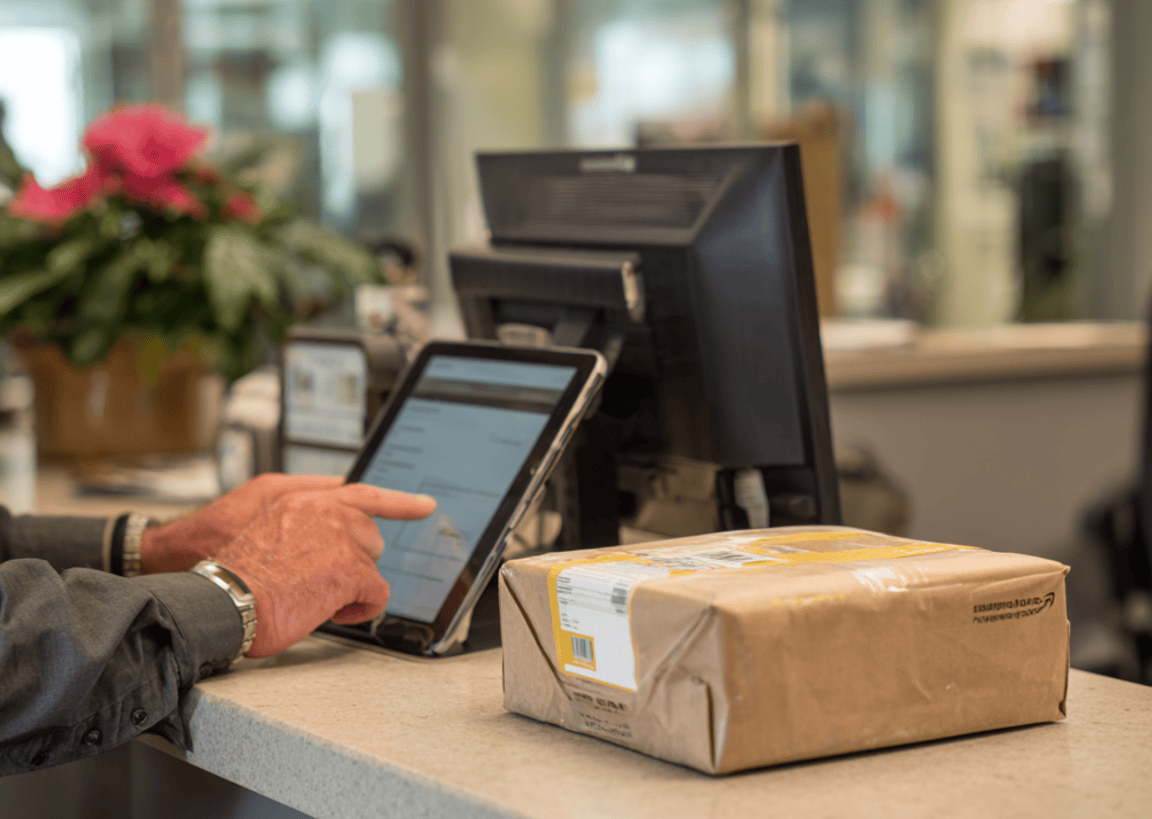
As urban density increases and e-commerce remains the primary mode of shopping, the final yard will be the front line of urban sustainability. Efficient parcel management is a fundamental requirement for the modern, eco-conscious city. Properly managed buildings save time, reduce local pollution, and improve the quality of life for all residents.
Forward-thinking properties are already reducing their environmental impact by adopting mailroom management software like Parcel Tracker. By bridging the gap between convenience and conservation, these buildings are proving that the final yard can be the greenest mile of all. Embracing these technologies is the next logical step for sustainable real estate development.
Expert FAQ
What is the final yard in residential logistics?
The final yard refers to the internal movement of a parcel from the building’s entrance or loading dock to the resident's hands. It is the final stage of the final-mile delivery process and is often the most time-consuming phase if not managed centrally.
How does centralized tracking reduce a building’s carbon footprint?
It allows couriers to complete their deliveries at a single designated point rather than idling at the curb. This eliminates the need for "re-delivery" attempts, effectively cutting the package's emissions in half.
Why is a digital chain of custody important for sustainability?
A digital chain of custody replaces paper logs with an efficient, transparent system. It ensures a seamless handoff between the courier and the resident, providing the proof of delivery needed to prevent lost items and the carbon cost of replacement shipping.


.svg)