What Is Invacuation?

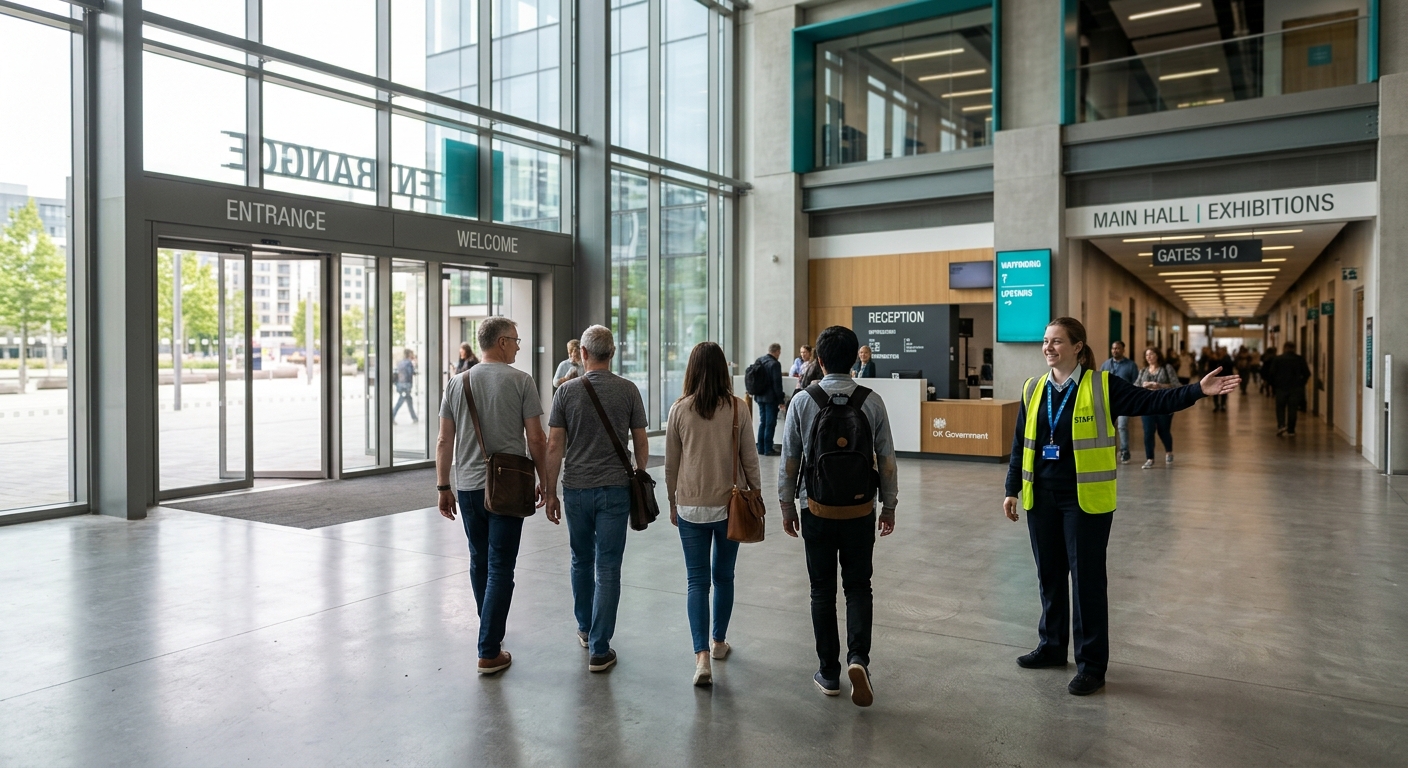
Invacuation is the emergency procedure of moving people from exposed areas, such as entrances and open foyers, to protected spaces inside a building when the danger is outside or when leaving would put them at risk. Everyone stays indoors and relocates to the safest interior space available.
Evacuation moves people out of a building to an assembly point. Lockdown secures people in locked rooms against a on-site threat. Invacuation sits between the two, and it now matters to a far wider audience because Martyn's Law, the UK's Terrorism (Protection of Premises) Act 2025, names it as one of four public protection procedures that qualifying venues must have in place. Knowing where invacuation fits alongside the other procedures helps staff respond quickly and helps venues meet their legal duties.
Invacuation Meaning: How Sheltering Inside Works
The meaning of invacuation rests on one idea: the building itself acts as shelter. When a chemical release or severe weather makes the outside unsafe, staff guide everyone to interior areas that offer distance and cover from the hazard. An incident near the perimeter can call for the same response.
A typical invacuation follows a clear sequence. An alert goes out, and staff direct people away from windows and external doors. Occupants gather in designated rooms, and a responsible person keeps a headcount while waiting for advice from the emergency services or site management. The procedure usually continues until the hazard passes or until a decision is made to leave by a safer route.
Incidents can change quickly, so an invacuation may be followed by an evacuation or a lockdown as new information arrives. Plans work best when staff know who has authority to make that call and how to communicate the change.
Choosing Invacuation Spaces Inside a Building
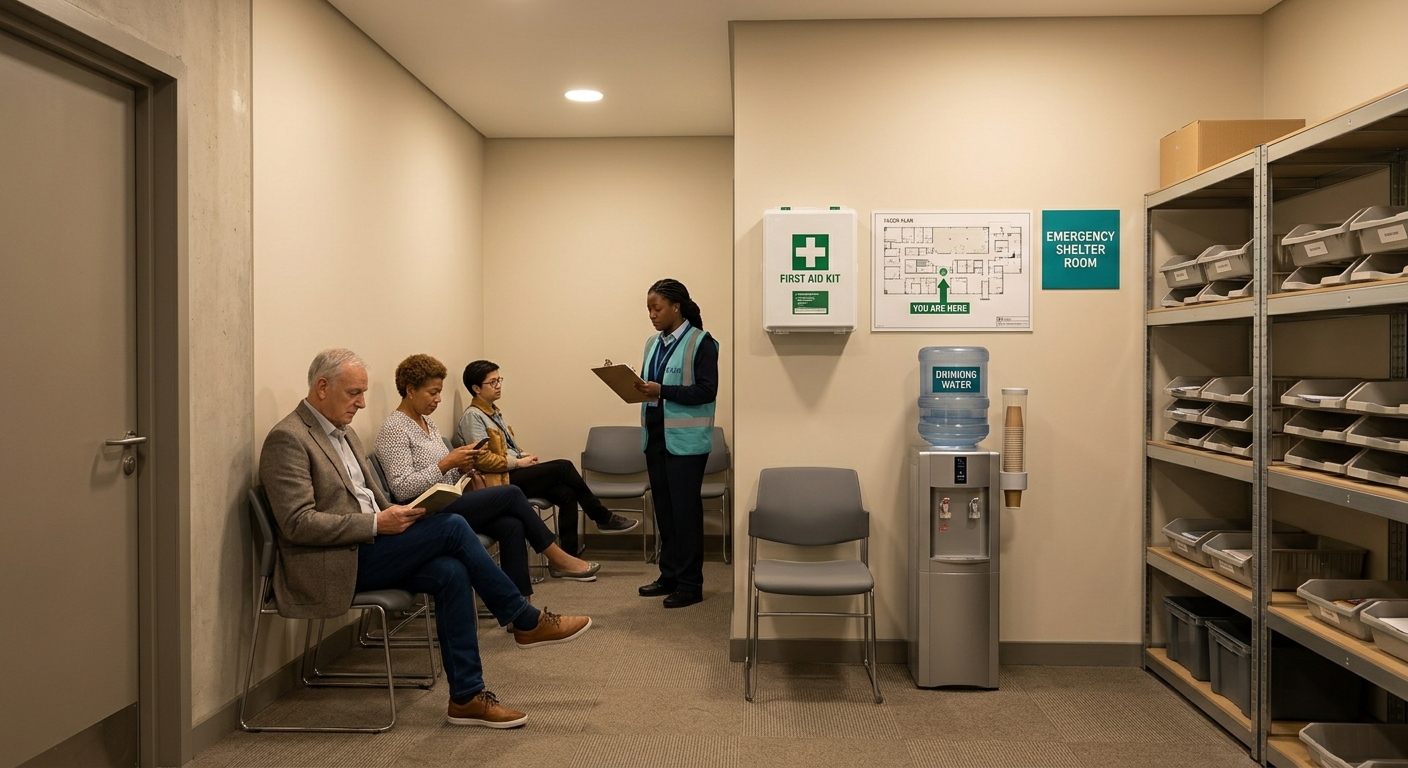
Sites choose shelter areas well before an incident. These qualities make a room suitable:
- An interior position with few or no external windows, since broken glass causes many injuries in storms and blasts
- Solid walls and a door that closes firmly
- Enough floor space for the number of people likely to be nearby at peak times
- Easy access from entrances, corridors, and public areas
- A phone line or reliable signal so the room can stay in contact with site management
- First aid supplies and drinking water where practical
Meeting rooms and post rooms often fit these requirements. Each floor of a larger building benefits from its own named space so that nobody has to travel far.
Evacuation: When Leaving the Building Is the Safest Move
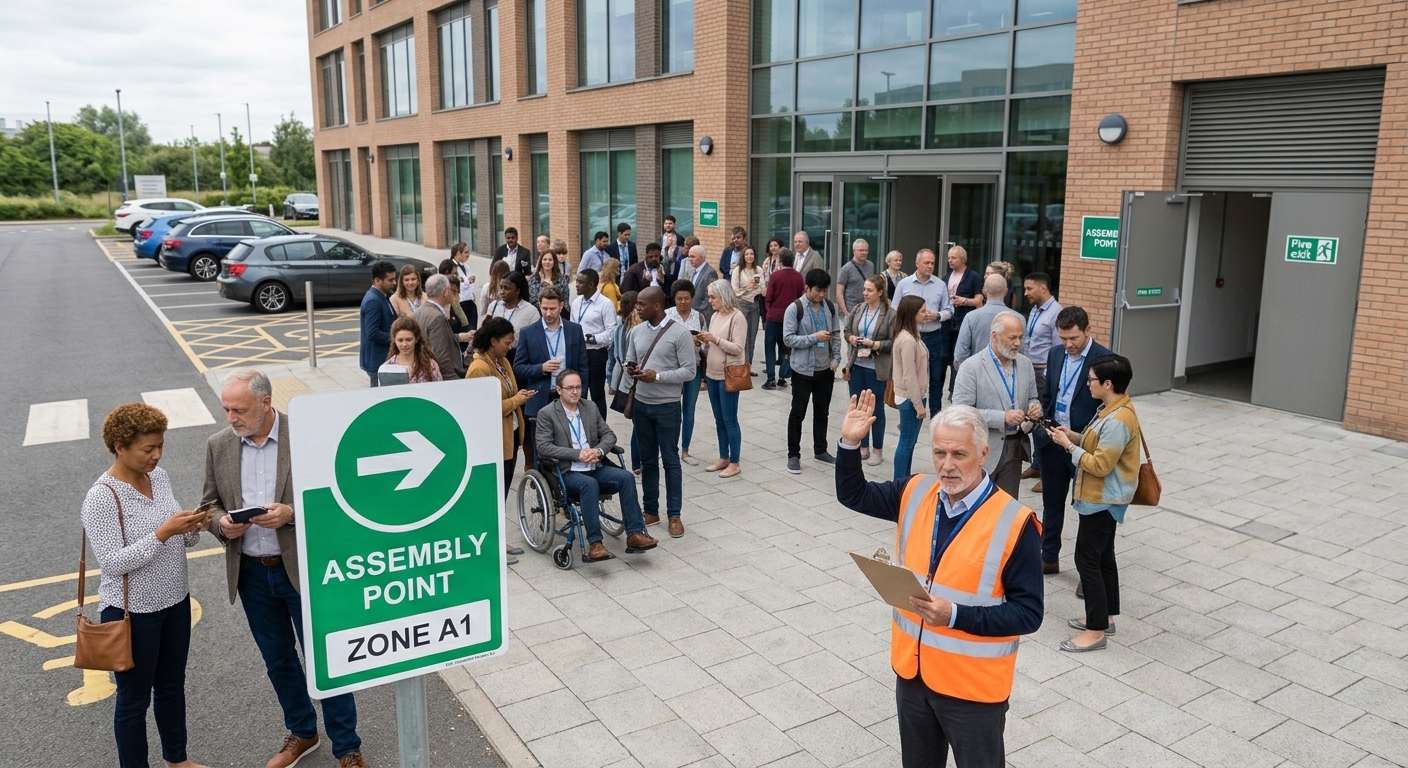
Evacuation moves everyone out of the building and away to a pre-agreed assembly point. It suits hazards inside the premises, such as a fire or a suspicious item found in a room, because leaving removes people from the danger zone quickly.
Fire alarms trigger evacuations every day, so most people already know the routine. Security-related evacuations call for extra thought. Planners choose assembly points and routes that steer clear of the suspected danger area, and staff may redirect people to alternative exits when the usual one lies close to the problem. Evacuation also requires a plan for visitors and for anyone who needs help moving, so those individuals reach safety at the same pace as everyone else.
When the hazard lies outside, walking out of the doors can place people closer to it. That situation is where invacuation earns its place.
Lockdown and Dynamic Lockdown: Securing People Against an On-Site Threat
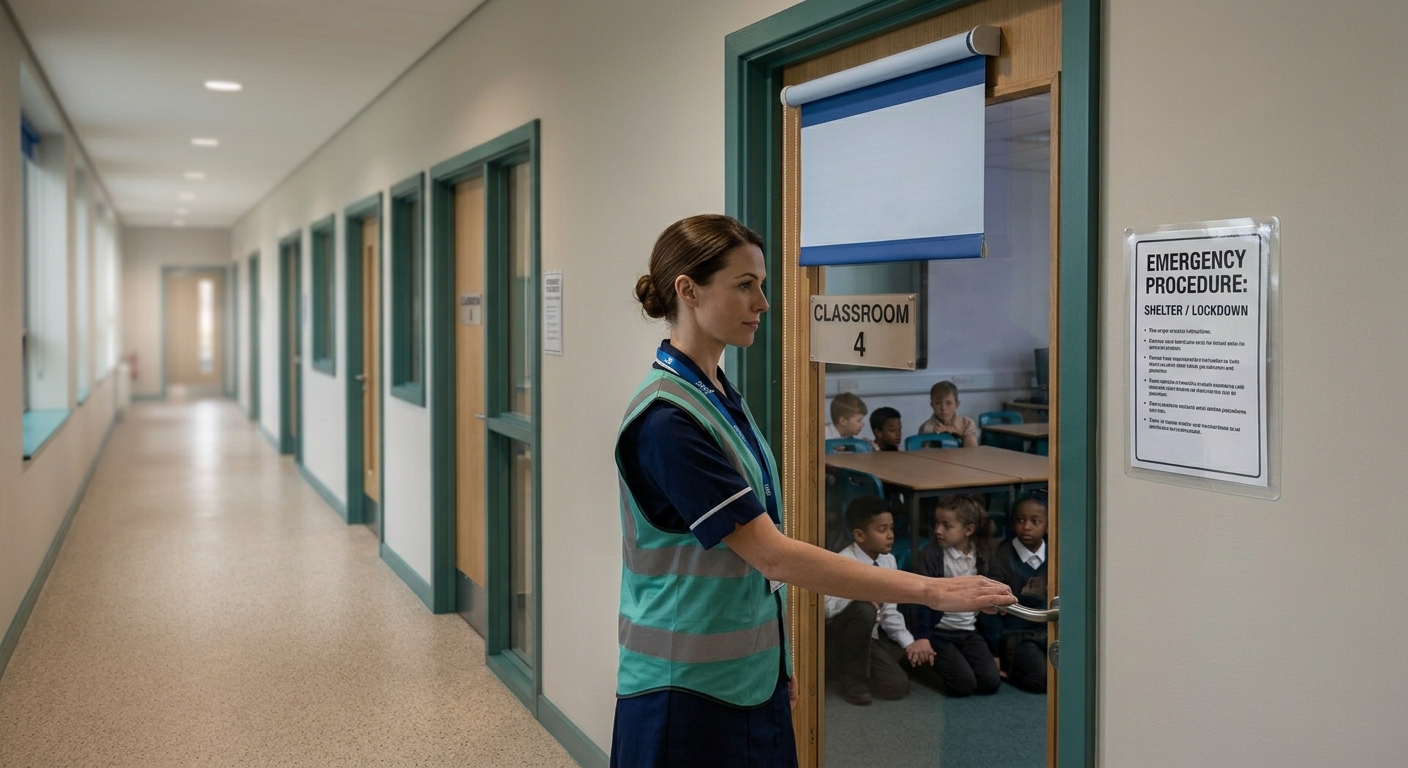
Lockdown secures a building and its occupants against a threat such as an intruder or attacker. Where possible, doors are locked or barricaded, and people move to rooms out of sight. Lights dim and phones go silent while occupants stay put until police or authorised staff confirm that it is safe.
Dynamic lockdown adapts the response as the situation changes. Teams close doors and restrict movement in the zones closest to the danger, while keeping other areas flexible. This approach helps when the threat shifts or when people in unaffected parts of the site can still leave safely.
The school lockdown procedure is the version most people know. Pupils and staff move into classrooms, secure doors, cover windows where possible, and remain quiet until an all-clear arrives. Schools rehearse the routine so that even younger pupils can follow it calmly.
Lockdown answers a threat aimed at people on site, and an outside hazard calls for invacuation.
Evacuation vs Invacuation vs Lockdown: Choosing the Right Response
Real incidents rarely arrive labelled, so the decision rests on two questions: where is the danger, and where are people safest? These pairings offer a starting point:
- Evacuation: The danger is inside the building, and the exits are clear. A fire alarm or a suspicious item in a plant room is a typical example. People gather at an outdoor assembly point.
- Invacuation: The danger is outside, or the exits are unsafe. A nearby chemical spill or a severe storm fits this category. People shelter in interior rooms away from glazing.
- Lockdown: An attacker is on site or about to enter. Occupants secure themselves in locked rooms and wait for an all-clear.
- Communication: Alerts reach staff, visitors, and the emergency services. This fourth procedure supports the other three, because none of them works if people never hear the instruction.
What Martyn's Law Requires for Invacuation
Martyn's Law honours Martyn Hett, one of the 22 people killed in the 2017 Manchester Arena attack. The Terrorism (Protection of Premises) Act 2025 received Royal Assent on 3 April 2025 and requires publicly accessible venues and events to prepare for terrorist incidents. A minimum 24-month implementation period applies, so enforcement is expected from around April 2027. The Home Office published its statutory guidance in April 2026, which gives duty-holders worked examples and decision trees.
The duties depend on size. Standard-tier premises, with an expected capacity of 200 to 799 people, must notify the Security Industry Authority and put reasonably practicable public protection procedures in place. Those procedures cover evacuation, invacuation, lockdown, and communication, and staff need to know what to do. Enhanced-tier premises and events, with an expected capacity of 800 or more, take on further duties, such as a named senior individual and a documented security plan. The standard vs enhanced tier requirements explain how to work out which tier applies.
Invacuation and lockdown tend to need fresh thinking, because standard fire safety planning rarely covers them. A venue with a polished fire evacuation plan still has work to do on shelter spaces, alert wording, and staff roles. The Security Industry Authority acts as a regulator, and how the SIA enforces compliance and issues penalties is worth understanding before a plan is drafted.
Building an Invacuation Procedure Step by Step
A clear procedure gives staff something to follow when stress is high. This sequence works for most sites:
- Name a responsible person and deputies. Someone must have the authority to call an invacuation at any hour, including when the usual manager is absent.
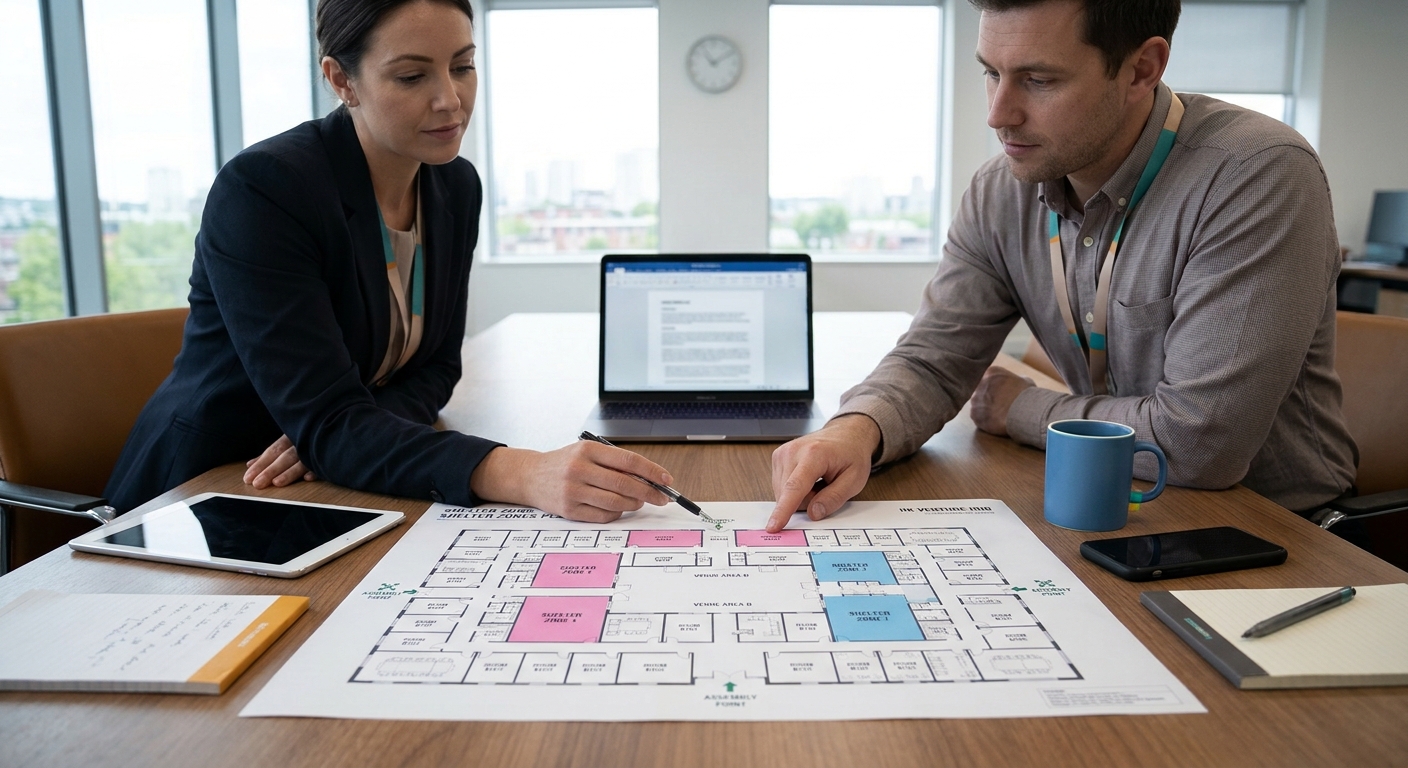
- Map the building. Mark interior rooms on each floor, note their capacity, and check that they can be reached from public areas without crossing exposed space.
- Define the triggers. List the kinds of external hazards that would prompt an invacuation, and agree who decides when conditions change.
- Write short alert wording. Short, plain phrases travel best over a public address system or a staff messaging app.
- Plan for arrival points. Reception teams and anyone handling deliveries need a clear routine for guiding visitors and couriers inside and away from entrance doors.
- Plan for people who need assistance. Consider mobility needs and sensory impairments, as well as visitors who have never seen the building before.
- Train and rehearse. Short drills reveal gaps in a way that written plans cannot, and a review after each one keeps the procedure current.
- Record and review. Keep the plan accessible to staff, and revisit it after any layout change or new tenant.
Guiding Visitors at Busy Entrances During an Invacuation

Entrances combine arriving visitors and deliveries, so they call for specific instructions. Reception staff can guide people inward and away from glass doors, while security teams hold the door area clear. Sites that receive many parcels benefit from tidy mailroom management, with scheduled courier windows and controlled access, because fewer people at the door makes moving indoors easier. A windowless post room can also double as a shelter space when it meets the criteria above.
Why Invacuation Planning Belongs in Every Site Plan
Invacuation moves people inside to safety when danger lies outside, and it complements evacuation and lockdown. Knowing where the threat sits and where people are safest guides the choice. Martyn's Law gives these procedures legal weight for qualifying venues, so a documented, rehearsed approach protects visitors and supports compliance well ahead of the expected April 2027 start.
Not sure where to start? Talk to our team. We can help you better understand Martyn’s Law.
Invacuation and Martyn's Law: Expert FAQ
What is invacuation?
Invacuation is moving people to safe interior areas of a building when the danger or hazard is outside.
How does invacuation differ from evacuation?
Invacuation shelters people inside the building when danger is outside, and evacuation moves them to an outdoor assembly point.
What is dynamic lockdown?
Dynamic lockdown is a real-time response that secures the areas nearest a threat and adjusts as events develop.
Why does Martyn's Law require invacuation procedures?
Martyn's Law requires qualifying venues to have invacuation, evacuation, lockdown and communication procedures that help staff reduce harm.
How should a site choose an invacuation space?
Choose interior rooms with solid walls, few windows, easy access from public areas, and enough floor space for nearby occupants.
Disclaimer: General Information Only
This content provides general information about invacuation, emergency procedures, and Martyn’s Law. It does not constitute legal, security, or professional advice. Requirements vary by site size, layout, and circumstances, and legislation and guidance can change. Readers should seek advice from a qualified legal or security professional and consult the latest Home Office and Security Industry Authority guidance before acting.