.svg)
What is Mailroom Automation?


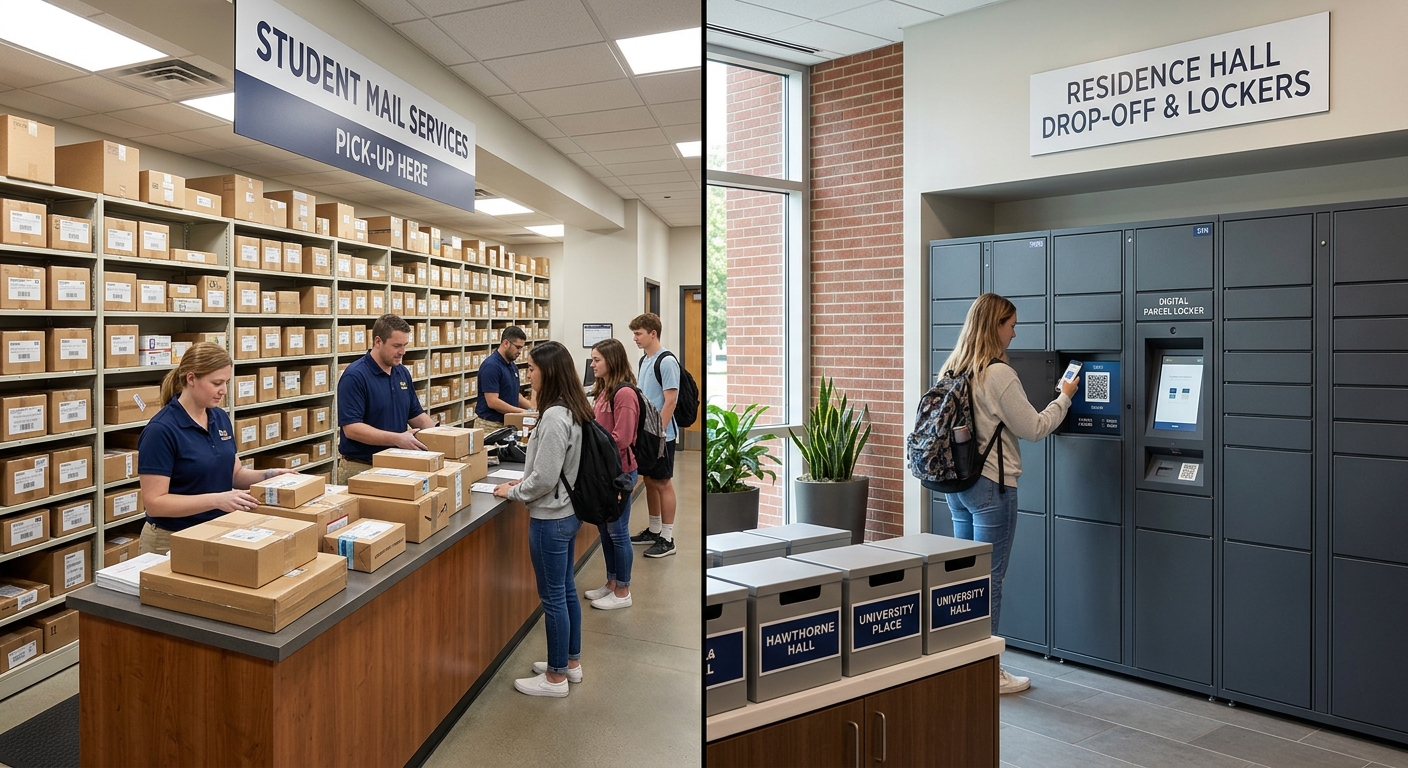
Mailroom automation is an integrated parcel management system that uses software and hardware to digitize the intake, sorting, and distribution of physical mail. By leveraging parcel tracking software, organizations establish a secure chain of custody, use automated recipient notifications, and capture digital proof of delivery, reducing manual errors and labor costs.
Mechanics of a Modern Parcel Management System
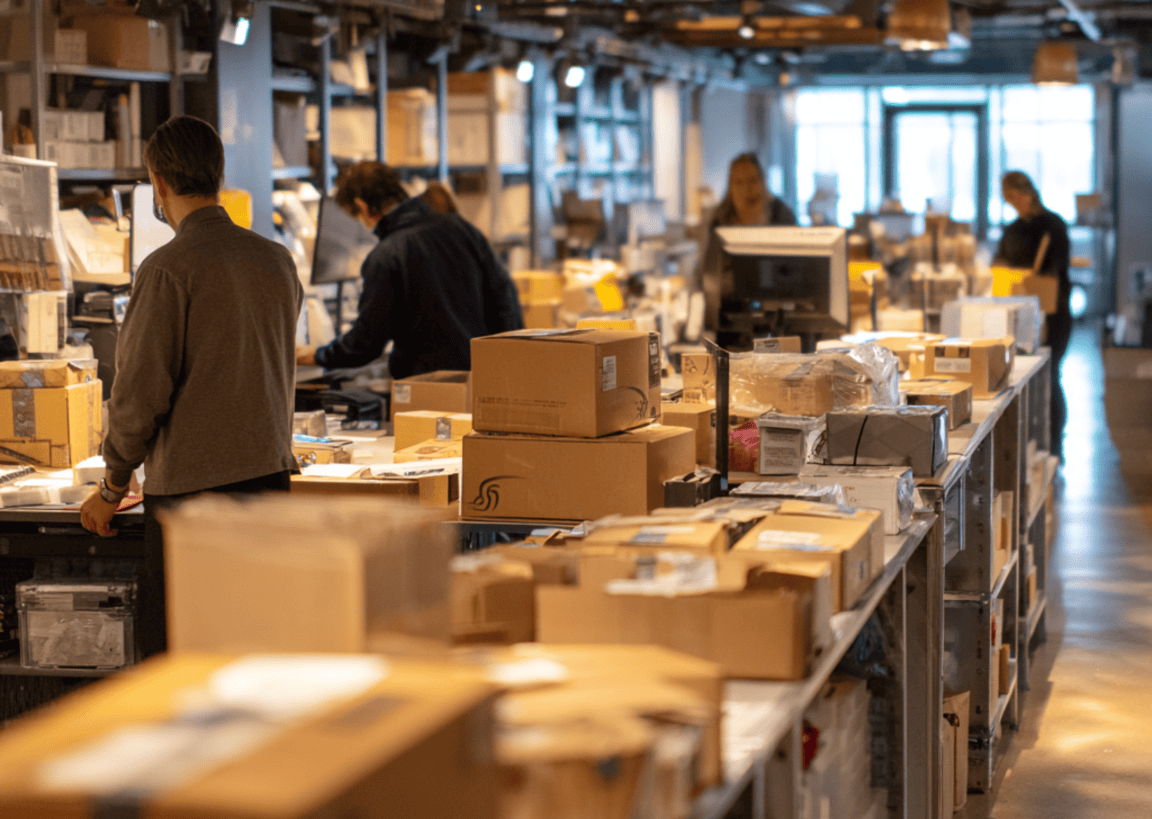
The shift from a traditional mailroom to an automated one is fundamentally about building a "physical-to-digital" bridge. When businesses integrate smart technology at the point of entry, they effectively transform a chaotic loading dock into a streamlined data hub.
One of the core drivers of this shift is Intelligent Data Capture. Modern systems use AI-powered OCR (Optical Character Recognition) to achieve over 99% accuracy in document classification. This technology doesn't just "see" shapes, but it also understands context. This allows it to distinguish among urgent legal notices, invoices, and personal mail, even when labels are smudged or written in cursive.
More than just simple scanning, mailroom automation focuses on three critical pillars:
- Searchable Chain of Custody: Moving from gate-to-desk visibility to a permanent, digital audit trail. This is vital for industries such as healthcare and law, where missing documents can lead to severe compliance violations.
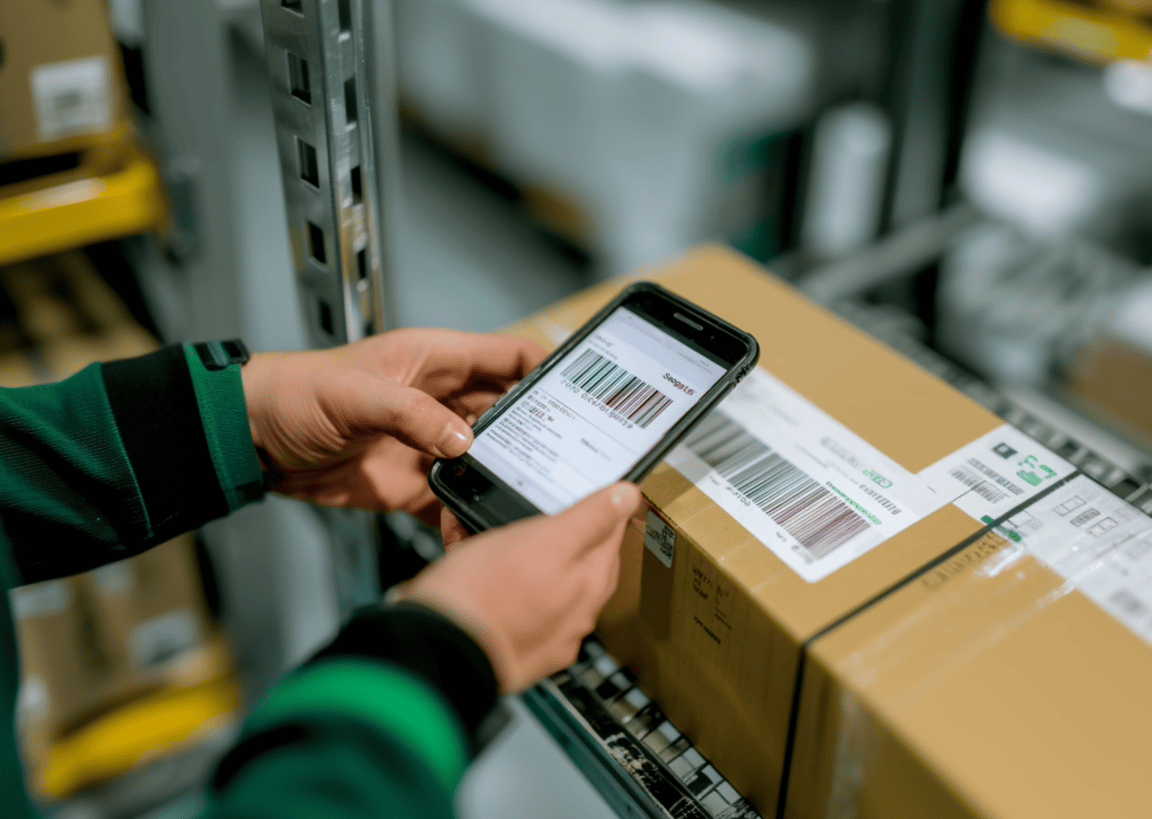
- Mobile-First Intake: Modern rooms are ditching desktop-bound scanners. The best package tracking app features allow staff to use mobile devices for rapid barcode scanning and photo capture on the go.
- Digital Integration: Direct synchronization with ERP and CRM systems ensures that email data is accessible to the right departments instantly, rather than sitting in a physical inbox.
Efficiency Proven by Data
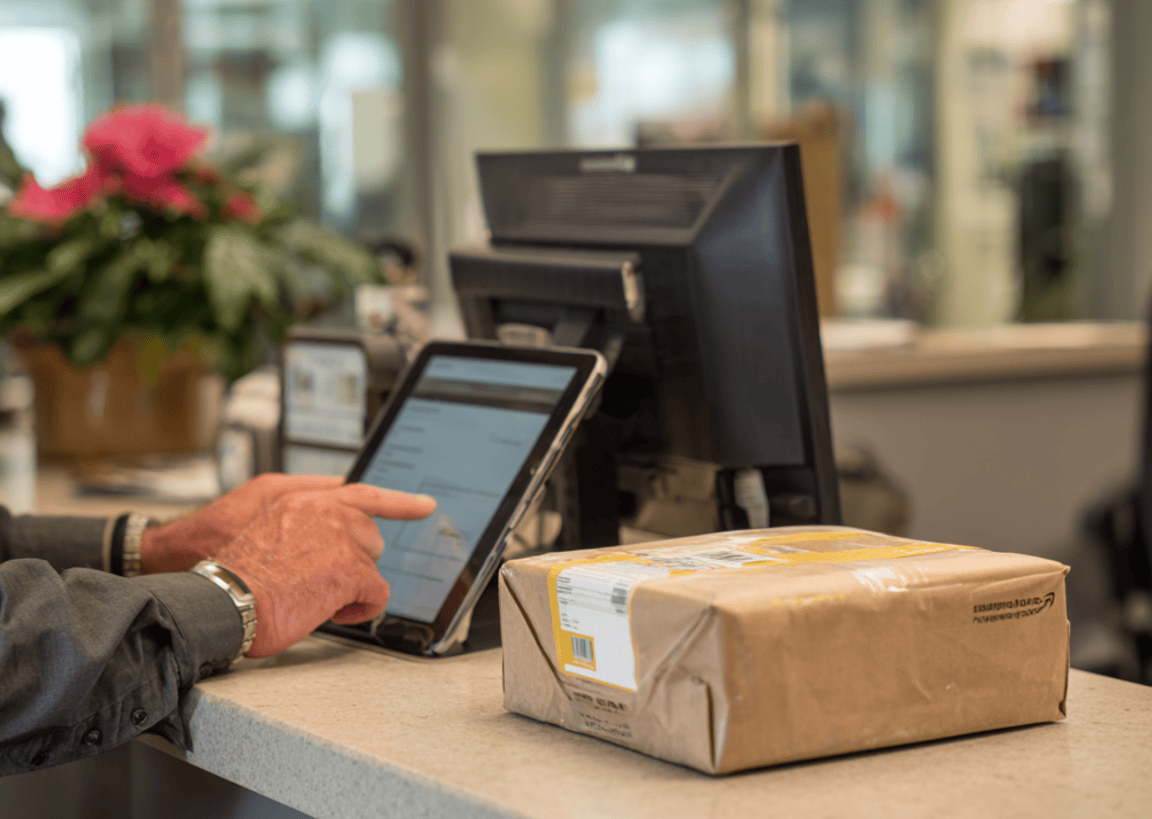
Automation is a necessity as parcel delivery continues to skyrocket. Organizations are facing problems of rising delivery volumes and shrinking administrative budgets, which modern tools can address.
- Reduction in Processing Time: AI-driven systems process mail roughly 60% faster than manual methods, clearing hours of backlog in minutes.
- Lower Operational Costs: According to the Association for Intelligent Information Management (AIIM), transitioning to digital mailrooms can reduce manual costs by 60% through labor and storage reduction.
- Fewer Inquiries: By utilizing automatic recipient notification, businesses deflect the majority of "Where is my package?" (WISMO) requests, as recipients receive instant alerts via Slack or SMS.
This level of efficiency is the only way to handle the upcoming surge. Global parcel volume is projected to reach 200 billion annually by 2030, making manual sorting physically impossible for large-scale enterprises.
Bridging the Gap: The Transition to High-Value Tasks
The value of automation lies in human potential. When machines handle the busy work, people can handle the strategy work. This pivot is essential to modern employee retention. Staff members are far more engaged when they serve as logistics coordinators rather than manual data-entry clerks.
Furthermore, automation provides a level of security that paper logs cannot match. In 2026, digital signatures and photo evidence have become the gold standard for internal audits. This ensures that every high-value asset has a verified proof of delivery, protecting the company from liability and loss while maintaining a bulletproof chain of custody.
Mailroom Technology in 2026 and Beyond

Intelligent logistics, where the mailroom predicts your needs before you express them, is becoming the norm. The market is already reflecting this evolution, with the mailroom automation sector projected to reach USD 6.0 billion by 2033.
What does the next decade look like?
- Agentic AI Workflows: These are "thinking" systems that can autonomously reroute mail based on HR data. For example, if an employee is marked as "remote" for the week, the system can automatically suggest a home-delivery redirect or a digital scan-to-PDF option.
- The "Phygital" Experience: Recipients will receive "digital twins" of their packages in their mobile wallets, allowing them to track, insure, or redirect a physical item with the same ease as a digital file.
- Predictive Logistics: Using historical data to anticipate holiday surges, allowing facility managers to optimize staffing levels before the rush hits. Online backup services ensure your critical data is securely stored and quickly recoverable, helping you maintain smooth operations even during peak periods.
How Can Your Mailroom Catch Up?

Manual mailrooms are becoming operational bottlenecks that prevent organizations from scaling. Transitioning to a modern parcel management system is no longer just about mail; it is the foundational step in creating a smart, efficient mailroom.
By adopting these modern tools, you are providing a premium, transparent experience for your team, tenants, and/or residents. Effective parcel tracking software ensures that the last yard of delivery is as efficient and secure as the first mile.
Ready to modernize? To eliminate the chaos of manual sorting and ensure a secure, automated experience for your team, consider exploring a professional mailroom management software like Parcel Tracker to future-proof your operations.


.svg)