
.svg)
What is Predictive Pickup?


Predictive pickup is an AI-driven logistics feature that uses historical data, recipient habits, and real-time variables to forecast exactly when a package will be collected. This modern process enables moving from reactive storage to proactive management. It empowers mailrooms to optimize shelf space, reduce congestion, and automate personalized pickup reminders before a bottleneck occurs.

Proactive Mailroom Management
For years, logistics managers have dealt with tons of visibility problems in the mailroom. Traditional mailrooms are excellent at logging when a package arrives, but they have no idea when it will leave. This lack of visibility creates a reactive environment where staff are constantly playing catch-up.
This uncertainty carries a heavy price tag. On average, stale packages (items sitting uncollected for three or more days) can consume up to 30% of available mailroom square footage.
As we move forward, we are seeing a step towards predictive intelligence in modern mailroom management. This will replace static tracking as the primary goal for logistics managers. It is no longer enough to know where a package is. You need to know how long it will stay there.
How AI Predicts Human Behavior?
How can a mailroom software system know when a person is going to walk through the door? It comes down to the logic of machine learning and data integration. To provide accurate forecasts, the system analyzes three core layers:

- Historical Collection Patterns: AI identifies individual routines. It recognizes that Tenant A typically stops by after work at 5:30 PM, while Tenant B prefers collecting items during their lunch break at 12:15 PM.
- Category-Based Urgency: Not all packages are created equal. AI models for perishable logistics indicate that "Perishables" or "Medicine" have a higher probability of being picked up within 2 hours than general apparel.
- External Variable Integration: The intelligence is not limited to historical data. It adjusts for real-world context, such as Friday afternoon "early exits" or inclement weather that might prevent foot traffic.
3 Strategic Benefits of Implementing Predictive Pickup
Integrating predictive analytics into your parcel management workflow offers sophisticated data and transforms your physical operations.
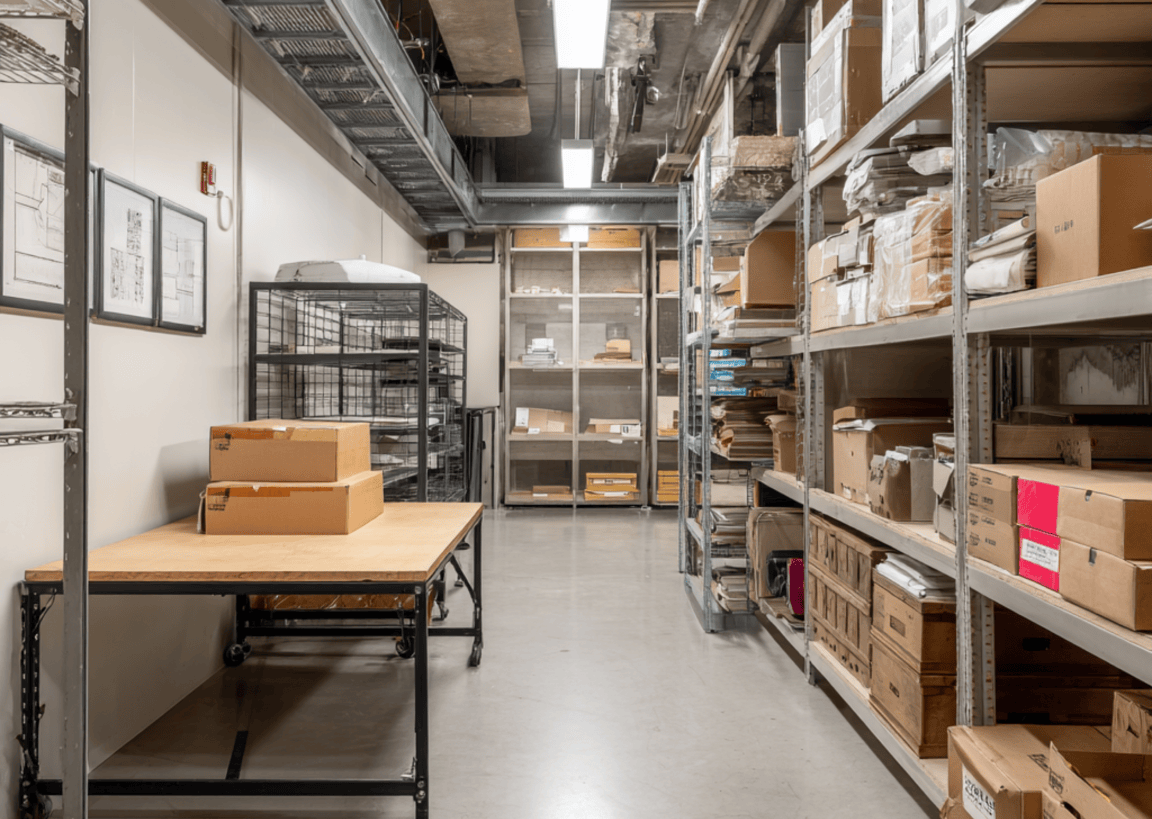
- Dynamic Heat-Mapping: You can organize your room based on probability. Place "High-Probability" packages in "Hot Zones" (waist-level, near the exit) and relegate "Low-Probability" items to long-term storage areas.
- Data-Driven Staffing: Instead of guessing when you will be busy, use predictive surges to schedule more staff at the desk before the 5:00 PM rush begins.
- WISMO Reduction: "Where Is My Order" (WISMO) inquiries can be reduced through automated and proactive updates.
Managing a "Predicted Surge"
How does this look in practice? Here is a typical workflow for a mailroom utilizing predictive intelligence:
- Analyze the Morning Forecast: Start the day by reviewing the dashboard to see the "Predicted Pickup Volume" for the next eight hours.
- Prioritize the Intake: As packages arrive, scan them and follow the app’s "Smart Slotting" suggestions based on predicted shelf life.
- Execute "Nudge" Notifications: If the system sees a recipient who usually picks up by 10:00 AM has not arrived, it can send an automated and friendly reminder.
- Pre-Stage Deliveries: For high-volume corporate settings, staff can gather all "Hot Zone" packages onto a single cart for a synchronized 5:00 PM distribution run.

ROI of Predictive Logistics
AI-driven logistics is a measurable win for property managers and logistics leads. By leveraging predictive data, facilities can achieve space-optimization levels previously considered impossible. According to industry benchmarks in smart building efficiency, predictive modeling can increase total mailroom capacity by up to 25% without the need for costly physical expansions.
This efficiency extends directly to the workforce. Labor Efficiency sees a dramatic boost as staff spend 40% less time searching for misplaced or stale items thanks to optimized and probability-based shelving. By organizing the mailroom based on when items are likely to leave, teams can process higher volumes with fewer manual touches.
Beyond internal metrics, there is a significant impact on brand loyalty. Modern consumers have higher expectations than ever, with market research indicating that 87% of recipients consider real-time transparency and accurate pickup windows as a primary factor in their overall service satisfaction.
Ready for the 200 Billion Parcel Era?

In a world rapidly approaching a volume of 200 billion annual parcels, guessing is no longer a viable business strategy. To stay ahead of this spike, mailrooms must evolve from simple holding pens into intelligent distribution hubs.
To start using any intelligent form of analytics in your mailroom and improve your operations, explore how Parcel Tracker records raw data, which you turn into actionable pickup forecasts.


.svg)

