
.svg)
What is Staging Area/Dock Management (in Mailroom)?

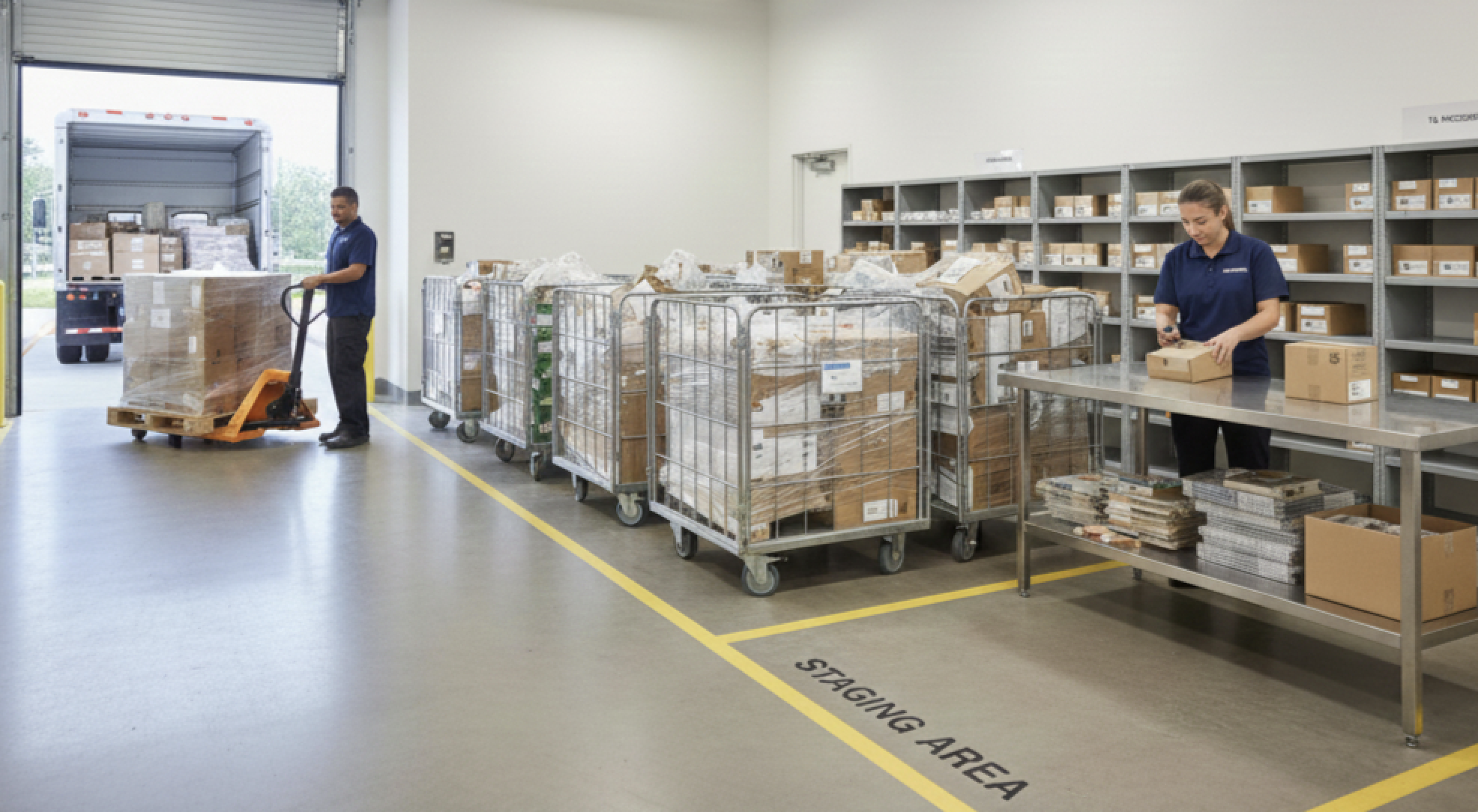
The modern mailroom has become a busy hub of parcel management, where packages and freight flow in and out constantly. If this flow isn't managed correctly, the whole organization slows down.
The Staging Area/Dock Management process is the critical first step that defines how your facility handles large, bulk shipments and deliveries. Learning about this process is essential for ensuring security, boosting efficiency, and preventing crippling bottlenecks in your business.
The Staging Area Defined: Space and Control
The staging area is a dedicated space and workflow designed to manage the crucial moment when external deliveries become internal property.
1. The Physical Space
Physically, the staging area is a secure zone right next to the delivery dock or entrance. It's a space that must have:
- Security: Limited access for authorized mailroom staff only.
- Capacity: Enough room for handling and temporarily holding large items like pallets and roll cages.
- Tools: Necessary equipment, such as pallet jacks and scales.
2. Its Function
The staging area works as a buffer (or safe holding spot) between the outside world, represented by the delivery carrier, and your internal mailroom. It provides the necessary time and space to inspect, verify, and log shipments safely and systematically before they officially enter your building's distribution network. This control minimizes risk and ensures the integrity of everything you receive.
The Incoming Package Process
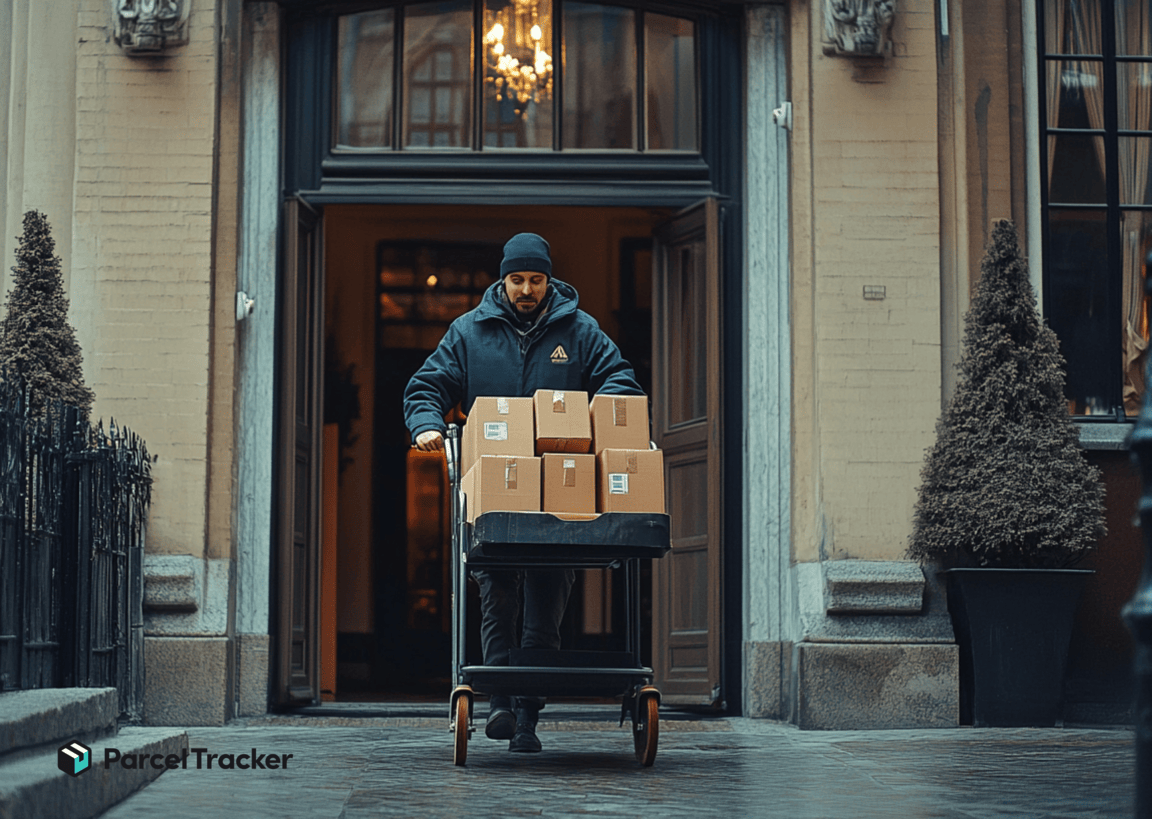
The most crucial function of the staging area is managing the high-volume flow of incoming packages.
1. Receiving and Verification
The process begins as soon as a carrier arrives:
- Carrier Check-in: Mailroom staff must document the delivery, noting the carrier name and checking the delivery manifest (the carrier’s list of shipments) against what is physically being dropped off.
- Unloading and Inspection: Shipments are safely moved into the staging area. It is essential to quickly inspect for any visible damage or signs of tampering before signing the carrier’s paperwork. Signing prematurely transfers legal responsibility to your organization, complicating potential damage claims later.
2. Initial Staging and Breakdown
Once accepted and secured, the bulk shipment is prepared for internal processing:
- Consolidation: Shipments are organized into designated staging spots, perhaps grouped by priority or by the department they are headed to.
- De-Bulking: Staff carefully break down large pallets or crates into individual parcels. This transitions the shipment from a single bulk item into many manageable individual tracking items.
3. Logging, Tracking, and Security
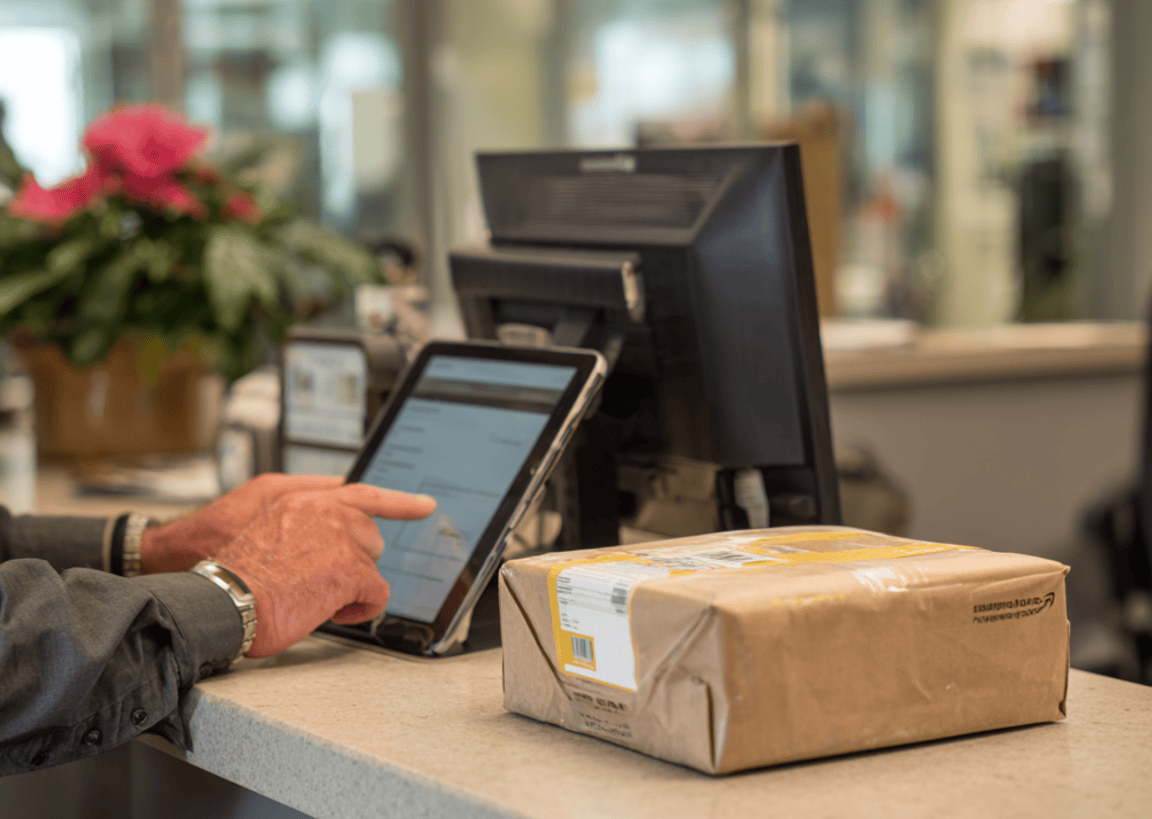
This is the most important step, establishing your internal chain of custody:
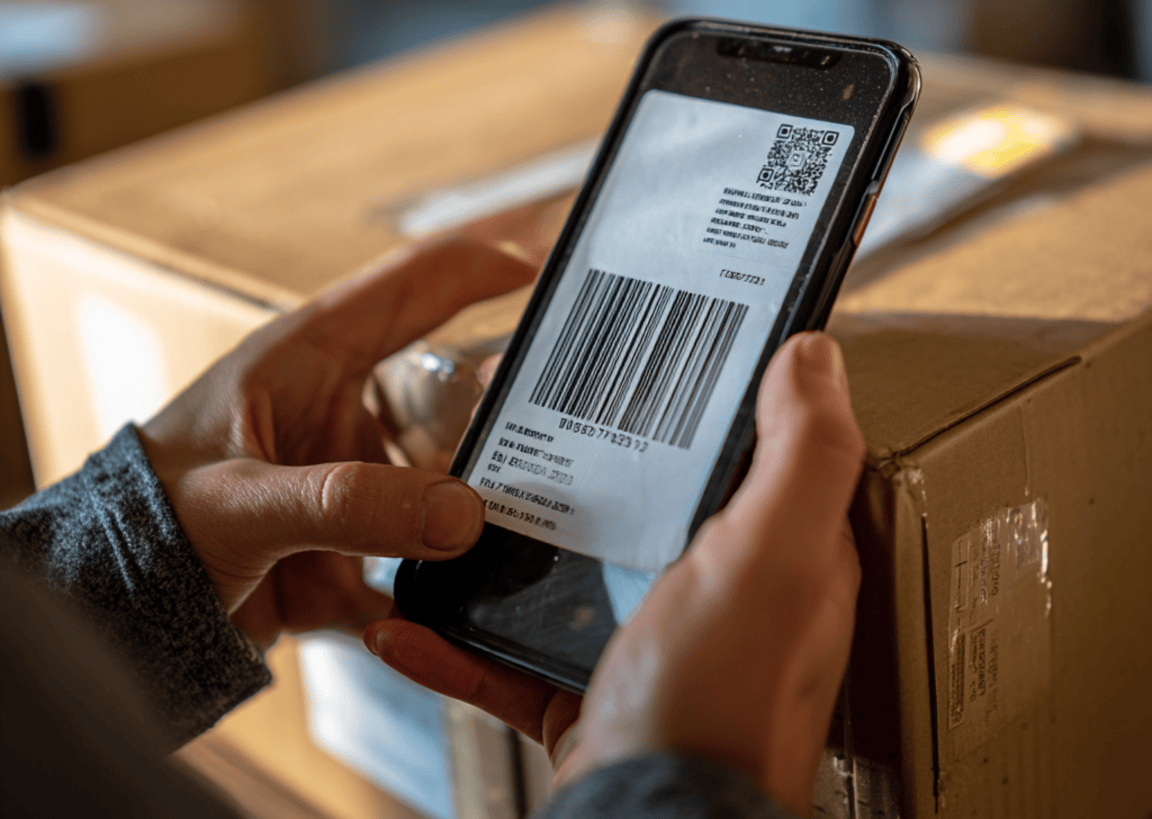
- Scanning and Logging: Each individual parcel is scanned and logged into your organization's tracking system. This step is non-negotiable and must capture the external carrier tracking number, the recipient's name, and the exact date and time of receipt.
- Official Acceptance: By scanning, the mailroom officially accepts responsibility. This date and time stamp is crucial for security audits and resolving recipient inquiries.
- Temporary Hold: Items remain staged here briefly while they await the next step: final sorting and preparation for internal delivery runs.
Managing Outgoing Shipments
The staging area has a simpler but equally important function for outbound logistics. It serves as the designated spot where mailroom staff place packages ready for pickup. A smooth, outgoing process ensures items are correctly packaged, labeled, and grouped by carrier to guarantee timely dispatch and fast pickup.
Why Excellent Management Matters?
For business decision-makers, a well-managed staging area translates directly into operational and financial benefits:
- Increased Efficiency: Proper staging prevents the delivery dock from becoming congested, ensuring smooth turnover for all subsequent deliveries. This eliminates the single largest cause of mailroom backlog.
- Enhanced Security: By quickly moving items from the vulnerable exterior dock to a secure staging area, you drastically reduce opportunities for package theft and loss.
- Clear Accountability: Every package has a clear, recorded timestamp for when it entered your facility, providing an auditable trail that saves time and resources when investigating missing items.
Controlling Your Internal Logistics Flow
The Staging Area/Dock is the vital gateway of your internal logistics system. Establishing clear, efficient, and secure workflows for receiving and logging is fundamental to running a modern, high-performing mailroom.
However, managing today's high parcel volumes with manual processes is slow and error-prone. To gain control and maximize the efficiency of your staging process, you need powerful tools.
Modern mailroom management software provides the necessary structure for rapid logging, secure tracking, and maintaining a complete, auditable chain of custody. By bringing smart technology to the dock, you can ensure packages move through your organization flawlessly, keeping business operations fast and secure. Learn how automated mailroom solutions can streamline your receiving and staging operations.


.svg)

