
.svg)
What Is the Cost Difference Between Dedicated Hardware Scanners and Smartphone Apps?

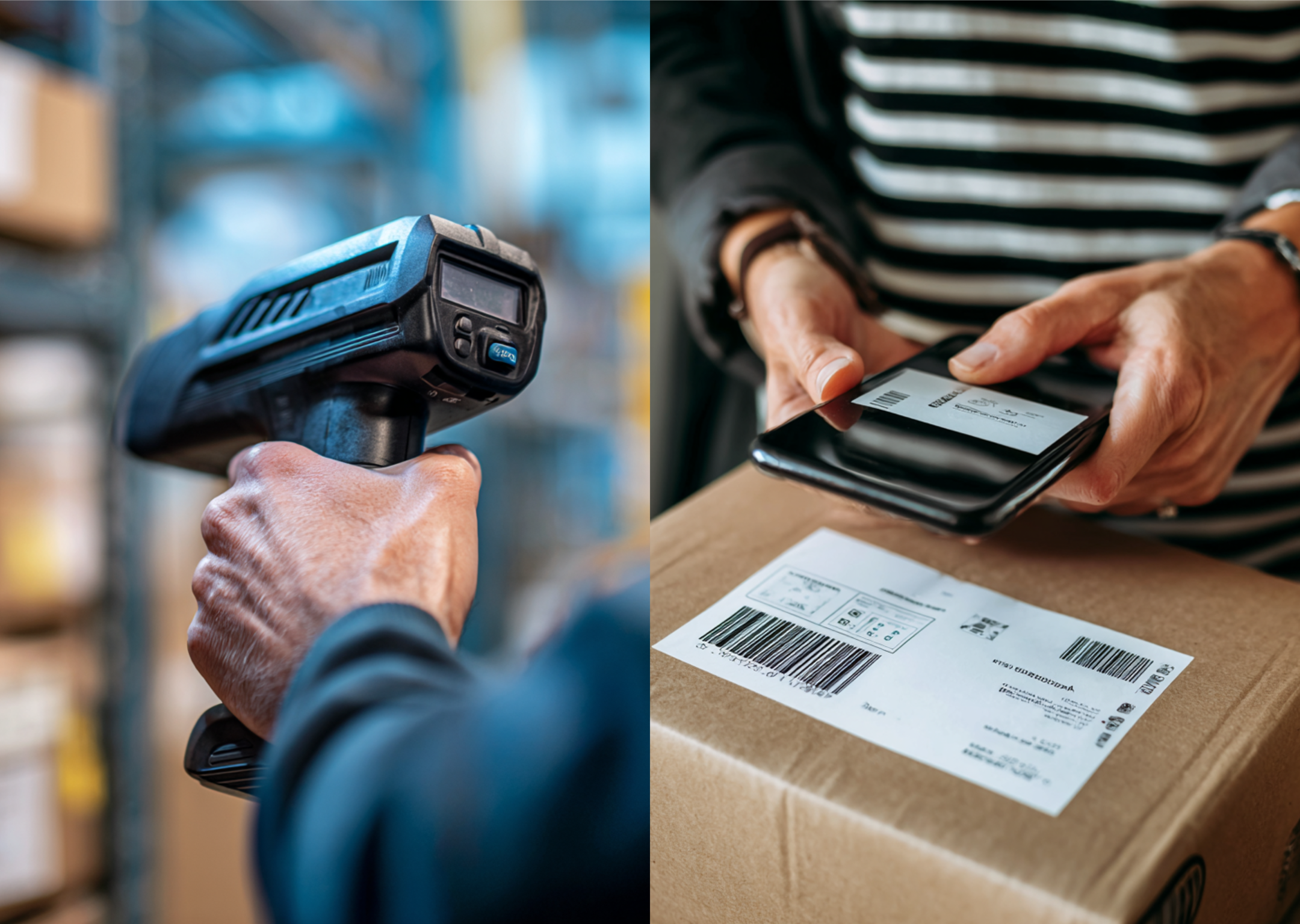
Modern logistics is experiencing a significant shift away from single-purpose hardware toward flexible mobile ecosystems. For years, traditional ruggedized handheld scanners were the undisputed standard for tracking inventory, assets, and incoming packages. Today, advanced mobile software allows standard smartphones to match or exceed the performance of those legacy devices.
For operations managers, choosing between these two approaches is rarely a question of basic functionality. Instead, the decision hinges on financial sustainability. A comprehensive breakdown of the Total Cost of Ownership (TCO) reveals how both options impact initial budgets and long-term scaling strategy.
Hardware vs. App: Upfront Capital Expenditures (CapEx)

Procuring dedicated handheld scanners requires a substantial initial capital investment. Legacy ruggedized devices are specialized assets with high individual unit costs. Beyond the scanners themselves, organizations must purchase proprietary accessories, including multi-slot docking stations, bulk charging cradles, and specialized holsters. This creates a high barrier to entry and concentrates significant capital into rigid hardware infrastructure.
Smartphone software solutions radically alter this initial financial requirement. Instead of purchasing specialized tracking assets, operations can deploy internal scanning applications onto existing corporate mobile fleets or lower-cost commercial smartphones. By leveraging standard consumer or enterprise mobile devices, organizations dramatically lower their initial hardware acquisition budgets and preserve capital for other strategic growth areas.
Long-Term Maintenance and Device Replacement Costs
Proponents of dedicated handheld scanners frequently highlight the structural durability and longevity of rugged hardware. These units are built to withstand harsh environments and repetitive drops. However, when these devices inevitably malfunction or break, the financial reality shifts.
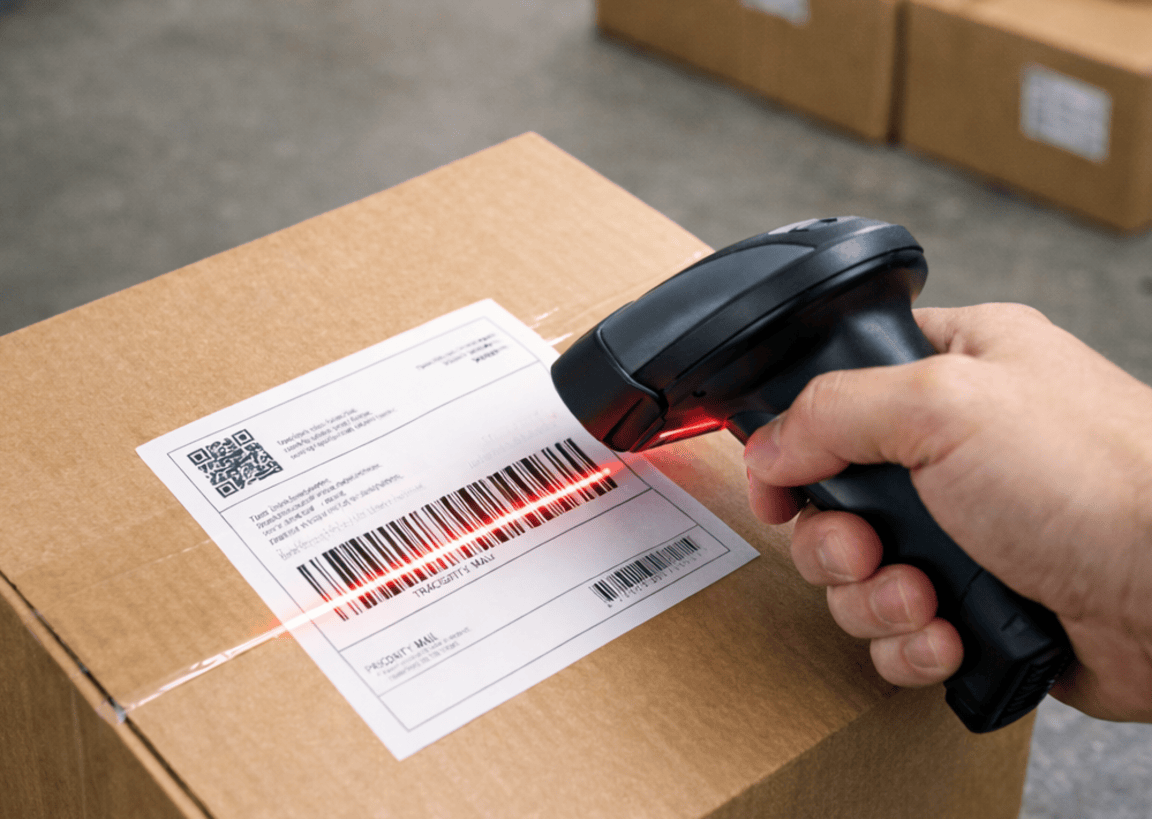
Proprietary equipment requires specialized manufacturer repair contracts, and replacement parts carry a premium price tag. Keeping a buffer fleet of spare hardware scanners adds another layer of ongoing asset expense.
Mobile devices running software applications operate on a different lifecycle. While commercial smartphones may experience a higher frequency of screen damage or minor wear in intense environments, the cost to remedy these issues is remarkably low.
Organizations benefit from affordable, off-the-shelf device replacements and ubiquitous, local repair options. Rather than waiting weeks for a manufacturer depot repair, a broken smartphone can be replaced or serviced almost instantly at a fraction of the price.
Recurring Software Licensing and Ecosystem Expenses
The financial commitment to dedicated hardware scanners does not end at the point of purchase. Legacy systems often rely on proprietary scan engines and specialized warehouse management software.
Maintaining these systems involves ongoing fees for firmware updates, security patches, and localized software maintenance. Upgrading these systems down the line frequently requires expensive manual interventions or mandatory hardware updates.
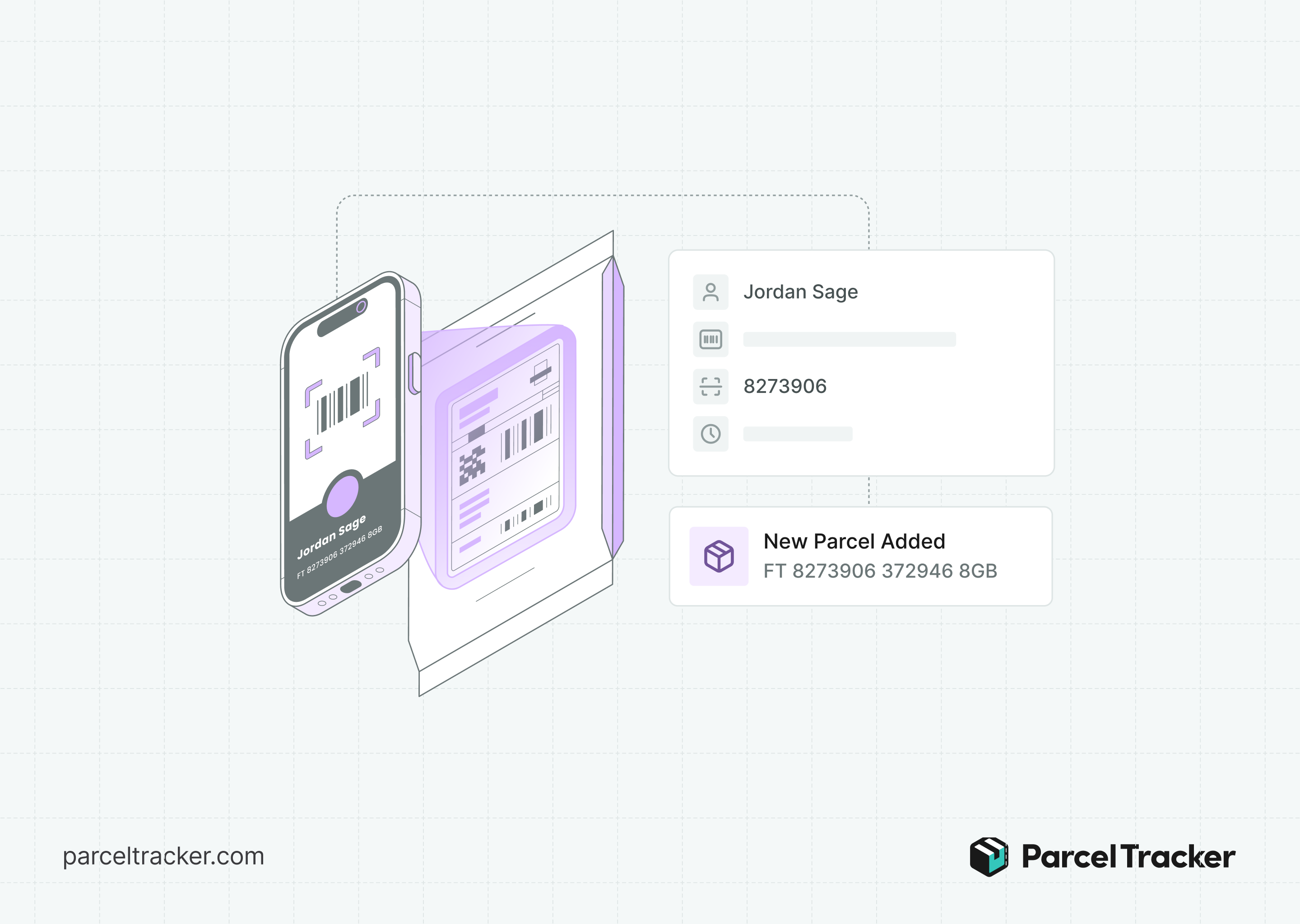
Software-as-a-Service (SaaS) mobile applications utilize a highly predictable subscription model. Expenses scale symmetrically with actual user volume, allowing operations to pay only for the active capacity they need.
Furthermore, cloud-based applications receive automatic, over-the-air updates. This ensures that the scanning infrastructure always possesses the latest features, security protocols, and performance enhancements without demanding additional IT labor or maintenance fees.
Total Cost of Ownership (TCO) Realities
When evaluating a three-year budget projection, the financial divergence between the two strategies becomes stark. Dedicated hardware carries a heavy upfront acquisition expense combined with rigid, specialized service agreements that penalize organizational scaling.
Conversely, smartphone scanning models shift corporate expenses away from heavy capital outlays and toward predictable, scalable subscription fees with minimal asset overhead. The agility to add or remove software seats on demand ensures that the organization remains lean, adaptable, and highly cost-efficient.
Modernized internal distribution systems rely heavily on streamlined digital tracking to maximize these resource allocations. For facilities looking to establish a clear framework for handling incoming items, defining a clear approach to mailroom management can prevent administrative bottlenecks. Similarly, optimizing your internal parcel management workflows ensures that end-to-end chain of custody remains intact.
Choosing the Right Scanning Infrastructure for Your Organization
Selecting the ideal scanning infrastructure requires matching your actual volume, environment, and growth projections with the corresponding technology budget. While extreme industrial environments might occasionally justify heavy hardware, modern enterprise environments benefit immensely from the agility of mobile software.
For precise parcel logging and internal logistics, implementing an agile system like Parcel Tracker optimizes daily workflows and keeps software expenses highly predictable. Transitioning to a mobile-first approach ensures that your organization stays efficient, scalable, and financially optimized.
Expert FAQ
What is the primary cost difference between dedicated hardware scanners and smartphone apps?
Dedicated hardware requires high upfront capital expenditure, whereas smartphone applications utilize affordable, scalable software subscription models.
How does maintenance spending vary between ruggedized scanners and mobile software?
Rugged devices command expensive proprietary repair contracts, while smartphones rely on cheap, ubiquitous retail parts and standard coverage.
Why do logistics companies transition from traditional handhelds to scanning applications?
Businesses adopt mobile applications to lower initial asset procurement costs and benefit from automated cloud software updates.
What are the recurring expenses associated with corporate smartphone scanning?
Organizations pay predictable monthly or annual software licensing fees per user, eliminating hardware maintenance service packages.
How can mailroom management software reduce total cost of ownership?
Using existing mobile hardware with specialized applications minimizes infrastructure investments while increasing package processing efficiency.


.svg)

