.svg)
What is the Role of a Mailroom Manager?


A mailroom manager is the primary architect of a facility's inbound logistics, responsible for the lifecycle of every item entering or leaving the premises. As e-commerce and hybrid work models increase delivery volumes, this role has shifted from a back-room clerical task to a high-stakes, tech-driven parcel management hub essential for operational security.
What Are the Core Responsibilities of a Mailroom Manager?

The modern mailroom manager does far more than sort envelopes. They oversee a complex internal ecosystem:
- Inbound Logistics Protocols: Establishing rigorous systems for receiving, logging, and distributing sensitive documents and high-value assets.
- Carrier & Vendor Relations: Negotiating service levels with providers like FedEx and UPS to optimize pickup windows and shipping costs.
- Operational Budgeting: Tracking metrics like cost-per-piece and forecasting seasonal volume spikes to ensure staffing levels remain adequate.
- Security & Risk Mitigation: Implementing screening protocols and digital chain-of-custody logs to protect the building from external threats.
Expert Insight: Efficiency gains are measurable; for instance, Grand Concierge achieved a 50% increase in parcel processing speed by digitizing these workflows.
How Do Mailroom Managers Collaborate with Other Departments?

A mailroom manager acts as a bridge between various departments to maintain facility flow:
- Property Management: Designing dock-to-desk workflows that prevent corridor congestion and elevator bottlenecks during peak hours.
- IT & Digital Transformation: Partnering with IT to implement mailroom automation software, such as scanning physical mail into searchable digital formats for remote staff.
- Facilities & HR: Streamlining the retrieval of company hardware (laptops/keys) from departing staff to ensure total asset recovery.
What Skills Are Required for Effective Parcel Management?
To excel in parcel management today, managers need a blend of logistical expertise and technical agility:
- Data Literacy: Analyzing logistics data to identify delivery delays or high-traffic choke points. For example, AXO Student Living used data-driven tracking to cut parcel processing time by 80%, reducing it from hours of manual entry to just minutes.
- Technical Agility: Mastery of modern parcel management software, handheld scanning devices, and smart locker integrations.
- Crisis Management: Resolving missing package inquiries with professional composure using instant, searchable digital records.
Why Is Mailroom Management Technology Essential for Efficiency?
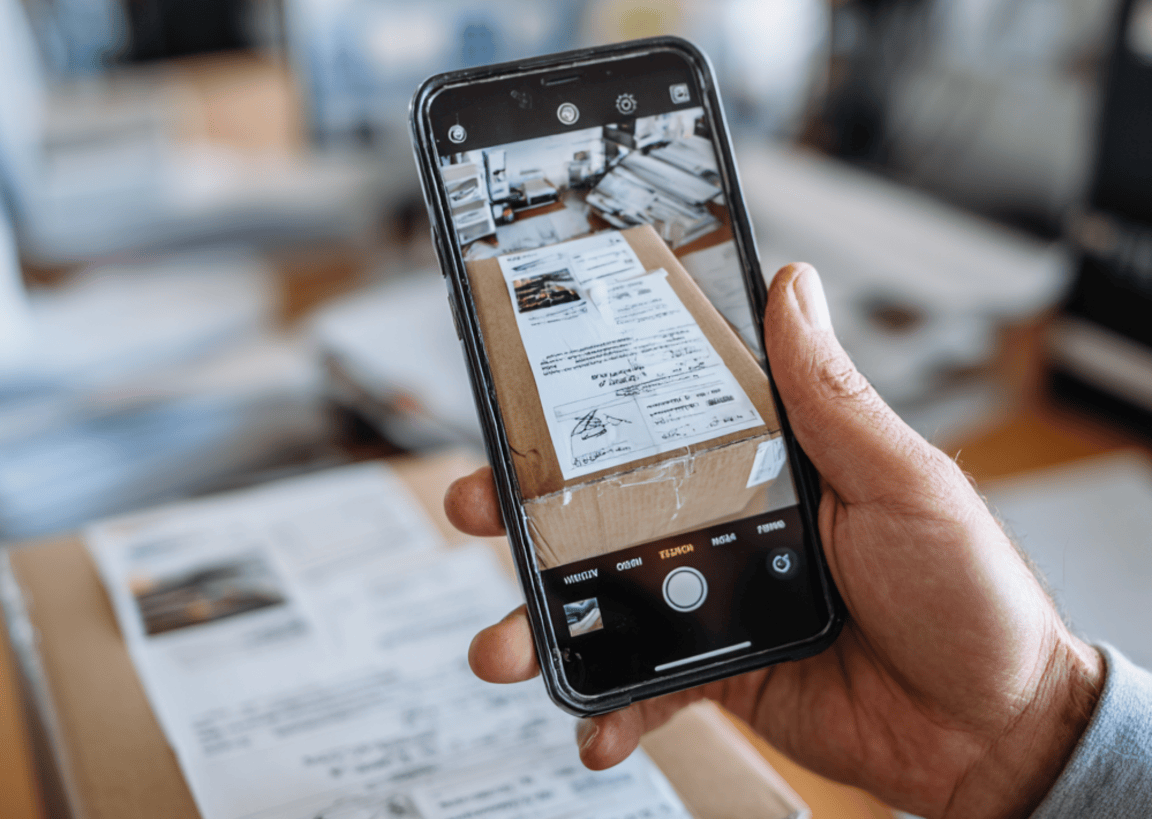
The biggest challenge in mailroom management is the blind spots created by manual paper logs, which lead to tenant frustration and zero accountability. Automation via OCR (Optical Character Recognition) allows managers to instantly log packages via smartphone, ensuring 100% visibility from the loading dock to the final recipient.
How Is the Mailroom Manager Role Evolving?

The mailroom manager is the heartbeat of a building's daily operations, evolving from a simple distribution point into a strategic center for inbound logistics. As workplace environments become more complex and package volumes continue to climb, the manager’s ability to maintain a frictionless flow of goods is what keeps a business running smoothly. Without a dedicated professional at the helm, facilities often fall victim to asset loss, security breaches, and massive logistical bottlenecks that frustrate staff and tenants alike.
To move beyond the chaos of manual logs and error-prone paper trails, modern managers must embrace digital transformation. Adopting internal parcel tracking and specialized mailroom management software, such as Parcel Tracker, is essential for success. By integrating these tools, mailroom managers can ensure 100% accountability, provide real-time updates to recipients, and reclaim hours of lost productivity every single day.
Expert FAQ
What is a mailroom manager?
A mailroom manager is a professional responsible for overseeing the receiving, sorting, and distribution of all incoming and outgoing mail and parcels within a facility.
How does a mailroom manager improve security?
They improve security by implementing digital chain-of-custody logs, package screening, and secure collection methods to prevent theft or the entry of hazardous materials.
Why is mailroom management software necessary?
Software is essential because it automates manual logging, uses OCR for rapid entry, sends instant notifications, and provides a searchable audit trail for all deliveries.
What skills are needed for modern parcel management?
Essential skills include technical proficiency with logistics software, data analysis to optimize workflows, vendor negotiation, and high-level organizational abilities.
How does mailroom management impact property management?
Effective management prevents lobby clutter and elevator congestion, ensuring the physical workspace remains organized and that tenants receive their items promptly.


.svg)