.svg)
5 Compliance Standards of a Robust Mailroom Software


A compliant mailroom software is a digital platform that secures incoming package data, tracks internal custody chains, and protects recipient personal information according to national and international legal frameworks. This software digitizes logging to minimize data exposure. Effective mailroom management relies on these digital foundations to replace vulnerable manual processes.
Why Does Mailroom Compliance Matter?

Corporate compliance failures introduce steep operational hazards. Manual logbooks allow unauthorized personnel to view recipient names, tracking numbers, and package origins. Utilizing unencrypted systems exposes organizations to severe data breaches and significant regulatory penalties. Conversely, utilizing a secure platform preserves the integrity of internal logistics and protects corporate liability. Maintaining a rigorous mailroom compliance and chain of custody ensures that every item remains accounted for from dock to desk.
5 Compliance Standards of a Robust Mailroom Software
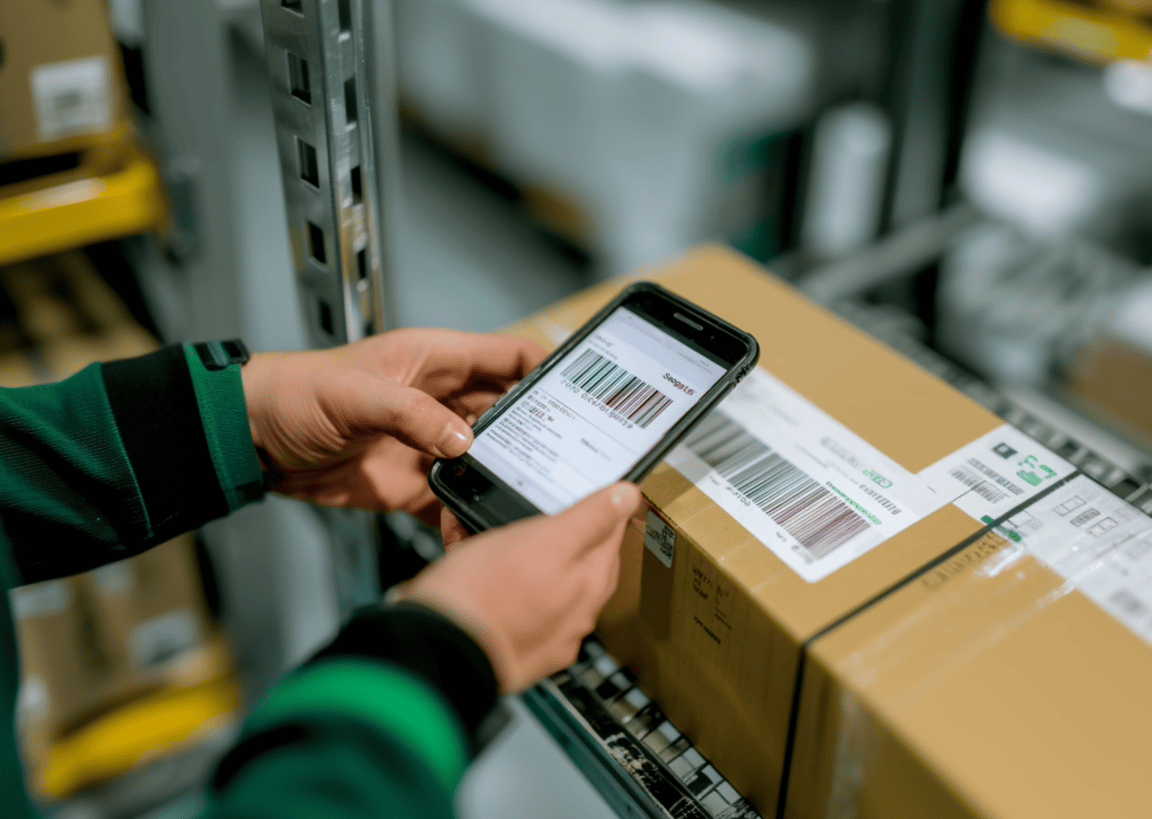
Selecting a mailroom platform requires verifying specific technical certifications and operational protocols that protect corporate interests. The following five standards represent the industry benchmarks for security, privacy, and legal accountability in modern parcel handling.
1. Does the Software Hold a Verified ISO 27001 Certification?
Enterprise-grade mailroom systems manage hundreds of physical assets containing sensitive corporate data daily. Adhering to the ISO 27001 standard confirms that a software vendor maintains an independently audited Information Security Management System (ISMS).
A compliant framework protects user files by mandating advanced encryption. It secures data in transit via Transport Layer Security (TLS 1.2 or higher) and safeguards data at rest using Advanced Encryption Standard (AES-256) keys. Regular external audits ensure the cloud infrastructure adapts to emerging security challenges, especially when integrated with reliable enterprise backup software that protects operational and delivery records from loss or corruption.
2. Is the Platform Compliant With GDPR and HIPAA Standards?
Inbound logistics operations frequently handle confidential medical records, corporate prototypes, and personal deliveries. Modern software platforms satisfy the General Data Protection Regulation (GDPR) by offering automated data retention schedules. These systems purge personally identifiable information (PII) after specific intervals to minimize legal liability.
Furthermore, operations handling healthcare materials satisfy HIPAA security rules by utilizing digital chain-of-custody tracking. This specialized logging restricts the visibility of patient names and medical tracking labels to authorized staff members, ensuring complete confidentiality for sensitive healthcare logistics.
3. Does It Provide a Complete Audit Trail for Chain of Custody?

Regulatory audits require companies to provide transparent documentation for all incoming mail items. A robust mailroom platform logs every package movement from initial reception to the final handshake. The software records unalterable, timestamped entries when couriers check items into the loading dock.
Accountability increases during the final stage of delivery. The system requires front-desk operators to capture digital signatures, distinct verification photos, or secure QR code scans upon package collection. This digital proof satisfies internal corporate governance requirements and resolves delivery disputes quickly.
4. Are There Strict Role-Based Access Controls for Internal Users?
Internal data security relies on limiting platform access to necessary operational tasks. Robust tracking systems implement strict Role-Based Access Control (RBAC) models. Under this architecture, IT administrators establish distinct permission boundaries for front-desk clerks, mail room supervisors, and external couriers.
Frontline attendants view only the names and shelf locations required for daily distribution tasks. The platform actively blocks unauthorized users from exporting master directory lists or changing global security settings, protecting the organization from insider data theft.
5. Does the Vendor Hold a Verified Cyber Essentials Accreditation?
Securing the local mailroom application requires a software backend that repels common internet-based threats. Platforms holding the Cyber Essentials accreditation demonstrate proven operational defenses against automated malware and phishing attempts.
This technical standard guarantees that the vendor executes annual penetration testing through certified third-party engineers. It mandates continuous firewall optimization, immediate security patch deployment, and strict access management on the server infrastructure hosting your delivery databases.
How Can Operations Maintain Total Mailroom Compliance?
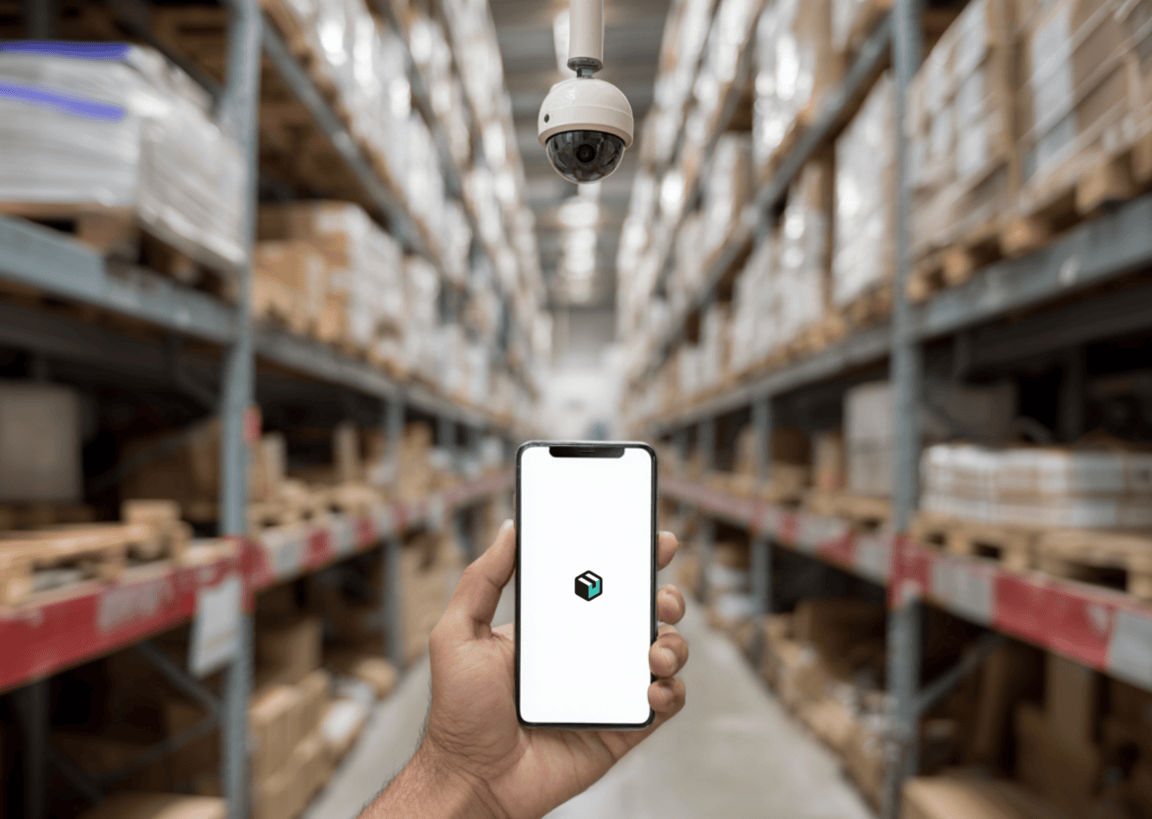
Transitioning from physical ledgers to automated workflows eliminates handling errors and closes data privacy gaps. Selecting a verified platform allows enterprise operations, healthcare facilities, and corporate offices to satisfy strict international security laws. Implementing automated parcel notification further enhances this security by ensuring recipients collect their items promptly, reducing on-site clutter and risk.
Organizations protect their critical delivery networks, enforce accountability across multiple facilities, and secure long-term regulatory compliance by deploying a trusted mailroom solution like Parcel Tracker.
Expert FAQ
What is GDPR compliance in mailroom management?
GDPR compliance requires mailroom systems to delete recipient personally identifiable information after specific parcel retention periods expire.
Why is ISO 27001 important for parcel tracking?
ISO 27001 certification guarantees the software utilizes enterprise-grade AES-256 and TLS encryption to secure package databases.
How does role-based access control protect mailroom data?
Role-based access control restricts sensitive courier records to authorized administrators, preventing internal data leaks.
What is parcel management in a corporate setting?
Efficient parcel management involves digitizing the intake, storage, and internal distribution of incoming packages.
Why do healthcare mailrooms require HIPAA compliance?
HIPAA compliance secures sensitive medical deliveries by hiding private health labels from unauthorized desk workers.


.svg)