.svg)
5 Strategies for Handling Weekend Parcel Peaks in Student Housing

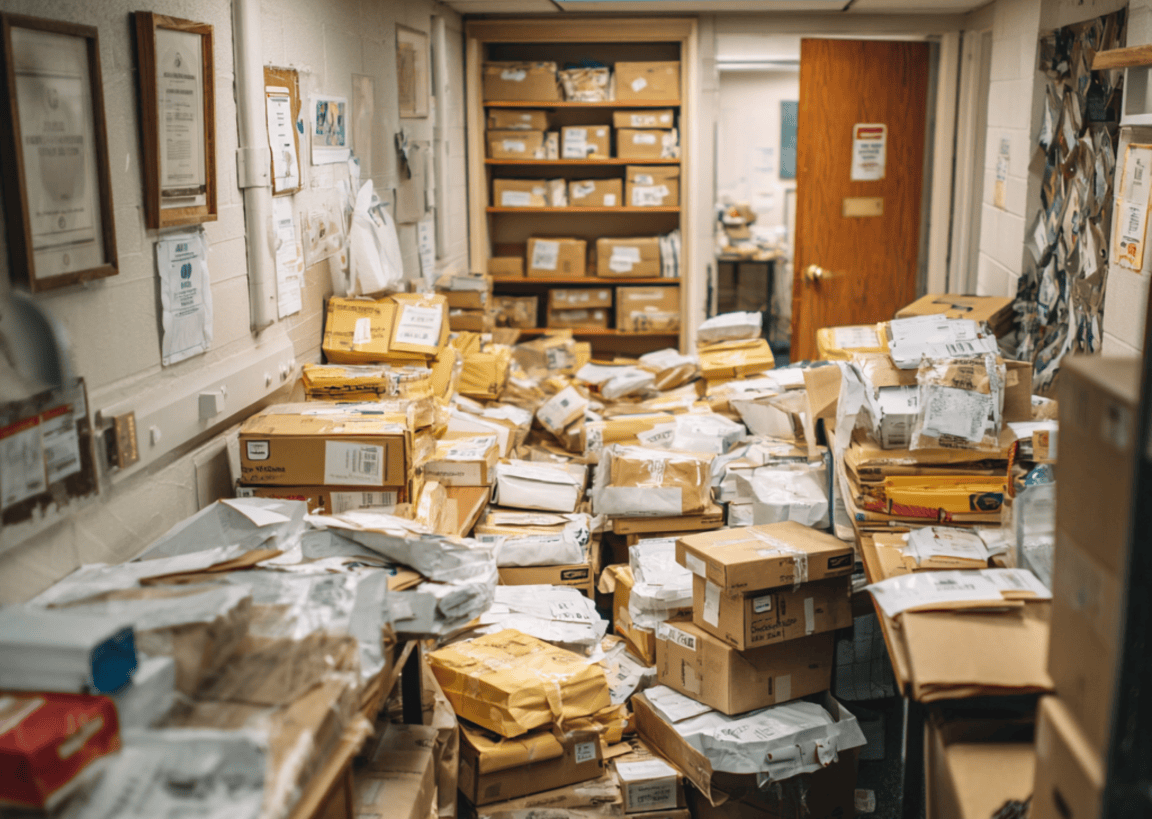
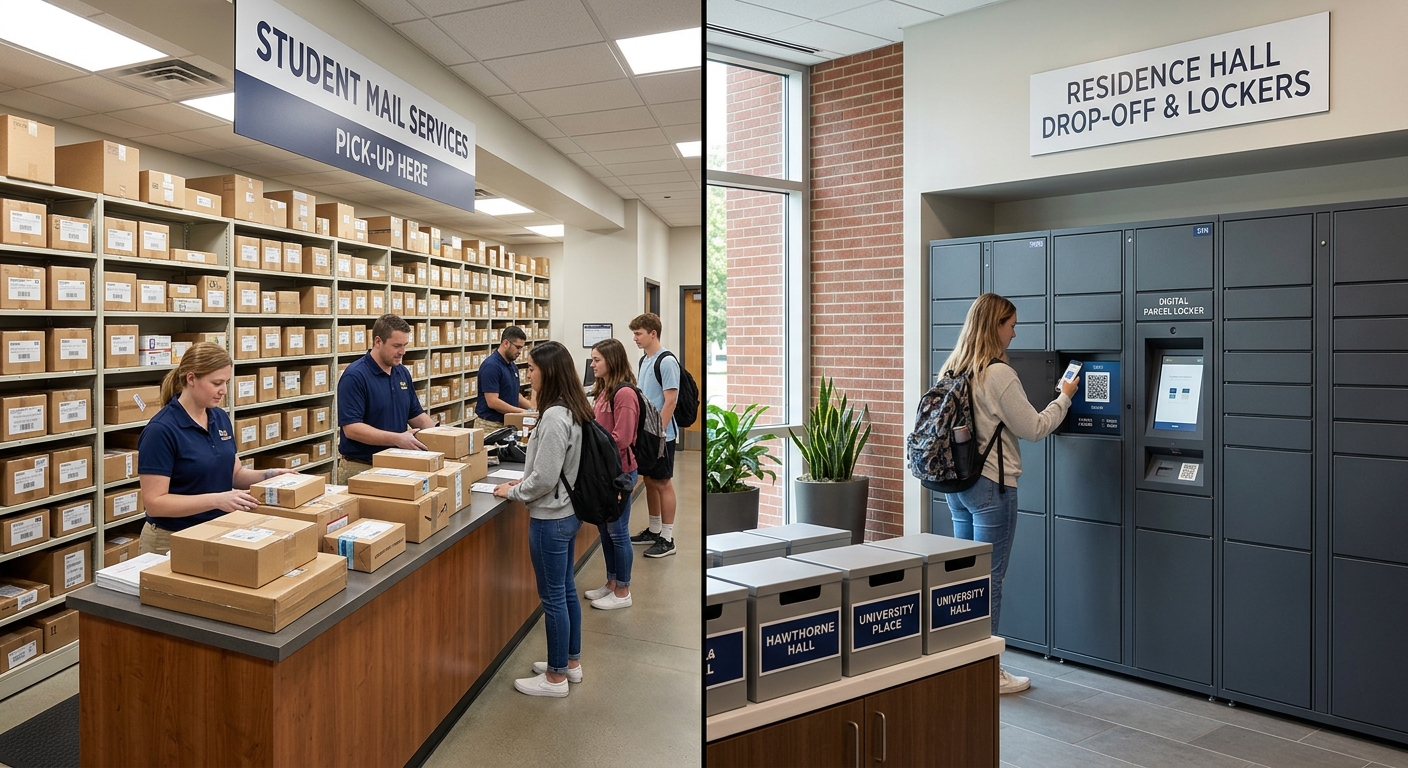
The Monday morning surge is a recurring problem for university housing. In January, this phenomenon can reach a breaking point as students return from winter break. They bring with them a wave of dorm-essential orders and textbook deliveries that can overwhelm a mailroom facility.
For residential and mailroom managers, this can become a massive retention risk. Research indicates that 90% of shoppers view delivery speed and reliability as a core part of their brand loyalty. In the context of student housing, chaotic mailroom management translates to a poor living experience. This frustration can drive residents toward off-campus housing the following year.
The Five-Step Guide for Managing Peak Mailroom Influx

To stay ahead of the curve, university housing teams must adopt a proactive parcel management framework. Transitioning from a state of constant catch-up to a streamlined operation requires a blend of smart staffing, spatial organization, and technical precision.
The following five steps provide a clear roadmap for de-stressing your Monday mornings and ensuring every parcel reaches its recipient without the January delays.
1. Implement the "Shadow Shift" for Pre-Processing
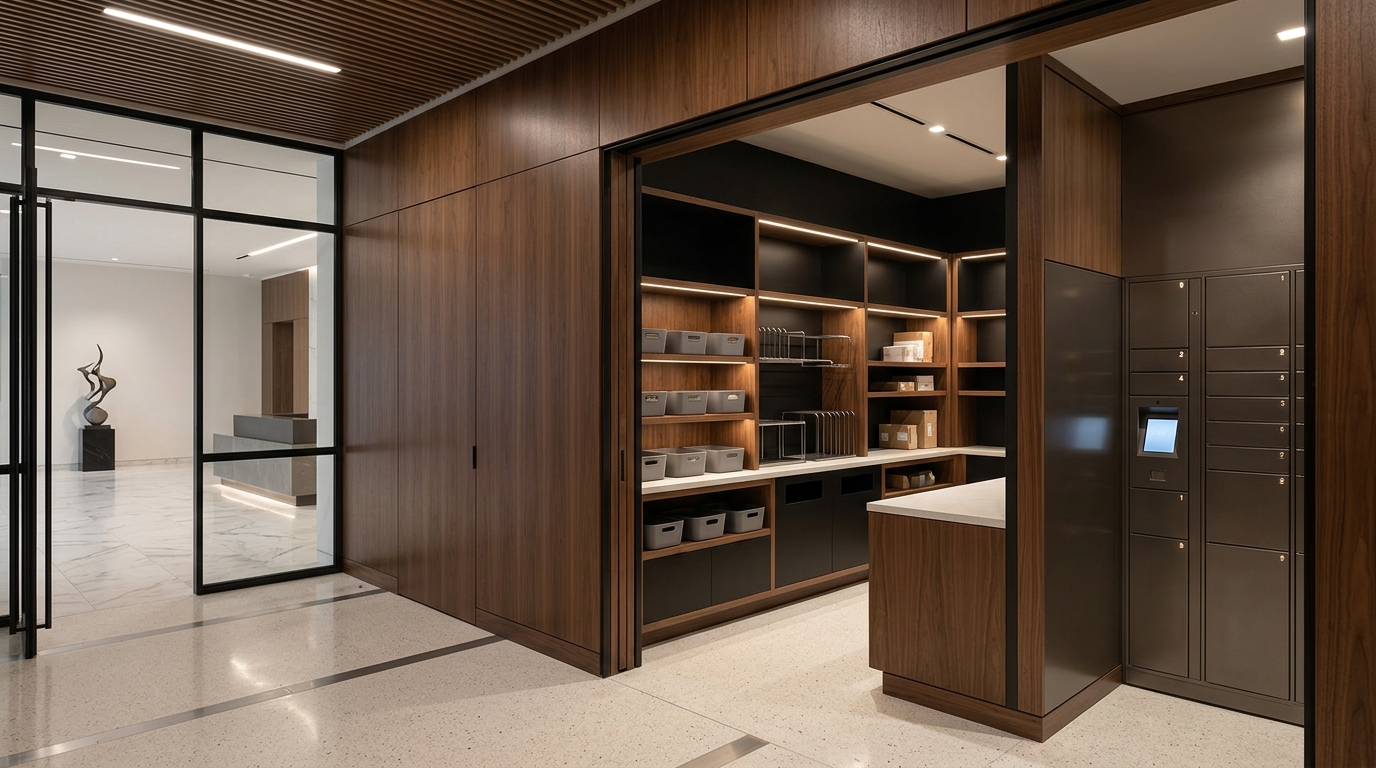
Efficiency on Monday is won on Sunday. Waiting for the first carrier truck to arrive at 8:00 AM is a recipe for a backlog. Schedule a two-hour Sunday evening cleanup. This involves clearing out unclaimed Friday packages and organizing shelving units to ensure the entire storage footprint is available for new arrivals. By starting the week with empty shelves and organized racks, staff can focus entirely on incoming flow rather than playing "Tetris" with old boxes.
2. Front-Load Staffing Based on Arrival Data
Data suggests that 70% of a Monday's parcel volume arrives before noon. Instead of spreading shifts evenly across an eight-hour day, residential managers should "top-heavy" their schedule.
Adding extra student workers specifically for the 8:00 AM to 1:00 PM window ensures that packages are scanned into the system almost as fast as they are offloaded from the truck. This prevents the dreaded "log-jam" where unlogged packages pile up on the floor.
3. Establish "High-Velocity" Staging Zones
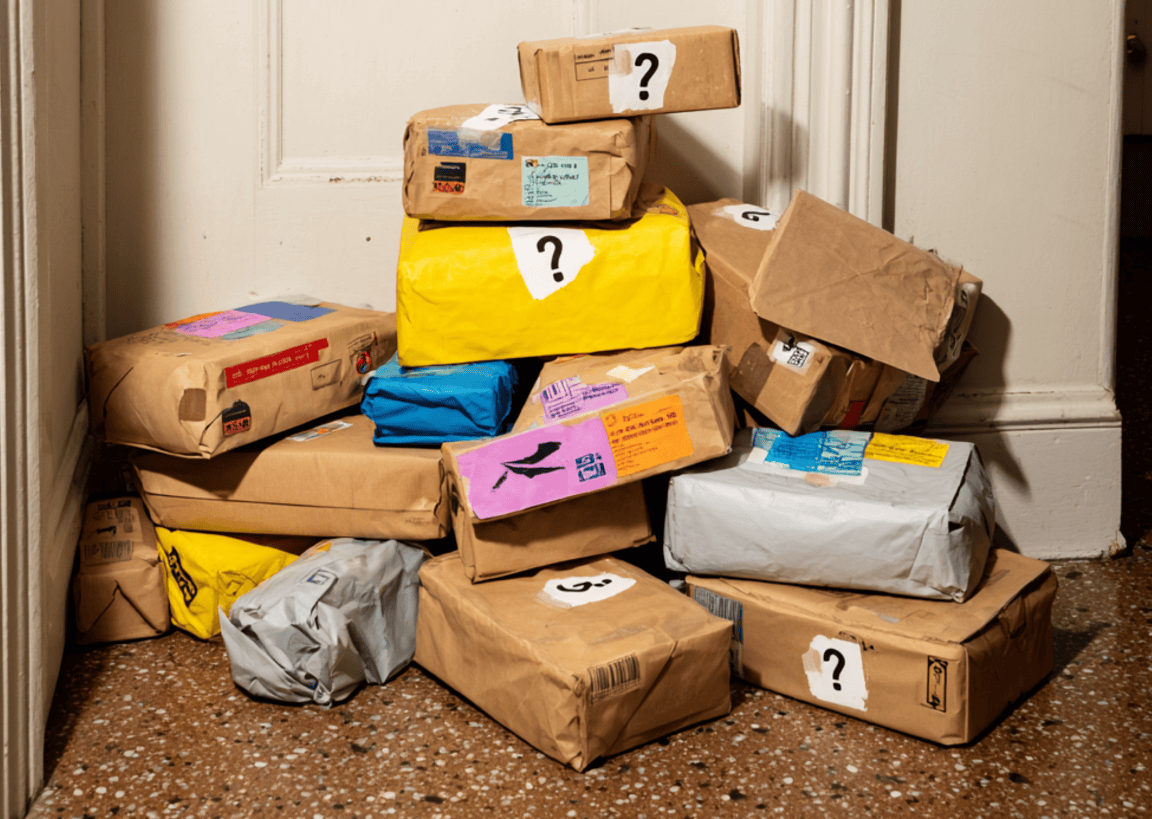
The explosion of e-commerce has changed the types of items entering dorms. January is the month of mattress toppers, desk chairs, and mini-fridges. These oversized items are "space killers" in a traditional mailroom. We recommend designating a temporary High-Velocity Zone near the entrance or loading dock specifically for oversized parcels. This keeps the primary walking aisles clear for staff to process smaller, high-frequency packages without tripping over bulkier items.
4. Deploy Digital-First Notifications to Lower "Dwell Time"

Manual paper slips or delayed emails are obsolete. The longer a package sits on a shelf, the more it costs the university in space and labor. Automated alerts reduce the time a package sits on a shelf, known as "dwell time."
According to logistics benchmarks, automated notifications can reduce package pickup times by over 50%. When a student receives an instant push notification, they are much more likely to collect their item between classes, keeping the mailroom inventory fluid.
5. Incentivize Off-Peak Collection
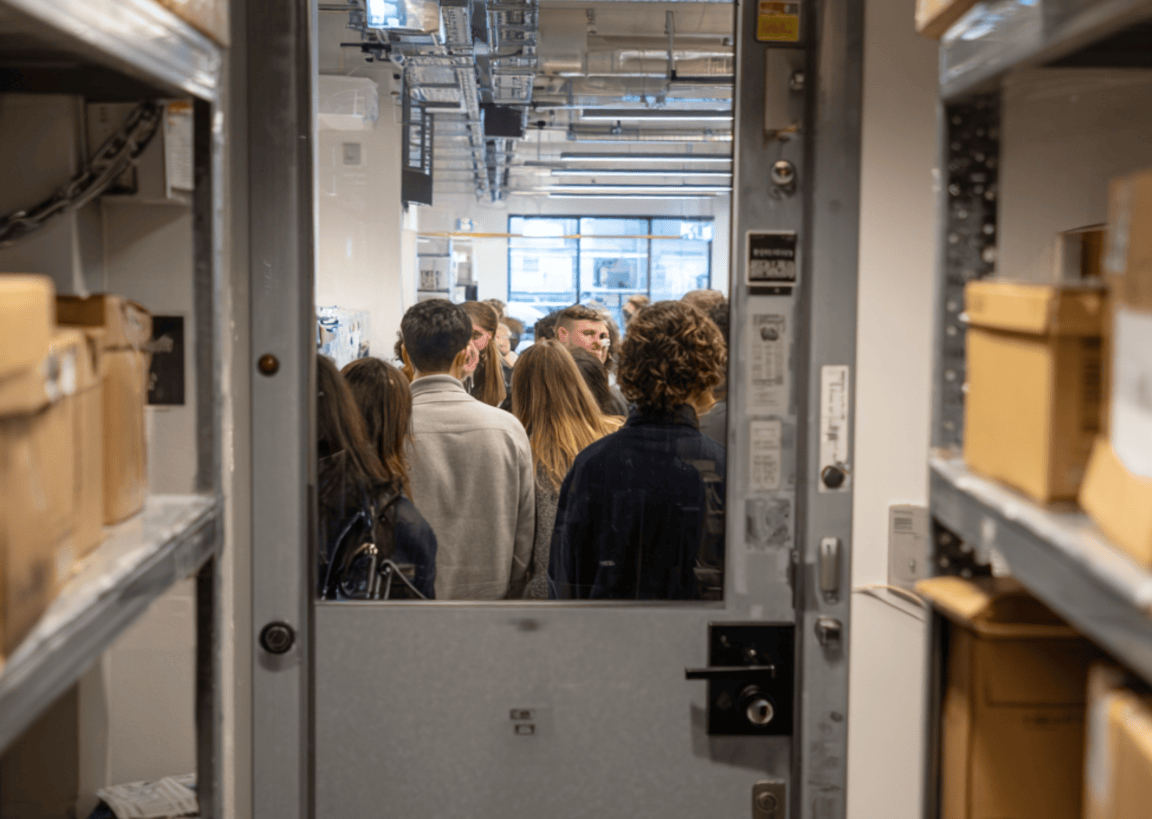
Frustrated students usually stem from long lines during peak hours. You can manage their expectations and smooth out the traffic flow by using simple communication tactics:
- The Processing Buffer: Send a mass notification on Monday mornings. Let students know that while a carrier may mark an item as delivered, it requires a three-hour window for the mailroom to log it.
- Flash Pickups: Offer a "Fast Track" line or a small reward, such as a raffle entry, for students who pick up their packages during traditionally slow windows. For example, the period between 2:00 PM and 4:00 PM is often underutilized.
Improving the Student Experience
.png)
A university’s reputation is built on the student experience. When the mailroom operates at peak efficiency, it becomes an invisible utility. When it fails, it becomes a daily reminder of poor management.
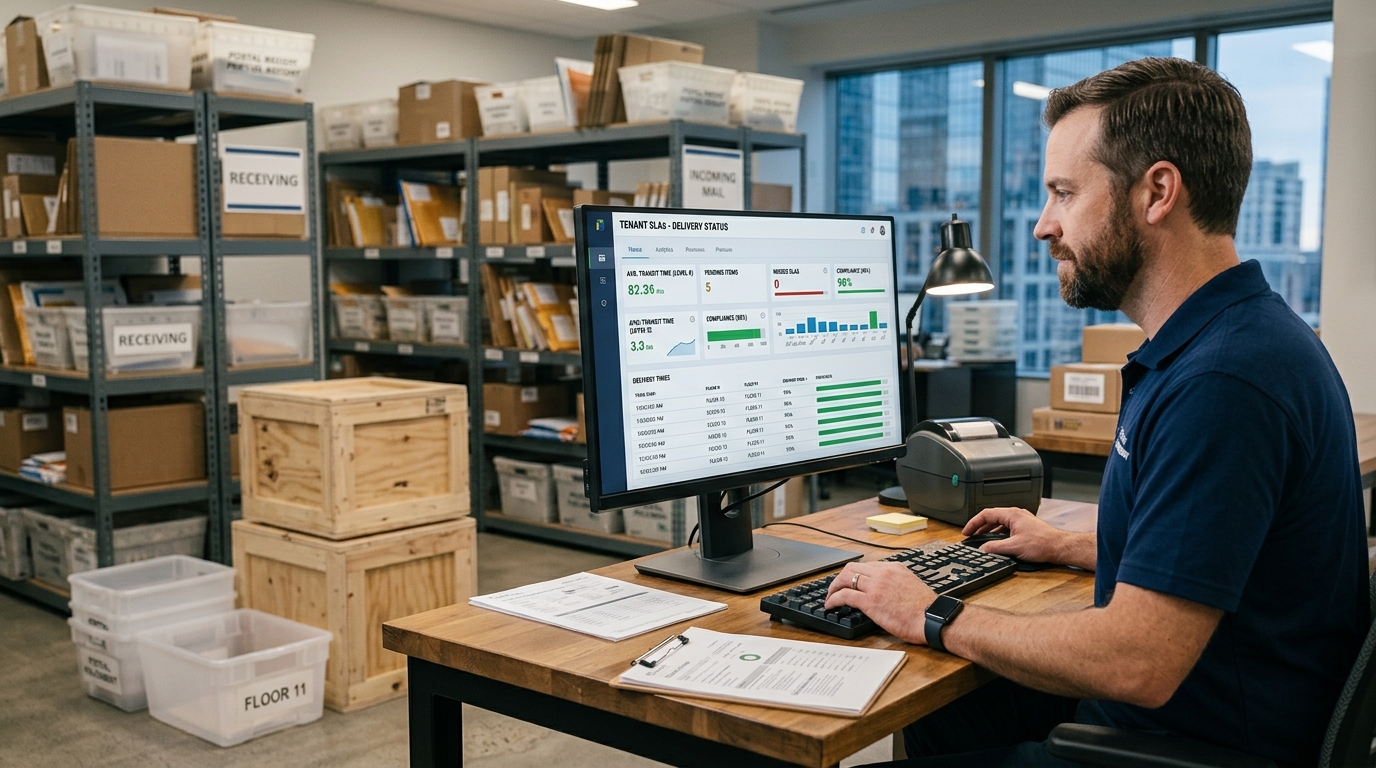
To manage the Monday surge efficiently, manual spreadsheets and paper logs must be replaced with a system capable of handling the scale of modern e-commerce. Implementing mailroom management software like Parcel Tracker allows your team to scan, log, and notify residents in seconds. This ensures that your lobby stays clear and your residents stay happy.


.svg)