.svg)
Handling Damaged Parcels: Peak Season SOPs for Claims and Documentation

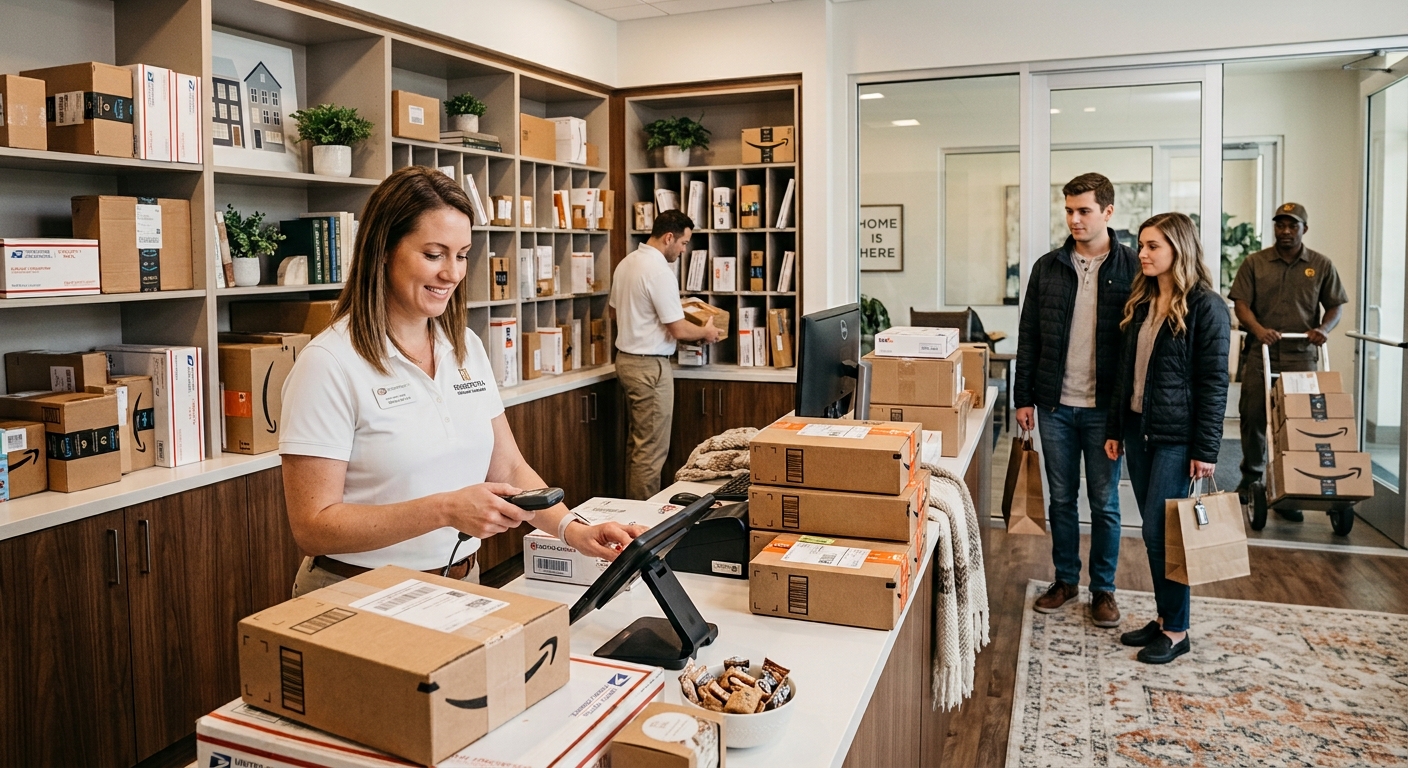
For logistics, e-commerce, and mailroom management teams, the peak season, like BFCM (Black Friday/Cyber Monday) or holiday, is the most stressful time of the year. Whether in a university, corporate, or residential setting, any facility that handles inbound mail and packages at this time of year means a higher risk.
Carrier networks are stretched thin. Package volumes surge, and with them, the rate of incidents skyrockets. This includes lost, damaged, and delayed shipments. These problems represent major threats.
While the annual rate for lost or damaged parcels sits around 1% of total volume, that risk is dramatically amplified during the holiday rush. Studies show that during the final quarter of the year (Q4), the probability of a lost parcel can increase by over 40% and damaged parcels can spike by 34%.
These problems occur outside your mailroom walls, but they become your problem the moment a damaged box arrives. The mailroom is your organization's last line of defense against minimizing this surge in losses. An integrated 5-Step Standard Operating Procedure (SOP) is introduced here to ensure that every exception package is handled correctly for a successful insurance claim, regardless of context.
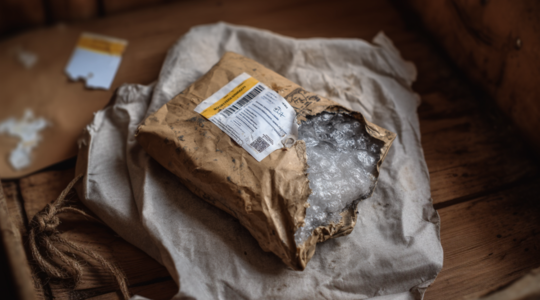
Immediate Action & The Integrated 5-Step Protocol
To protect your staff, students, or tenants, this SOP should be mandatory. This applies to every package that shows damage, leakage, or signs of tampering. It is designed to start the clock on the claims process immediately.
A. Triage and Isolation Protocol
Do not co-mingle any damaged packages with standard parcels. Move the package immediately to the designated Claims Documentation Area.
- Stop and Cordon: If a package is visibly crushed, wet, leaking, or taped over with non-standard tape, the normal processing flow must stop.
- Notify Leadership: Immediately alert the Mailroom Manager, Property Manager, or Receiving Supervisor. This ensures managerial oversight and initiates the claims clock, as many carriers have tight reporting deadlines.
- Secure Evidence: Place the original package in a clear plastic bag or secondary containment box. This is critical to prevent further damage and to preserve loose contents or fragments for the carrier's eventual inspection.
B. The 5-Step Documentation Procedure
This entire process must be executed and digitally stored for every inbound exception package. Having a reliable mailroom management software and a claims solution help a lot here.
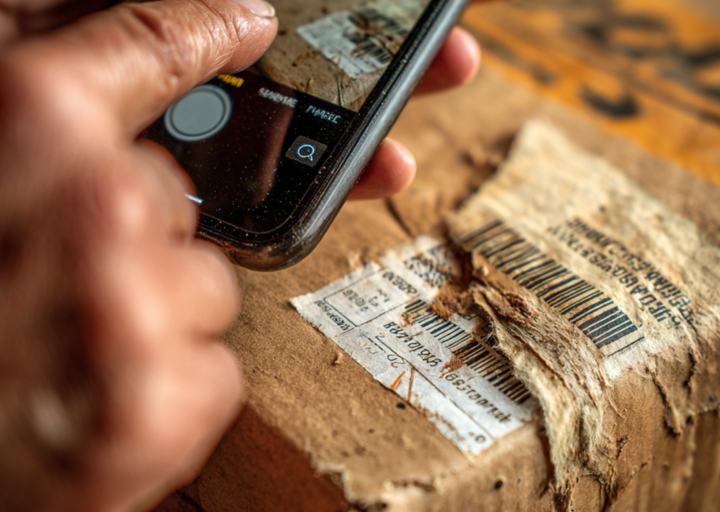
- Capture the Carrier Context: Take two photographs of the package exactly as it arrived. One of the entire package, one close-up of the carrier label/tracking number. Using a tool like Parcel Tracker, you can store these photos, providing digital proof that the damage occurred prior to mailroom handling.
- Document the Damage: To cover all bases, take 3-5 high-resolution photographs or a short video showing the specific points of damage (e.g., crushed corner, tear, puncture). Zoom in on the point of impact.
- Capture the Manifest Data: Using Parcel Tracker, immediately scan the tracking number. Use this to input information into the Claims Log spreadsheet. Crucial data fields are: Date/Time Received, Carrier, Tracking Number, Recipient, Agent ID, and a Mandatory Description of Damage.
- Preserve the Packaging: Annotate the package (with a sticky note placed inside the plastic bag) with the "Claims Log ID" number. DO NOT discard or replace any part of the original box or internal packaging, as the carrier inspector will demand to see it.
- Secure and Suspend: Move the package to the designated, locked "Claims Hold Area." Update the package status in the internal tracking system to "CLAIMS HOLD - NOTIFIED MGR."

Claims File Creation and Recipient Accountability
A successful claim relies on a synchronized effort between the mailroom staff and the intended recipient (e.g., student, resident, or employee).
A. Claims File Preparation
Upon completing the 5-step process, the Supervisor will initiate the digital claims file on the shared drive. Suggested name for the drive could be “Claims_FY2025\[Tracking Number]_[Recipient_Date].”
The folder must contain the following evidence:
- Log Entry: A screenshot of the completed row in the Claims Log.
- Photo Evidence: All photographs and videos from Steps 1 & 2.
- Recipient Notification: The outbound email to the Recipient.
- Proof of Value (Needed): A request to the Recipient (or their respective administrative office) for the original purchase order or shipping invoice to determine the declared value.
B. The Recipient’s Critical Role
The recipient is the only authorized party to open the package and confirm the extent of the loss or concealed damage (damage to the contents inside an intact-looking box). Their full cooperation is required for cost recovery.
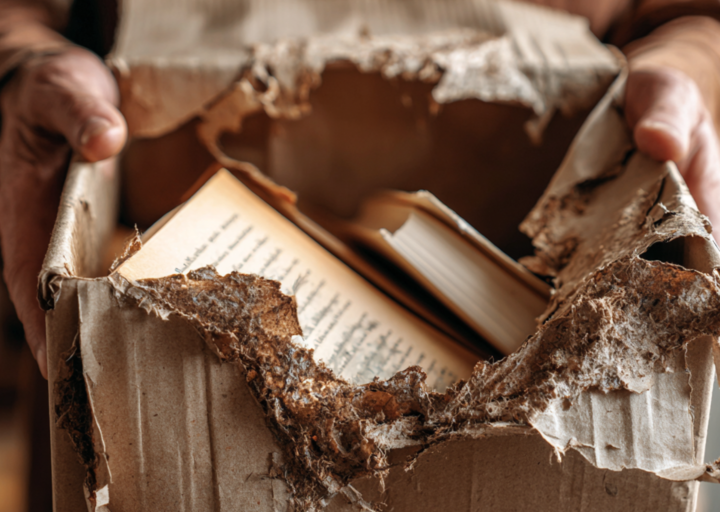
Mandatory Recipient Action Protocol:
- Formal Opening: The recipient must contact the Mail Center Manager or their designated administrative contact to schedule a formal opening of the package.
- Contents Documentation: The package must be opened while recording a video. This video must clearly show the condition of the interior packaging, the damaged contents item-by-item, and the original invoice/packing slip.
- Preserve ALL Parts: The recipient must save all parts of the packaging and contents. Carrier inspectors require this evidence; a failure to produce the original box and packing material will result in a denied claim.
Communication and Accountability
This final phase ensures that parcel management and carriers are held accountable using the collected data.
A. Carrier Notification and Claim Filing
Timeliness is important. The claims manager (or designated representative) will contact the carrier immediately via their official claims portal.
- Filing Checklist: A complete claim package must include the Tracking Number, Proof of Value (Invoice), and digital evidence (Photos/Video from the Claims File).
- Goal: To push the claim through the system as fast as possible to ensure the financial loss is recovered before the end of the fiscal period.
B. Post-Claim Review and Auditing
The Claims Log is the best tool for vendor management. The mailroom manager will conduct a monthly audit of the log, specifically tracking KPIs:
- Carrier Failure Rate: The volume of damaged packages relative to total volume, broken down by carrier.
- Resolution Time: The average time from logging an exception to final claim reimbursement.
- Success Rate: The percentage of filed claims that were successfully paid out (demonstrating the effectiveness of this SOP).
The data captured through this rigorous process will be the single most critical piece of evidence used in logistics and procurement reviews to negotiate better service level agreements and rates for the next period.
Protecting Your Recipients from Damaged Parcels

During the high-stakes environment of peak season, simply processing a parcel is not enough. Mailroom teams must also act as the final defense against damaged parcels. While the root cause of these packages lies with overloaded carrier networks, the mailroom is the indispensable checkpoint that protects recipients.
This SOP elevates the mailroom’s role from a receiving service to a crucial risk mitigation center. By following the 5-Step documentation procedure strictly, everyone ensures that the organization can submit an irrefutable claim, recover the value of damaged goods, and hold external partners accountable. This process transforms a negative event (damage) into a positive outcome (financial recovery and stronger negotiations).
To complement all efforts in the mailroom, learn more about modern mailroom management solutions. Visit Parcel Tracker today!



.svg)