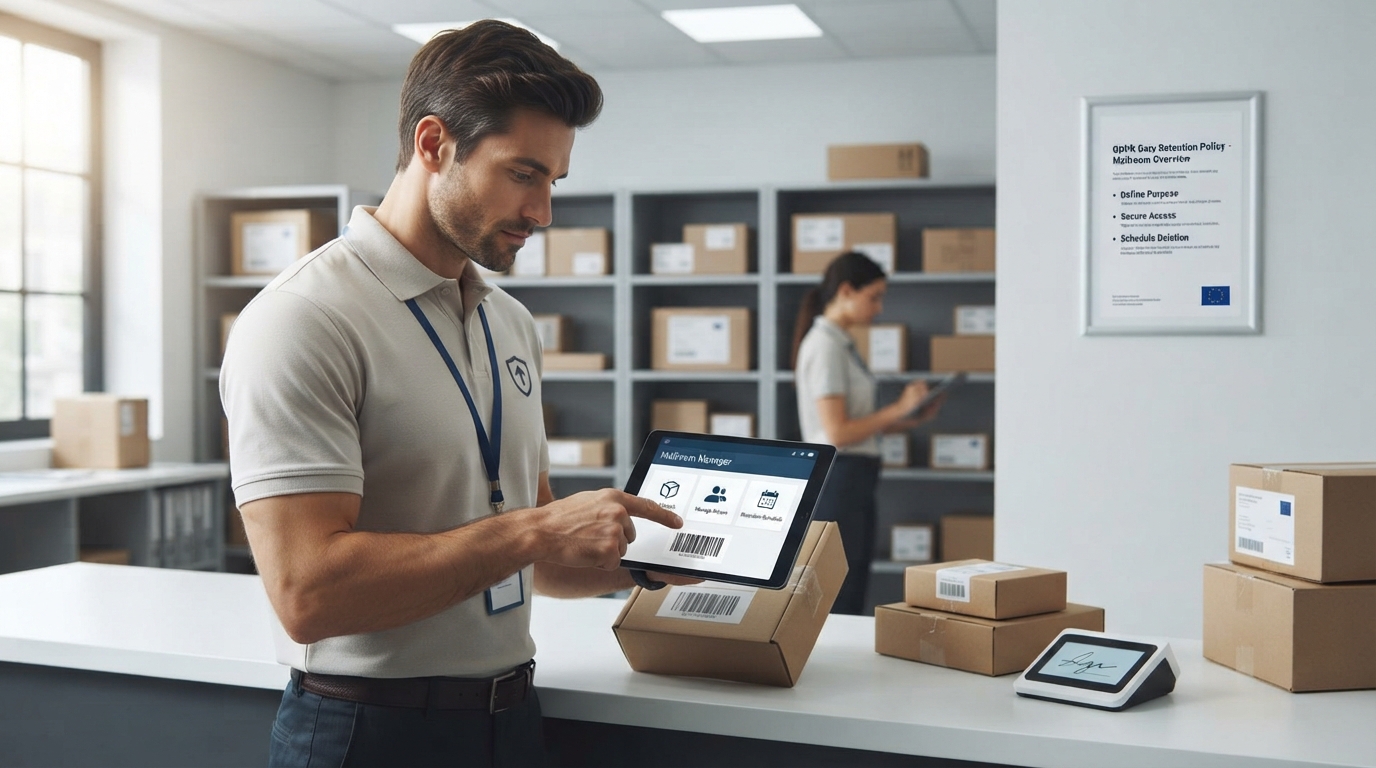
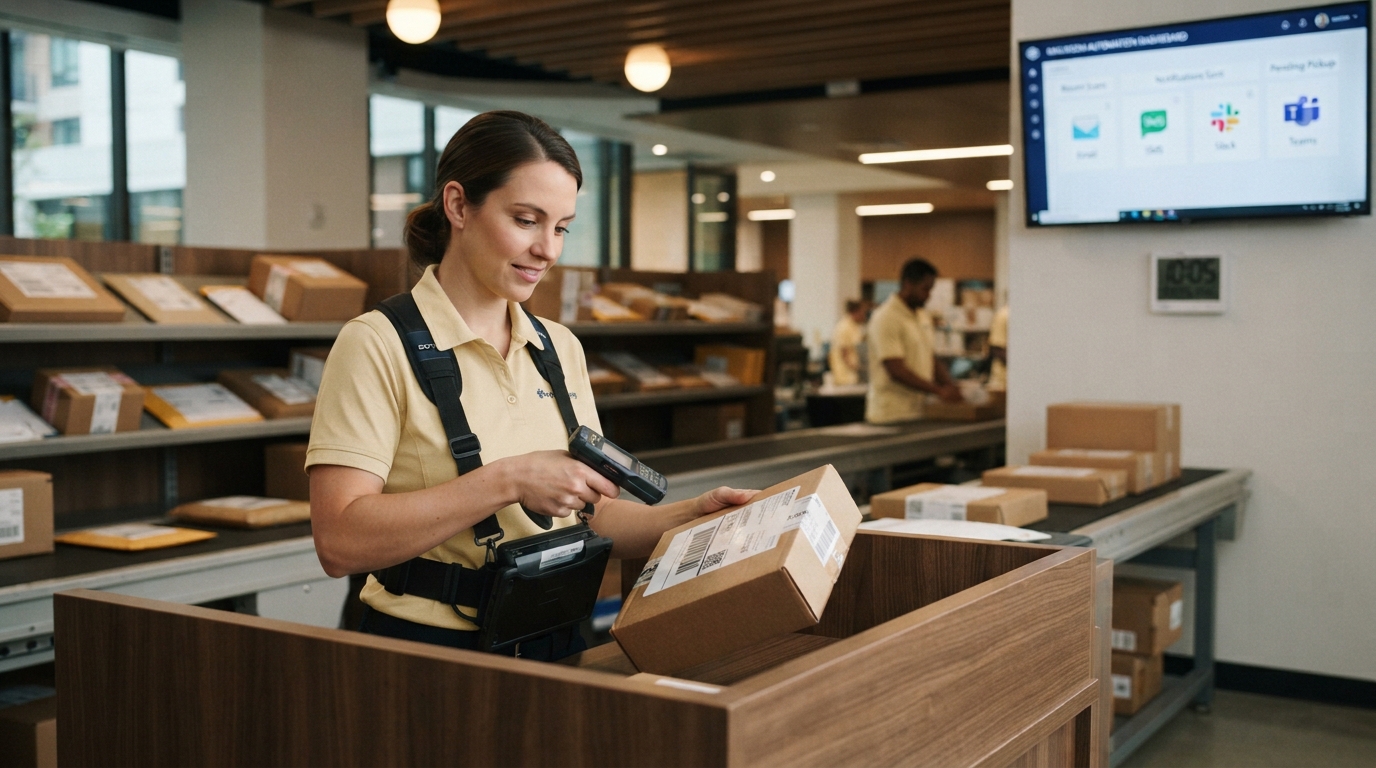
High-Security Parcel Isolation for Government and Corporate Mailrooms

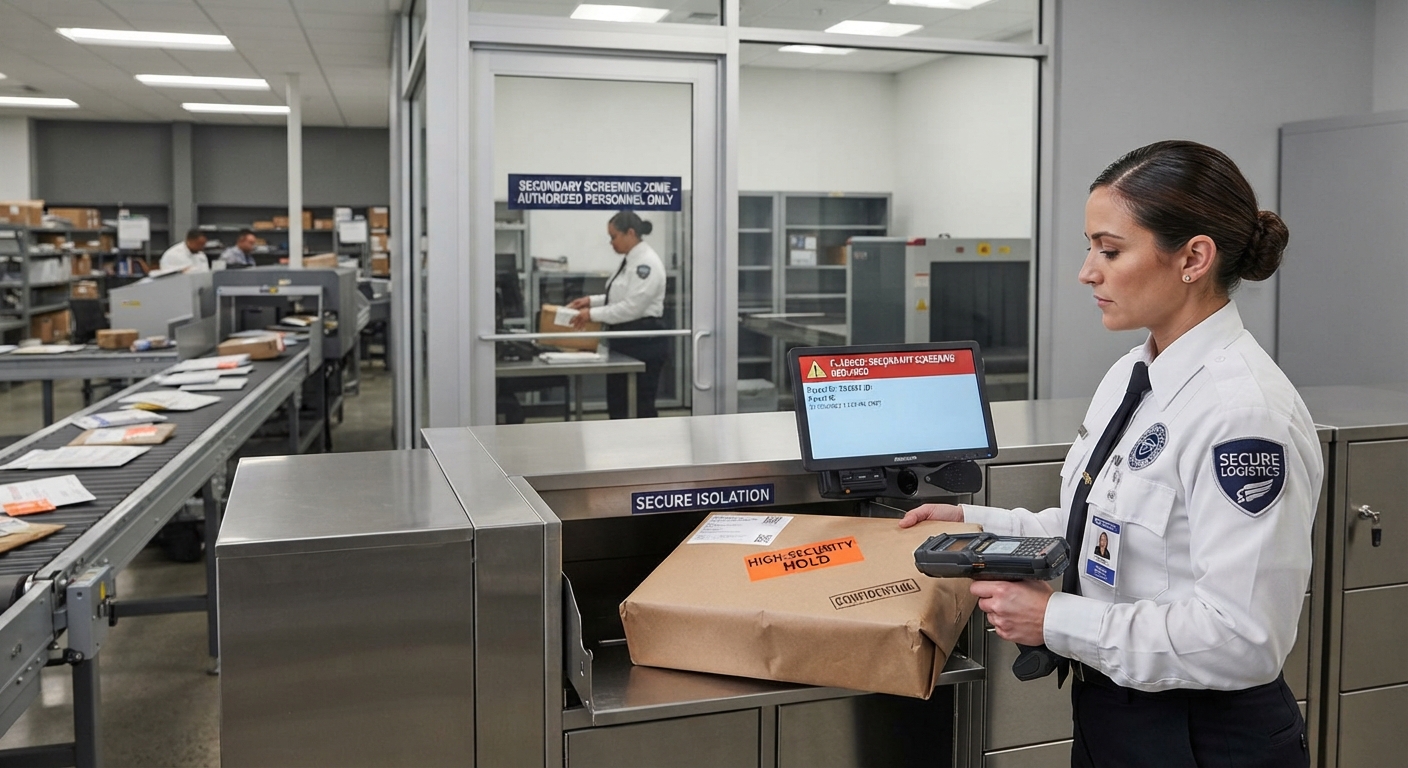
High-security parcel isolation is a specialized mailroom management protocol that identifies, flags, and diverts sensitive or high-value inbound items into a restricted zone. This process is a core aspect of parcel management, utilizing automated digital triggers to ensure specific items receive secondary verification before entering the general facility population.
Protecting Sensitive Information and Assets
In high-traffic government and corporate environments, the volume of inbound deliveries creates a significant security gap. Standard scan-and-sort workflows often treat a confidential legal document the same as a general supply delivery. This lack of differentiation increases the risk of unauthorized access or the misplacement of critical assets.
By implementing specialized isolation protocols, organizations can ensure that "Confidential," "Legal," or "Eyes Only" mail reaches the correct hands securely via internal parcel tracking. More than just a security protocol, the transition to digital management offers immense operational ROI. Organizations using these modern systems have reported a 93.3% reduction in time spent on parcel-related tasks, allowing mailroom personnel to focus on verification rather than paperwork.
The Core Insight: Segregated Workflow Logic

The backbone of modern mailroom defense is Segregated Workflow Logic. This approach uses parcel management software to dictate physical movement based on digital intelligence.
- Automated Risk Attribution: Administrators can establish "Priority Watchlists" within the system. When a parcel is scanned at the dock, the software checks for specific government departments, legal aliases, or sensitive keywords, triggering an immediate alert.
- Digital Diversion: Once a flag is triggered, the system physically reroutes the item to a secure area. To prevent accidental distribution, the parcel is digitally locked, meaning it cannot be assigned to a delivery run until a security officer logs a clearance event.
- Secondary Screening Zones (SSZ): These restricted-access environments are dedicated to identity verification and high-value logging. Status codes move from "Received" to "In-Verification," providing real-time transparency for stakeholders without compromising security.
Establishing an Immutable Audit Trail
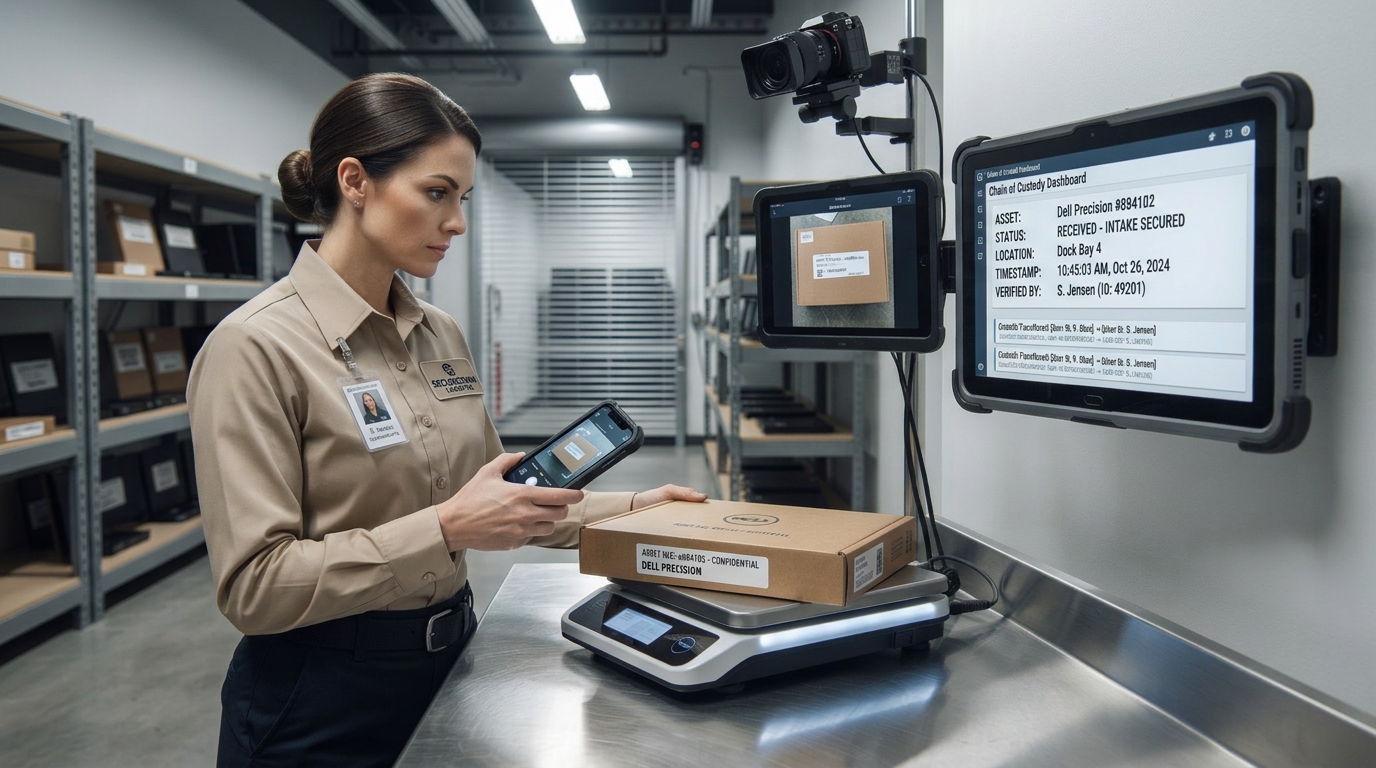
Accountability is the most critical component of handling sensitive materials. An automated system creates a paperless custody chain that is essential for securing IT asset chain of custody.
From the initial scan to the final hand-off, every interaction is logged with a timestamp and user ID. This level of precision is why advanced systems help teams achieve a 100% parcel collection rate, even in the most demanding high-volume environments. Digital signatures and photo evidence of sealed packages are uploaded directly to the parcel's record, ensuring a forensic-level trail for any future audits.
Operational Benefits: Efficiency Meets Compliance
Integrating isolation protocols does not have to slow down the mailroom. Instead, it allows a fast track for 95% of general mail and parcel while providing a dedicated, high-security lane for the 5% that requires it.
For government entities and major corporations, this provides a clear Standard of Care for data protection and asset management. Whether managing a single headquarters or multiple global sites, these protocols can be scaled and monitored from a centralized dashboard, ensuring consistent security standards across the entire organization.
The Future of Mailroom Defense

Security for high-security parcels requires smart, data-driven workflows. By adopting high-security parcel isolation, modern offices protect their intellectual property and most valuable assets without sacrificing business speed.
Ensure your facility maintains a strict, high-security audit trail with Parcel Tracker.
Expert FAQ
What is Segregated Workflow Logic?
It is an automated protocol that flags and diverts sensitive mail into isolated zones for secondary verification using digital criteria.
How does a Secondary Screening Zone function?
The SSZ provides a restricted area for the controlled intake and verification of flagged parcels away from general traffic.
Why is an immutable audit trail necessary?
It provides a permanent, timestamped record of personnel interactions to ensure accountability and meet strict organizational compliance standards.
What triggers an automated parcel flag?
Software triggers alerts based on specific sender names, sensitive keywords, or high-value attributes detected during initial intake scans.
How do mailroom systems prevent accidental delivery?
Systems lock flagged items in "Verification" status, physically and digitally preventing internal distribution until the secondary check is complete.