.svg)
How Impulse Buying Online Impacts the Mailroom?


The rise of one-click checkouts and social commerce has turned spontaneous shopping into a daily habit. Recent industry data shows that 81% of consumers have made an impulse purchase this year, with a median spend of $50 per item. This shifting retail landscape shapes the daily workflow of corporate and residential hubs. Spontaneous consumer purchases transform the traditional inbound delivery process, changing how organizations handle incoming logistics. Every sudden click results in a physical package that requires immediate processing, tracking, and storage.
Modern corporate facilities and multi-tenant properties must establish structured workflows to handle this steady influx of packages. Efficient mailroom management serves as the backbone of workplace operations, transforming a chaotic delivery zone into an organized distribution hub. Simultaneously, reliable parcel management protocols ensure that individual packages arrive safely at the correct final desk or doorstep. When online ordering spikes, these internal logistics systems face immediate pressure.
Why Spontaneous Shopping Disrupts the Intake Workflow

Spontaneous consumer habits create significant challenges for traditional delivery systems. E-commerce networks experience massive strain as worldwide shipping volumes now exceed 217 billion packages annually, which reflects nearly 5,900 parcels moving across global networks every single second. Instead of receiving organized, bulk shipments from standard business vendors, facility teams now receive a continuous stream of small, individual packages from online marketplaces.
Predictable delivery schedules have been replaced by volatile surges in package volume. A viral social media trend or a sudden holiday flash sale can double the number of inbound boxes arriving at a loading dock within 24 hours. Because impulse purchases happen randomly, internal logistics teams must constantly adapt to sudden volume shifts without any prior warning.
Bottlenecks in the Sorting Zone
Handling the Storage Capacity Issues
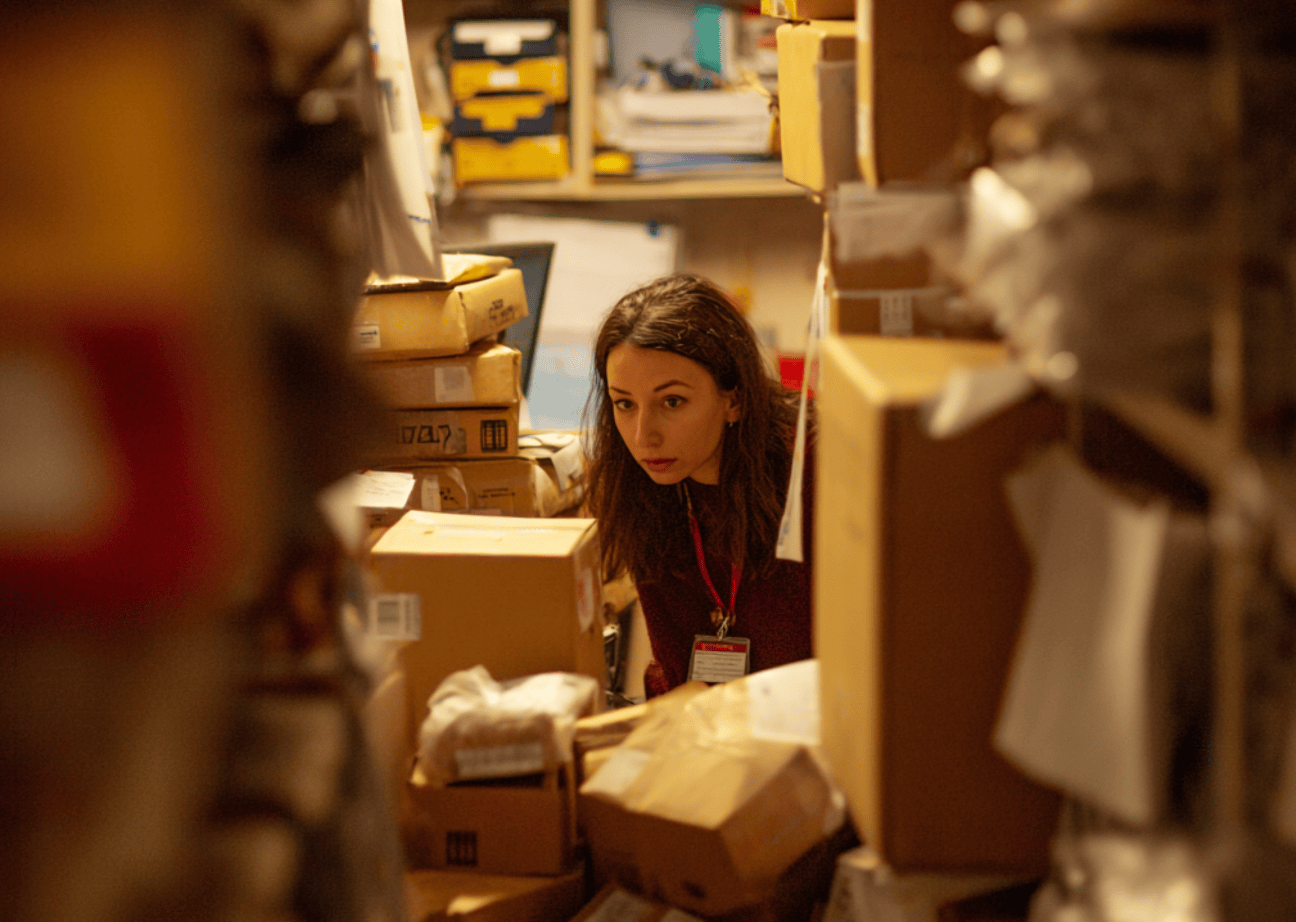
Inbound sorting zones must adapt quickly when sudden spikes in purchasing outpace physical infrastructure. When a wave of digital orders arrives simultaneously, mailroom operators must navigate several immediate space constraints:
- Physical space limitations: Most sorting rooms were built to handle standard corporate correspondence, not mounds of oversized boxes and irregular packages.
- Safety hazards: Overflowing shelves lead to packages stacked on the floor, blocking walkways and creating potential liabilities for staff.
- Delayed organization: High volume forces teams to store items randomly, increasing the time needed to locate a specific box during pickup.
Processing Speed and Tracking Problems
Manual data logging slows down during peak intake windows. Clerks often encounter illegible courier labels, smudged print, or incomplete recipient details, which stalls the entry pipeline. Maintaining a reliable chain of custody from the delivery truck to the holding shelf requires a systematic approach to avoid misplacement.
The Delivery Delay and Recipient Friction

When package intake slows down, a cascade of administrative friction occurs across the building. Front-desk personnel often find themselves distracted from primary responsibilities to sort personal deliveries, answer arrival inquiries, and look for missing boxes.
Notification delays further complicate the distribution cycle. When recipients do not receive immediate alerts about their items, parcels sit on shelves for extended periods, increasing the risk of loss in common areas. Furthermore, market research indicates that the average online return rate sits around 20%, which means roughly one in five impulse purchases gets sent back, creating a secondary wave of outgoing parcel logs for the staff to manage.
Automated Systems and High-Volume Sorting
Transitioning to automated logging allows teams to scan delivery labels in seconds using advanced optical character recognition technology. Digital platforms eliminate human error by matching names instantly and sending automatic text or email alerts directly to the recipient.
Organizing inventory systematically reduces pickup wait times and eliminates counter bottlenecks. Implementing electronic proof-of-pickup protocols, such as digital signature capture or photographic verification, creates a permanent record of the package transfer, eliminating disputes regarding missing items.
Scaling Internal Logistics for E-Commerce Surge

Adapting to modern online shopping habits requires a transition away from outdated, manual logbooks. Facilities must establish scalable workflows to manage spontaneous delivery spikes effortlessly while protecting administrative productivity. Embracing specialized technology like Parcel Tracker helps teams streamline workflows, save time, and maintain total control over your inventory.
Expert FAQ
How does impulse buying affect business mailrooms?
Impulse buying increases inbound delivery volume, causing storage space shortages, sorting delays, and increased administrative workload for facility staff.
Why do package notification delays cause problems?
Notification delays keep packages sitting on shelves too long, creating storage bottlenecks and increasing risks of parcel loss.
How does automation improve inbound package tracking?
Automation eliminates manual data entry errors by scanning labels instantly and sending immediate arrival notifications to recipients.


.svg)