.svg)
Accelerating Cross-Dock Throughput with Mobile Parcel Management in Freight Forwarding Operations

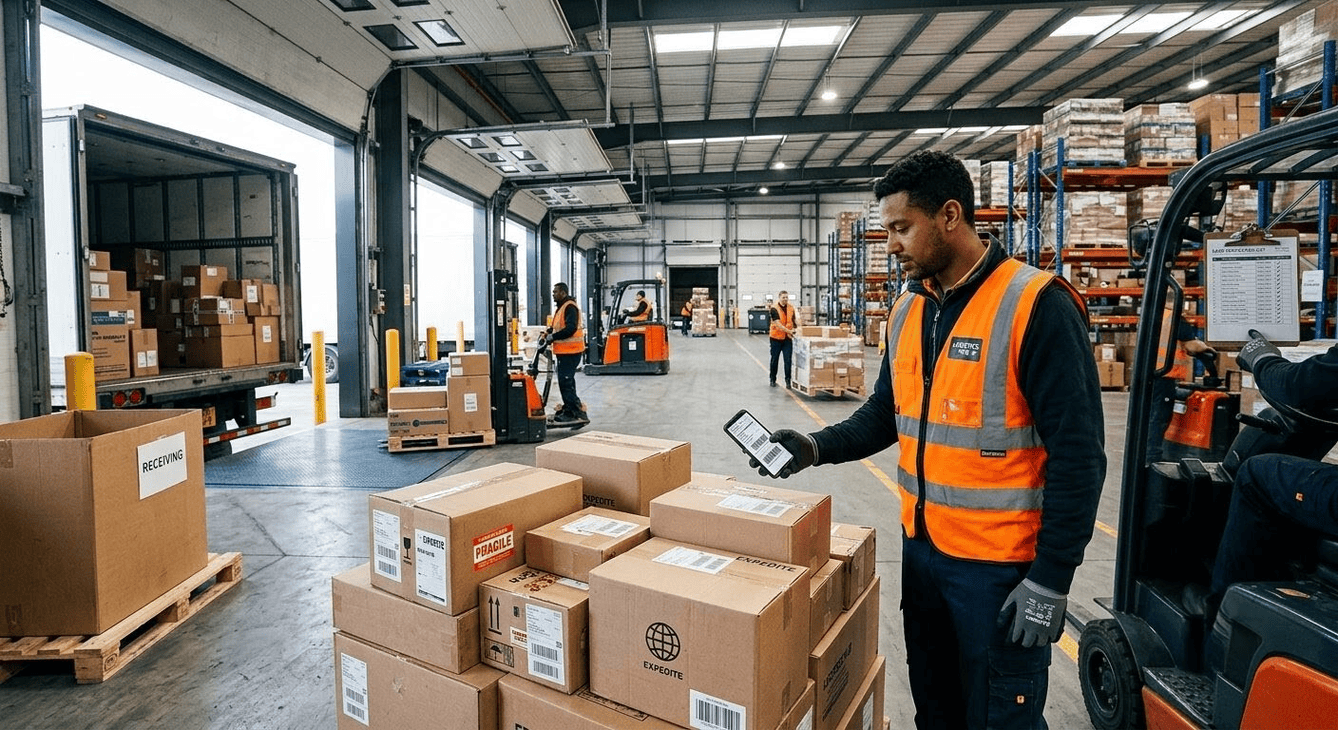
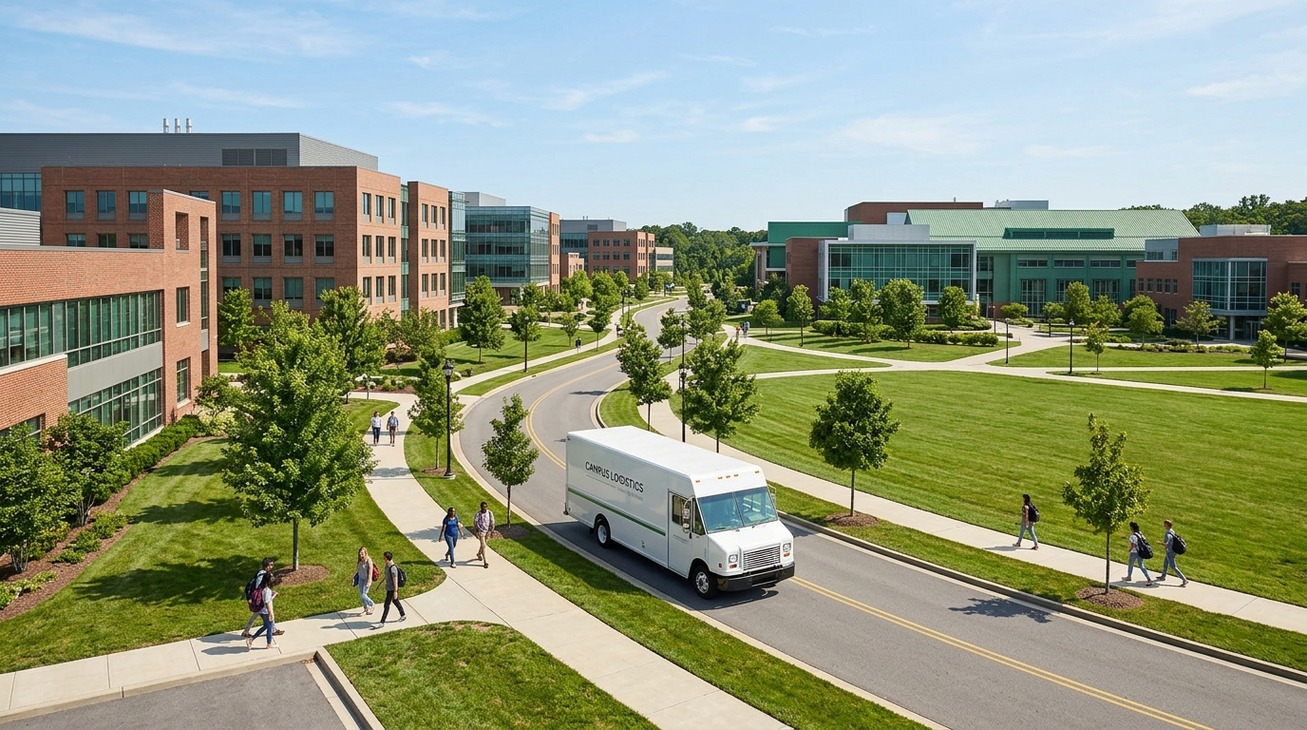
In cross-docking environments, physical space serves as a temporary staging zone rather than a storage area. Every pallet or package resting on a receiving pad consumes capacity and slows momentum. High-volume freight forwarding operations depend on rapid item movement through every stage of transfer. When packages sit idle during intake, downstream schedules suffer immediately. Modern facilities address these delays by replacing slow hardware checks with smartphone-based scanning solutions.
The Cross-Dock Bottleneck
Conventional intake procedures rely on tethered hardware stations, manual paper manifests, and single-item laser scanners. These tools function adequately for low-volume cargo transfers, yet they fail under peak shipping demands. Standard handheld devices force operators to inspect packages one by one, creating long queues near the receiving bay.
Physical bottlenecks emerge when staff spend valuable minutes untangling smudged barcodes or manually re-keying unreadable shipping numbers. Staging zones fill quickly, leaving incoming trucks waiting at the yard gate. Overcoming these friction points requires a shift toward mobile scanning software that captures data instantly at the point of arrival. Implementing modern parcel management workflows allows teams to digitize logistics intake right at the trailer door.
From Hardware Guns to Mobile Optical Character Recognition

Moving away from dedicated handheld guns opens new possibilities for receiving teams. Smart mobile devices equipped with Optical Character Recognition software transform how logistics crews handle bulk freight arrivals.
The Inbound Scanning Workflow
- Inbound Freight Truck Arrival: The cargo vehicle arrives at the yard and docks directly at the receiving bay.
- Decentralized Mobile Capture: Dock staff use smartphones to scan multiple label details, including Air Waybills, tracking numbers, and weight marks, in a single camera frame at the trailer door.
- Automated Manifest Reconcile: The mobile application automatically checks scanned items against EDI records and digital Advance Shipping Notices.
- Dynamic Routing and Exception Flagging: Staff flag damaged, missing, or misrouted cargo with on-the-spot photos before diverting standard shipments to staging.
- Outbound Load Verification: Outbound crews confirm total load completion on mobile screens before dispatching linehaul trucks.
Advantages of Mobile OCR Batch Processing

- Multi-Label Instant Capture: Single camera frames capture Air Waybill numbers, tracking identifiers, destination blocks, and weight marks at once.
- Resilient Recognition Algorithms: Intelligent camera systems read scratched, wrinkled, or poorly printed labels without requiring manual data entry.
- Hardware Accessibility: Off-the-shelf mobile devices remove the need for specialized scanning hardware, allowing facilities to scale scanner fleets on demand.
Streamlining Bay Intake and Cargo Sortation
Decentralized receiving allows cargo handlers to inspect shipments as soon as trailer doors open. Instead of moving pallets to a central desk, workers register freight instantly using mobile camera views.
- Automated Manifest Matching: Scanned items automatically reconcile against Electronic Data Interchange records and Advance Shipping Notices.
- Instant Exception Handling: Workers flag damaged cartons, misrouted items, or missing paperwork on the spot by attaching photos and digital notes to the system entry.
- Targeted Item Diversion: Cargo requiring custom inspection moves to designated quarantine areas while standard shipments proceed to outbound lanes.
Facilities managing internal deliveries alongside heavy freight transfers apply similar principles. Adopting structured mailroom management practices ensures that smaller internal parcels move with the same accuracy as full-palette shipments.
Maintaining Visibility from Dock to Departure
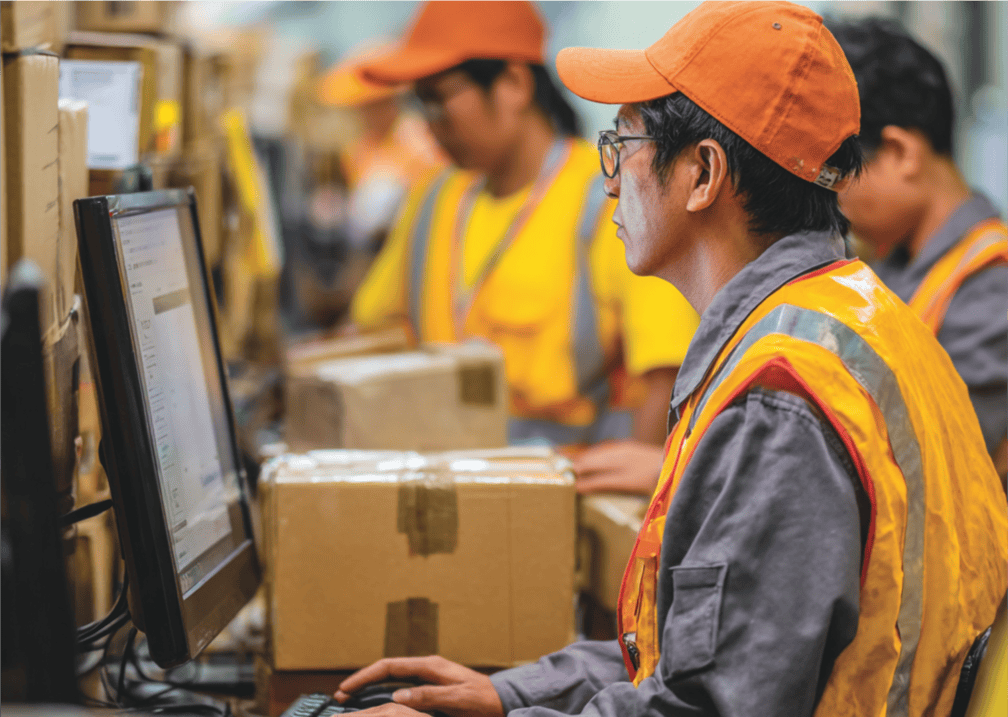
Gaps in cargo visibility often occur between inbound unloading and outbound staging. Mobile package tracking fills this gap by recording every physical touchpoint inside the terminal.
Continuous location updates show cargo progression from the inbound bay through intermediate staging lanes to the outbound loading door. Live dashboards alert floor supervisors when queued packages remain motionless near scheduled departure times. Digital loading checks confirm that every assigned item is placed inside the trailer before the driver receives departure clearance.
This continuous digital record establishes a verifiable chain of custody. Verified handoffs decrease lost item inquiries, simplify inventory reconciliations, and protect freight forwarders from liability disputes with third-party carriers.
Key Performance Indicators for Mobile Scanning Implementations
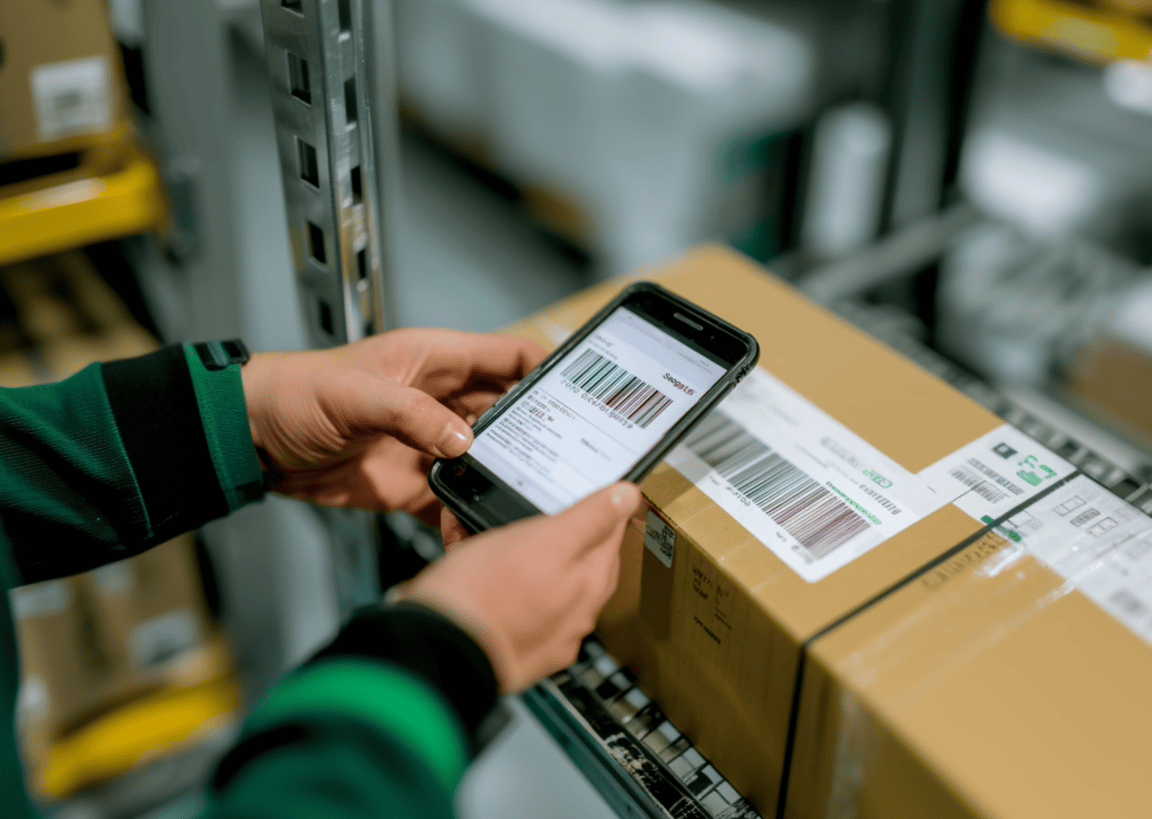
Evaluating throughput improvements requires tracking key benchmarks before and after deploying mobile parcel capture systems.
- Bay Dwell Time
- Traditional Baseline: 45 to 60 minutes
- Mobile OCR Target: Under 15 minutes
- Focus: Clear receiving floors rapidly for incoming trailers.
- Intake Processing Speed
- Traditional Baseline: 120 items per hour per worker
- Mobile OCR Target: 450+ items per hour per worker
- Focus: Eliminate single-item barcode scan queues.
- Outbound On-Time Rate
- Traditional Baseline: 88% to 92%
- Mobile OCR Target: 99%+
- Focus: Prevent missed linehaul departures and transit delays.
- Manifest Reconciliation
- Traditional Baseline: End-of-shift batch review
- Mobile OCR Target: Real-time scan verification
- Focus: Identify missing or misrouted cargo immediately.
High-Velocity Forwarding Strategies
Cross-dock productivity depends on steady movement and swift data intake. Converting receiving teams to smart mobile package management keeps staging floors clear and ensures every shipment stays on schedule. Facility leads can review current dock dwell times today to pinpoint manual receiving delays. Implementing smart mobile software platforms like Parcel Tracker offers a proven path toward complete inbound control and higher transfer speed across modern facilities.
Expert FAQ
How does mobile parcel management increase cross-dock throughput?
Mobile parcel management uses smartphone OCR batch scanning to process multiple packages instantly, eliminating manual barcode gun receiving bottlenecks.
What is OCR batch scanning in freight forwarding operations?
OCR batch scanning uses mobile camera algorithms to capture and read multiple shipping label data fields simultaneously in one frame.
Why do packages idle on receiving bays during cross-dock transfers?
Packages idle due to slow single-item barcode scans, manual manifest verification, and poor real-time visibility into outbound staging schedules.
How does real-time tracking prevent linehaul delays and missed windows?
Real-time tracking alerts managers to stranded staging items and verifies 100% load completion before scheduled outbound vehicle departure.
What are the main operational benefits of replacing handheld barcode guns?
Replacing barcode guns reduces hardware costs, accelerates intake velocity, handles damaged labels automatically, and enables truck-side receiving flexibility.


.svg)