.svg)
What Security Protocols Are Essential for High-Risk Government Mailroom Management?

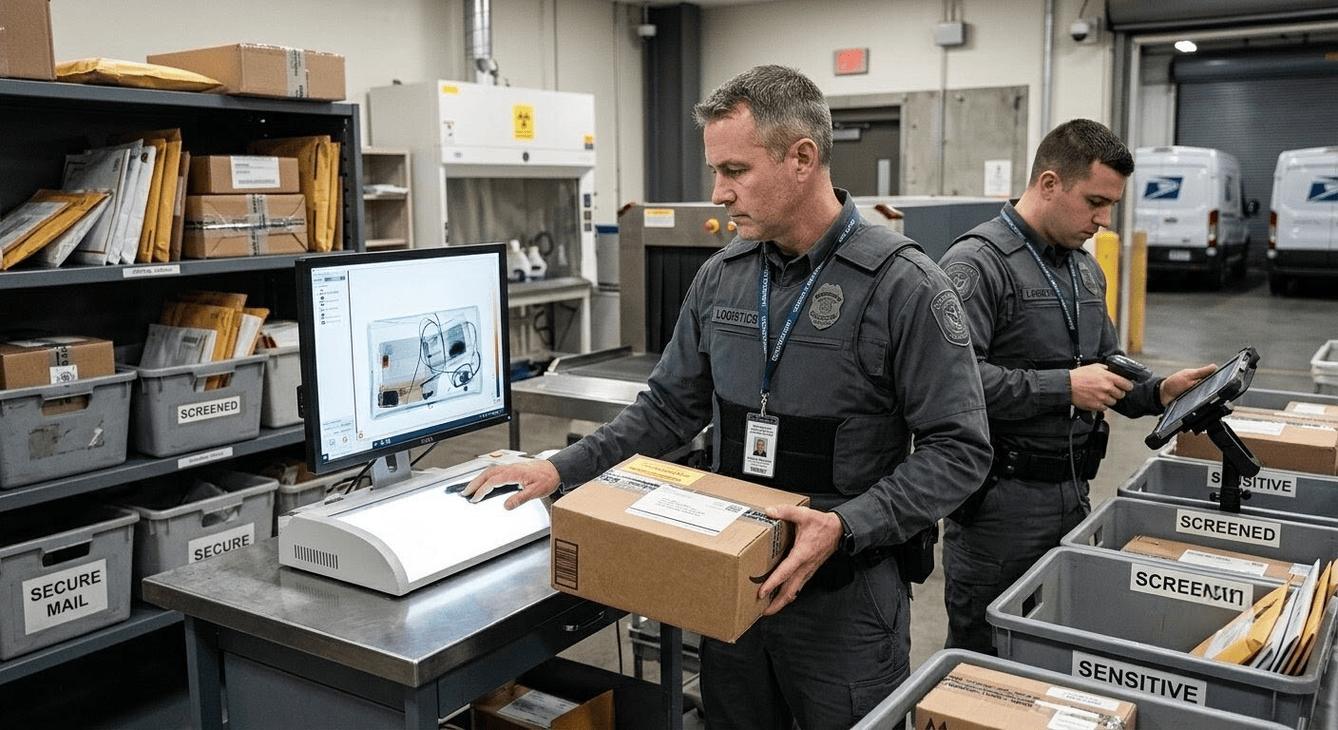
Inbound delivery channels provide a necessary link between government organizations and the public, yet these channels routinely bypass primary building access control points. While security staff monitor visitor lobbies and badged access doors, daily logistics operations bring thousands of unscreened items across facility borders.
Federal, state, and municipal agency hubs face heightened exposure to physical delivery risks because their public-facing mission requires open communication channels. Implementing a modern mailroom management frameworks balances these rigorous screening steps with the quick distribution of legit internal communications. Protecting agency personnel demands an intake system that validates every package at the boundary before it moves into internal workspaces.
Importance of Government Mailroom Safeguards

Physical delivery channels handle sensitive materials that require strict oversight. Federal law enforcement teams respond to over 5,500 violent criminal reports annually involving the mailstream. These incidents highlight why the intake boundary requires dedicated safety measures to ensure a secure working environment.
Unscreened hazardous materials and unauthorized substances present distinct challenges to facility health and safety. Fine particulates, industrial chemicals, or prohibited liquids can disturb building air quality when opened in general work areas. Establishing clear screening procedures prevents hazardous items from entering primary offices.
Disruptive incidents and false alarms also impact daily productivity. Unverified powders or unusual items force full building evacuations, strain local emergency services, and interrupt critical government operations.
Digital security considerations extend to physical deliveries as well. Unsolicited external drives or hardware accessories sent through the mail may contain unauthorized software. Keeping these items out of active agency networks maintains overall cyber health.
Manual inspection routines alone leave room for human oversight. Independent safety evaluations show that entry guards fail to intercept prohibited items during covert audits in approximately 50% of security tests. Establishing structured protocols reduces reliance on visual checks alone.
Physical items moving without digital verification create chain-of-custody gaps. Misplaced files, untracked high-value items, and unverified packages circulating through staff suites undermine overall facility security. Modern parcel management replaces uncertain paper workflows with verifiable digital trails.
Tier 1 Protocols: Advanced Intake Isolation & Screening Infrastructure

- Zone 1 Isolation Facilities: Modern facilities route incoming deliveries to a negative-pressure intake zone separate from the primary building air handler. Dedicated HVAC systems keep atmospheric dust and particulates from migrating into core work areas.
- Dual-Energy Imaging Systems: X-ray screening uses multi-angle scanning to differentiate organic materials, metals, and liquids based on effective atomic numbers. Screeners verify package contents, internal wiring, and hidden compartments before opening any exterior packaging.
- Automated Environmental Monitoring: Air sampling hoods continuously analyze atmospheric particles inside the intake space. Chemical vapor sensors flag unauthorized compounds, maintaining a clean and safe screening environment.
Tier 2 Protocols: Triggering Real-Time Safety Response & Internal Alerts

Standardizing visual indicators gives intake operators clear, objective evaluation criteria. Primary screening flags include:
- Asymmetrical weight distribution or rigid internal packaging.
- Oily discolorations, unusual odors, or unexpected dampness on outer wrappings.
- Excessive postage paired with generic recipient titles or restrictive markings like Personal or Confidential.
- Missing return addresses, misspelled common agency names, or hand-drawn lettering.
Flagging a package triggers automated notification workflows. Digital alert systems broadcast incident data to Facility Security Officers and safety managers simultaneously. Dedicated response pathways secure the item using local containment protocols while staff coordinate appropriate verification steps.
Tier 3 Protocols: Establishing an Immutable Digital Chain of Custody
.png)
Establishing a digital chain of custody resolves the core vulnerabilities of traditional paper tracking:
- Barcode and Optical Character Recognition (OCR) Intake: Scanning tools capture package details immediately upon arrival, eliminating the illegible handwriting and delayed entries common in paper logs.
- Multi-Factor Recipient Verification: Deliveries require contactless ID badge scans or single-use PIN codes at handoff, replacing unverified verbal receipts with secure identity validation.
- Centralized Digital Audit Logs: System software automatically records timestamped scans from the intake dock to final sign-off, removing the need to search through physical paper archives during compliance reviews.
Building a Resilient, Technology-Driven Government Mailroom
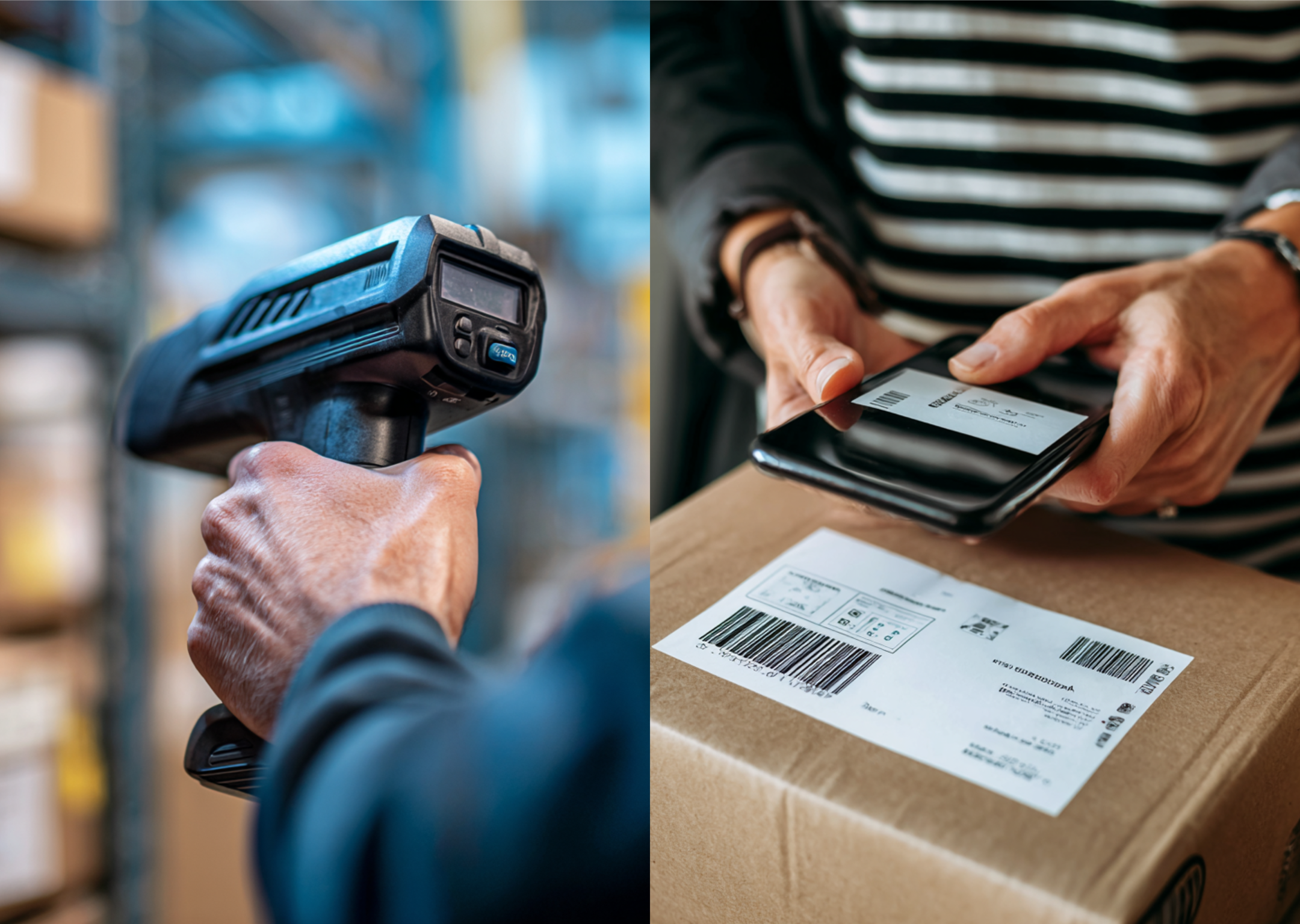
Protecting public sector facilities requires connecting physical screening protocols with digital accountability tools. Verifying physical items at the outer boundary secures the workforce, while maintaining automated tracking over every approved item protects internal security. Government facility managers can simplify intake verification, require secure digital sign-offs, and maintain a complete audit trail using modern tools like Parcel Tracker.
Expert FAQ
What are the primary safety categories managed in government mailstream operations?
Government mail safety protocols handle hazardous substances, prohibited chemical items, false alarm hoaxes, and unauthorized digital hardware.
Why is physical isolation required during initial package intake?
Isolation inside negative-pressure rooms prevents airborne dust, powders, or chemical vapors from escaping into general facility HVAC systems.
How does automated X-ray screening improve security workflows?
Dual-energy X-rays identify dense objects, internal wiring, and unexpected liquids, helping inspectors verify package safety before opening items.
What defines a verifiable digital chain of custody for high-risk facilities?
A digital chain of custody provides timestamped records tracking every item from initial dock arrival through final recipient verification.
Why should high-risk facilities replace manual paper logs with modern software?
Manual logs cause data gaps, lack real-time tracking, and fail to enforce multi-factor identity verification during package handoffs.
How do real-time security alerts mitigate hazardous mailroom incidents?
Automated alerts notify security officers and safety teams instantly when staff flag an unusual item during intake screening.



.svg)