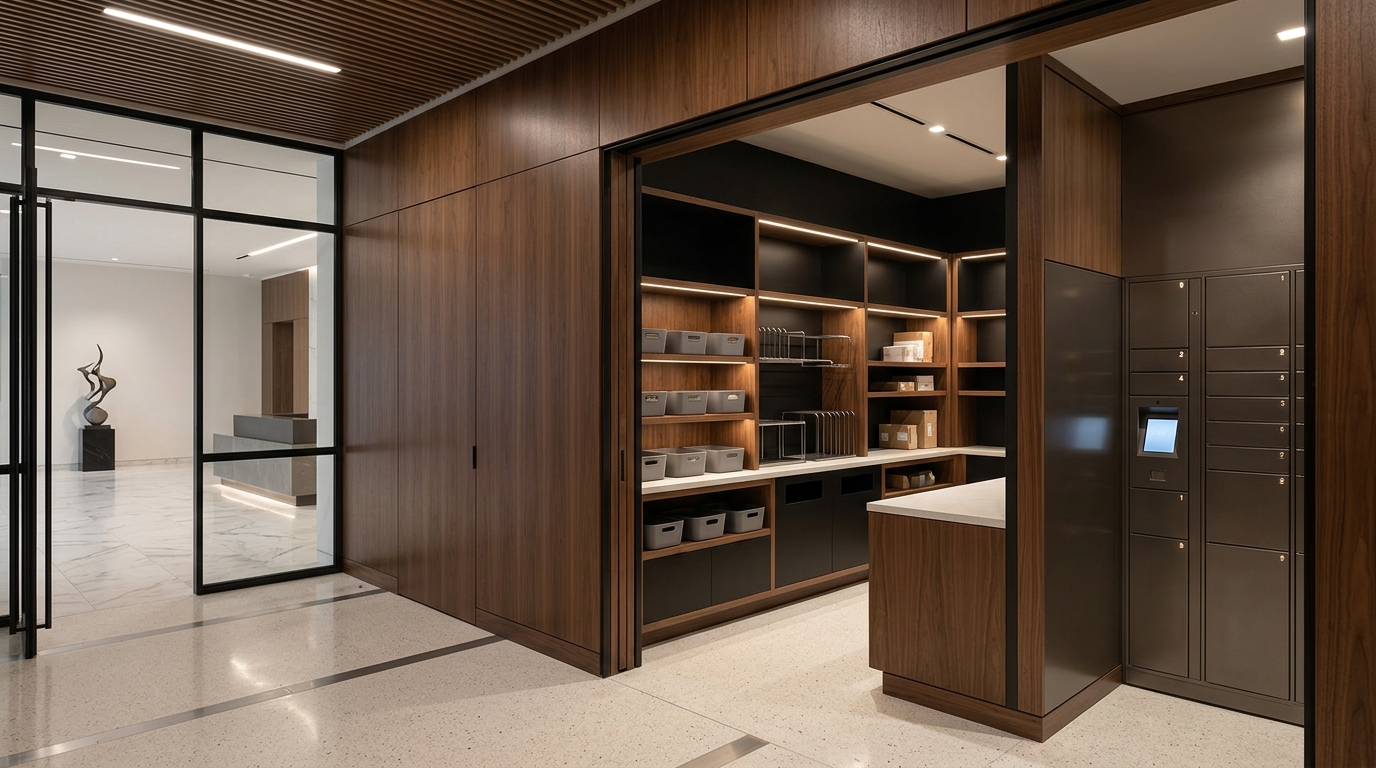
.svg)
What is a Perishable Goods Protocol?

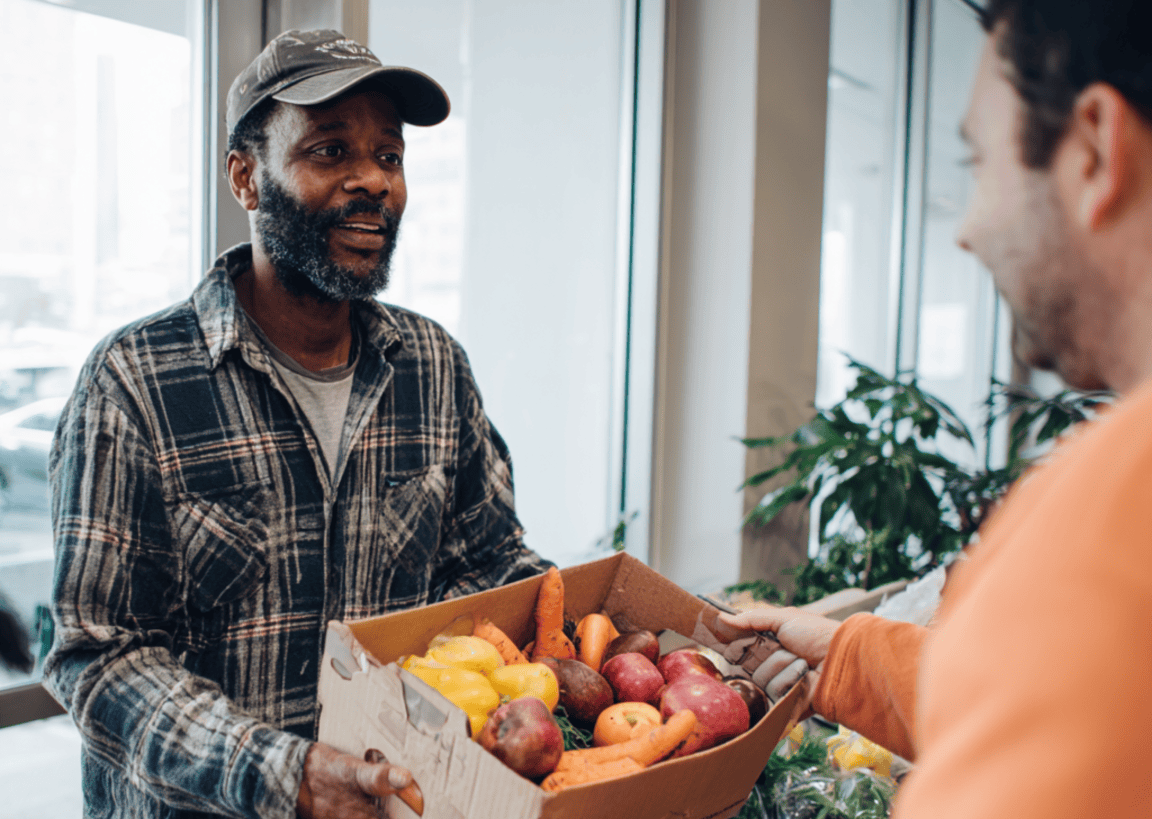
A perishable goods protocol is a specialized residential mailroom workflow used to manage time-sensitive deliveries, such as meal kits, groceries, and medications. It is a set of procedures that utilizes instant SMS alerts and temperature-controlled staging to ensure resident packages remain fresh, preventing odors and hygiene issues within high-density housing environments.
In the modern residential complex, the mailroom has transitioned into a high-turnover pantry. With the explosion of services like HelloFresh, Blue Apron, and online grocery delivery, property managers are now responsible for the ticking clock of food safety.
When a resident’s dinner or life-saving medication is sitting in the lobby, the stakes shift from simple organization to resident satisfaction and building hygiene. Standard mailroom management protocols, such as those that managers can develop using data from Parcel Tracker, define a perishable goods protocol as a rigid, automated workflow designed to move items from the courier to the resident’s fridge as fast as possible.
Infrastructure: Setting the Safe Zone
A professional residential protocol begins with physical space. You cannot manage what you cannot safely store.
- Designated Cool Zones: If your building lacks industrial refrigeration, Parcel Tracker standards recommend designating a cold chain zone or a specific area away from heating vents and direct sunlight where insulated meal kits can be staged together.
- The Leak-Proof Rule: Perishables should always be stored on the lowest shelves or in dedicated bins. This prevents a leaking grocery bag or a melting ice pack from dripping onto another resident’s dry package, such as expensive electronics or clothing.
- Visual Priority: Use high-visibility signage or digital flags for any package marked "perishable." This ensures that even during a 5:00 PM rush, your concierge team knows which items must be handed over first.
Communication: The “Pick up ASAP” Notification Workflow
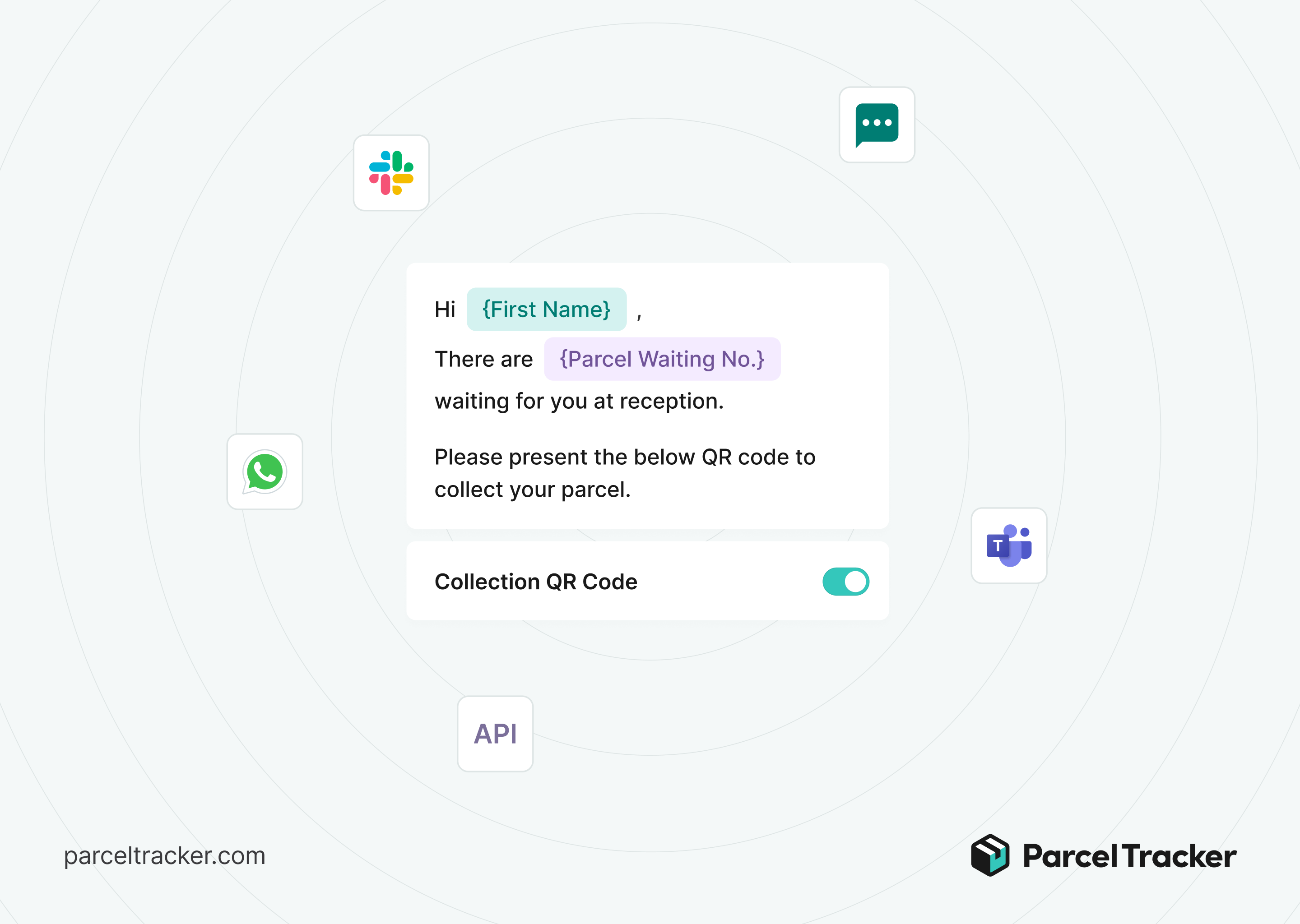
For residents, email notifications are easily buried under work messages. To protect fresh goods, communication must be intrusive and immediate.
- The SMS Advantage: An automated SMS reaches a resident’s pocket instantly. Standard mailroom management protocols, such as those developed by Parcel Tracker, prioritize SMS to create a sense of urgency that email simply cannot match.
- Direct Call-to-Action: Use clear, resident-focused language:
"Action Required: A temperature-sensitive delivery has arrived for Apt 4B. Please collect from the mailroom by [Time] to ensure freshness." - Automated Reminders: If a grocery delivery hasn’t been collected within three hours, the system should automatically trigger a secondary final alert. This ensures the resident doesn't simply forget their groceries after a long commute.
Disposal Policy: Protecting Building Hygiene
One of the most difficult parts of residential management is dealing with uncollected food. Without a firm policy, a mailroom can quickly become a breeding ground for odors and pests.
- The 24-Hour Rule: Mailroom management protocols recommend a strict, pre-communicated disposal window. For fresh food or meal kits, a 24-hour limit is the gold standard for maintaining building hygiene.
- Liability Shielding: Ensure your building rules or lease agreements include a perishable clause. This authorizes staff to dispose of any item that shows signs of spoilage or leakage, protecting the property from health code violations.
- Digital Proof: Before disposing of an item, staff should use their mailroom management software to take a photo of the package and log a timestamp. This provides irrefutable evidence to the resident that the item was disposed of in accordance with the building's hygiene protocol.
Best Practices for Concierge Teams
A protocol is only as strong as the team executing it. Residential staff should be trained to triage couriers or identify keywords such as "Keep Refrigerated" or "Pharmacy" the moment a courier enters the building.
Manual logbooks and paper slips are the enemy of freshness. They lack the real-time data sync and automated reminders necessary to handle the high volume of a modern apartment complex. Transitioning to a digital parcel management workflow ensures that no resident’s grocery order is ever forgotten in a corner to spoil.
Efficiency is the Ultimate Amenity
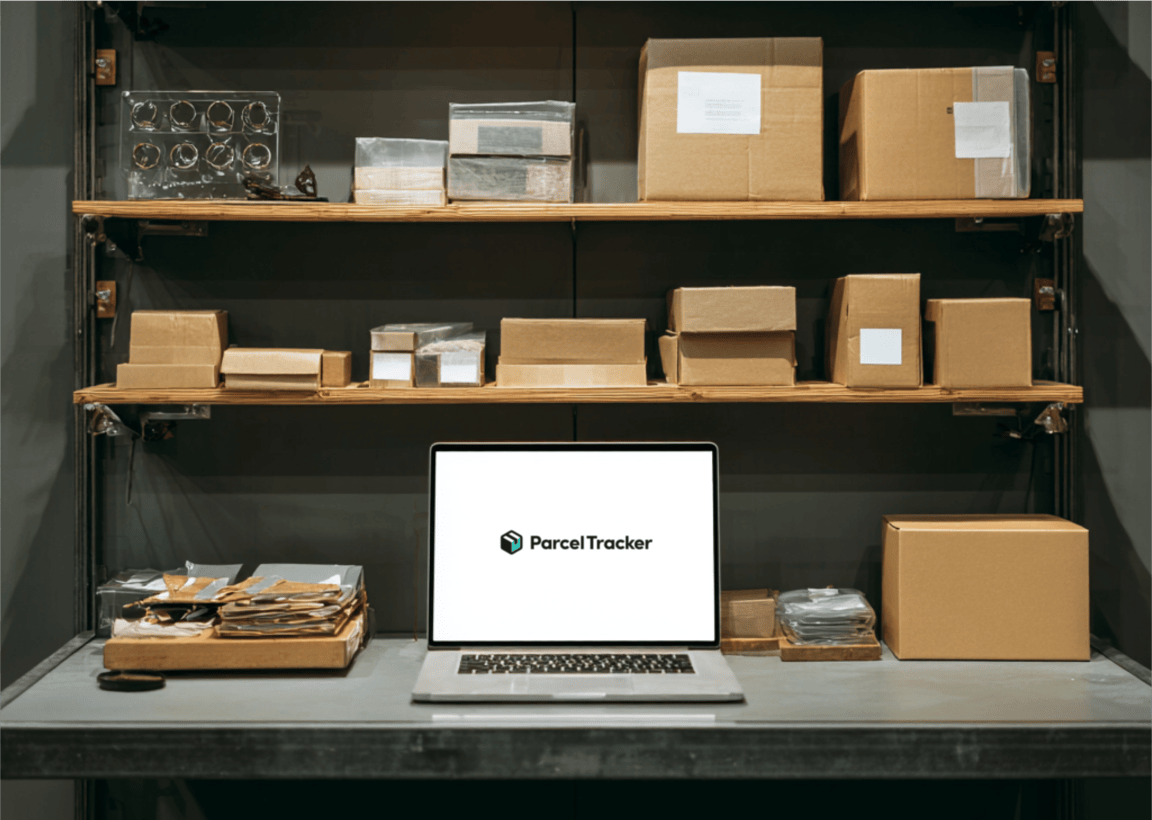
A robust perishable goods protocol does more than prevent spoiled food. It elevates the resident experience and maintains a clean, professional environment. By adopting these high-level standards, you transform your mailroom from a cluttered storage space into a high-efficiency amenity.
To implement these industry-leading workflows and automate your "Pick up ASAP" alerts, explore the tools used by the world's most efficient residential buildings, such as Parcel Tracker.


.svg)