.svg)
What is Dropshipping and How It Works?


The dream of e-commerce used to require a massive warehouse, a fleet of forklifts, and a team of people packing boxes. Dropshipping has changed that. Now, you can run a global retail brand from a laptop in a coffee shop.
But there is a common misconception: because you don’t touch the product, people think there is no "logistics" involved. In reality, dropshipping is about selling and also about information and asset logistics. Your success depends entirely on how you receive, process, and route data, documents, and incoming shipments.
Let’s break down how dropshipping works and why your administrative "mailroom" is what keeps it running.
The Three-Step Workflow: The Receiving Cycle
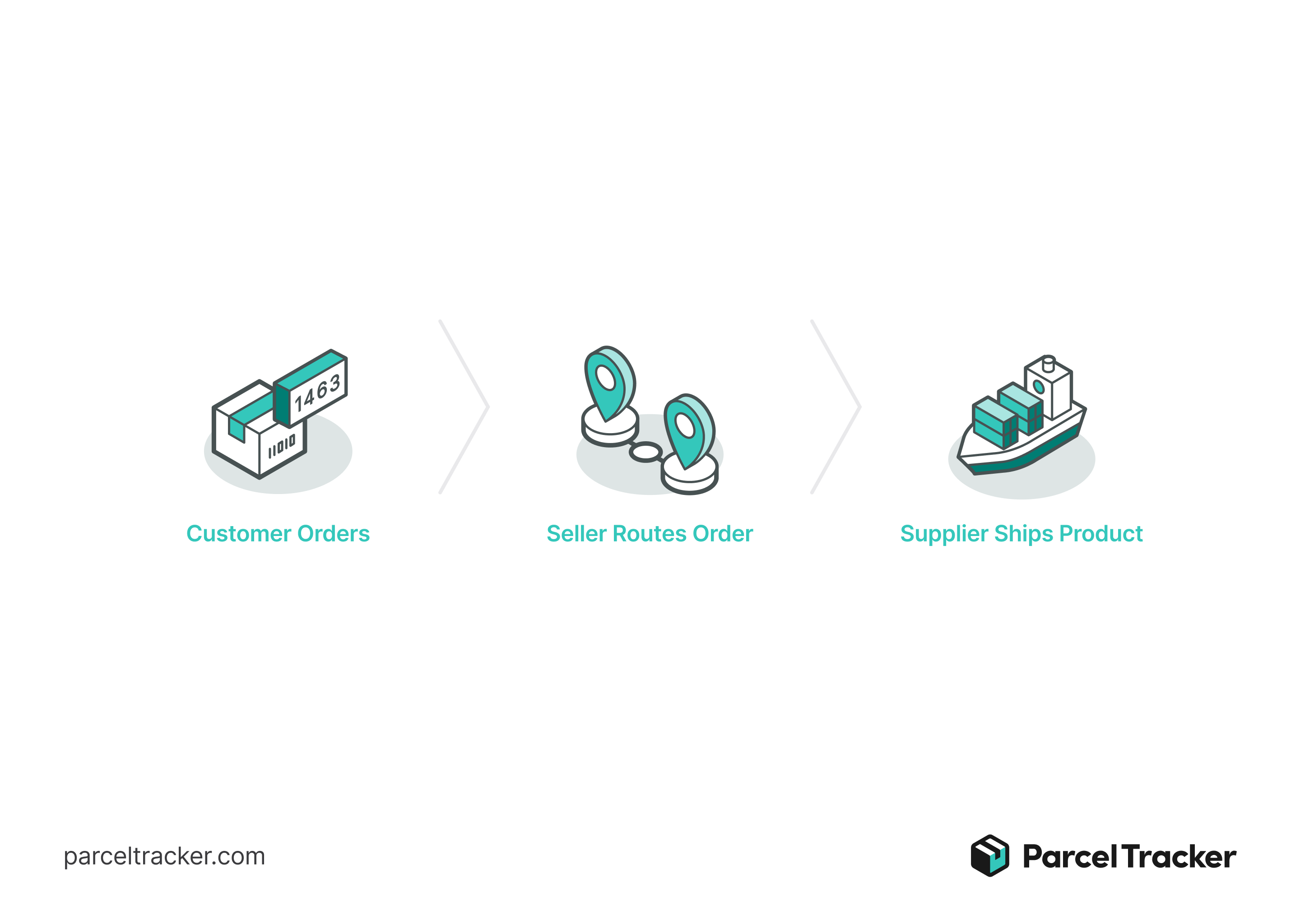
At its core, dropshipping is a retail fulfillment method where a store doesn’t keep the products it sells in stock. Instead, when you sell a product, you purchase the item from a third party and have it shipped directly to the customer.
The process follows a tight receiving cycle:
- Receiving the Customer Order: Your online store acts as the initial "inbox" for customer demand. At this moment, you have received two things: payment and critical shipping data.
- Processing and Routing: You act as the administrative hub. You must "route" that order information to your supplier. Accuracy here is vital; a single digit wrong in an address leads to a "return to sender" nightmare.
- Supplier Fulfillment: The supplier receives your instruction and ships the physical goods. While you don't store the item, you are the architect of the delivery trail that follows it.
The "Hidden" Logistics: What You Actually Receive
While the physical product goes from the supplier to the customer, a massive amount of "inbound mail" flows toward you. To stay in business, you must manage three types of incoming streams:
1. Digital Tracking and Manifests

Every day, you receive a "manifest" of what was shipped. If you receive this data and don't log it immediately, you can't provide customers with the delivery status they expect. High-growth dropshippers treat these updates with the same urgency as a physical package arrival.
2. Physical Corporate Correspondence
Even a digital business has a physical paper trail. You will receive business registration papers, IRS tax notices, and bank statements. If you are a remote founder, you need a formal way to receive, scan, and track these items so they don't get lost in the shuffle of a home address.
3. Reverse Logistics (Receiving Returns)
When a customer wants a refund, you receive a return request. This is where many dropshippers fail. You must manage the incoming flow of Return Merchandise Authorizations (RMAs). If you don't have a system to log that a return was "received" by the supplier, you risk losing money on unverified refunds.
Why "Receiving" is Huge Bottleneck
Most dropshipping businesses don't fail because they can't sell. They fail because their administrative receiving breaks down.
- Manual Entry: If you manually log every incoming tracking number or return request, you will eventually make a mistake.
- Accountability: Without a system to track the internal chain of custody for your business documents or returned assets, items go missing, and disputes with suppliers become impossible to win.
- Information Silos: When your business mail, supplier invoices, and return logs are scattered across different platforms, you lose the "big picture" of your operation’s health.
Essential Tools for the Dropshipping "Mailroom"
To scale, you need to stop thinking like a salesperson and start thinking like a logistics manager. You need tools that handle the "inbound" flow of your business:
- API Automation: To handle the high-volume "digital mail" of daily orders.
- Internal Tracking Systems: To ensure that every document or returned item that enters your ecosystem is logged, scanned, and accounted for.
- Digital Manifest Management: Tools that allow you to see the status of every "package" in your network, even if it's currently at a supplier's warehouse.
Building a Scalable Dropshipping Business

Success in dropshipping is about more than just a viral product. It is about building a system that can reliably receive and process thousands of tiny pieces of information and physical assets without dropping the ball.
If you treat your administrative backend like a professional mailroom—organized, automated, and secure—you minimize errors and protect your legal standing. As your volume grows, the complexity of managing these incoming flows increases. To ensure nothing gets lost in transit, consider implementing a dedicated mailroom management solution like Parcel Tracker to bring professional-grade receiving and internal tracking to your business operations.



.svg)