.svg)
What is Internal Parcel Tracking in Multi-Building Logistics?

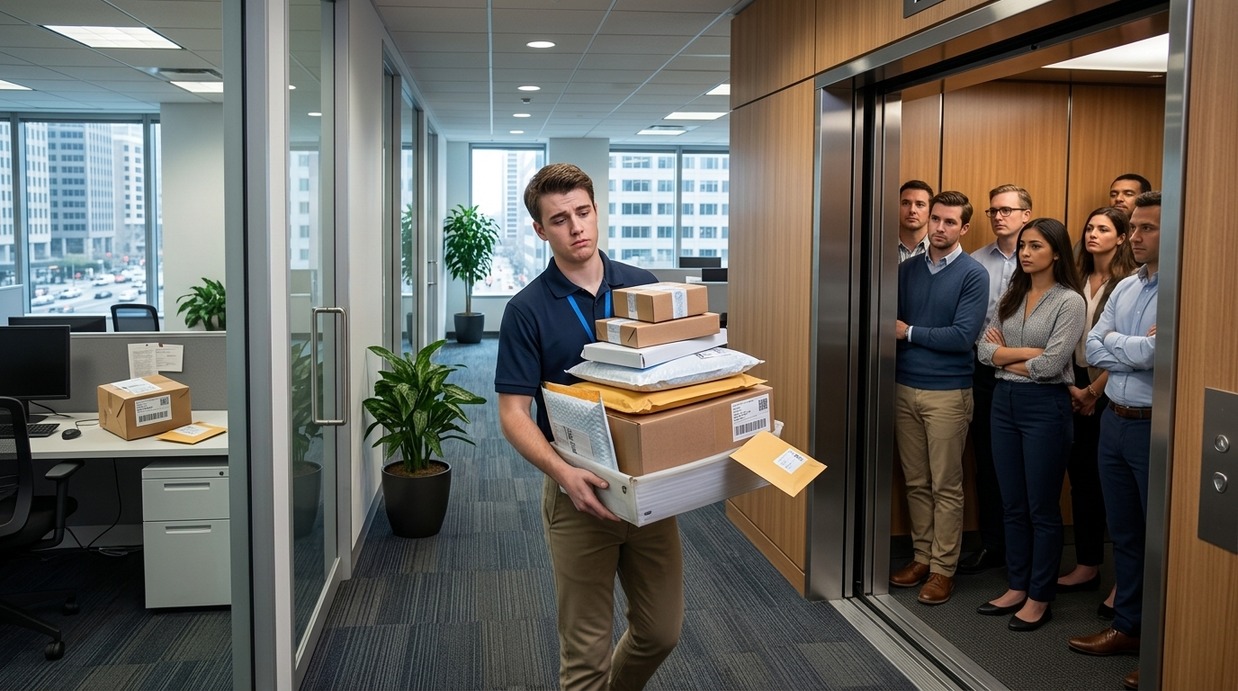
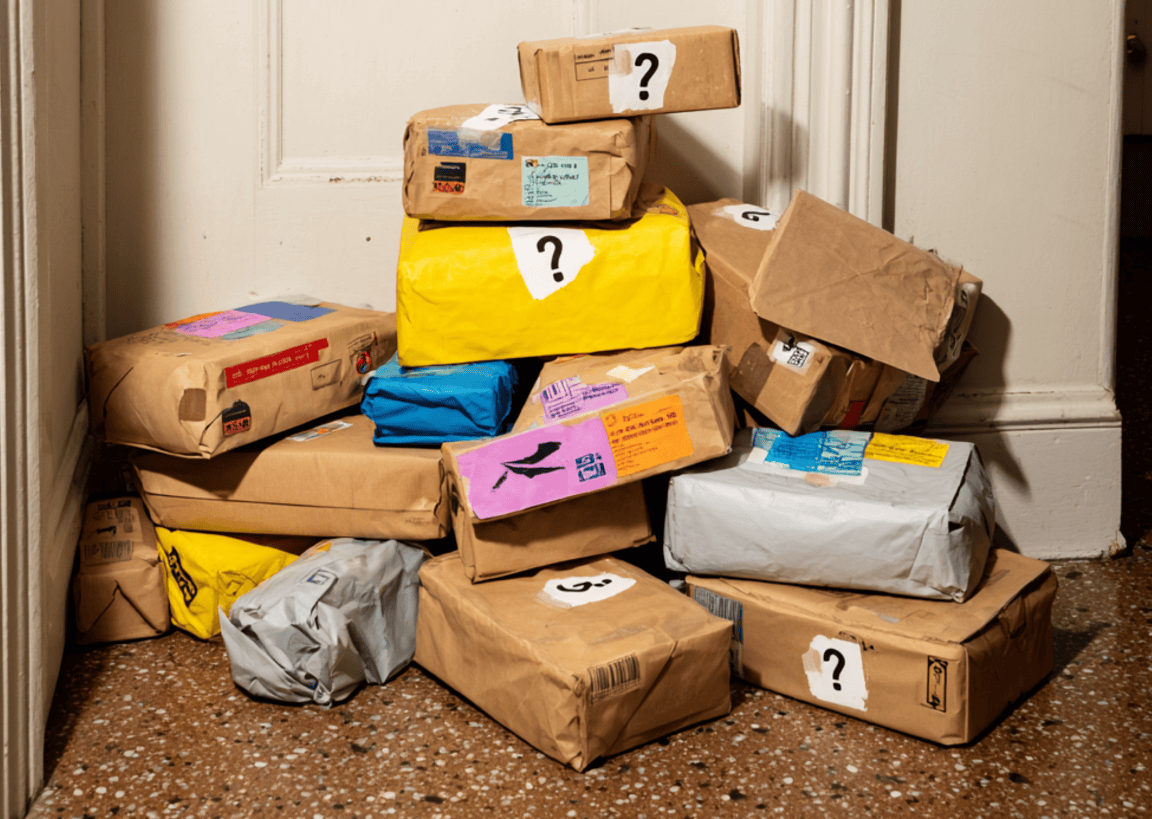
The carrier notification pings "Delivered," yet the package is nowhere to be found. For residents in a single home, this usually means a quick trip to the porch. However, for a professional at a corporate campus or a student in a university dorm, that "Delivered" status is often just the beginning of wasting a lot of time claiming for that parcel.
Global parcel volume is on a trajectory to potentially double to 200 billion by 2030, following a massive surge to over 100 billion packages annually. As volume scales, the last yard of delivery, or the journey from the facility entrance to the recipient’s hands, has become the most critical bottleneck in modern logistics.
Bridging the Gap Between Carrier Tracking and Internal Tracking
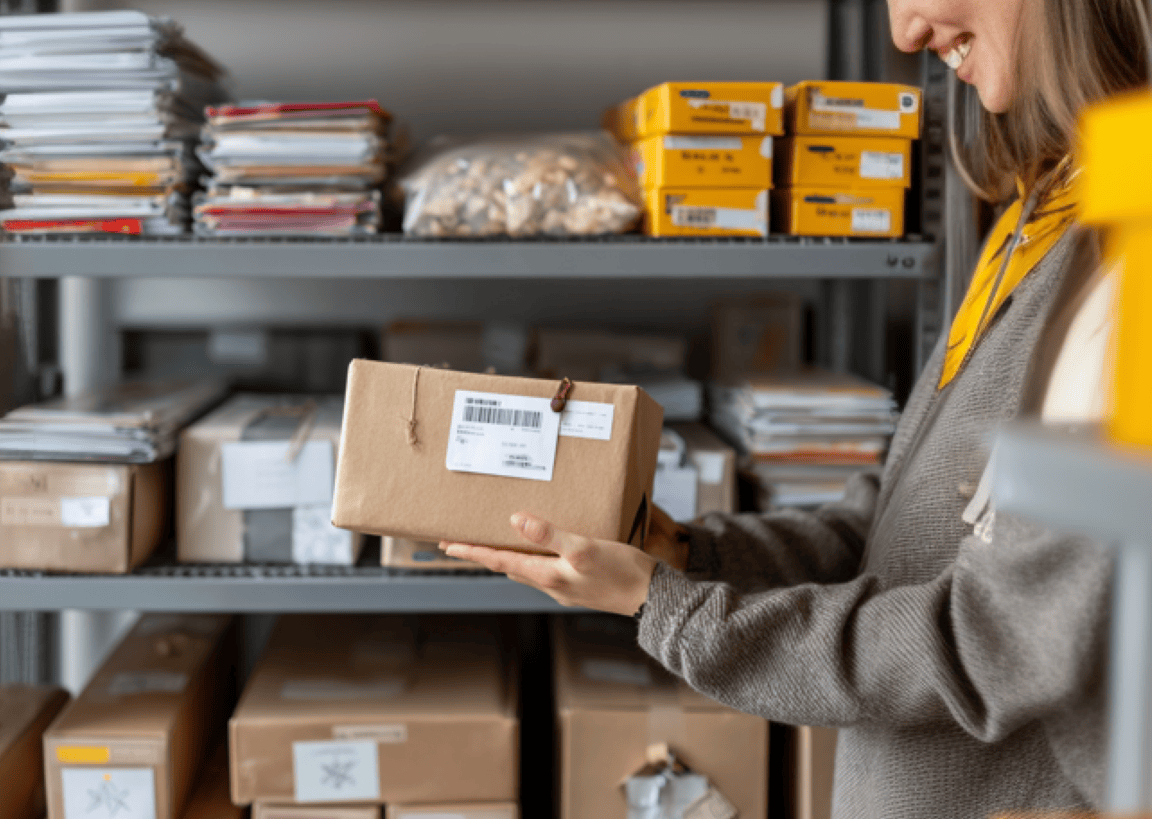
Most people are familiar with carrier tracking or the last mile of delivery. This is the process managed by giants like FedEx or UPS. This stage accounts for 53% of total shipping costs. However, for a large facility, carrier visibility ends the moment a mailroom clerk signs the handheld device at the loading dock.
Internal parcel tracking or the last yard takes over where the carrier leaves off. It manages the package's movement within the facility's private network. Without robust parcel management, the risk of loss skyrockets. Research indicates that the average cost per failed delivery has reached nearly $18. An internal system prevents these costs by ensuring the package actually reaches the final recipient, not just the front gate.
The Multi-Building Logistics Challenge
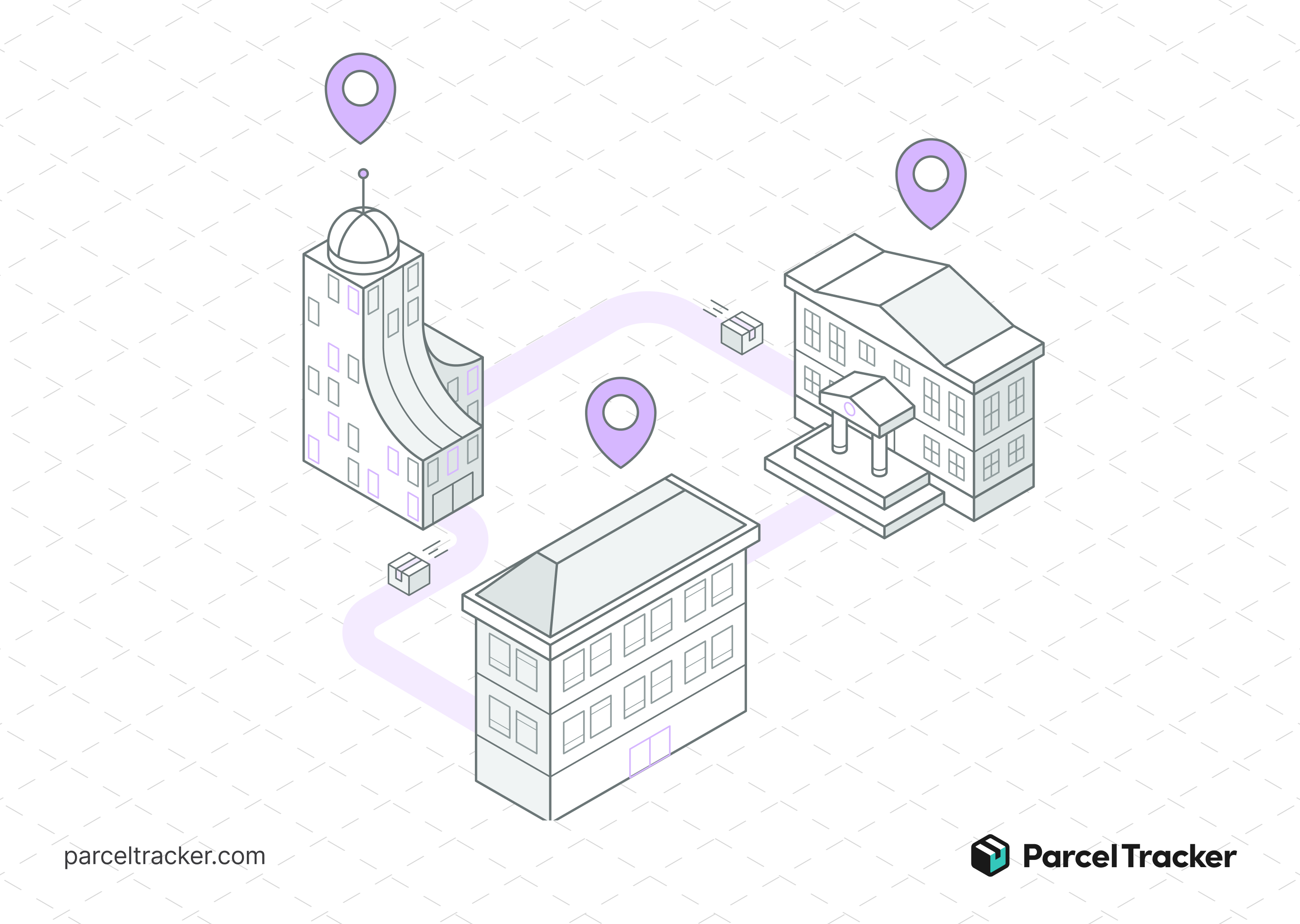
In complex environments like residential complexes, university campuses, hospital systems, or corporate hubs, the mailroom typically operates on a hub-and-spoke model.
- The Challenge: Packages arrive at a central receiving center and must then be sorted and shuttled to different buildings.
- The Risk: Every transfer between buildings is a potential point of failure.
- The Data: Reports say that businesses utilizing real-time tracking and predictive analytics in mailroom management can reduce operational costs by up to 15%. In a multi-building setup, that visibility is the difference between a streamlined operation and a mailroom full of lost parcels.
How Internal Tracking Works
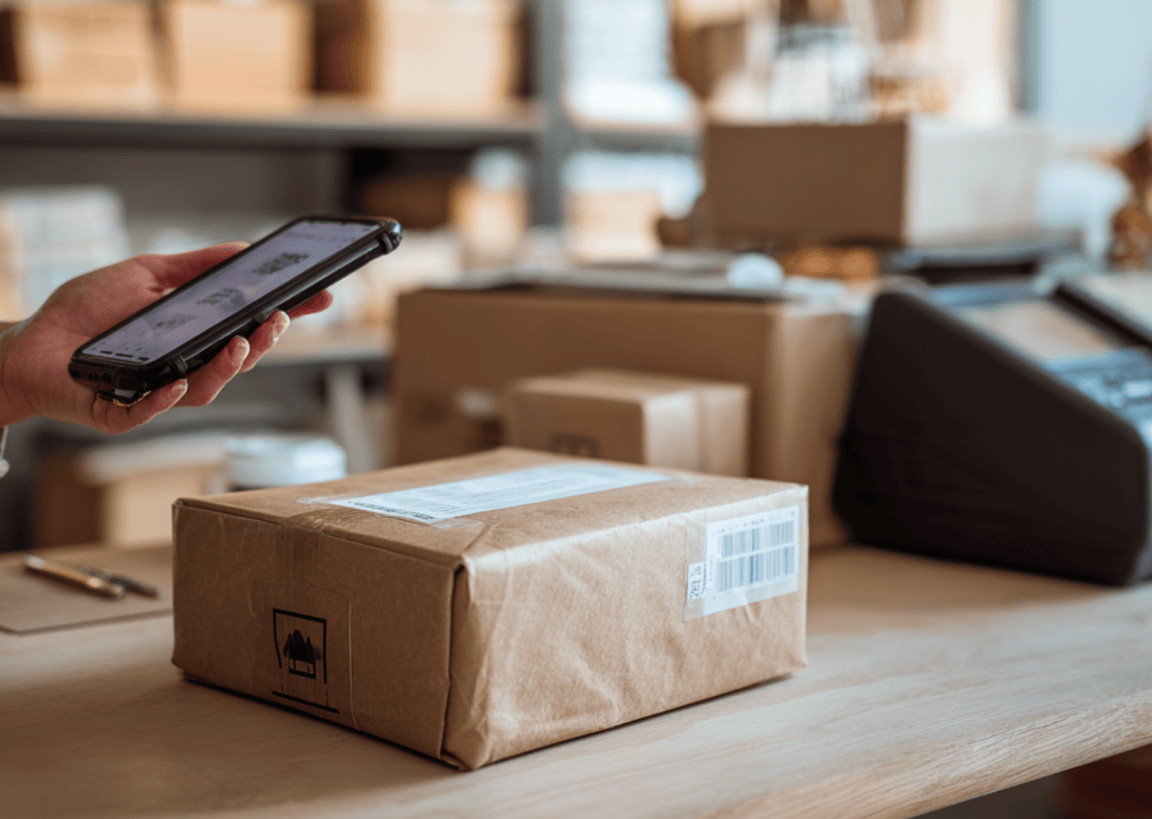
Modern internal logistics now follows a critical digital chain of custody:
- Intake & AI Scanning: Using Optical Character Recognition (OCR), staff scan the carrier barcode to instantly match the package to an internal recipient database.
- Automated Notification: Once logged, the system sends an immediate email or SMS. Research shows automatic notifications can reduce missed deliveries.
- Inter-Building Routing: As the package moves from the central hub to Building B or C, it is scanned at each transition. Effective internal routing ensures every handoff between buildings, departments, or designated collection points is tracked, preventing parcels from disappearing in transit.
- Proof of Delivery (POD): The final recipient provides a QR code scan or e-signature, creating a tamper-proof audit trail.
Why It Matters for Managers
For facilities and mailroom managers, the benefits of going digital are undeniable. Study estimates that integrating automation in logistics can decrease delivery expenses by as much as 40%. More than just the cost, it enhances security by reducing internal theft and increases efficiency. Automated scanning is a lot faster than manual data entry, turning this process from minutes into seconds.
Eliminating Mailroom Blind Spots With Tech
As parcel delivery continues to increase in the years to come, manual mailroom operations can no longer survive. Visibility shouldn't stop at the front door. It must extend to the final recipient’s desk.
To eliminate delivery blind spots, reduce liability, and professionalize your internal logistics, consider implementing a modern solution like Parcel Tracker.


.svg)