.svg)
What is Reverse Logistics?

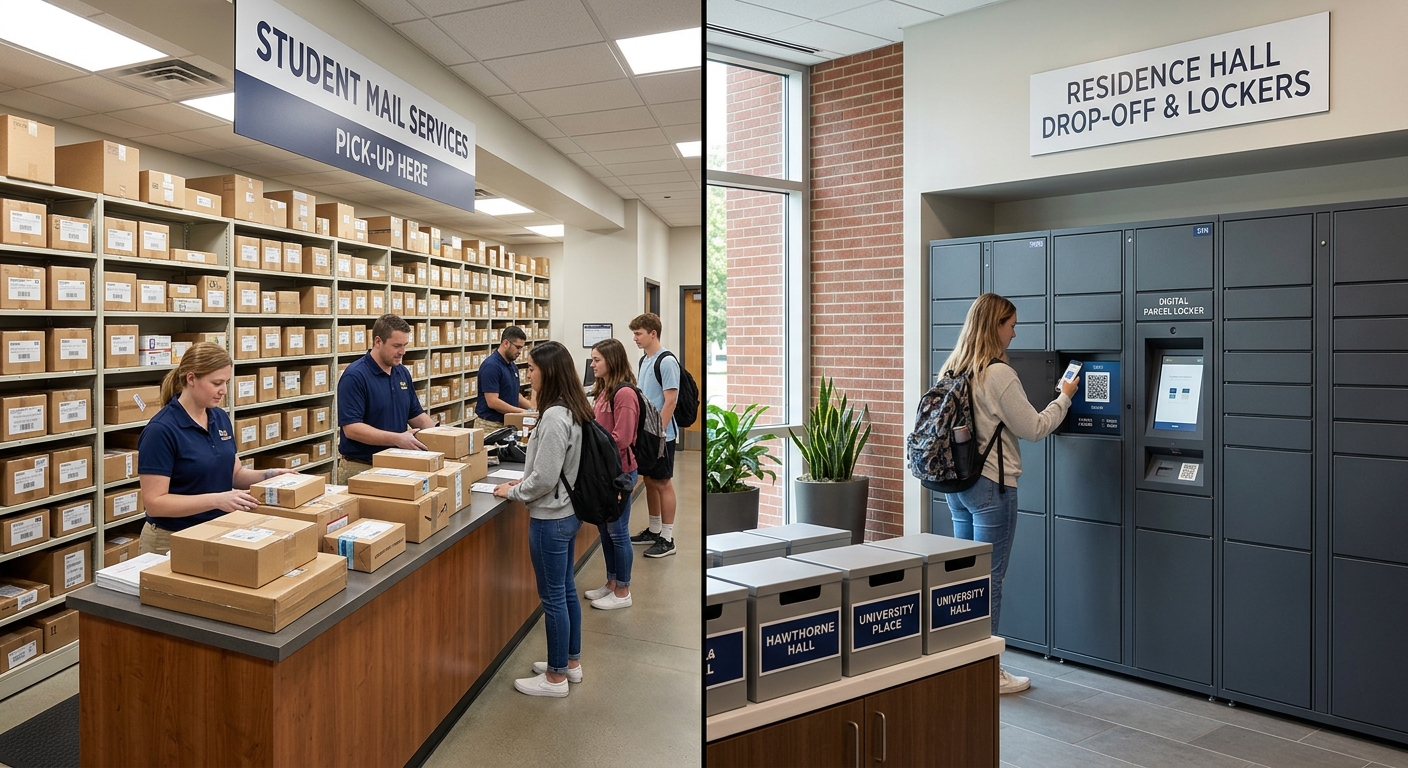
Traditional supply chain management focused almost exclusively on a single direction: forward. Raw materials were sourced, products were manufactured, and finished goods were shipped to retail shelves or directly to the consumer’s doorstep. Success was measured by how quickly and cost-effectively items moved from point A to point B.
The explosive growth of e-commerce, shifting consumer expectations, and an unprecedented corporate focus on sustainability have forced a massive paradigm shift. Today, what happens after the product reaches point B is just as critical to the bottom line.
This is the world of reverse logistics. Far from being a mere operational afterthought or an expensive nuisance, a well-optimized reverse logistics strategy has become a powerful competitive advantage.
In this comprehensive guide, we will break down what reverse logistics is, examine its core components, explore its strategic benefits, and look at how optimizing your overall incoming parcel pipeline can transform your operational efficiency.
Defining Reverse Logistics

At its simplest, reverse logistics is the process of moving goods from their typical final destination back through the supply chain to a seller, distributor, or manufacturer.
While forward logistics adds value by transforming materials into commercial products and delivering them to buyers, reverse logistics preserves value from products that have already been distributed. It encompasses everything from a customer returning a sweater that doesn’t fit, to a manufacturer recalling a defective car part, to a business recycling old hardware components to meet environmental regulations.
Core Components of Reverse Logistics
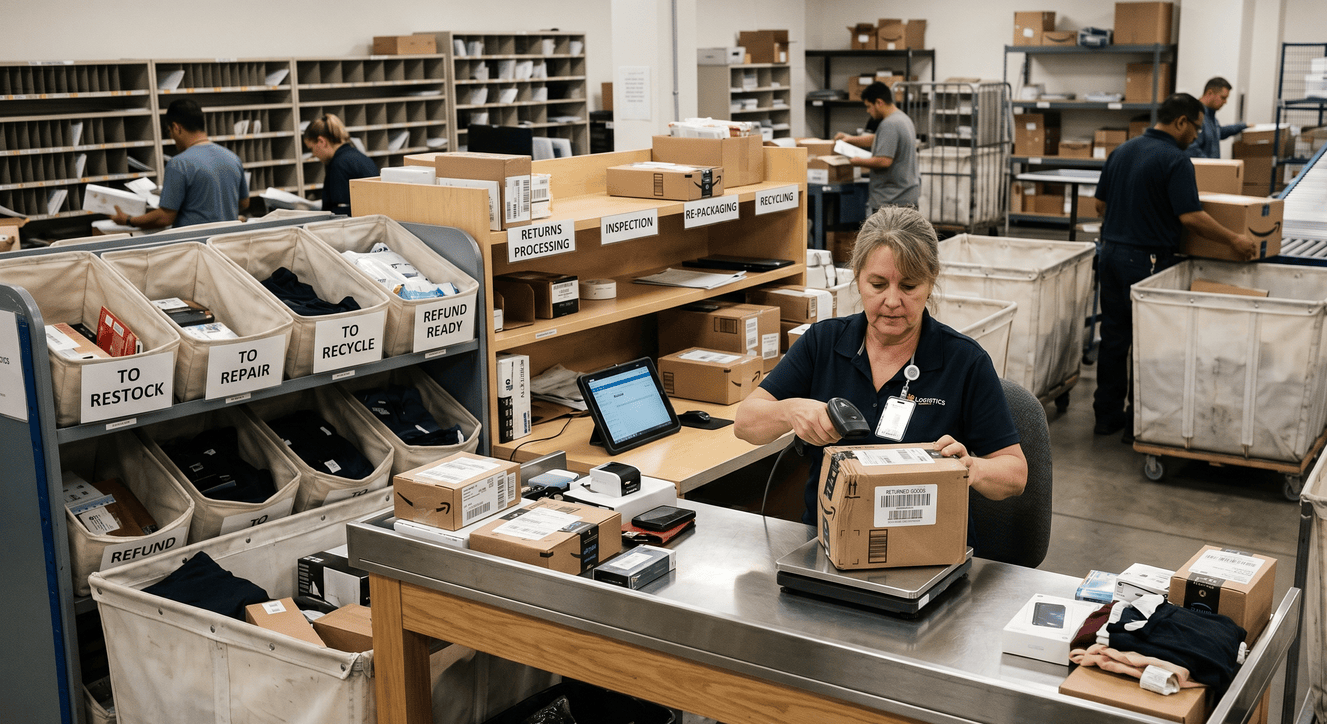
Reverse logistics is often mistakenly used as a synonym for returns management. Customer returns constitute a massive portion of the market, but they represent only one piece of a much larger puzzle. A comprehensive reverse logistics strategy generally includes five distinct pipelines:
A. Customer Returns Management
This is the most visible side of reverse logistics. Consumers return products when items are damaged in transit, the wrong size is ordered, or expectations are not met. The returns management pipeline handles the initial receipt, sorting, and grading of these items to determine whether they can be restocked immediately or require further processing.
B. Remanufacturing, Refurbishing, and Repairing
When an item is returned due to a defect or wear-and-tear, it can be kept out of the landfill through specific reclamation processes:
- Repairing involves fixing minor issues so the product can go back to the original owner or be sold as used.
- Refurbishing requires reconditioning a product to an acceptable quality level, often using a mix of new and used parts.
- Remanufacturing is a deeper industrial process where a product is completely disassembled, worn components are replaced, and it is rebuilt to match original performance specifications.
C. Unsold Goods and Overstock

Retailers frequently need to clear out seasonal inventory, outdated electronics, or slow-moving stock to make room for new arrivals. Reverse logistics governs how these unsold goods are collected from retail footprints and sent back to distribution centers, liquidators, or secondary marketplaces.
D. Packaging Management
This focuses on the reuse of shipping materials. By reclaiming pallets, plastic crates, or specialized containers, companies can significantly reduce their overhead costs and environmental footprint.
E. End-of-Life (EOL)
Proper disposal or recycling of products that are no longer functional. This ensures compliance with environmental laws and allows for the recovery of valuable raw materials from scrap.
Value of a Robust System
Investing in reverse logistics is a necessary component of modern commerce. Companies that master this backward flow of the supply chain enjoy several key benefits:
- Customer Loyalty: A seamless return policy builds brand trust and encourages repeat purchases.
- Cost Recovery: Recapturing value through resale, refurbishing, or parts harvesting prevents total loss on returned items.
- Sustainability: Reducing waste and supporting a circular economy aligns with modern ESG (Environmental, Social, and Governance) goals.
Inbound vs. Reverse Logistics
To understand the full operational picture, one must distinguish between inbound logistics and reverse logistics. Inbound logistics focuses on the movement of goods, parts, and materials into a business from suppliers, whereas reverse logistics specifically manages items moving backward from the end consumer.
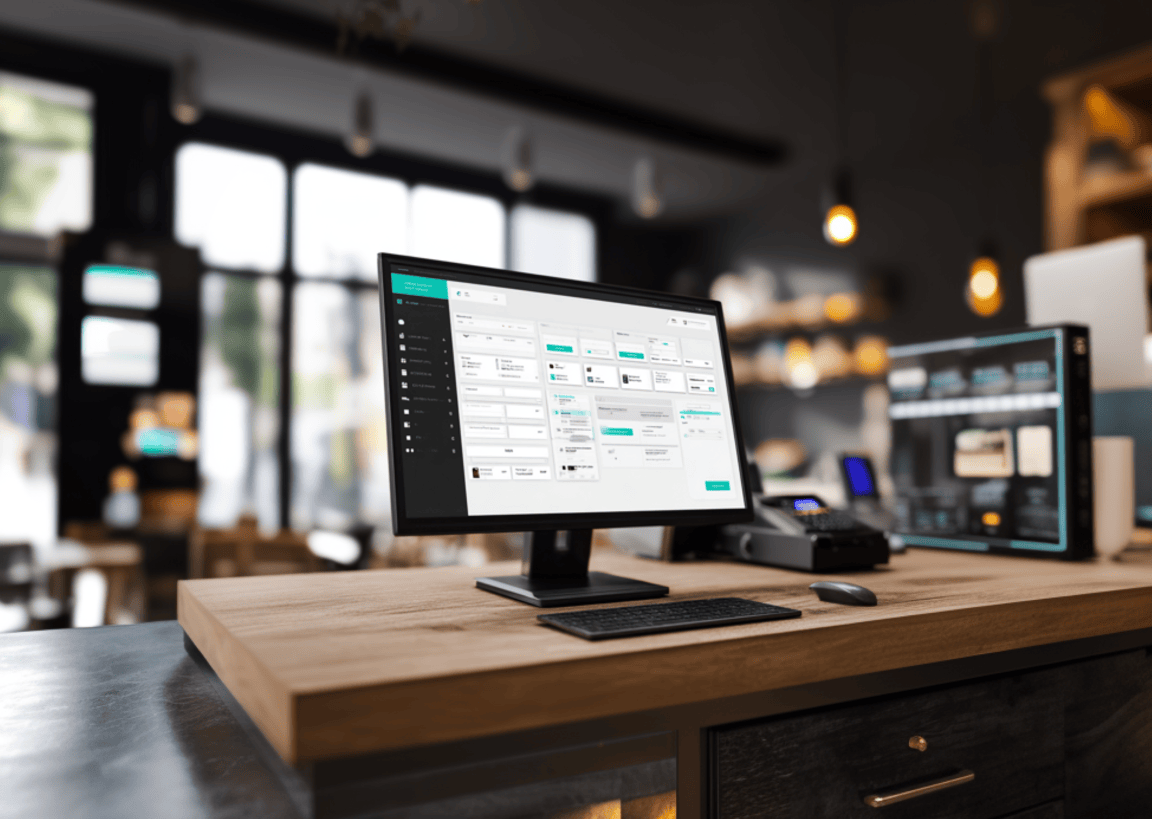
Efficiently managing what enters a building, whether it's raw materials for production or returned stock for sorting, is critical for warehouse and mailroom organization. This is where high-quality delivery tracking software becomes essential.
Enhancing Operations with Technology
High-volume facilities often struggle with the sheer influx of packages arriving daily. This is where the distinction between external shipping and internal management becomes clear.
The Role of Parcel Management
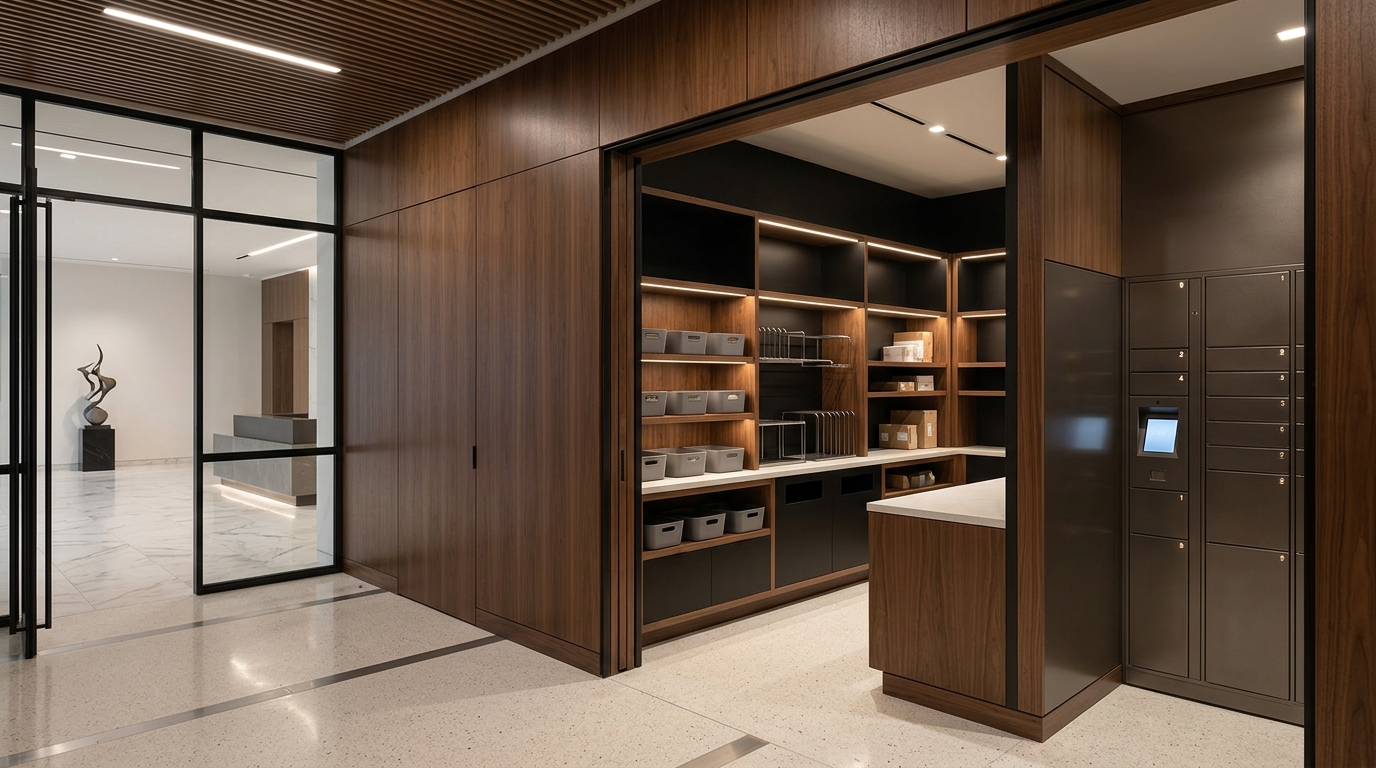
Managing a facility requires knowing exactly where every item is once it crosses your threshold. While external carriers handle the transit, a mailroom management system handles the last mile, which is the journey from the loading dock to the final recipient or department.
Where Parcel Tracker Fits
Parcel Tracker specializes strictly in inbound logistics and parcel management, leaving external reverse logistics supply chains like carrier routing for consumer returns to outside fulfillment networks.
By utilizing package tracking software, facilities can ensure:
- Compliance: Maintain a clear chain of custody for every incoming delivery.
- Speed: Use automated parcel notification to alert staff or tenants the moment a package is logged.
- Organization: Eliminate loading dock bottlenecks caused by unidentified or misplaced inbound items.
Improving Your Complete Inbound and Return Pipeline

Reverse logistics represents a sophisticated lifecycle strategy that impacts sustainability, profitability, and customer satisfaction. A great reverse flow requires strong internal capabilities to manage items upon their return to your facility.
Optimizing the final destinations of your goods depends entirely on how well you organize them upon entry. You can keep your team organized, visible, and efficient by utilizing Parcel Tracker for your inbound mailroom needs.
Expert FAQs
What is reverse logistics in supply chain?
Reverse logistics is the process of moving goods from the consumer back to the seller or manufacturer for returns, repairs, or recycling.
Why is reverse logistics important for sustainability?
It supports the circular economy by reclaiming materials, refurbishing products for resale, and ensuring responsible disposal, which significantly reduces landfill waste.
How does reverse logistics differ from inbound logistics?
Inbound logistics manages raw materials and goods coming from suppliers, while reverse logistics specifically handles products returning from the end consumer.
What are the five Rs of reverse logistics?
The five Rs are typically defined as Returns, Resell, Repair, Repackage, and Recycling, representing the different paths a returned product can take.
How do companies improve reverse logistics efficiency?
Companies improve efficiency by using specialized data analytics, clear return policies, and organized sorting processes at centralized return centers.


.svg)