.svg)
What is Warehouse Management?


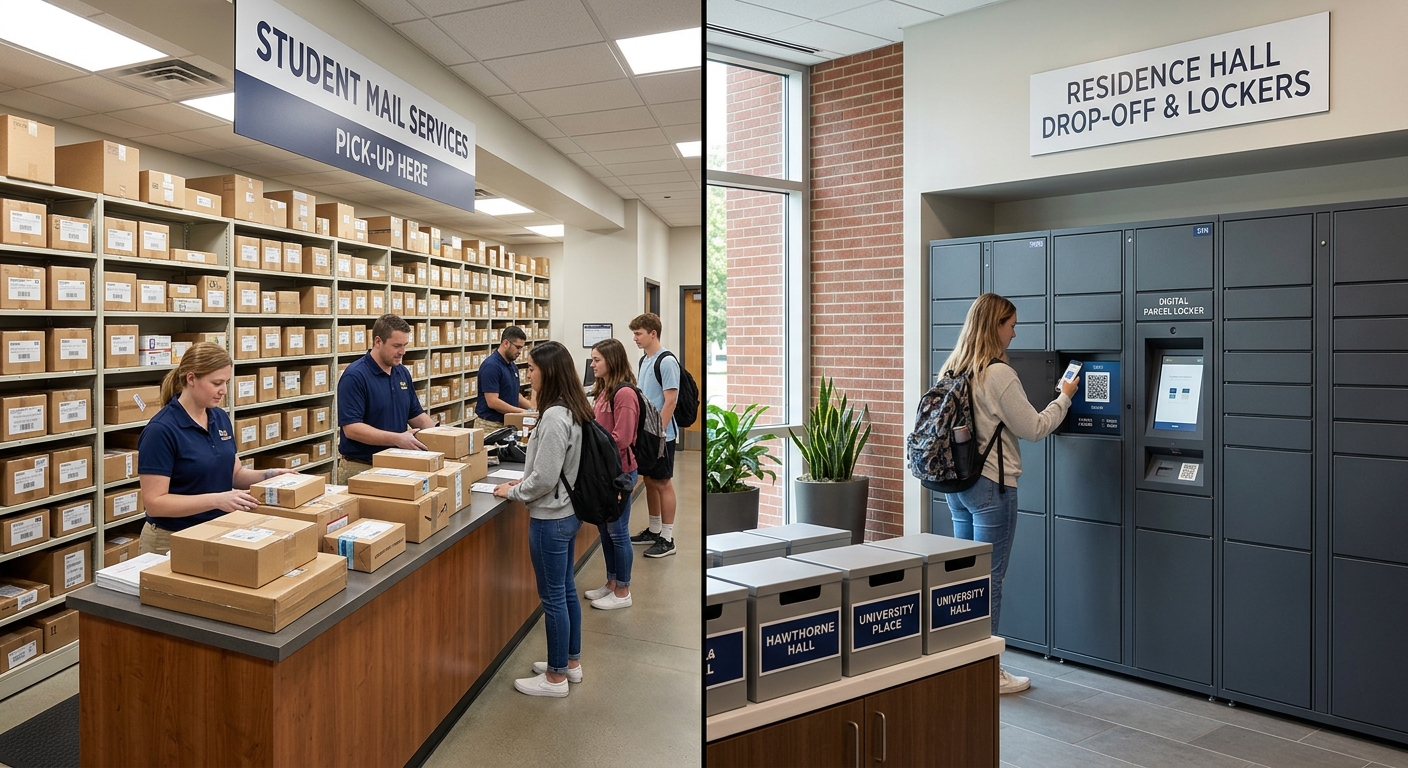
Warehouse management is the process of optimizing and controlling all facility operations from receiving freight to final distribution. In modern logistics, it is a continuous system that connects bulk storage with final-mile internal parcel delivery, ensuring that inventory and incoming packages flow seamlessly from the loading dock to the final recipient.
Adapting to Global Parcel Volume Growth

The modern supply chain functions under intense pressure. Consumer behavior and digital commerce have accelerated demand to historical levels, transforming fulfillment networks into dynamic environments. Global parcel volume reached 100 billion packages annually and is projected to double by 2030, meaning logistics facilities cannot treat storage as a passive activity. Today, warehouse management must function as a driver of velocity and precision rather than a static holding area for excess inventory.
Achieving this high-velocity standard requires a major shift in business philosophy. Traditional structures isolate commercial inventory storage from internal package distribution, treating the warehouse floor and the corporate mailroom as separate, unrelated silos. True optimization demands a continuous logistics ecosystem. Facilities unlock performance gains when bulk freight reception and final-mile internal package tracking flow through a single, unified framework.
This integrated approach strengthens the bottom line by addressing structural friction points. Connecting every zone of the facility under a comprehensive management design lowers overall costs, minimizes internal package transit times, and establishes flawless asset tracking. Modern facilities protect margins, maximize labor productivity, and ensure that every item reaches its destination on time by eliminating communication gaps.
Core Pillars of Effective Warehouse Management

To establish a resilient and scalable system, facility leaders must focus on four foundational pillars. Each component targets a distinct challenge to build a reliable infrastructure:
- Inventory Control and Real-Time Visibility: Accurate inventory control forms the foundation of every successful logistics setup. Utilizing barcode scanning, RFID tagging, and automated tracking systems allows managers to maintain visibility over every item within the facility walls. Real-time monitoring removes the blind spots that cause costly stockouts, overstocking, and delayed order fulfillment.
- Layout Optimization and Spatial Efficiency: Spatial design dictates the speed and efficiency of daily warehouse tasks. Optimizing a physical layout requires zoning that places fast-moving goods near loading docks while maximizing vertical storage capacity for slower-moving items. Smart spatial planning shortens picking paths, minimizes forklift travel distances, and prevents physical congestion in high-traffic corridors.
- Process Standardization and Automation: Standardized workflows turn unpredictable warehouse tasks into reliable, repeatable steps. Establishing explicit protocols for receiving, put-away, picking, packing, and shipping removes guesswork for frontline personnel. Layering automated technologies over these standardized paths further accelerates movement.
- Labor Management and Workforce Productivity: A highly efficient warehouse relies heavily on the productivity and safety of its workforce. Effective management requires data-driven scheduling that matches labor resources with expected inbound and outbound shipment volumes. Tracking key performance indicators fairly helps supervisors identify training opportunities and recognize top performers.
Breaking the Silos: Connecting the Warehouse to the Mailroom
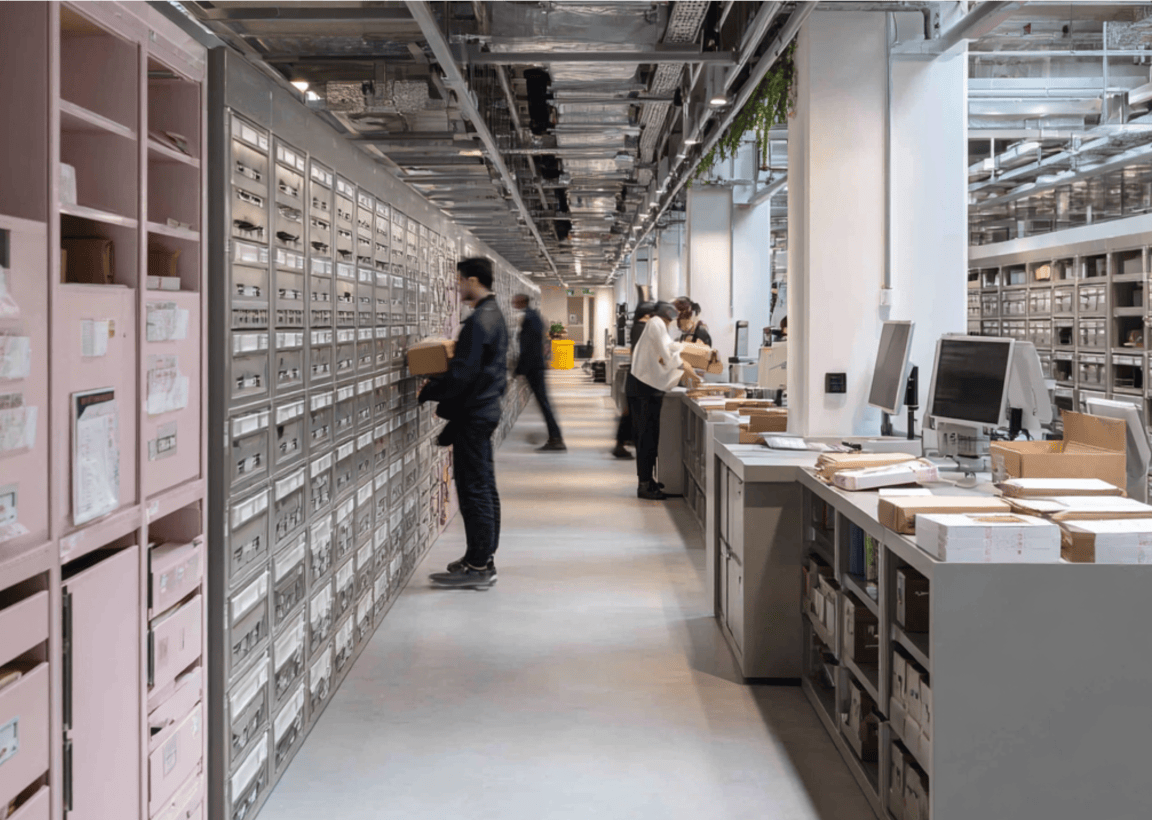
Historically, a strict boundary existed at the receiving dock. Traditional warehouse management systems tracked incoming commercial freight up to the point of receipt, while corporate mailrooms operated on entirely separate, manual logging systems. This gap created immediate blind spots. When bulk pallets contained mixed internal parcels or time-sensitive corporate deliveries, visibility dropped during the handoff between the loading dock and the internal mail sorting room.
Modern enterprise logistics cannot afford these internal visibility gaps. High-volume fulfillment requires a single, continuous flow where the line separating broad inventory storage and internal parcel management completely dissolves. Packages must move through an unbroken custody chain, converting the facility into an integrated pipeline that values small corporate parcels just as highly as large-scale product inventory.
The Unified Flow Process

Managing this transition requires a clear understanding of how items cross different zones. The standard internal logistics pipeline breaks down into four essential stages:
- Receiving Dock: Bulk freight and mixed utility parcels arrive at the facility perimeter.
- Bulk Warehouse: Inventory control systems log commercial stock and separate internal cargo.
- Internal Mailroom: Dedicated final-mile parcel management routes items directly to destination desks.
- Unified Continuous Data Flow: Cloud architecture bridges all three steps to maintain an unbroken digital chain of custody.
Core Advantages
Unifying large-scale warehousing with localized package management removes systemic friction points across the organization. Facilities that merge these systems experience three high-level business advantages:
- Minimized Transit Times: Eliminating redundant sorting steps and manual paperwork allows packages to transition instantly from bulk receiving to internal distribution paths, keeping deliveries on track.
- Flawless Asset Tracking: Digital custody chains ensure total accountability from the moment a delivery vehicle breaches the perimeter gate until the final stakeholder signs for their individual package.
- Reduced Overhead Costs: Consolidating tracking workflows under an integrated framework cuts manual labor hours, removes redundant data entry, and lowers overall facility expenses.
Choosing the Right Technology Infrastructure
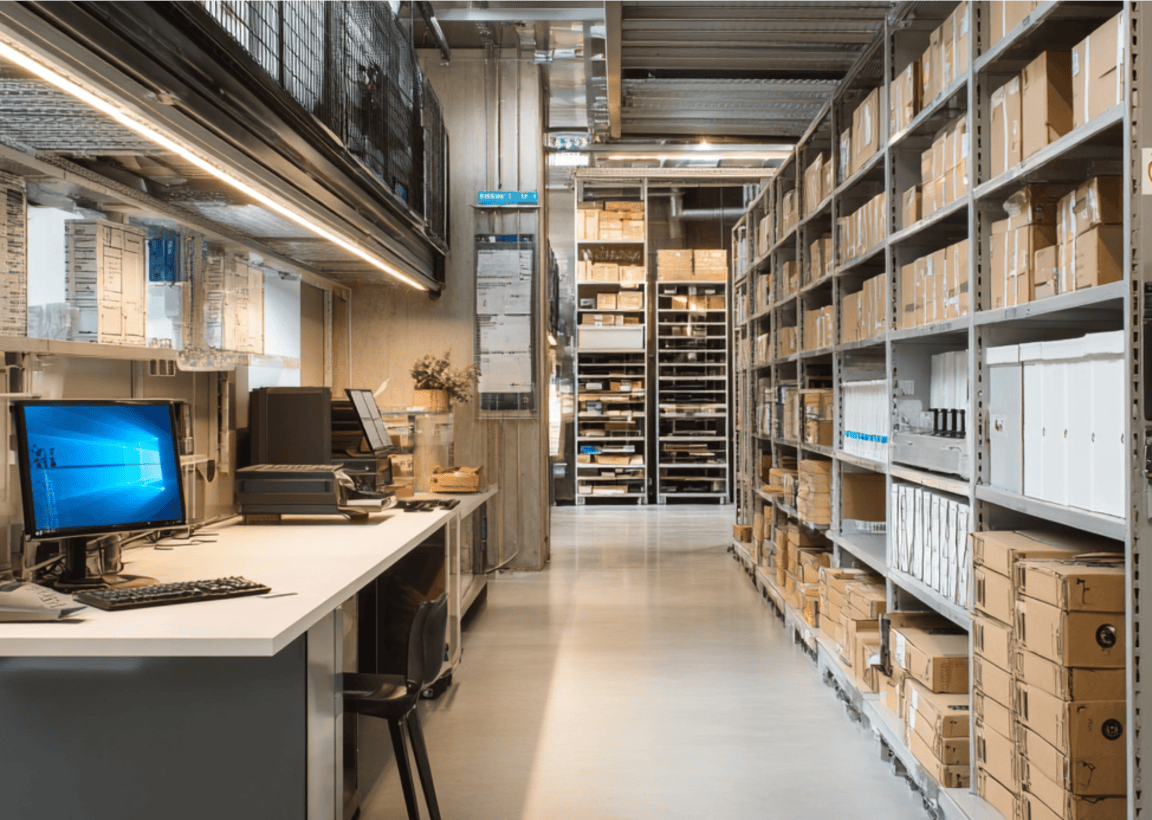
Achieving an integrated logistics model requires a technology stack built for interoperability. A robust Warehouse Management System (WMS) acts as the central brain for bulk inventory, coordinating picking paths, tracking stock levels, and managing freight documentation. However, a WMS alone cannot solve the unique challenges of final-mile internal package distribution, such as notifying individual recipients or managing chaotic corporate mailrooms.
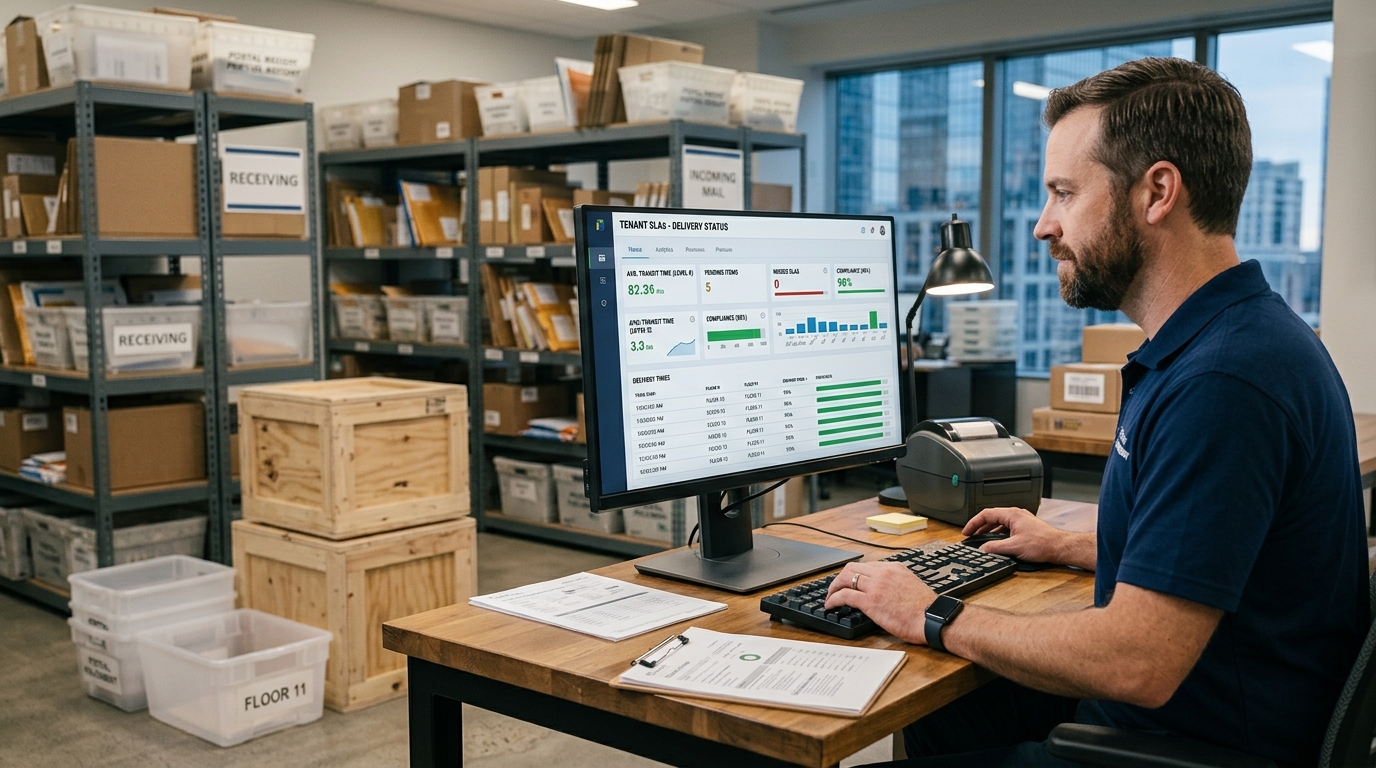
To bridge this gap, companies must implement dedicated delivery tracking software alongside their core inventory systems. This software ecosystem approach relies on open APIs and synchronized data networks. When a specialized mailroom management system communicates directly with broader facility tracking platforms, data flows without interruption. Frontline workers can transition from scanning freight pallets to tracking individual corporate packages using a single, cohesive technological infrastructure.
Transforming Facility Storage into Continuous Flow

Viewing warehouse management as an isolated, stationary storage activity is outdated. True competitive advantage belongs to enterprises that treat their logistics infrastructure as a single, continuous pipeline. Bringing inventory control, spatial design, process automation, and final-mile distribution into alignment allows businesses to build resilient setups capable of handling intense modern volume pressures.
Maximizing facility throughput requires optimizing every link in the chain, from the arrival of heavy commercial freight to the final desktop delivery. If your organization is ready to eliminate corporate blind spots and bring elite tracking precision to your facility, implement a modern, automated mailroom software solution like Parcel Tracker to streamline your internal logistics today.
Expert FAQ
What is the difference between warehouse management and mailroom management?
Warehouse management handles bulk inventory and commercial freight storage, while mailroom management tracks smaller incoming parcels to final internal recipients.
How does mailroom integration improve warehouse efficiency?
Integrating mailroom tracking creates a continuous data flow that eliminates delivery bottlenecks at the facility receiving dock.
Why is real-time asset tracking critical for inbound parcels?
Real-time tracking prevents internal package loss and gives managers total visibility from initial receipt to final handoff.
What software tools connect warehousing with internal delivery?
A warehouse management system handles bulk stock, while dedicated internal logistics platforms track individual incoming employee parcels.
Why do separate silos increase logistics costs?
Silos cause redundant data entry, increase manual labor handling, and create blind spots that delay final internal distribution.


.svg)