.svg)
10 Corporate Mailroom Problems & How to Fix Them


Physical workplace infrastructure faces constant friction as corporate environments adapt to hybrid teams and high incoming parcel volumes. Couriers unload hundreds to thousands of parcels daily into office lobbies and mailrooms. Mailroom staff spend hours sorting, logging, and distributing these physical assets to staff members scattered across multiple floors or remote schedules.
Without structured workflows, mailroom spaces become cluttered quickly. Lost items, security vulnerabilities, and delayed notifications diminish employee satisfaction and waste workplace resources. Modernizing these spaces with systematic tracking, clear policies, and instant notifications helps office teams handle physical parcels with speed and complete visibility.
Most Common Corporate Mailroom Challenges and Practical Solutions
.jpeg)
1. Lost or Misplaced Deliveries
Paper logbooks and manual ledger entries fail during high-volume courier drop-offs. When intake records are unrecorded, staff spend valuable hours searching through storage shelves to locate misplaced items.
Using digital mobile scanning upon arrival creates an immediate, searchable digital entry. Internal team members can search by tracking number or recipient name to verify exact physical receipts.
2. Unlabeled or Misaddressed Parcels
Deliveries arriving with partial recipient names, former staff details, or generic department labels consume significant investigation time. Mailroom staff must search internal employee directories to identify the correct recipient.
Connecting mailroom software with active company directories provides real-time contact suggestions. Establishing vendor shipping requirements ensures third-party suppliers include full employee names and room numbers on all incoming shipments.
3. Parcel Clutter and Storage Bottlenecks
Oversized deliveries and delayed personal pickups create physical hazards in storage areas. Uncollected boxes block walkways, limit shelf availability, and create unnecessary safety hazards.
Tteams can enforce strict pickup timeframes to maintain clear physical spaces:
- Implement 48-hour pickup rules before secondary reminder alerts trigger.
- Install parcel lockers for flexible 24/7 self-service retrieval.
- Designate distinct storage zones based on item dimensions and priority level.
4. Inaccurate Internal Routing for Remote and Hybrid Workers
Delivering parcels to empty desks results in unattended items when staff members work from home. Physical items remain exposed on open desks for days, increasing the risk of loss or accidental displacement.
Syncing mailroom tools with workplace calendar tools allows staff to hold items until the recipient enters the building. Mailroom workers can also batch deliveries for specific days when remote workers are scheduled to be on-site.
5. Manual Logging and Slow Processing Times
Manual spreadsheet data entry slows processing speed during morning delivery windows. Typing recipient names, carrier details, and tracking codes manually increases human error rates and delays final distribution.
Deploying Optical Character Recognition (OCR) tools allows staff to capture label data using mobile devices:
- Scan the parcel shipping label with a smartphone or tablet camera.
- Allow the software to parse recipient names and tracking numbers instantly.
- Confirm the parsed information and complete intake in under two seconds.
6. Delayed Recipient Notifications
Manual email drafting introduces time lags between courier arrival and recipient outreach. Employees frequently arrive at mailrooms to check on deliveries before staff have sorted or logged incoming inventory.
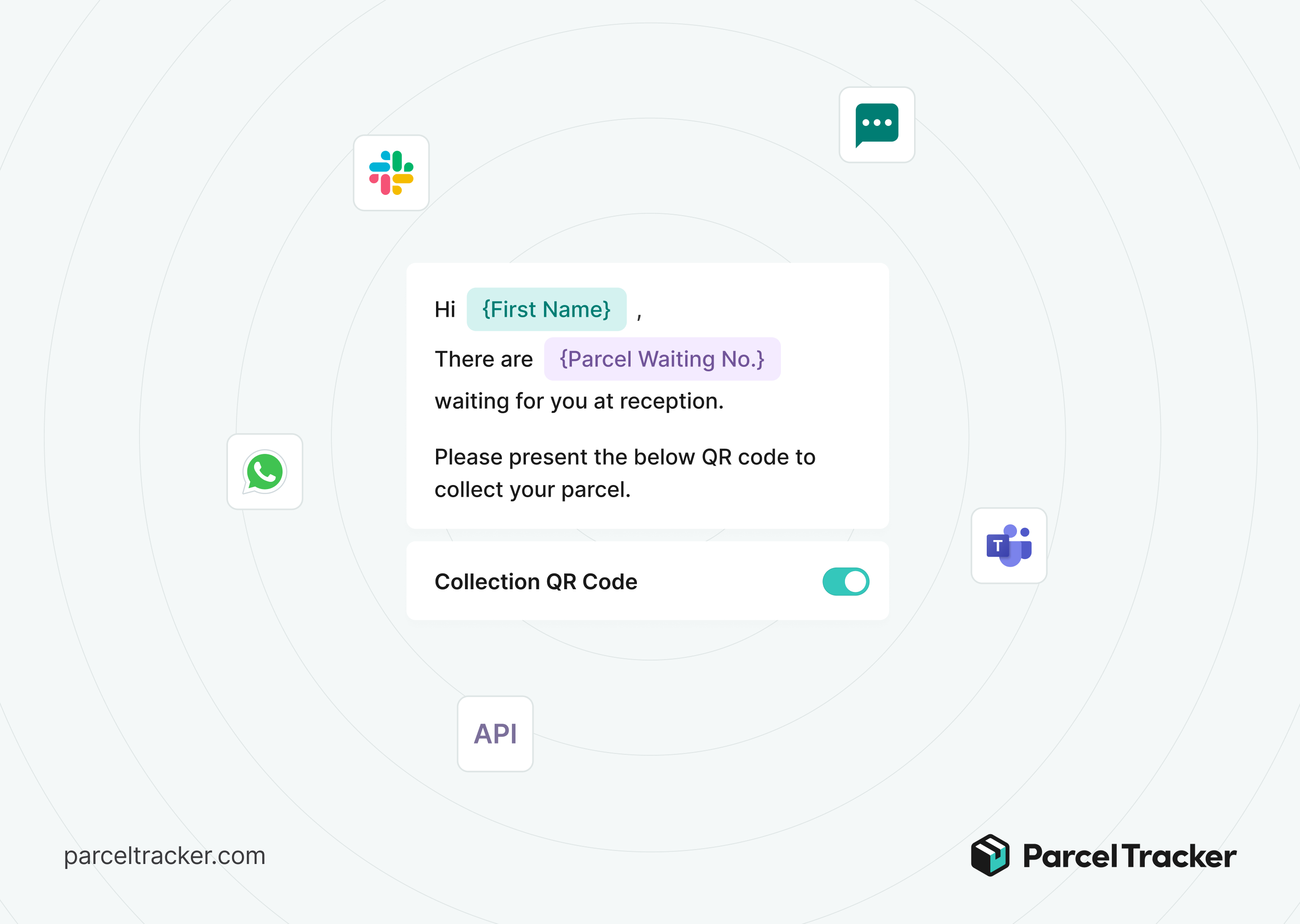
Automated notification systems trigger instant alerts via email, Slack, or Microsoft Teams as soon as a parcel is scanned into the system. Recipients receive full context along with precise pickup locations.
7. Lack of Chain-of-Custody Tracking for Sensitive Parcels
Delivering confidential documents or high-value hardware without verified receipts leaves organizations exposed to risk. Missing audit trails make it difficult to identify where lost items went missing.
Establishing verified handoffs maintains complete visibility across every step of internal distribution:
- Require digital signatures on handheld devices upon physical delivery.
- Capture photo proof of pickup for open desk drop-offs.
- Issue unique PIN release codes for high-security items.
8. Personal vs. Business Mail Overload
Employees utilizing office addresses for personal e-commerce purchases use limited storage space and internal bandwidth. Sorting through personal shopping items distracts staff from core logistics responsibilities.
Facilities managers can control volume by drafting a clear corporate mail policy. The policy can restrict personal deliveries to designated off-site collection points or establish strict size limits for non-business items.
9. Disrupted Outgoing Mail and Shipping Workflows
Incorrect postage calculations, missed carrier pickup cutoffs, and improper packaging slow outgoing corporate shipments. Delays in outgoing documentation can impact client contracts and project deadlines.
Centralizing outbound shipping processes simplifies handling:
- Deploy digital postage systems that calculate carrier rates automatically.
- Schedule recurring carrier pickup windows for predictable outbound timing.
- Standardize packaging supplies to ensure items meet carrier compliance standards.
10. Security and Access Control Vulnerabilities
Unrestricted access to mailrooms allows unauthorized personnel or visitors to enter secure areas. Uncontrolled environments increase the risk of lost items, parcel theft, and exposure of confidential documents.
Restricting room entry using badge access readers or secure keypads protects physical inventory. Placing security cameras over mailroom counters ensures continuous accountability.
Strategies for Upgrading Your Office Mailroom Management
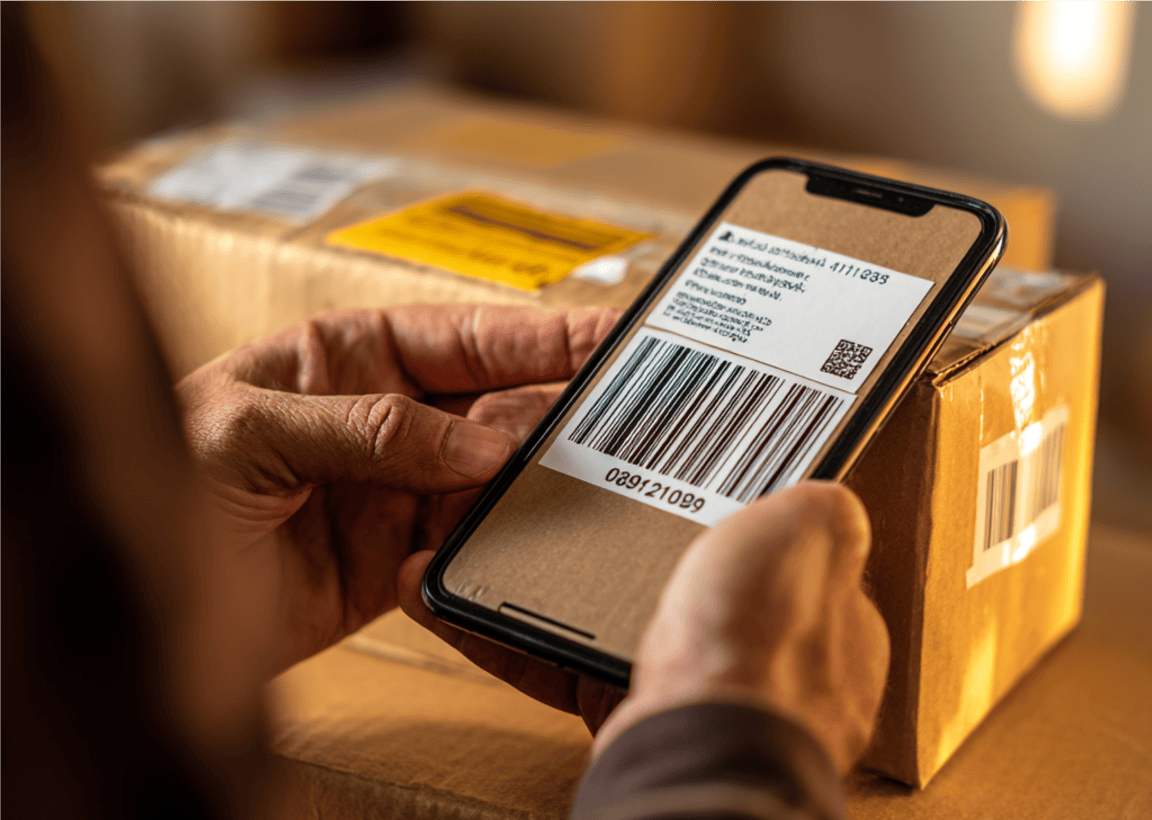
A modern approach to internal distribution requires aligning digital technology, clear spatial organization, and consistent workplace guidelines. Implementing structured mailroom management practices helps teams maintain physical order while processing large daily volumes.
Establishing consistent metrics gives workplace managers clear visibility into physical throughput. Essential key performance indicators include tracking intake speed per parcel with a target of under 5 seconds, monitoring average hold duration to ensure shelf clearance within 24 to 48 hours, and auditing internal parcel loss rates to maintain zero unverified items.
Adopting dedicated parcel management software allows facilities teams to handle high shipping volumes without adding headcount. Modern digital platforms integrate seamlessly with smart lockers and enterprise directories, creating a reliable infrastructure for growing companies.
Transform Your Corporate Mailroom with Modern Parcel Management Solutions
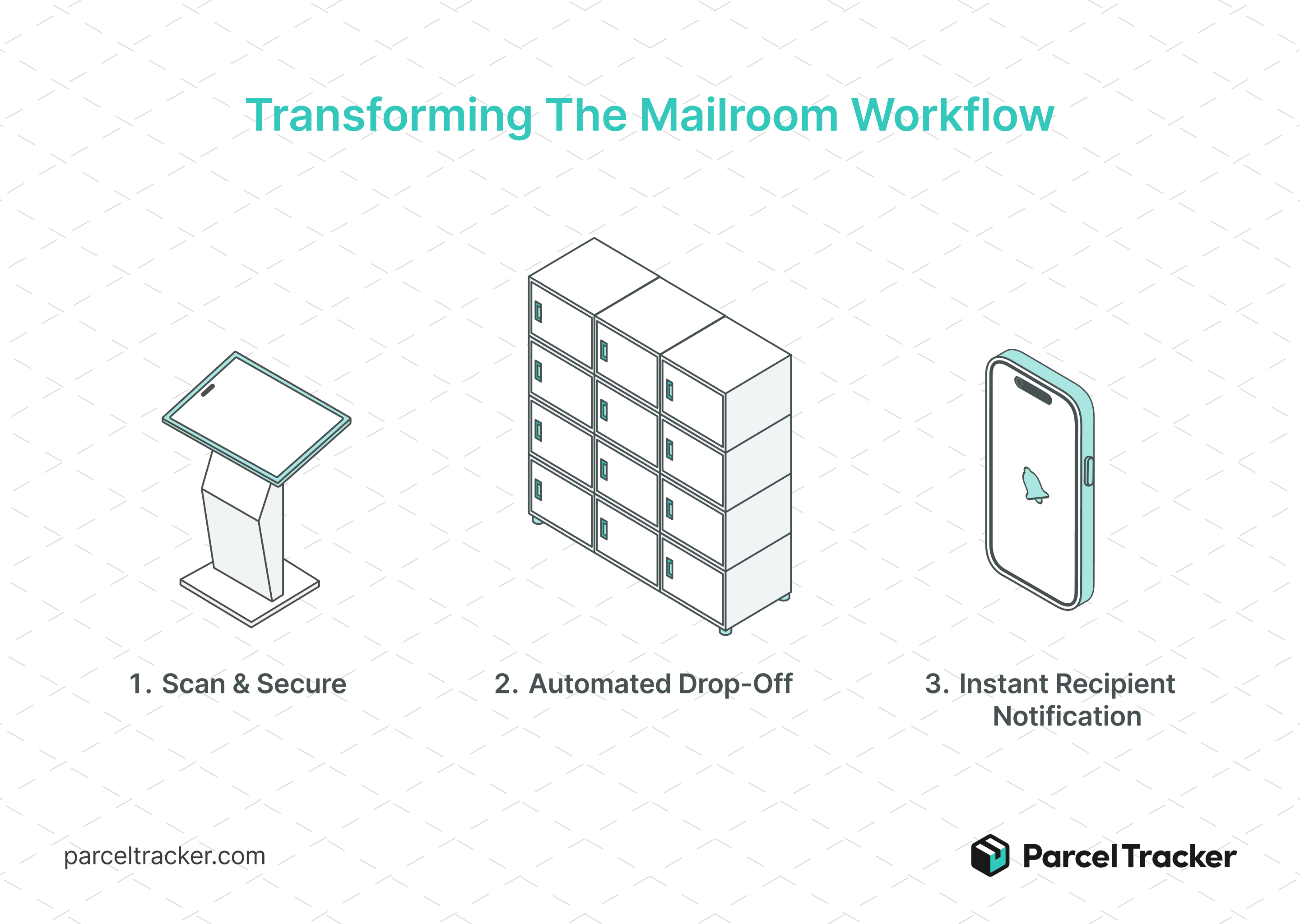
Upgrading internal logistics safeguards corporate assets, saves staff time, and improves workplace efficiency. Standardizing receiving procedures ensures every document and parcel arrives at its intended destination securely.
Facilities leaders looking to eliminate parcel clutter and streamline internal logging can upgrade their operations with Parcel Tracker to automate recipient notifications and track internal deliveries effortlessly.



.svg)