.svg)
Decentralizing the Mailroom: Using Dynamic Rerouting to Cut Geographic Debt


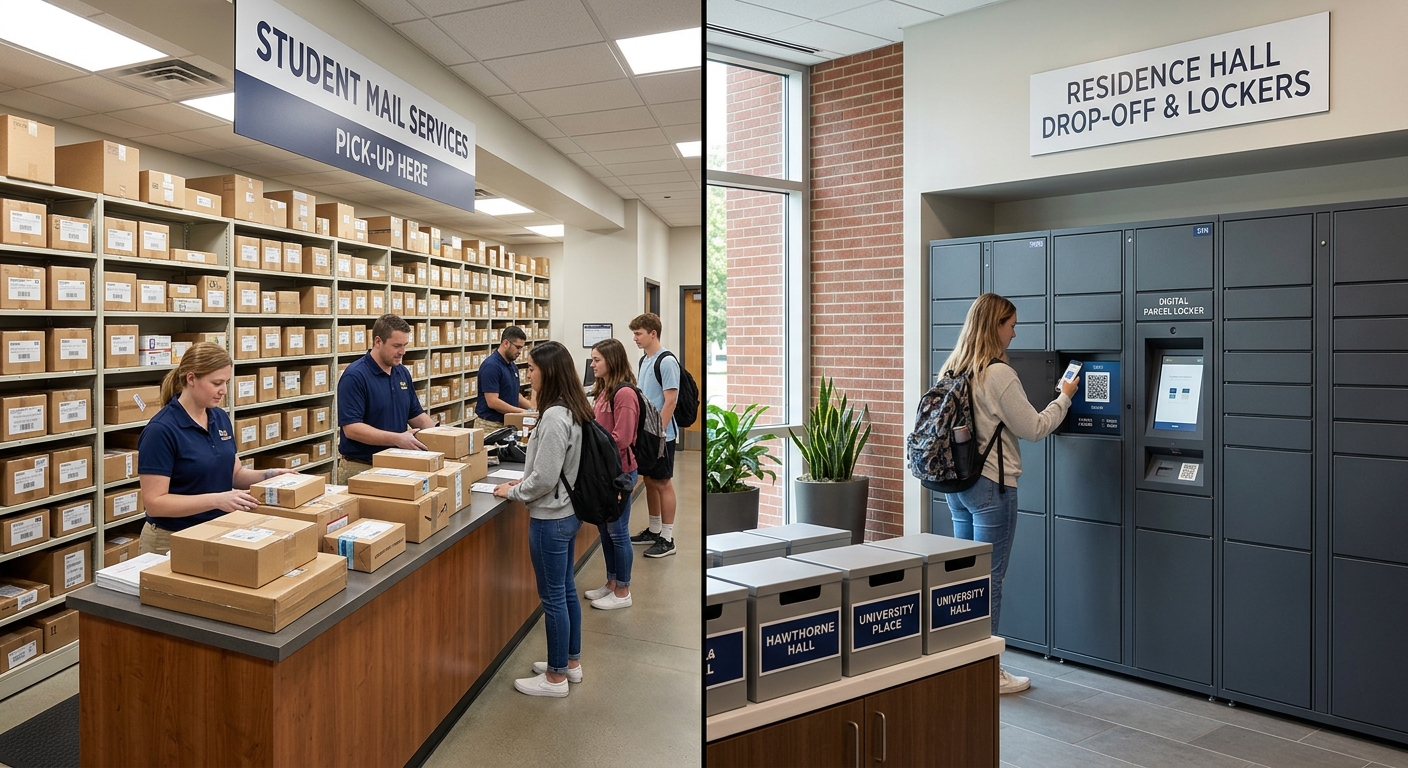
Geographic debt is the accumulated cost, structural delay, and administrative friction caused by relying on rigid, centralized corporate mailroom architectures to serve a distributed enterprise footprint. When incoming assets, client files, and vital inventory must route through a singular headquarters hub before getting forwarded to regional offices or remote endpoints, companies pay a heavy penalty in transit times and duplicated shipping fees. This logistical drag functions as a hidden tax on organizational efficiency, slowing down business-critical workflows.
To eliminate this bottleneck, progressive enterprises are shifting toward automated parcel management solutions that support distributed operations. Organizations can intercept and redirect shipments efficiently by substituting static, centralized routing with agile data-driven workflows. Overcoming geographic debt requires replacing outdated infrastructure with a flexible, multi-node delivery network built for modern corporate reality.
Why Traditional Centralized Mailrooms Fail Today

Legacy corporate mailrooms were engineered for an era when the vast majority of personnel worked inside a single corporate headquarters. In a modern enterprise ecosystem, this centralized approach creates severe liabilities.
- Single-Point-of-Failure Vulnerabilities: A regional storm, facility shutdown, or labor shortage that disrupts a central processing hub halts the package distribution network for the entire corporation.
- Prohibitive Labor Costs: Manual sorting, manual entry into logbooks, and physical notification systems require massive labor overhead that fails to scale alongside increasing inbound parcel volumes.
- Extended Internal Transit Windows: Forcing a package destined for a satellite facility to sit in a central hub for logging and re-labeling adds days to internal transit schedules, lagging far behind modern digital workflow speeds.
How Dynamic Rerouting Solves the Geographic Debt Crisis
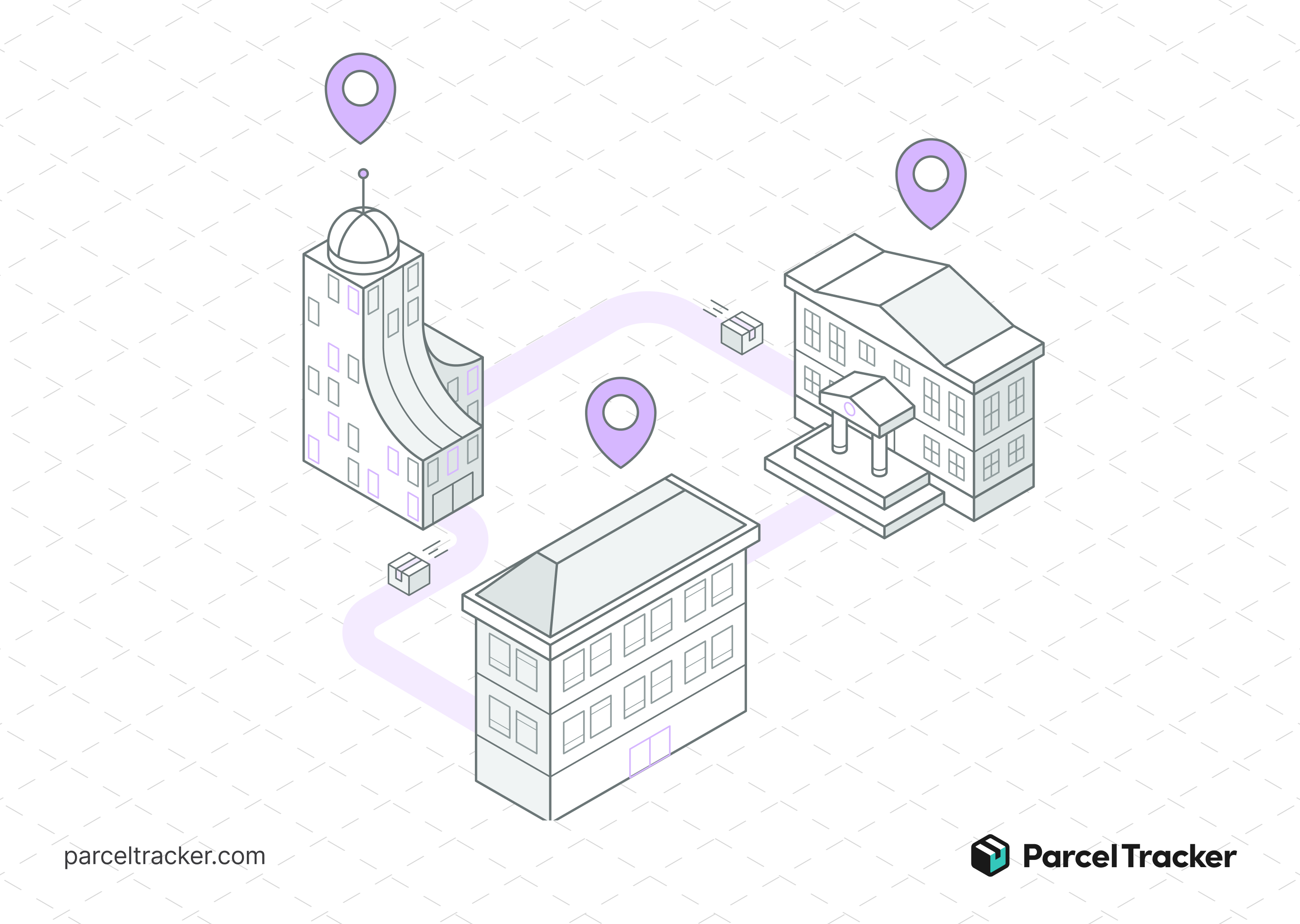
Dynamic rerouting updates corporate logistics by treating delivery networks as flexible, intelligent pipelines rather than fixed pathways. Modern mailroom apps leverage cloud-based tracking data to continuously optimize destination targets based on the actual location of personnel and assets. This approach relies on dynamic internal routing to redirect parcels through the most efficient sequence of buildings, departments, or regional offices, reducing unnecessary handling and delivery delays.
This decentralized framework converts regional desks and smaller satellite offices into localized intake nodes. When an item enters the corporate ecosystem, cloud architecture evaluates the optimal processing location closest to the final recipient. By intercepting shipments and altering destinations mid-transit, enterprises bypass the traditional main hub completely, cutting out unnecessary handling legs and drastically lowering secondary shipping expenditures.
What Features to Look For in a Modern Mailroom Platform
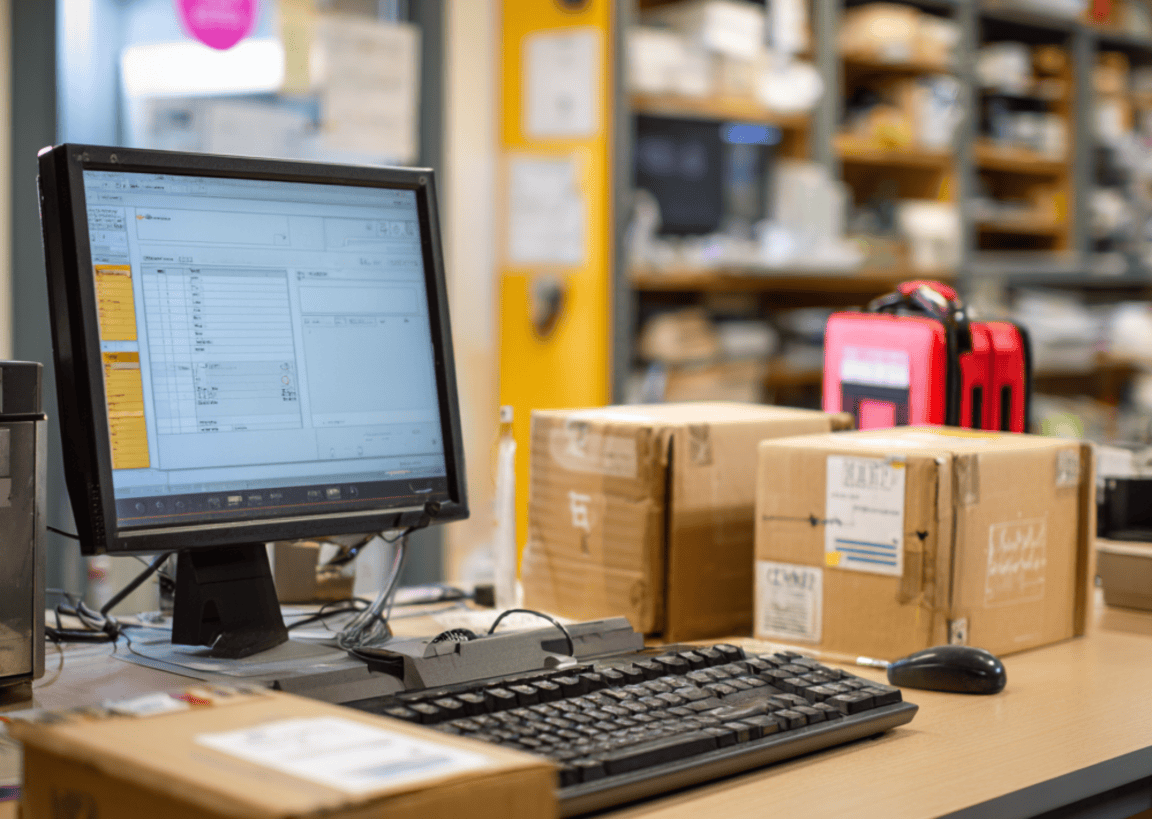
Transitioning away from a centralized liability requires deploying specialized tools optimized for distributed operations. When evaluating the best package tracking app for enterprise deployment, several capabilities are essential:
- AI-Powered Label Scanning: Mobile software utilizes smartphone cameras to instantly read complex courier barcodes, carrier data, and handwritten recipient names without specialized hardware.
- Instant Directory Matching and Alerts: The platform cross-references scans against internal employee directories to trigger real-time notifications via email, SMS, or Slack the moment an item hits the dock.
- End-to-End Chain of Custody: High-value enterprise assets remain protected through mandatory digital signatures, barcode scans at every internal transfer point, and photographic proof of collection.
How to Implement a Decentralized Mailroom Strategy

Shifting from a centralized hub to a flexible network demands a structured execution plan combining software deployment with clear guidelines.
- Audit Asset Flow and Bottlenecks: Analyze historical shipping data to pinpoint where packages experience the longest transit delays and where redundant shipping legs occur.
- Equip Satellite Nodes: Roll out intuitive mobile package tracking software across reception desks, regional offices, and flexible workspaces to turn any laptop or smartphone into a functional check-in station.
- Integrate Workplace Software: Link your inbound parcel data into existing facility management tools and enterprise resource planning systems to create unified visibility.
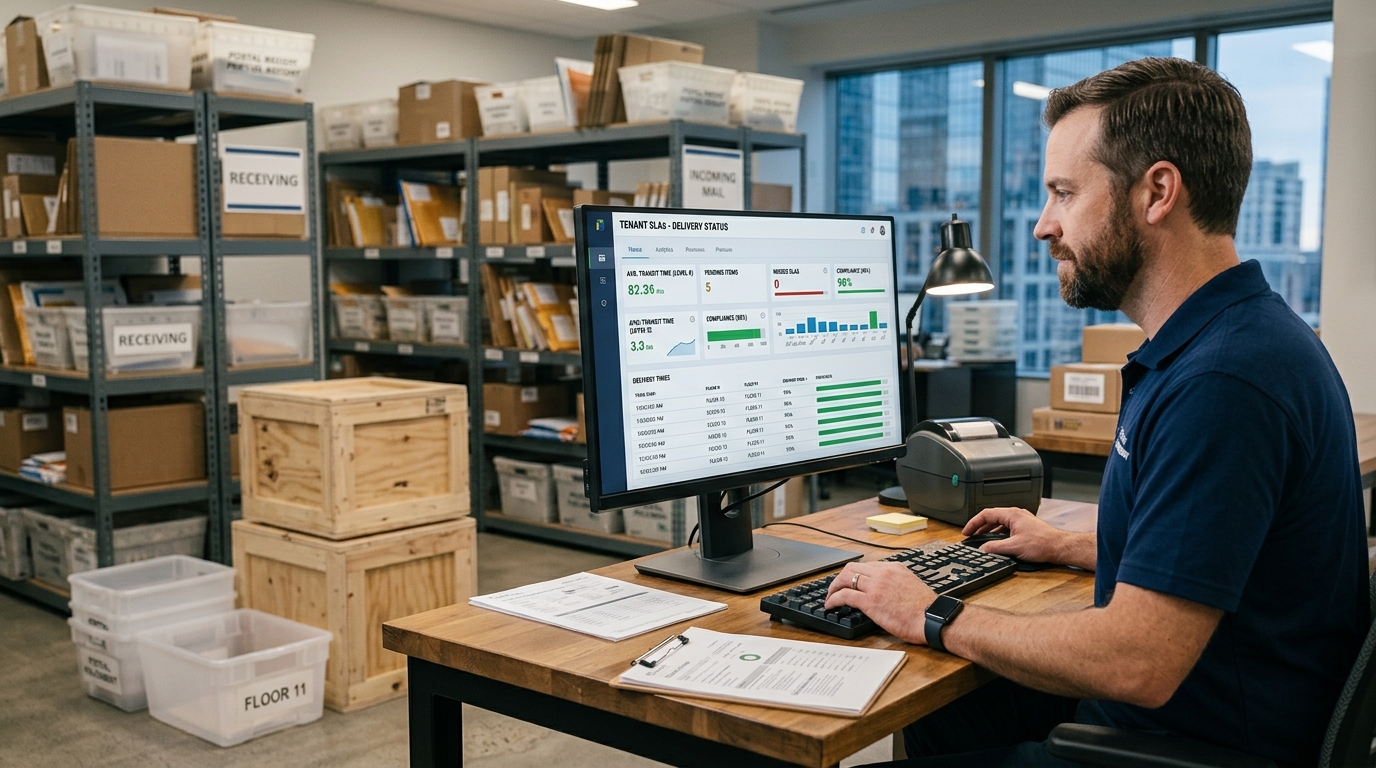
- Standardize Frontline Workflows: Train administrative staff to follow simple, camera-driven scanning routines that automatically handle logging, label recognition, and recipient alerts in seconds.
Eliminating Geographic Debt for Good

Relying on a single centralized mailroom is an expensive relic of a fixed-office past, burdening enterprises with unnecessary transit legs, high labor costs, and bottlenecks. Transitioning to a distributed logistics architecture keeps internal assets moving fluidly, boosts administrative agility, and secures your chain of custody. Comprehensive software-driven frameworks built around flexible tracking tools provide the ultimate solution to eliminate geographic debt.
To upgrade your corporate logistics workflows and discover reliable mailroom management principles, explore the advanced automation tools available at Parcel Tracker.
Expert FAQ
Why do centralized mailrooms increase overhead?
Centralized mailrooms increase overhead because they require extra transit legs, manual sorting labor, and prolonged internal distribution cycles.
How does dynamic reouting reduce shipping costs?
Dynamic rerouting reduces shipping costs by automatically redirecting incoming packages to the regional facility closest to the final recipient.
What features are essential for decentralized mailrooms?
Essential features include smartphone label scanning, automated internal notification triggers, and digital chain of custody tracking systems.
How do automated internal notifications speed up delivery?
Automated internal notifications speed up delivery by instantly alerting recipients via Slack or email the moment packages are scanned.


.svg)