.svg)
Green Mailroom Logistics: How to Scan Incoming Parcels and Reduce Your Carbon Footprint


Green mailroom management is the sustainable practice of optimizing inbound logistics through digital automation to minimize environmental impact. By using software to scan incoming packages, organizations establish a paperless chain of custody that eliminates physical logging, reduces waste, and slashes the carbon footprint associated with traditional, paper-heavy sorting and delivery.
The Environmental Impact of the Traditional Mailroom
For decades, the standard mailroom operated on a foundation of paper. From thick logbooks and printed manifests to the ubiquitous yellow "Missed Delivery" sticky notes, the administrative overhead of receiving parcels has been a quiet contributor to corporate waste. Research indicates that the average office worker still generates roughly 2 pounds of paper waste every day, and much of this is driven by antiquated "proof of delivery" requirements.
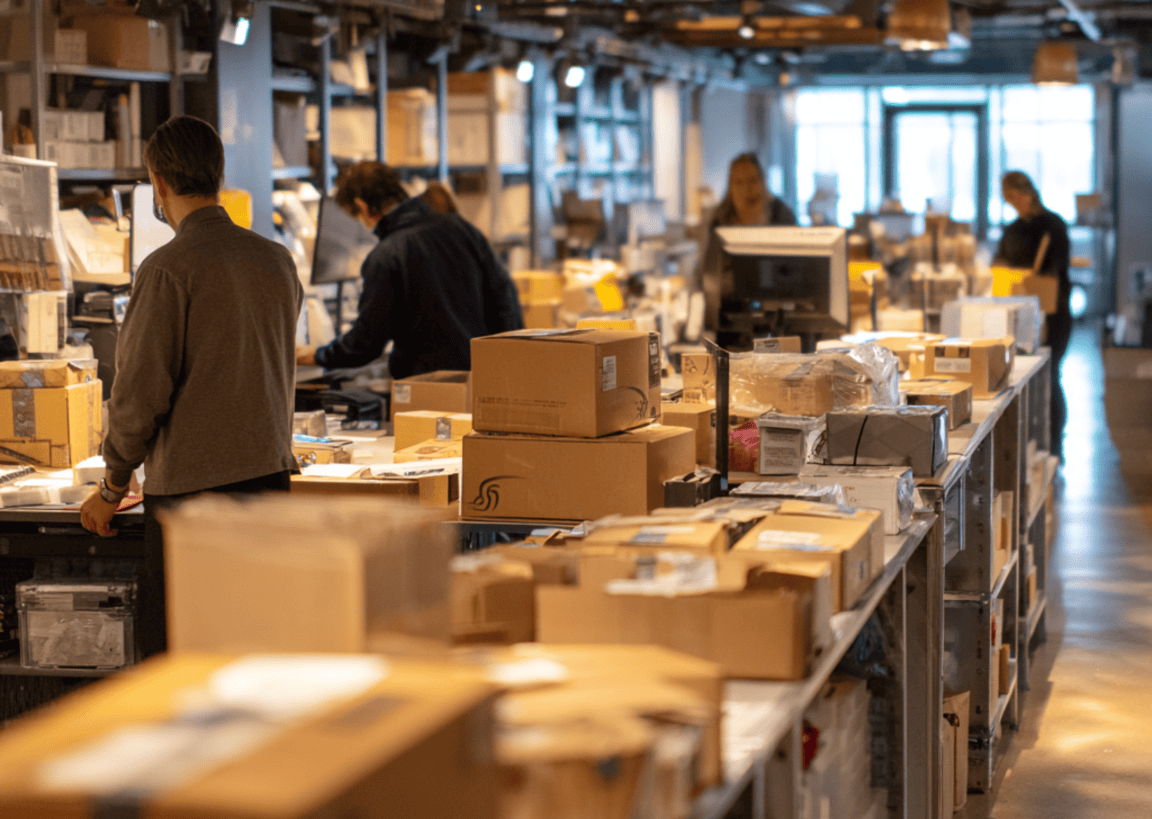
More than the paper itself, there is the carbon cost of inefficiency. When a package is mismanaged due to poor logging, it often triggers a chain of high-emission events:
- repeated internal searches
- the manufacturing of replacement goods
- and expedited "next-day" shipping to rectify the error
Transitioning to a digital system that scans incoming packages upon arrival is an environmental requirement.
What’s in an Eco-Friendly Digital Scan?

Modernizing your inbound logistics requires shifting from manual entry to a data-rich, digital-first approach. When you utilize high-efficiency scanning, you aren't just recording a tracking number; you are creating a digital twin of the parcel that follows it through the entire chain of custody.
- Zero-Paper Logging: Digital systems eliminate the need for physical filing cabinets and paper manifests.
- Reduced Energy Loads: Implementing high-volume sorting software enables mailroom staff to process items in batches, reducing the time the high-intensity mailroom lighting and sorting machinery are required to operate.
- Minimized Delivery Attempts: Accurate scanning ensures first-time success of final-mile deliveries within a building, reducing the carbon walk for staff who would otherwise make multiple trips.
Step-by-Step Guide: Effectively Scanning for a Greener Workflow
..png)
To maximize both efficiency and eco-friendliness, your scanning process should follow a streamlined, five-step lifecycle:
- Instant OCR Capture: Use mobile devices or specialized scanners to capture label information via Optical Character Recognition (OCR). This eliminates the need to print internal labels.
- Digital Entry & Validation: Once scanned, the system validates the recipient. This prevents the item from being lost in the system, a common issue that significantly increases the environmental impact of e-commerce.
- Automated Recipient Notification: The moment the scan is complete, an automated email or SMS is sent. This prevents package pile-ups, allowing companies to maintain smaller, more energy-efficient storage footprints.
- Optimized Batching: Use the collected scan data to group deliveries by floor or department. This reduces the physical distance mailroom couriers travel, directly lowering the energy and calorie expenditure of internal operations.
- Electronic Proof of Delivery (PoD): The recipient signs on a mobile screen. The proof of delivery is archived in the cloud, ensuring a 100% paperless lifecycle from the loading dock to the desk.
Data-Driven Green Logistics
Sustainability in the mailroom is a measurable science, not just a philosophy. When organizations move away from manual logs, the environmental impact is immediate and quantifiable. According to Parcel Tracker's industry insights, companies that transition to digital mailroom management can reduce a ton of their parcel processing time. In a high-volume sorting environment, this boosted efficiency slashes the energy overhead required to power, light, and climate-control large sorting facilities.
The environmental dividend of digital scanning is best seen through the reduction of the second-delivery carbon spike. Statistical data suggests that a significant portion of a delivery’s carbon footprint comes from failed internal deliveries and the subsequent re-shipping of lost items. By utilizing high-accuracy OCR to scan incoming packages, the error rate drops from a staggering 5–10% in manual systems to less than 1%. This precision prevents the waste of packaging materials and the fuel emissions associated with manufacturing and transporting replacement goods.
Furthermore, the shift to a digital chain of custody directly affects the office's physical footprint. By leveraging real-time recipient notifications, facilities collect items faster, reducing the square footage dedicated to package storage. This optimization means less energy is spent on heating and cooling expansive storage zones, directly contributing to a lower corporate carbon footprint.
Building a Zero-Waste Mailroom

As corporate social responsibility (CSR) becomes a primary metric for business success, the tools we use to manage our daily operations must evolve. The transition from a cluttered, paper-reliant mailroom to a streamlined, digital hub is one of the most accessible "green wins" available to facility managers today.
By establishing a robust chain of custody through simple scanning, you protect your inventory, satisfy your recipients, and honor your commitment to the planet.
Ready to eliminate the paper trail and green-light your logistics? Discover how Parcel Tracker’s mailroom management software can help you go paperless, perfect your inbound logistics, and reach your sustainability goals.



.svg)