.svg)
Guide to Multi-Hop Routing and Internal Parcel Traceability in Freight Logistics


International shipping tracking focuses heavily on major milestones like vessel departure and customs clearance. Severe tracking gaps happen within the freight forwarder's internal network during warehouse transfers and sorting hubs.
Multi-hop routing is the staged movement of cargo through multiple intermediary facilities or transfer hubs before reaching the final leg. Internal parcel traceability means maintaining a real-time chain of custody from the moment cargo enters a forwarder's ecosystem to its final handoff. Securing the multi-hop lifecycle via internal traceability mitigates risk, cuts costs, and fulfills customer expectations of transparency.
What is Multi-Hop Routing in Freight Forwarding?
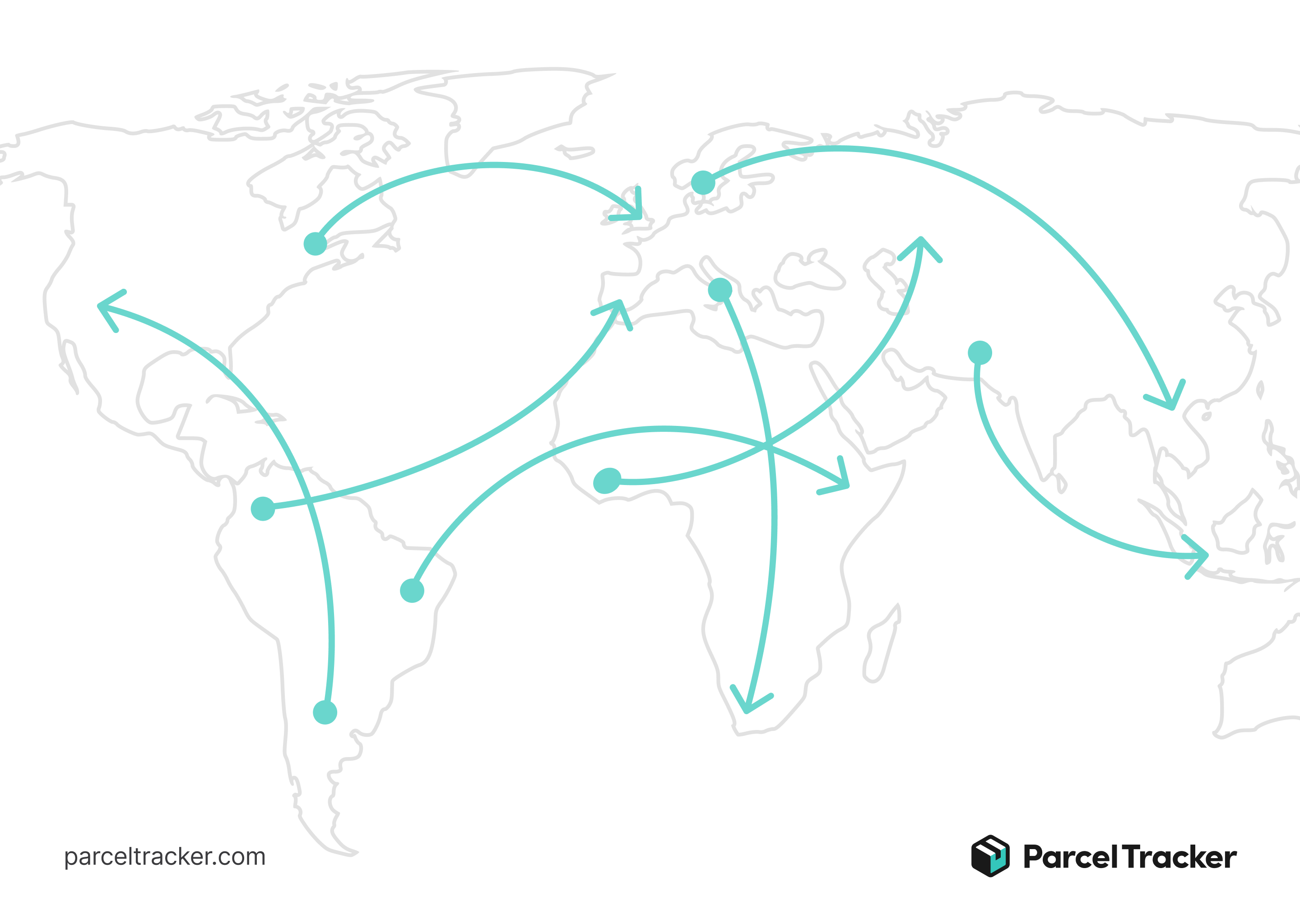
Consolidation and multimodal hubs drive international shipping. Freight rarely travels in a straight line from origin to destination. Instead, goods move through a network of connected storage and processing facilities to maximize container space and reduce transport costs. Understanding how these networks operate is easier when you look at the fundamentals of freight forwarding.
This movement involves complex transitions between ocean or air transport and middle-mile warehouse logistics. Managing Less-than-Container Load (LCL) sorting requires extreme precision, as a single sorting mistake delays multiple shipments simultaneously. Vulnerabilities in these networks include misrouting risks at loading docks, delayed handovers, and communication gaps between disconnected facility management systems.
Establishing the Internal Chain of Custody
Tracking cargo inside proprietary networks supplements carrier updates. A complete dock-to-handoff framework ensures that forwarders know the exact location of goods between major transit points. This framework relies on mailroom compliance and chain of custody protocols to document every touchpoint.
Arrival at Hub ──> Barcode / AI Scan ──> Digital Stamp & Photo ──> Verified Handoff
Core Technical Elements of Internal Traceability

Implementing real-time tracking across multiple hubs relies on a few central tools to capture data and maintain accuracy:
- Automated Scan-Ins: Barcode and AI-driven optical data capture replace slow, error-prone manual spreadsheets.
- Digital Archives and Proof-of-Transfer: Logging every movement with exact timestamps, photographic evidence of cargo condition, and electronic handler signatures at every hub provides absolute accountability.
- Dynamic Exception Management: Real-time tracking identifies bottlenecks early to protect delivery schedules and meet customer deadlines. Modern setups often use an automated parcel notification system to alert teams the moment a shipment shifts status.
Benefits of Combining Multi-Hop Visibility and Traceability
%20gathered%20together%20looking%20at%20a%20tablet.png)
Bringing together multi-hop routing data and internal package updates provides several clear advantages for managing cargo networks:
- Eliminating Financial and Legal Penalty: An ironclad audit trail isolates where loss or damage occurred, establishing clear accountability between separate facility teams. This documentation proves exactly who handled the cargo during a specific transfer.
- Maximizing Warehouse Efficiency: Descriptive analytics optimize staging zones and manage high-volume throughput periods to improve daily productivity.
- Elevating Customer Experience: Granular ETAs update as cargo clears internal checkpoints, providing customers with accurate timing. Effective parcel management practices ensure that these benefits extend across all types of incoming and outgoing inventory.
Overcoming Implementation Hurdles in Internal Logistics

Upgrading fractured legacy networks requires careful planning to sustain daily workflows without pausing business tracking. Flexible APIs sync global freight analytics engines with localized warehouse and handling workflows to bridge software silos. Onsite workers can then log cargo using accessible mobile hardware with minimal training curves, simplifying daily data entry.
The Future of Frictionless Logistics

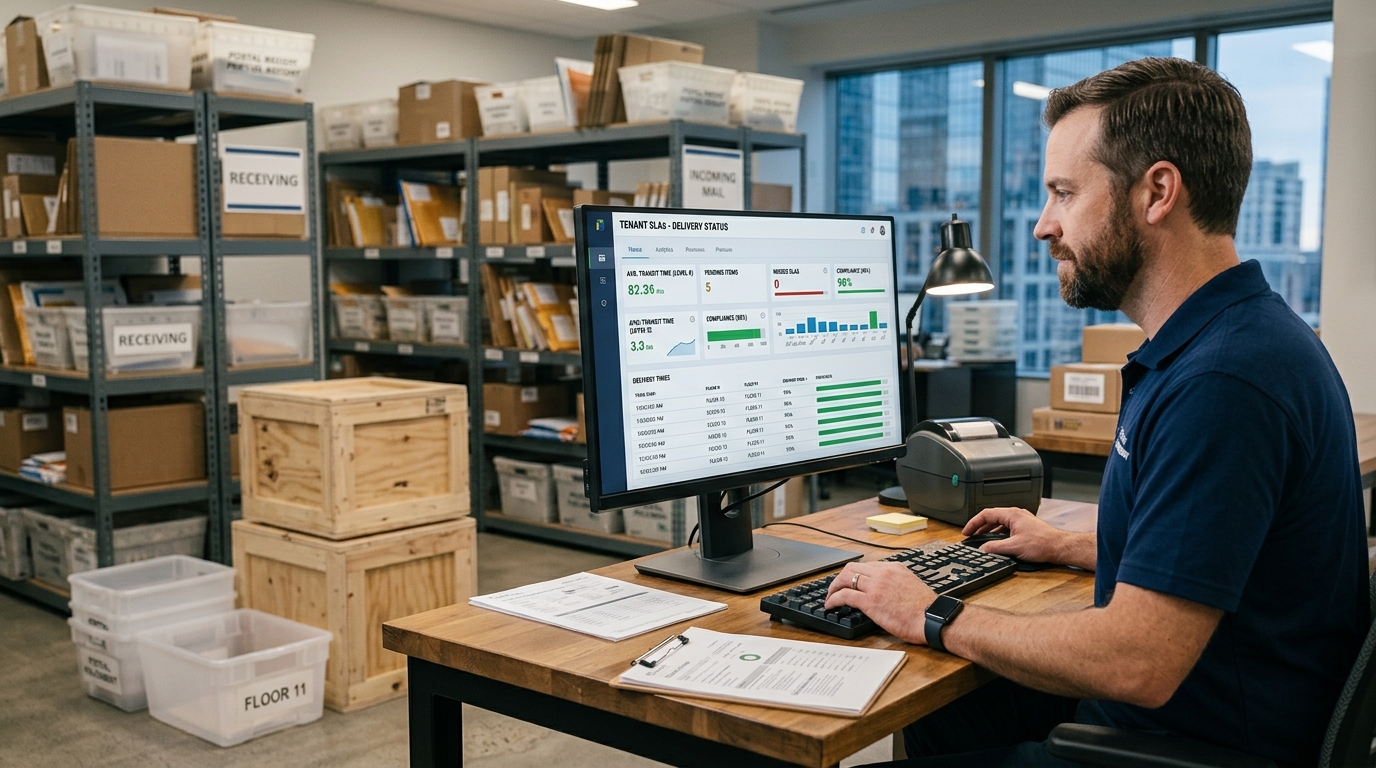
True visibility persists until the final, definitive handoff. Commercial offices, corporate campuses, and enterprise hubs require internal distribution tracking just like freight forwarding hubs to ensure packages reach the correct desk. Upgrading to modern mailroom management practices eliminates these internal delivery gaps.
Streamline your local delivery logs, secure proof-of-collection, and orchestrate complex internal asset transfers with the Parcel Tracker mailroom suite. Use this mailroom solution to secure your internal chain of custody and manage final-yard logistics today.
Expert FAQ
What is multi-hop routing in freight forwarding?
Multi-hop routing is the staged transport of cargo through intermediate hubs and transfer stations before reaching its final delivery destination.
How does internal parcel traceability protect freight forwarders?
Internal parcel traceability secures the chain of custody by logging continuous scans, timestamps, and handler signatures within proprietary logistics networks.
Why do visibility gaps happen during internal logistics transfers?
Visibility gaps occur when forwarders switch from carrier tracking to manual, disconnected warehouse management workflows at regional sorting facilities.
What technology enables automated internal parcel tracking?
Barcode scanners, cloud-based mailroom applications, AI optical capture, and API integrations automate real-time internal parcel tracking across shipping hubs.
Why should corporate offices implement internal parcel traceability?
Corporate offices implement internal tracking to eliminate final-yard delivery leaks, ensure proof-of-collection, and locate workplace assets instantly.


.svg)