.svg)
How Inbound Parcel Analytics Help E-Commerce Brands and Logistics Operators

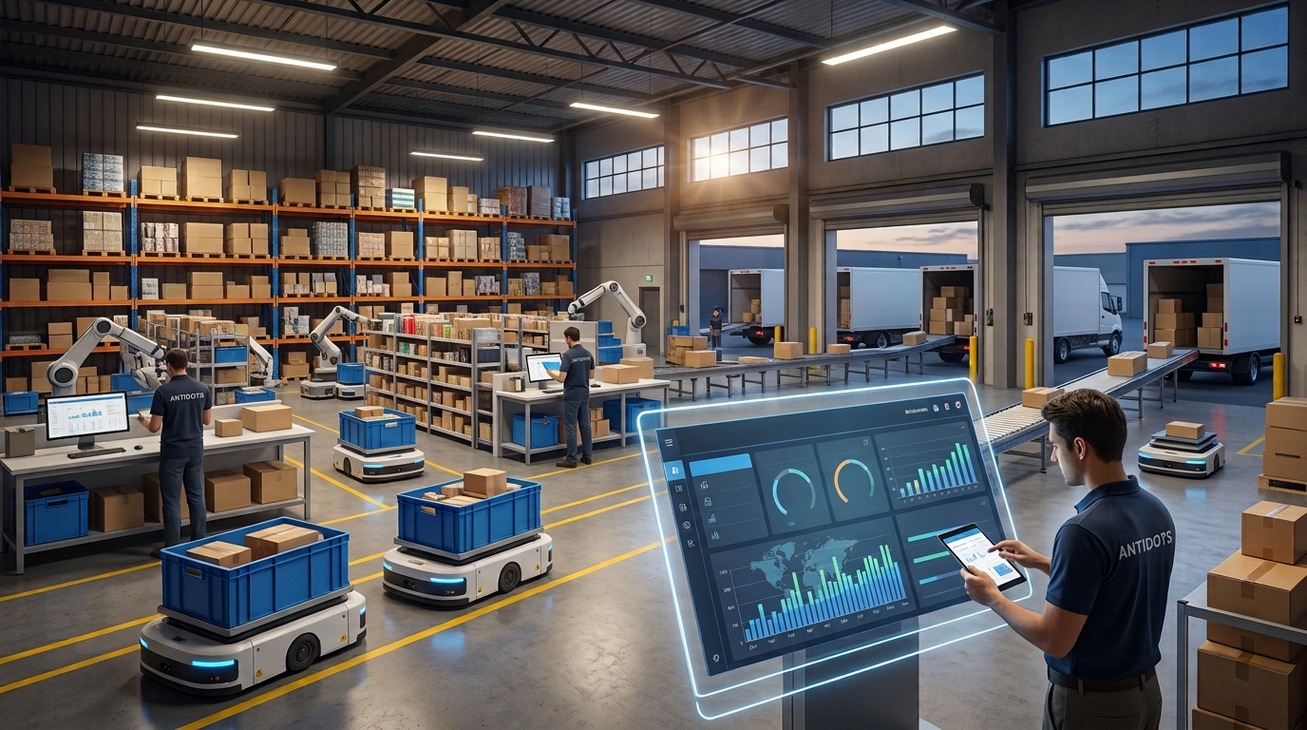
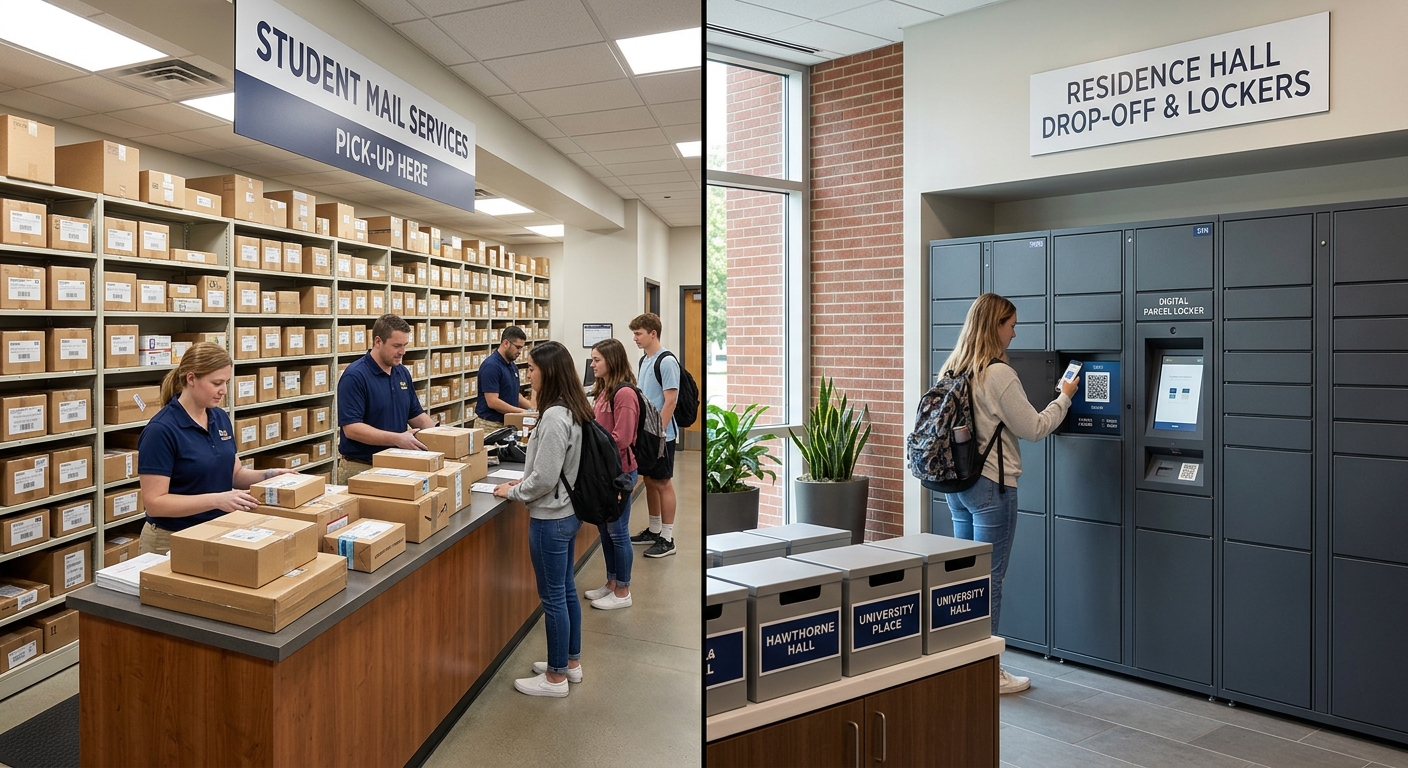
While outbound shipping usually gets the spotlight, handling incoming goods plays an equally significant role in supply chain health. Modern receiving hubs process high volumes of return inventory, stock transfers, and multi-tenant deliveries.
With global shipments surpassing 100 billion parcels annually, processing physical inventory efficiently requires clear data visibility. Without accurate tracking, high delivery volumes result in crowded mailroom receiving areas, misallocated labor, and lost packages. Implementing inbound analytics allows mailroom leaders to organize incoming shipments with structure and predictability.
Transforming Raw Inbound Volume into Predictable Staffing
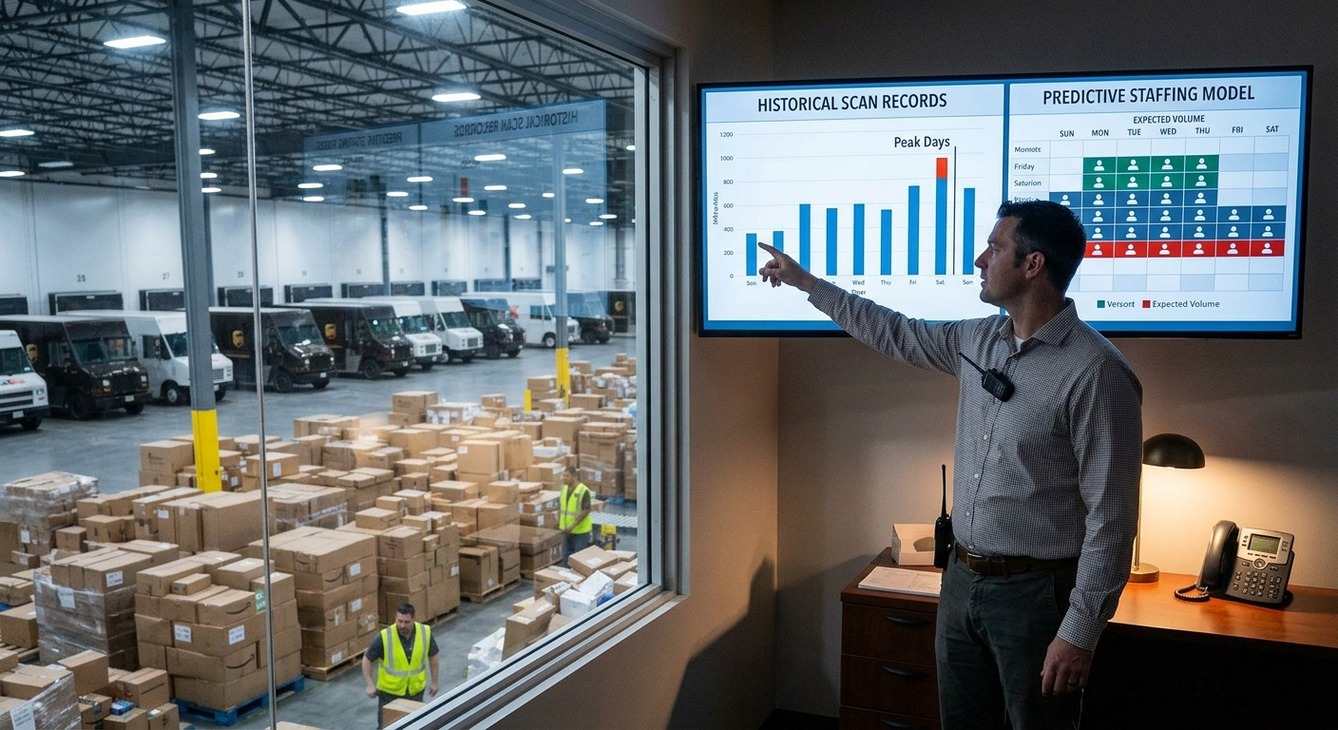
Historical scan records enable mailroom or facility managers to accurately forecast daily, weekly, and seasonal delivery flows. Labor schedules can be matched against expected package arrivals to maintain steady workflows across all shifts.
Applying systematic mailroom management principles provides clear guidance for resource allocation:
- Shift Scheduling: Shift rosters align with forecasted delivery peaks, keeping intake queues manageable.
- Floor Plan Readiness: Intake zones and staging areas are cleared before heavy carrier drops occur.
- Volume Forecasting: Staffing models adapt dynamically to incoming promotional volume and holiday spikes.
Taming Peak Delivery Hours and Carrier Dwell Times
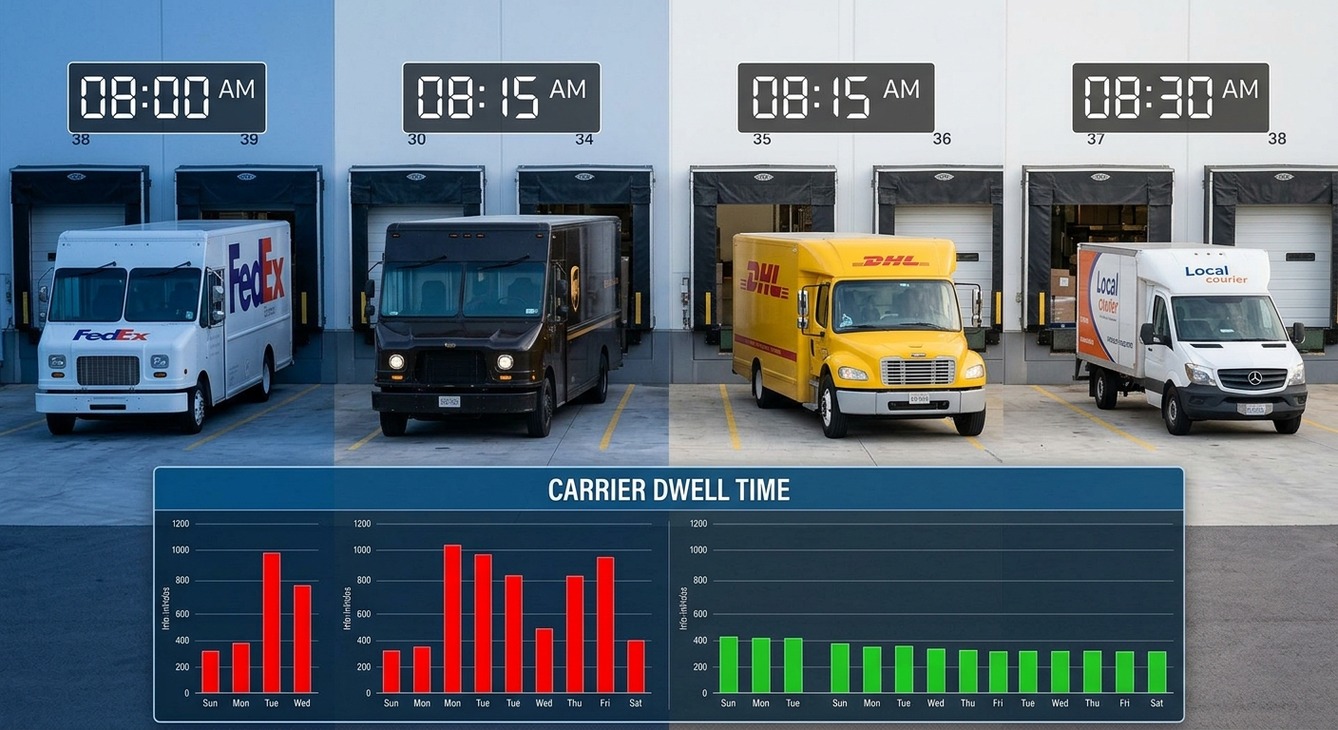
Congestion at mailrooms creates delays that ripple through the whole facility. Analyzing arrival times across major carriers like FedEx, UPS, and DHL allows teams to map out carrier traffic patterns.
Monitoring offloading speeds and dock usage time offers practical metrics for team performance. Logistics teams can use this data to schedule designated drop times, maintaining steady movement from the truck bay to internal storage. Dedicated parcel management workflows keep items moving quickly through each handling phase, reducing bottlenecks at the intake desk.
Enforcing Carrier SLAs and Accountability
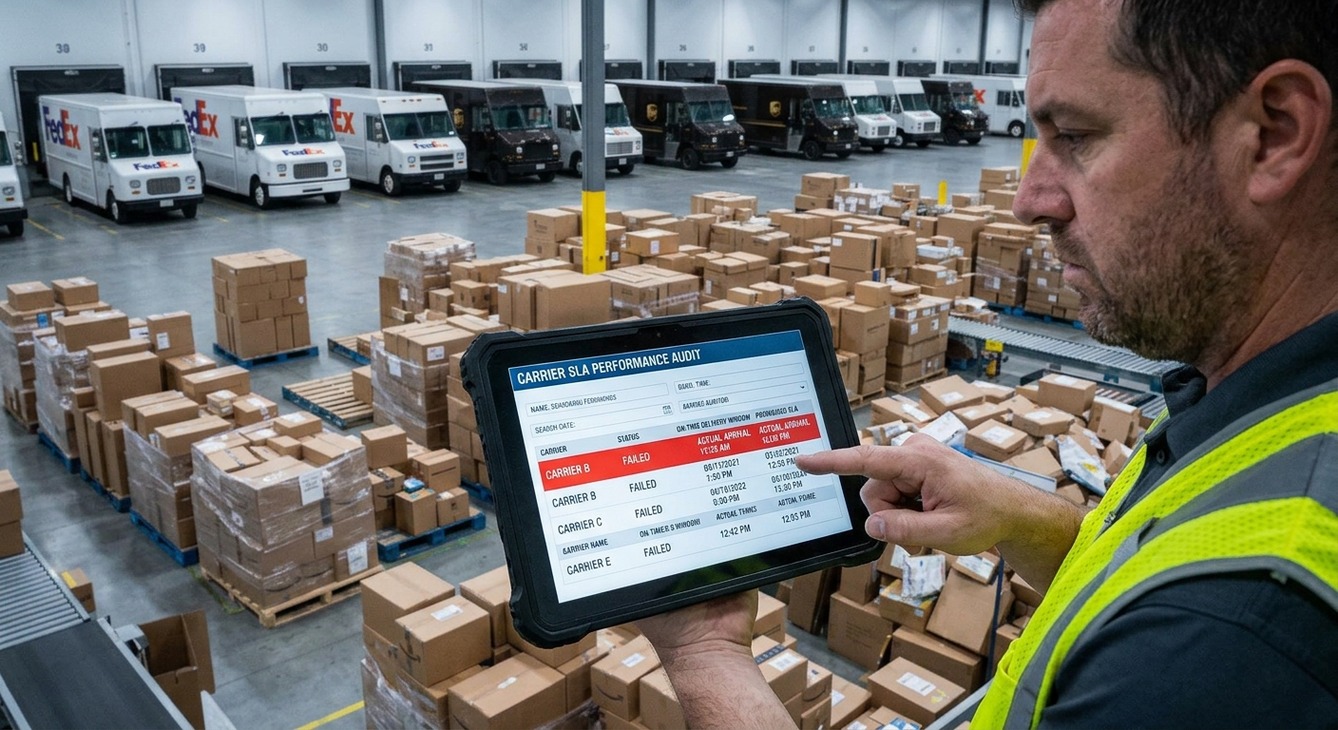
Inbound data gives logistics managers concrete evidence to evaluate vendor performance and maintain high service standards across all transportation partners. Collecting verified receiving records enables teams to improve carrier accountability through several key mechanisms:
- Data-Backed Performance Audits: Real-time arrival records allow teams to verify carrier delivery times against promised Service Level Agreements (SLAs).
- Early Discrepancy Resolution: Timestamped inbound logs prove exact delivery times, providing clear records for missing or delayed items.
- Carrier Bottleneck Identification: Performance metrics highlight carriers with recurring delays, giving logistics teams objective data for vendor evaluations.
Smarter Inventory Routing and Faster Processing
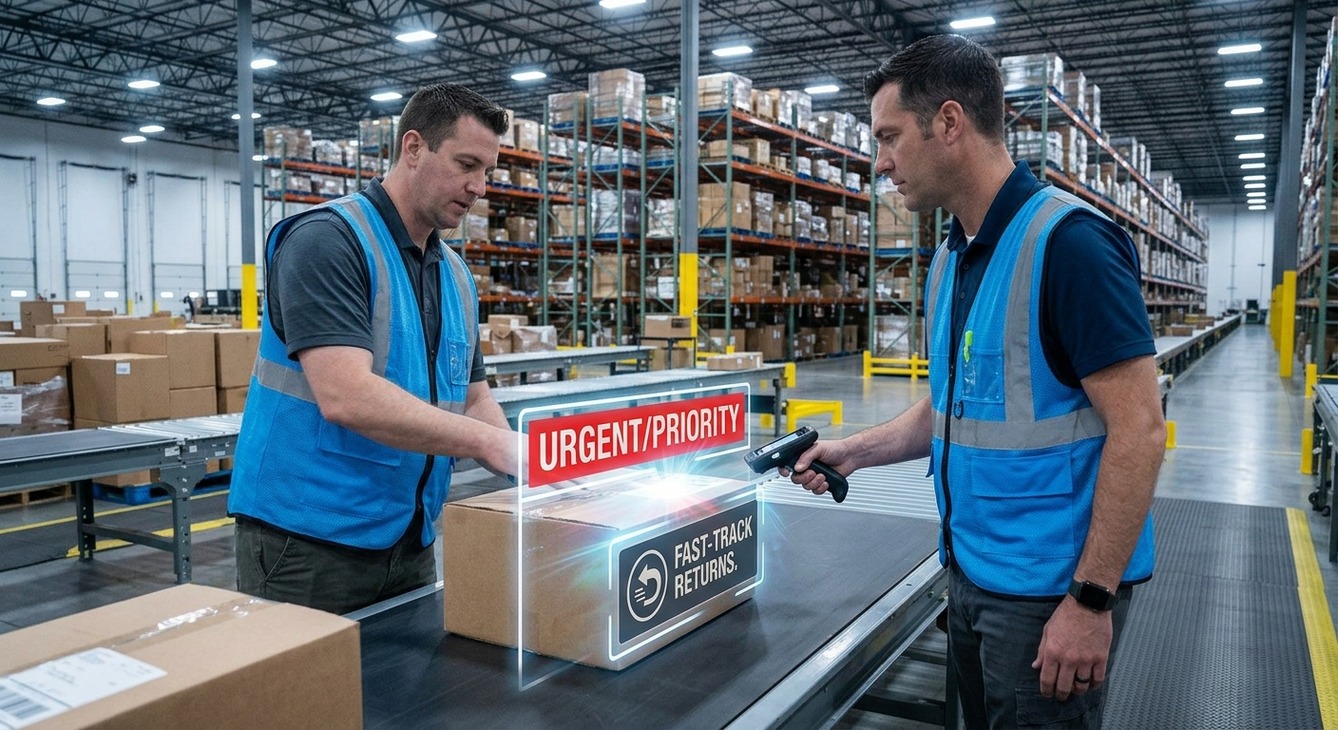
Scanning items immediately upon arrival creates an unbroken chain of custody. Instant categorizing speeds up the transition from intake to storage racks, making stock available for fulfillment without unnecessary delays.
Sorting workflows can mark urgent shipments for priority handling, such as fast-track return items or high-value packages. Accelerating inbound processing updates overall inventory records faster, keeping stock levels accurate for online buyers.
The Advantage of Having Accurate Inbound Data

Inbound parcel analytics bridges the gap between intake facilities and overall fulfillment networks. Capturing accurate package data helps managers organize labor efficiently and maintain precise inventory records. Facilities can modernize their receiving operations by adopting specialized software like Parcel Tracker to automate package tracking, collect real-time data, and gain full visibility over internal package distribution.
Expert FAQ: Inbound Parcel Analytics & Operations
What is inbound parcel analytics?
Inbound parcel analytics is data collection tracking incoming packages to optimize facility workflows, staffing, and carrier SLA monitoring.
How does dedicated tracking software improve efficiency?
Dedicated tracking software automates package logging, speeds up recipient notifications, and eliminates manual data entry errors.
Why is tracking carrier dwell time important?
Tracking dwell time highlights delivery dock bottlenecks, helping logistics leaders reduce congestion and improve carrier offloading speed.
How do volume trends impact facility staffing?
Historical volume data helps managers schedule shift labor accurately, preventing understaffing during peak delivery hours and lowering costs.
What are the main benefits of automated intake tools?
Automated intake tools provide end-to-end chain of custody tracking, reducing lost packages and speeding up inventory turnaround.


.svg)