.svg)
Strategies to Reduce Dwell Time in Office Mailrooms


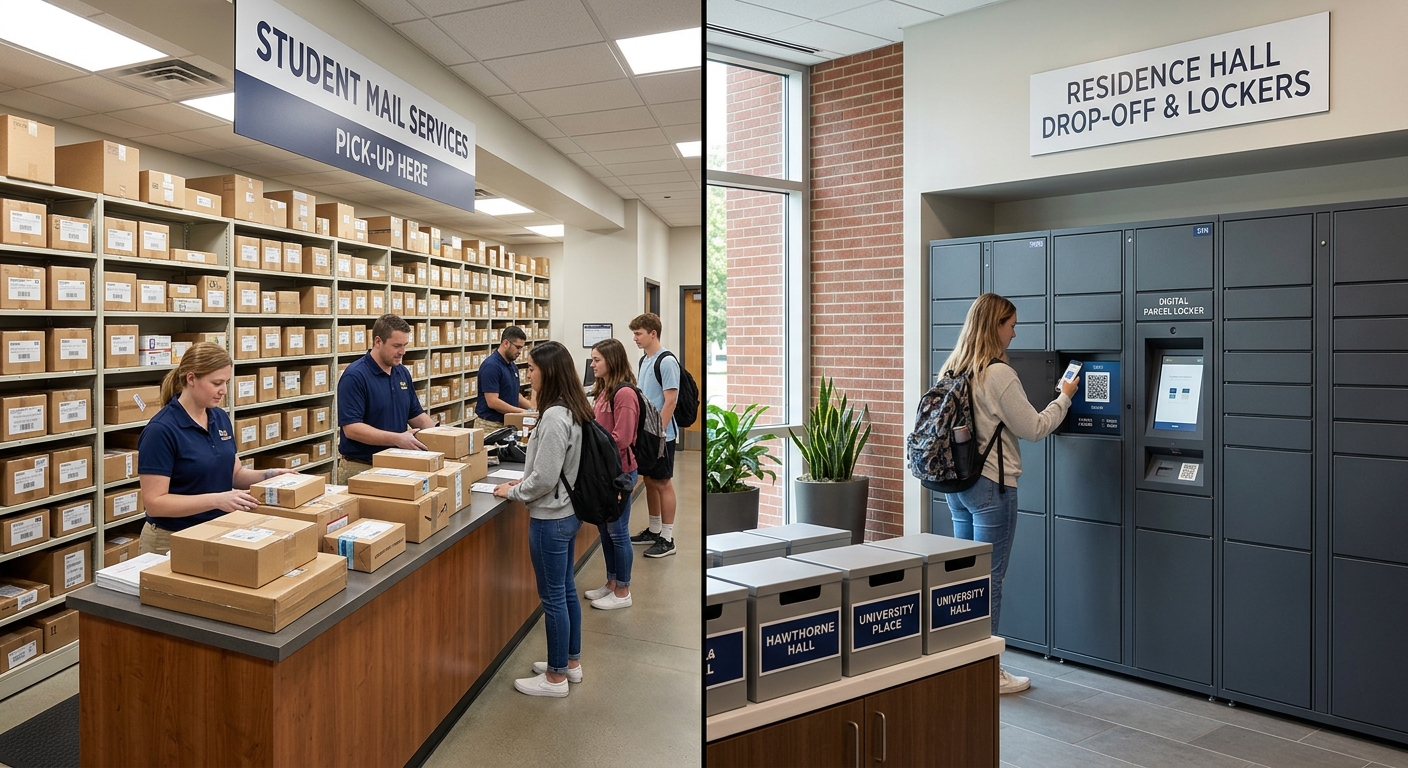
The moment a delivery driver drops a stack of packages in your office, the clock starts ticking. Dwell time is the total duration a parcel remains in a mailroom or storage facility between the initial delivery and the final recipient pickup. High dwell time occurs when the received scan and the final proof of pickup are separated by days of silence. In parcel management, a package that is not moving is a package that is costing you space and increasing the risk of loss.
To transform your mailroom into a high-speed receiving center, consider these professional strategies.
Sending Instant Digital Notifications
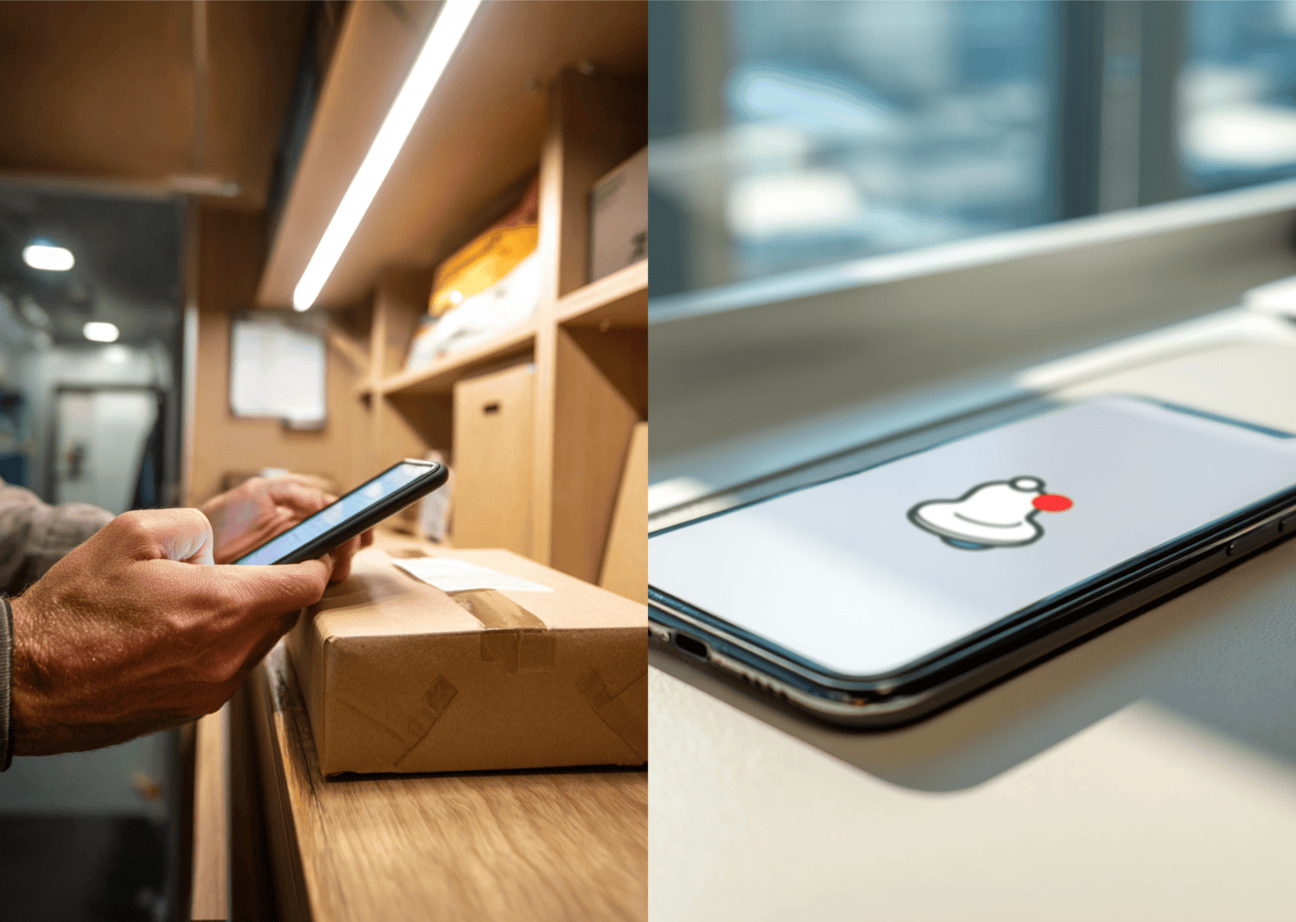
The leading cause of high dwell time is a simple lack of awareness. Manual logging or delayed email batches mean a package might sit for hours before the recipient even knows it has arrived.
- Real-Time Alerts: Implement a system that sends an automated SMS or app notification the moment a label is scanned.
- The Power of the Nudge: Human nature leads to forgetfulness. Set up automated reminders for parcels that haven't been collected within 24 and 48 hours to keep the queue moving.
Planning for Strategic Mailroom Zoning

Physical organization dictates retrieval speed. This is where parcel triage is essential. This is the strategic categorization of incoming packages by size, urgency, or recipient department to prioritize handling and optimize storage space.
- High-Velocity Zones: Place oversized items or packages for high-volume departments in fast-track areas near the entrance.
- Alphabetical Logic: Standardize shelving by recipient last name or department code. Clear, high-contrast signage reduces search time for both mailroom staff and employees.
Implementing Data-Driven Staffing and Collection
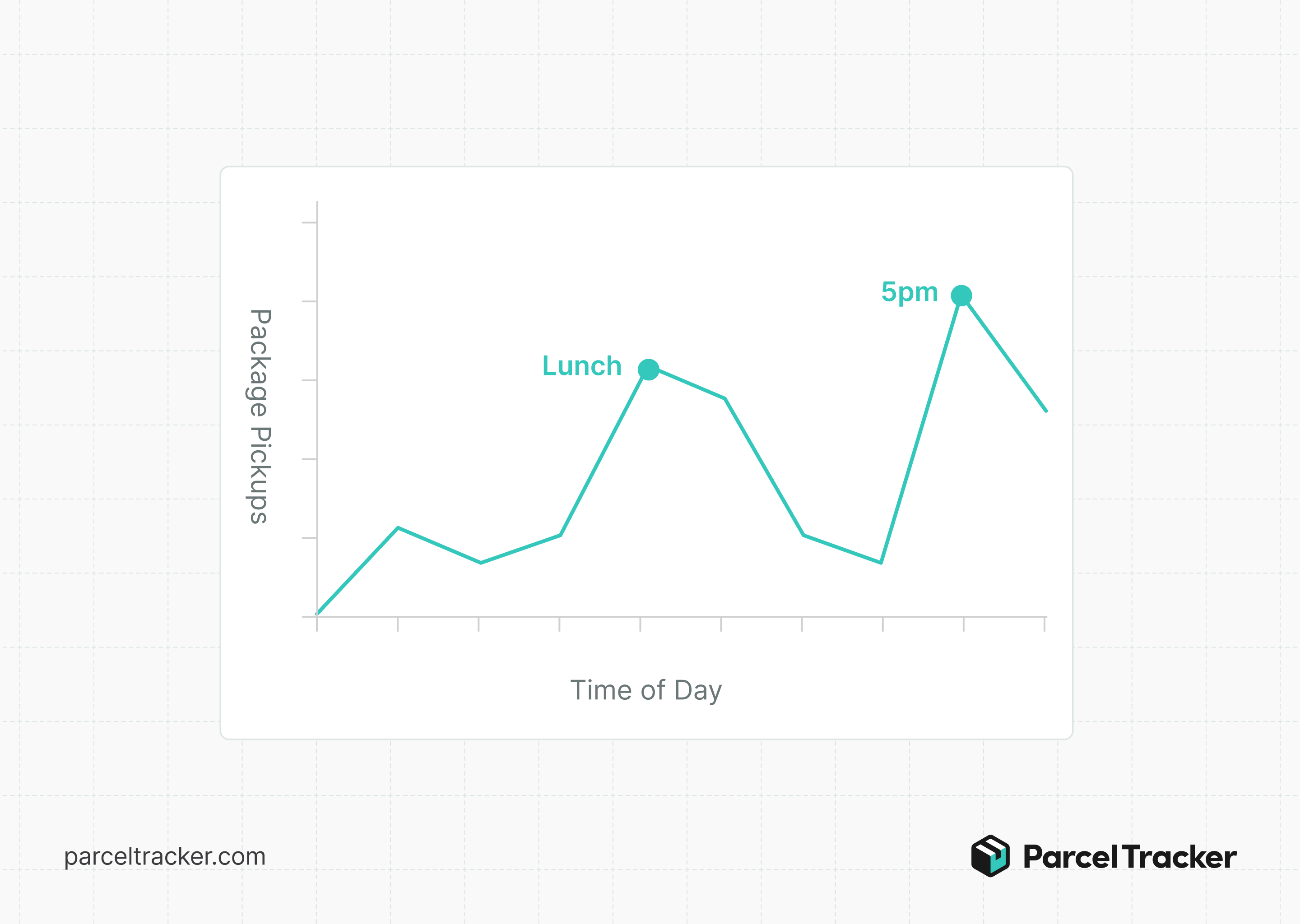
Understanding when your employees collect parcels is as important as how they do it.
- Identify Peak Windows: Analyze your data to find your rush hours. These may be typically mid-lunch or right before the evening commute.
- Queue Management: Ensure the mailroom is fully staffed during these windows. If an employee sees a long line, they are likely to walk past, leaving their package for another day and artificially inflating dwell time.
Activating a Holding Policy

Without a clear policy, the mailroom becomes a permanent storage solution for non-urgent items.
- The 72-Hour Rule: Establish a firm expectation that items must be collected within three business days.
- Escalation: Define a process for aged parcels, such as moving them to a secondary long-term storage area to keep your active floor space clear for new arrivals.
Transition to OCR Technology

Speed at the point of entry sets the tone for the entire lifecycle of a parcel. Modern mailroom management is the process of overseeing the reception, sorting, tracking, and distribution of incoming and outgoing physical mail and parcels within an organization.
Use Optical Character Recognition (OCR) to instantly read labels. This reduces processing time from minutes to seconds, ensuring the recipient is notified before the delivery driver has even left the building.
Optimizing Your Mailroom
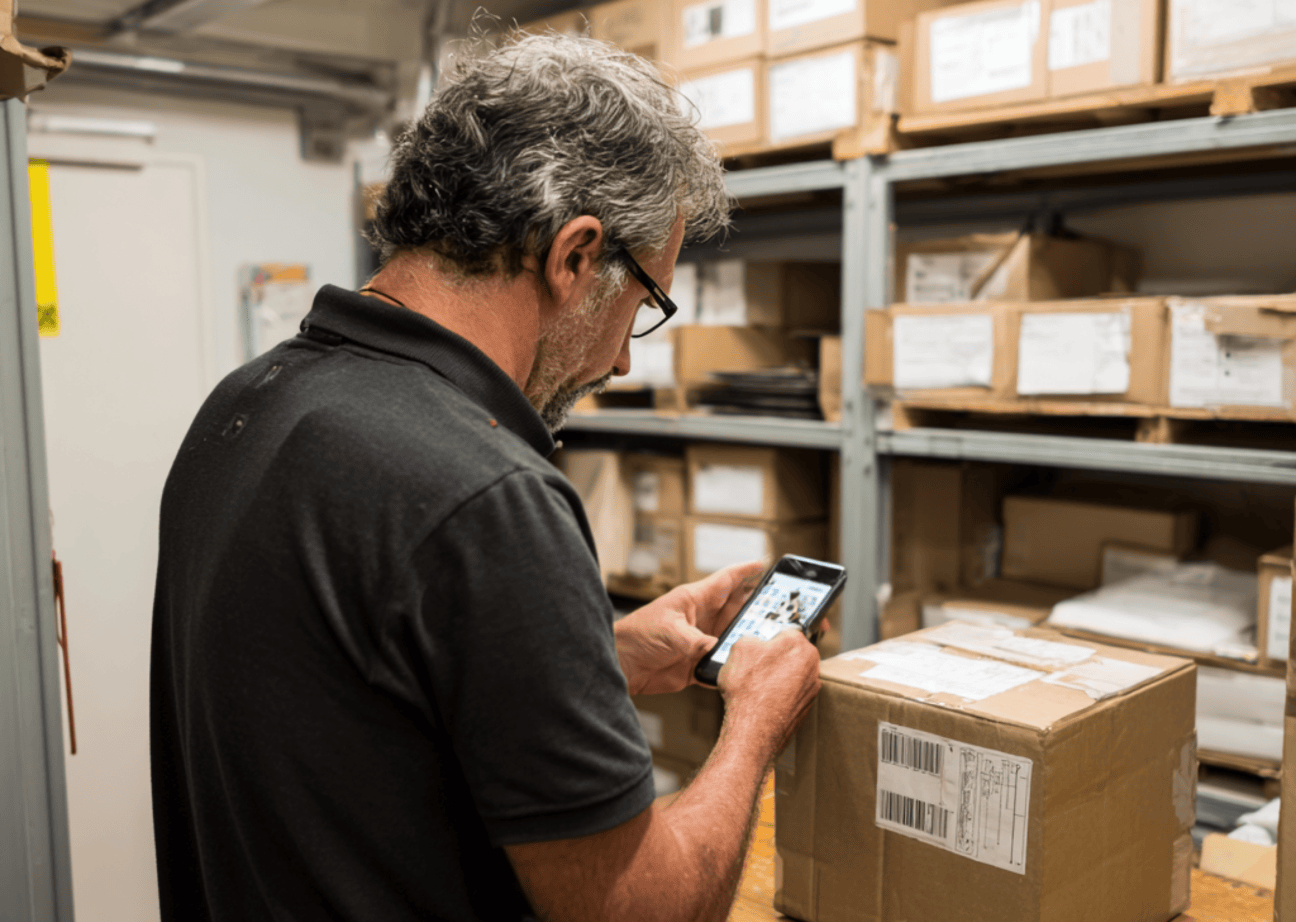
Reducing dwell time requires a shift in perspective. Treat your office mailroom like a professional distribution center. By combining smart physical organization with automated communication, you can reclaim your office space and improve employee satisfaction.
Ready to eliminate the clutter and gain full visibility over your internal logistics? Professionalize your mailroom workflow with Parcel Tracker.
Expert FAQ
What is the ideal dwell time for an office mailroom?
While it varies by industry, a professional benchmark is under 24 hours. Anything exceeding 48 hours indicates a bottleneck in notification or a lack of incentives for collection.
How does OCR technology specifically reduce dwell time?
OCR eliminates the manual data entry phase. By instantly capturing recipient names and tracking numbers, the system triggers notifications seconds after delivery, allowing employees to collect items during their next break rather than the next day.
Why is proof of pickup important for internal logistics?
Proof of pickup is a digital or physical record, often involving a timestamped signature or QR code scan, that confirms a parcel has been successfully handed over to the correct recipient. Without this record, mailrooms waste time searching for packages that have already been collected but weren't logged out.


.svg)