.svg)
The Anatomy of Secure Handoffs: Proof of Pickup vs. Leaving it to Chance


Every commercial property or residential complex experiences a high volume of inbound deliveries daily. Couriers navigate traffic and security gates to reach the front desk, completing the initial transit stage successfully. Physical security gaps frequently emerge during the final transfer stage between the building storage area and the designated recipient.
Mailroom storage areas without access monitoring function as passive collection sites where accountability drops off. Deliveries sitting on open shelves remain susceptible to physical misplacement, delayed tracking updates, and unauthorized access. Modern facility standards require dedicated verification procedures that establish systematic accountability throughout every stage of internal custody.
Problems with Unmonitored Mailrooms

Unmonitored storage setups introduce multi-layered vulnerabilities into building logistics. Standard courier confirmation establishes delivery to a street address rather than confirmation of release to a specific person. Once a delivery driver leaves the premises, the internal chain of custody requires physical oversight to prevent inventory discrepancies.
Uncontrolled physical access allows building occupants, contractors, and visitors to navigate delivery stacks without supervision. Open physical access leads to misplaced items, accidental mix-ups, and deliberate inventory theft. Building personnel encounter frequent inquiries regarding missing items, requiring extensive time spent auditing physical inventory and checking camera footage.
Paper sign-out logs fail to resolve these vulnerabilities effectively. Handwritten records suffer from poor legibility, missing timestamps, and unverified identity entries. Auditing paper logs during package disputes yields inconclusive records, leaving administrative teams without concrete evidence to verify actual collection status.
Proof of Pickup for Secure Handoffs

Establishing digital custody protocols shifts property management toward verified physical security. Implementing structured proof-of-pickup workflows guarantees that every item remains accounted for until positive handoff occurs.
Modern commercial buildings maintain high accountability standards by integrating self-service digital kiosks and dedicated scanning checkpoints. Property teams streamline daily intake by adopting structured software for mailroom management, ensuring every package receives an instantly searchable digital record upon arrival.
Automated verification workflows provide several key advantages for building teams:
- Verification protocols run continuously, offering secure pickup access during and after regular business hours.
- Self-service kiosk systems verify recipient identities before unlocking dedicated storage compartments or releasing items.
- Digital logging generates immediate, accurate records without requiring constant front-desk administrative supervision.
- Consistent notification loops alert recipients instantly upon delivery, keeping storage shelves clear and organized.
5 Key Components of Secure Pickup
Automated Alerts
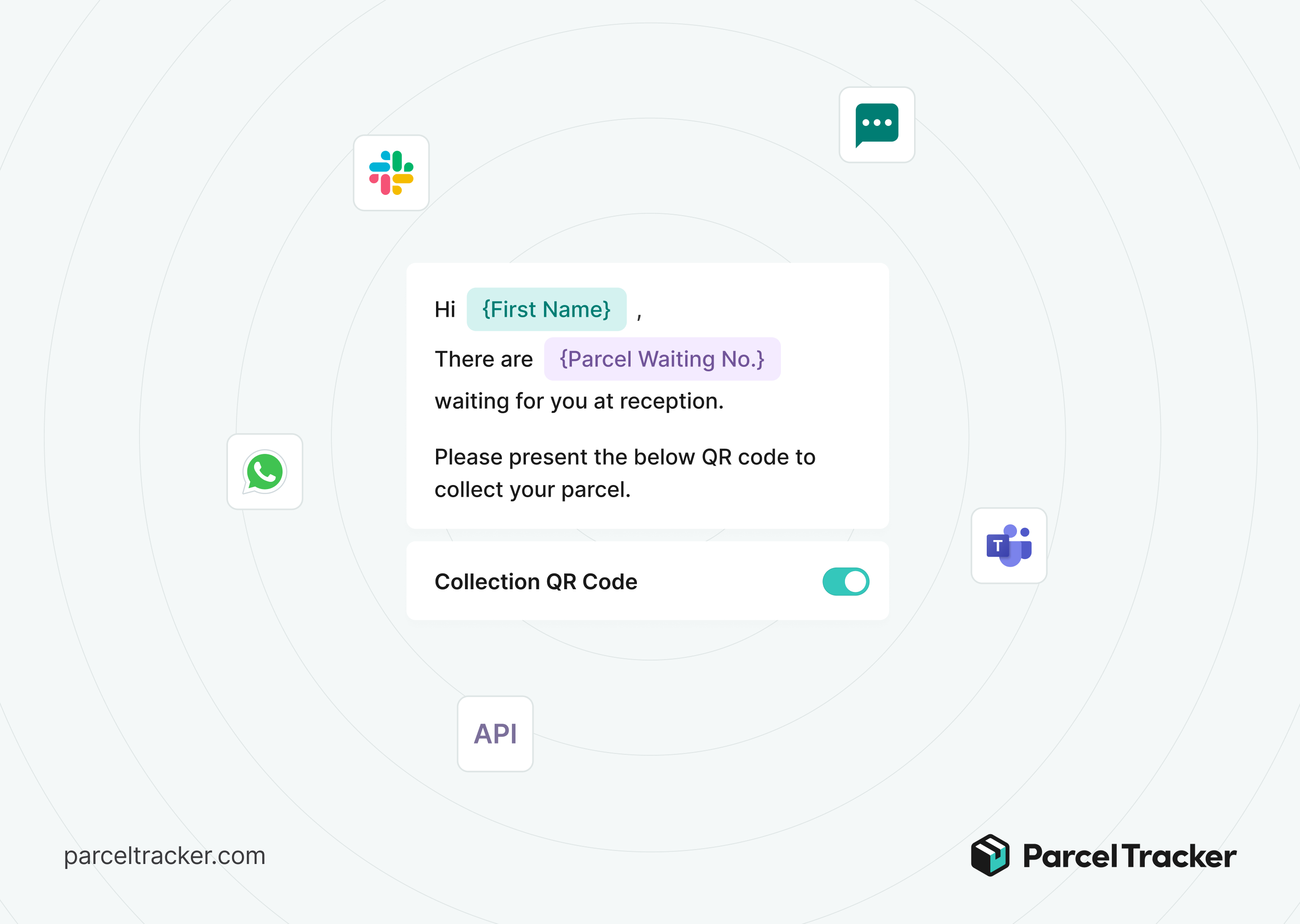
Systemic communication platforms issue immediate SMS and email notifications to recipients as soon as an item is processed into the system. Rapid notification speeds up collection times and prevents physical clutter in holding areas.
Identity Verification
Single-use authorization codes and dynamic QR tokens ensure that only authorized recipients access specific packages. This digital authorization step prevents unauthorized pickups and maintains strict tenant privacy.
Digital Signatures
Collecting electronic signatures via mobile devices or self-service kiosks captures real-time, time-stamped proof of receipt. These digital entries populate a permanent audit trail stored securely in the cloud.
Photo Evidence

Capturing visual proof at the exact moment of physical release establishes definitive evidence of package condition and recipient receipt. Photo records resolve delivery inquiries instantly by providing visual proof of collection.
Secure Workflows
Standardized, software-guided pickup steps ensure that every handoff follows precise verification requirements. Automated prompts guide users through mandatory identification steps before concluding the transfer.
Best Practices for Modern Mailroom Management

Maintaining efficient mailroom logistics requires combining smart technology with structured daily protocols. Property teams maintain optimal security standards by implementing several ongoing management practices.
- Implement Parcel Management Software: Deploy dedicated software for parcel management to unify inventory logs, notification workflows, and custody records into a single cloud dashboard. Centralized software systems give administrators complete visibility over all historical and pending package transfers. Properties like 180 Strand achieved 6x faster collections, while AXO Student Living cut parcel processing time by 80%, demonstrating how software automation removes physical bottlenecks and accelerates overall release workflows.
- Conduct Routine Audits: Perform weekly inventory scans across all physical holding zones to locate stagnant items early. Systematic audits maintain precise digital records and optimize physical storage capacity.
- Designate Access-Controlled Zones: Secure holding areas with electronic badge entry, smart keypads, or automated locker systems. Restricting open physical access protects high-value deliveries from unauthorized handling.
- Mandate Multi-Factor Verification: Require recipients to complete both digital signature capture and photo confirmation for high-value items. Combining multiple verification factors builds absolute confidence in every final handoff.
Integrating Total Control in the Mailroom

Verifiable handoff workflows convert daily package administration into an efficient, fully accountable system. Establishing digital signature capture, visual verification, and automated access protocols creates a reliable physical environment for staff and recipients alike.
Ready to secure your mailroom and streamline parcel management? Upgrade your workflow with Parcel Tracker to automate notifications, capture digital signatures, and secure every package from arrival to final handoff.
Expert FAQ: Secure Mailroom Handoffs and Parcel Tracking
What is proof of pickup in mailroom management?
Proof of pickup is verifiable documentation like digital signatures, photo confirmation, and timestamps confirming a package was collected.
Why are unmonitored mailrooms a security risk for facilities?
Unmonitored mailrooms lack access control and chain-of-custody tracking, increasing package theft, misplaced items, and liability disputes.
How do contactless kiosks secure the package handoff process?
Kiosks require unique QR codes or single-use PINs to verify recipient identity before releasing packages or unlocking rooms.
What are the essential features of secure parcel room workflows?
Key features include automated recipient notifications, dynamic access control, digital signature collection, photo verification, and real-time audit logging.
How does photo verification prevent package loss disputes?
Photo verification captures visual evidence of the recipient collecting the parcel, providing indisputable proof to resolve missing item claims.



.svg)