.svg)
What Are Return Merchandise Authorizations (RMAs)?


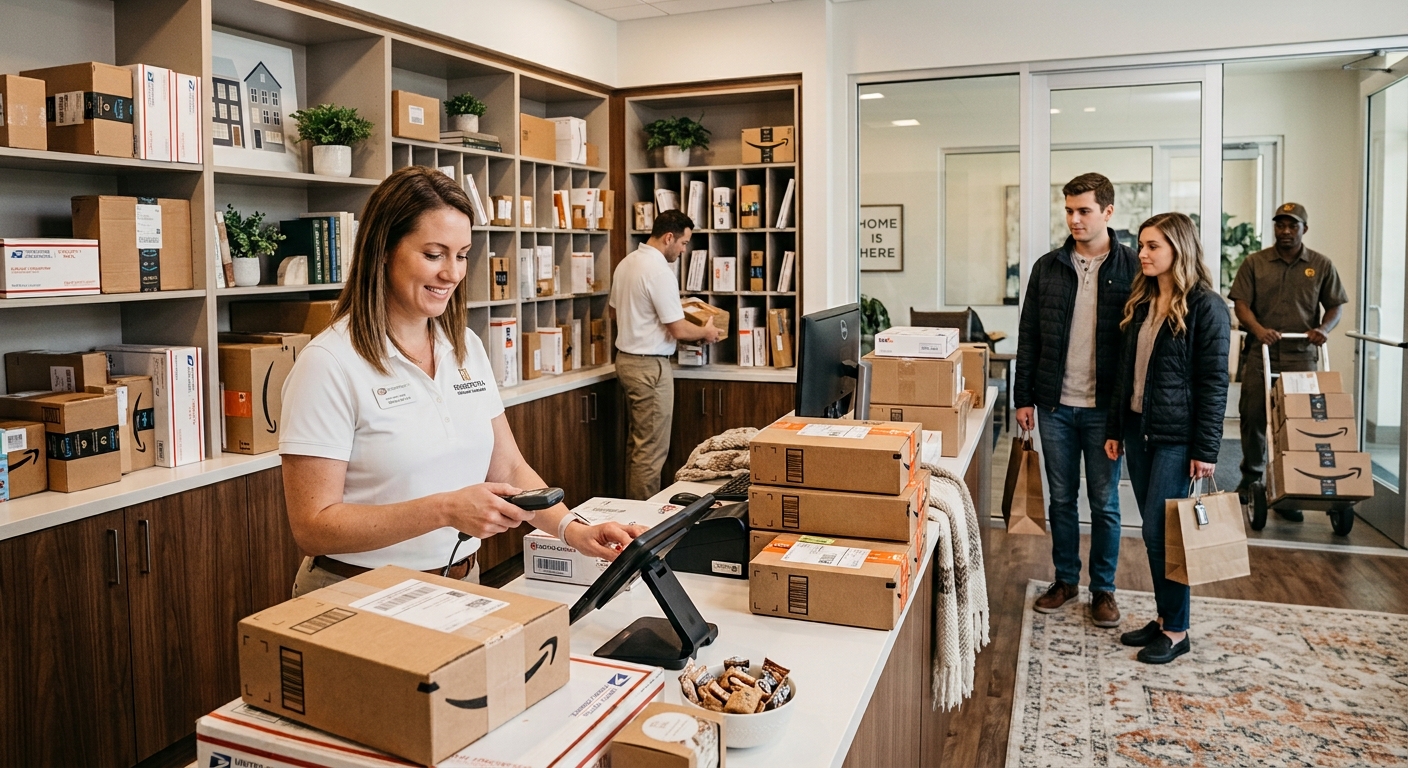
Managing high volumes of incoming parcels requires structure, especially when handling vendor logistics. Efficient mailroom operations rely on clear tracking mechanisms to process every parcel that arrives at your facility.
One critical element in this process is the Return Merchandise Authorization (RMA). Understanding how RMAs function helps property teams and mailroom staff maintain control over inventory, clear shelf congestion, and ensure replacement items reach their intended owners without delay.
Importance of RMAs in Receiving Operations
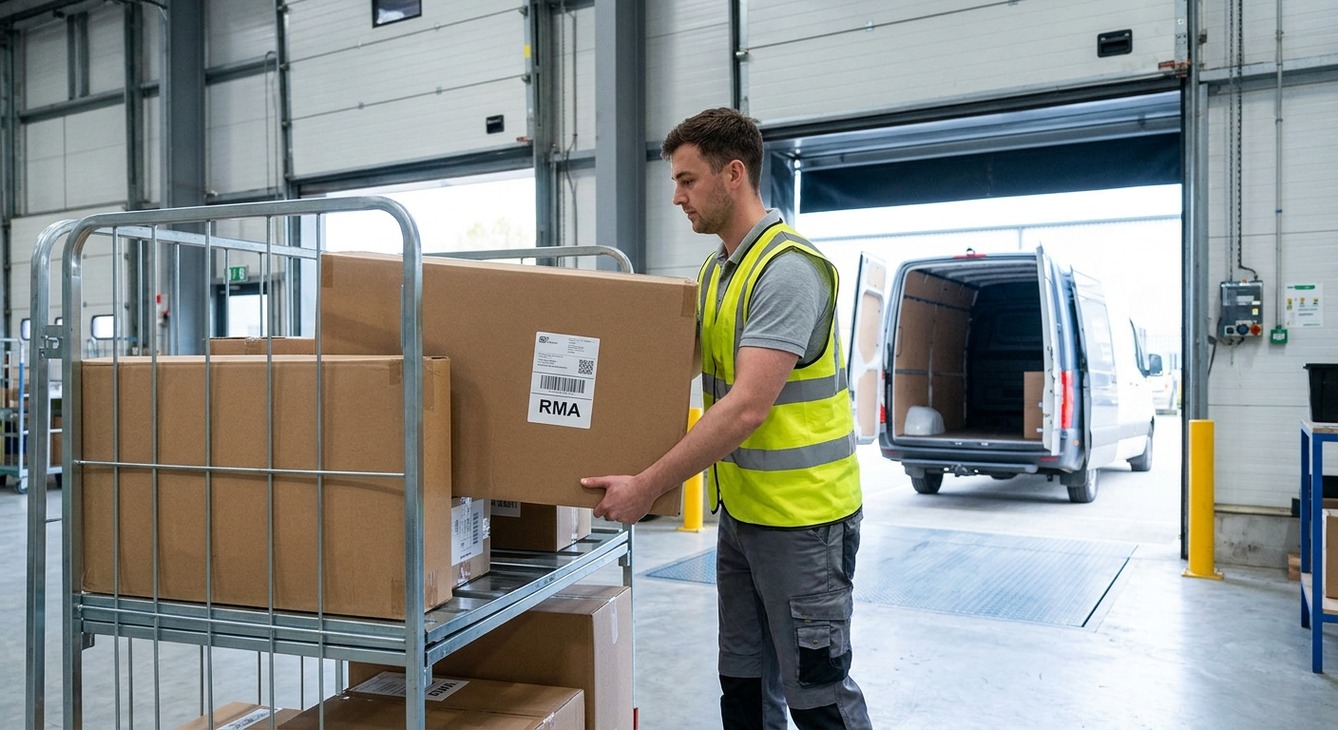
An RMA is a merchant-issued identification protocol required before a customer can ship a product back to a vendor or receive a replacement item. When a buyer initiates a return, the seller generates a unique RMA number tied directly to that transaction. This code acts as an official approval record for the return process.
Vendors require RMAs for several practical reasons:
- Warranty and Claim Verification: Merchants confirm that an item qualifies for a refund, repair, or swap before accepting shipment.
- Inventory Classification: The reference code tells warehouse workers whether an incoming item should be restocked, refurbished, or discarded.
- Prevention of Unauthorized Deliveries: Unapproved parcels entering a vendor warehouse create processing delays and security risks.
- Shipment Matching: The code links incoming parcels directly to original customer accounts, expediting replacement dispatch.
Within daily operations, modern mailroom management intersects with RMAs during receiving. When tenants or employees process warranty claims, vendors ship replacement products back to the building. The RMA code printed on the carrier label serves as the primary link identifying the correct recipient, particularly when internal department numbers or individual names are omitted from the address field.
Common Challenges Created by Unmanaged RMAs
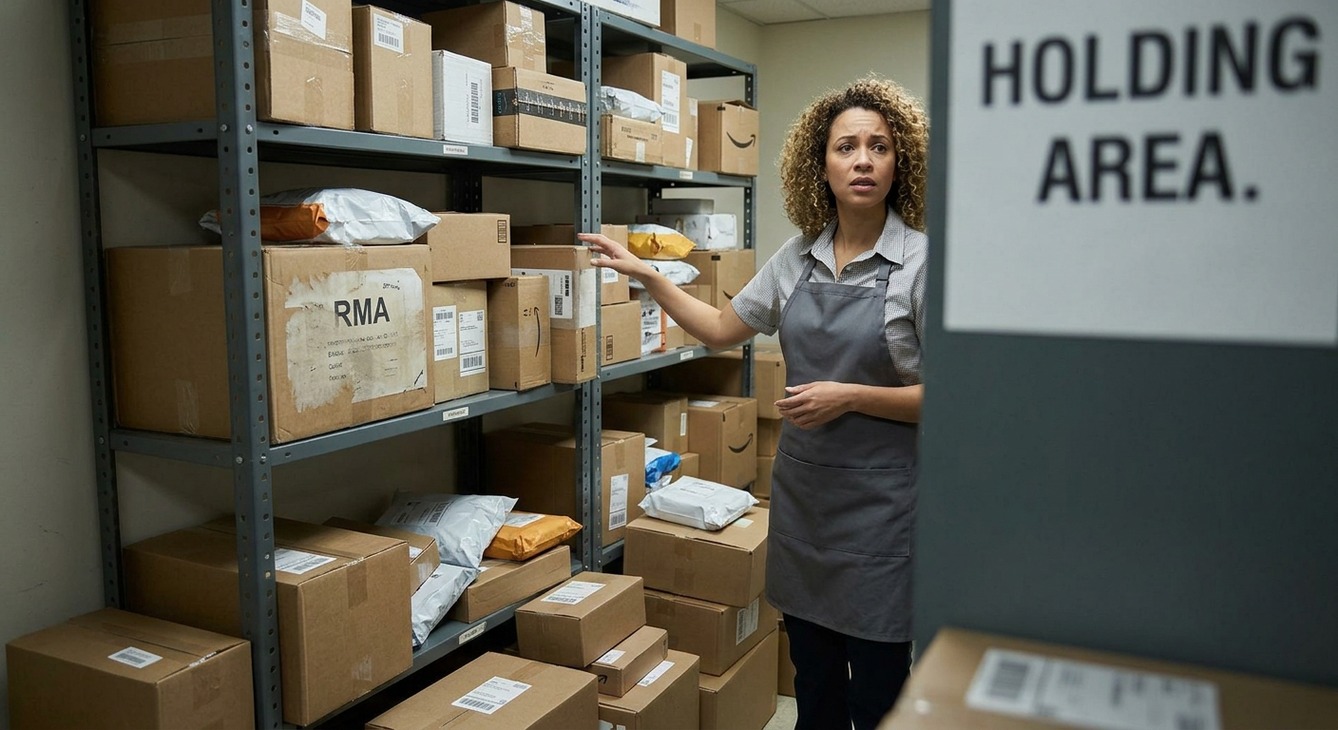
Handling incoming parcels connected to return authorizations introduces specific logjams for mailroom staff. Without established protocols, these shipments create friction during daily processing.
Unidentified Inbound Deliveries
Manufacturers often auto-generate shipping labels featuring the vendor name, an RMA code, and the building address, omitting the end-user's name. Staff members face time-consuming searches to figure out who ordered the replacement item.
Holding Area Congestion
Unlabeled replacement shipments sit on holding shelves while staff trace the recipient. Additionally, residents frequently leave outbound return parcels in common mailroom areas without notifying staff, crowding staging areas needed for incoming deliveries.
Breakdowns in Delivery Records
Accepting replacement parcels without logging associated RMA numbers leaves gaps in your internal records. If a resident inquiries about an expected replacement, staff lack reference points to confirm receipt.
Effective parcel management addresses these vulnerabilities by establishing clear workflows for incoming exchange parcels.
4 Best Practices for Streamlining Inbound RMA Workflows
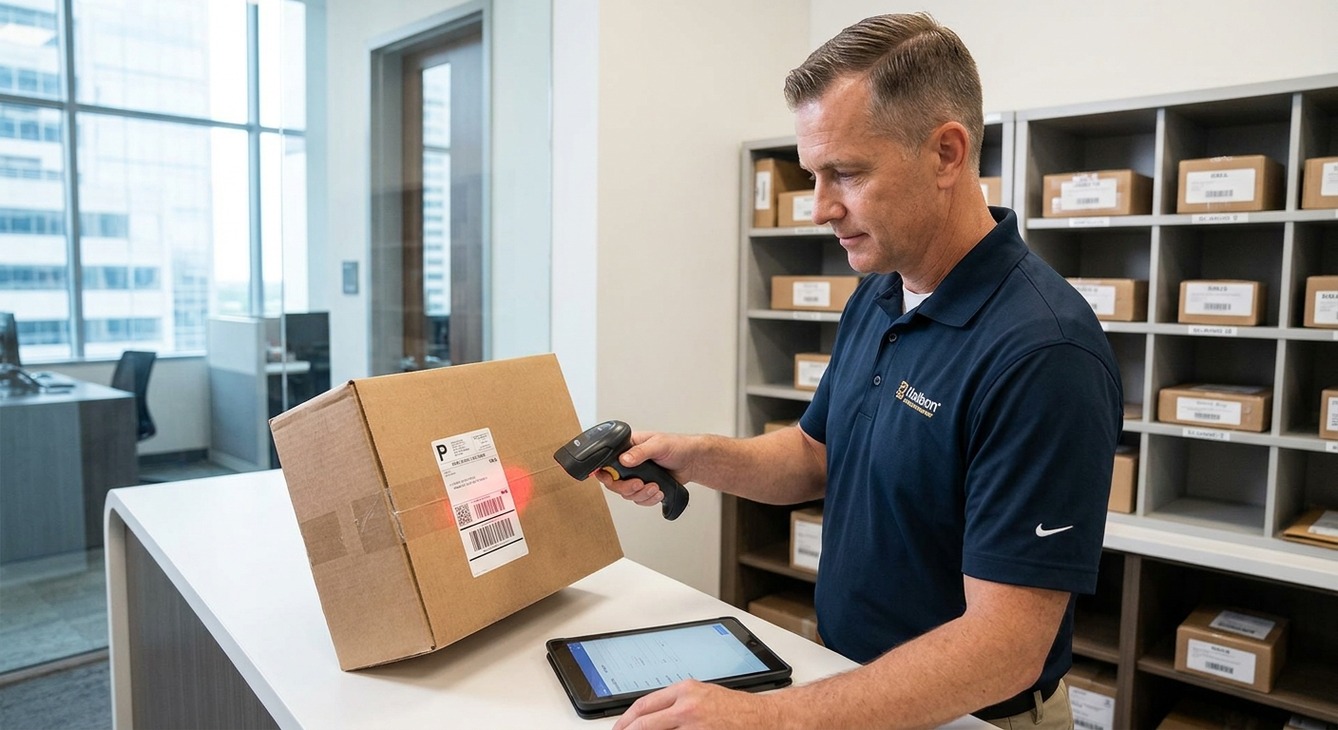
Standardizing how your team receives, logs, and stores RMA-related items keeps workspace congestion low and ensures fast delivery to recipients.
- Standardize Intake Cross-Referencing: Train staff to check carrier labels for RMA numbers upon delivery. When recipient names are missing, cross-reference the RMA string against existing internal logging systems or pending delivery notes to locate the owner immediately.
- Establish Pre-Notification Guidelines: Encourage residents and corporate employees to notify mailroom personnel when initiating a vendor exchange. Having recipients submit expected tracking and RMA details in advance speeds up identification when the replacement parcel arrives.
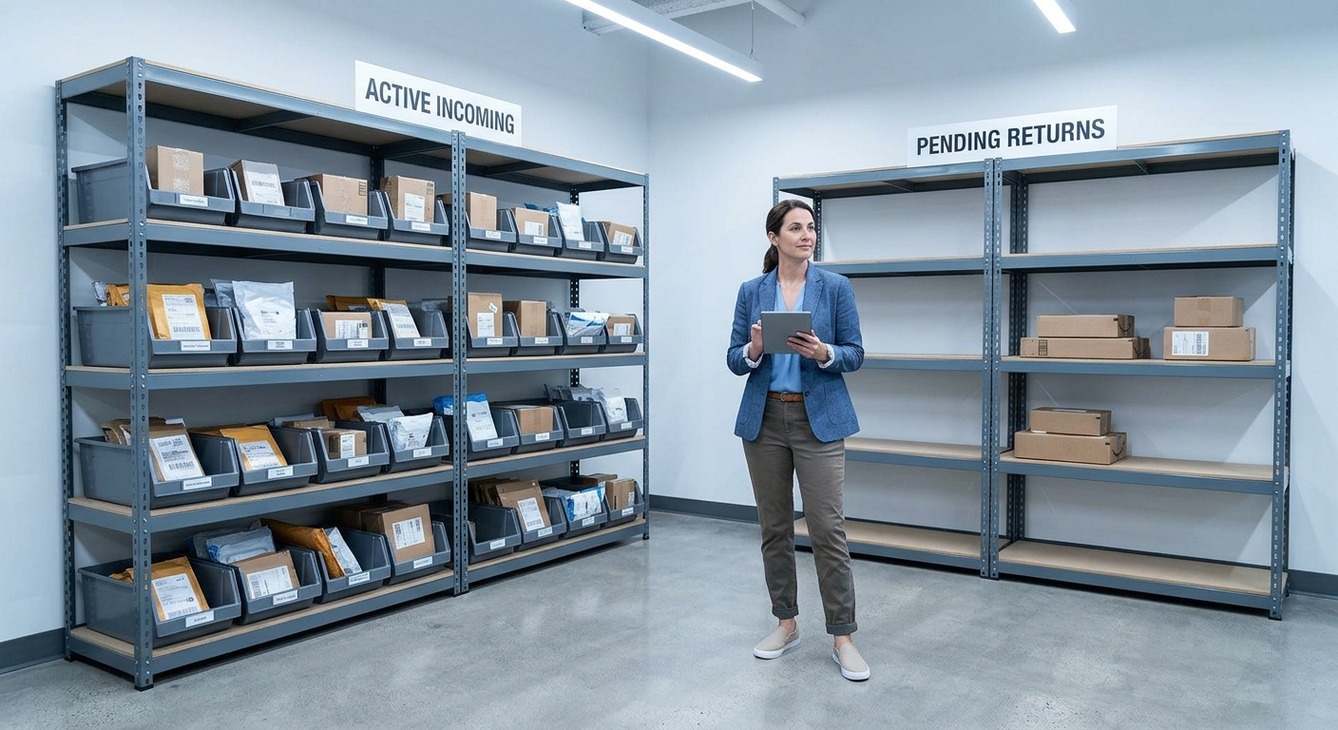
- Designate Specific Holding Zones: Create physical separation within your mailroom. Keep active incoming deliveries in primary shelving units while maintaining a distinct, labeled area for pending return drop-offs awaiting carrier collection.
- Deploy Digital Inbound Tools: Utilize specialized mailroom software to scan barcodes instantly upon arrival. Digital tools log the RMA data, auto-fill recipient information from your directory, and trigger immediate pickup alerts.
Improving Logistics for Clear Delivery
Establishing clear receiving procedures for return authorizations brings order to complex parcel environments. Combining structured staff protocols with real-time digital tracking ensures every incoming replacement item is accounted for from delivery to handoff.
If you are looking to simplify your incoming parcel intake, update internal logging, and eliminate holding room clutter, explore Parcel Tracker.
Expert FAQ: Return Merchandise Authorizations
What is a Return Merchandise Authorization (RMA)?
An RMA is a vendor-issued tracking code authorizing a product return or replacement before shipping.
Why do vendors require an RMA number?
Vendors require RMAs to verify warranty claims, prevent unauthorized shipments, and track inventory reverse logistics accurately.
How does an RMA impact mailroom management?
RMAs link incoming replacement parcels to specific recipients, preventing unidentified parcels and holding area clutter.
How can mailroom software streamline RMA intake?
Mailroom software scans RMA barcodes, instantly logs incoming replacement parcels, and notifies recipients for fast pickup.



.svg)