
.svg)
What is Certificate of Origin in Freight Forwarding?

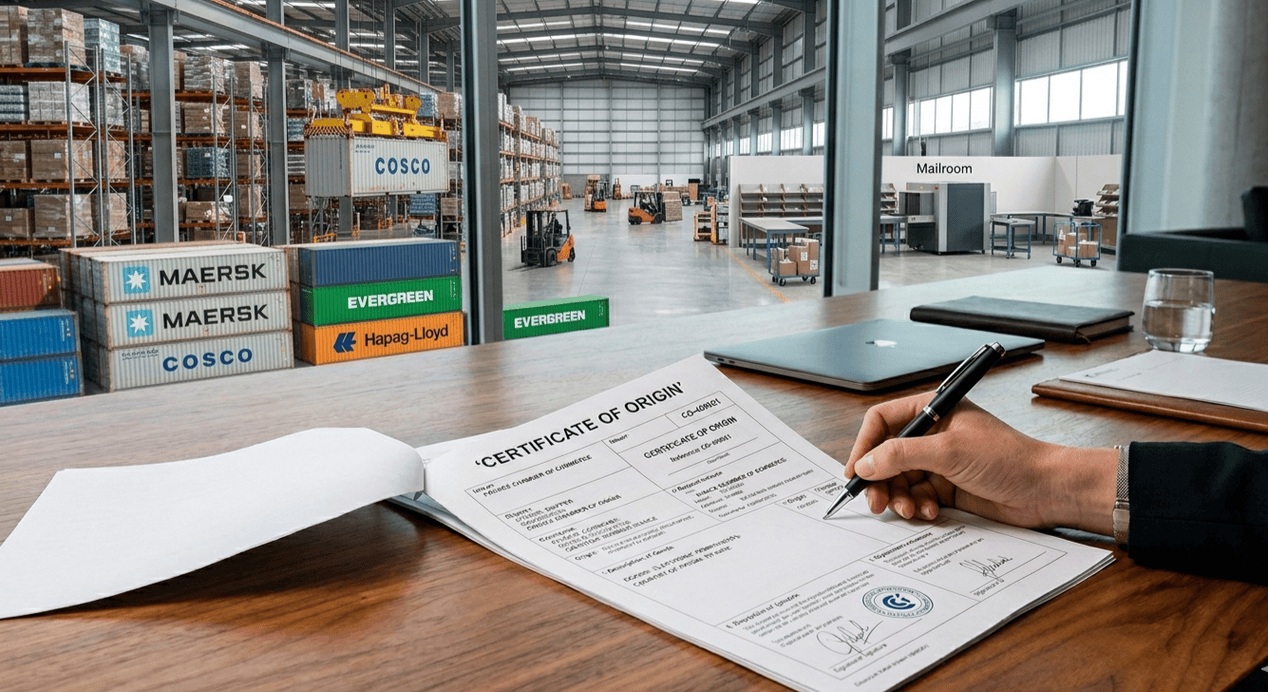
Global shipping depends on accurate documentation to keep supply chains moving across international borders. Among these vital documents, the Certificate of Origin stands out as a critical requirement for customs clearance. Understanding how this document functions helps businesses prevent costly delays at the border.
When managing international trade, working with an experienced partner streamlines the entire shipping process. Logistics experts know exactly what is freight forwarding and how does it work to manage these essential compliance documents and keep global cargo moving legally.
What Is the Exact Definition of a Certificate of Origin?
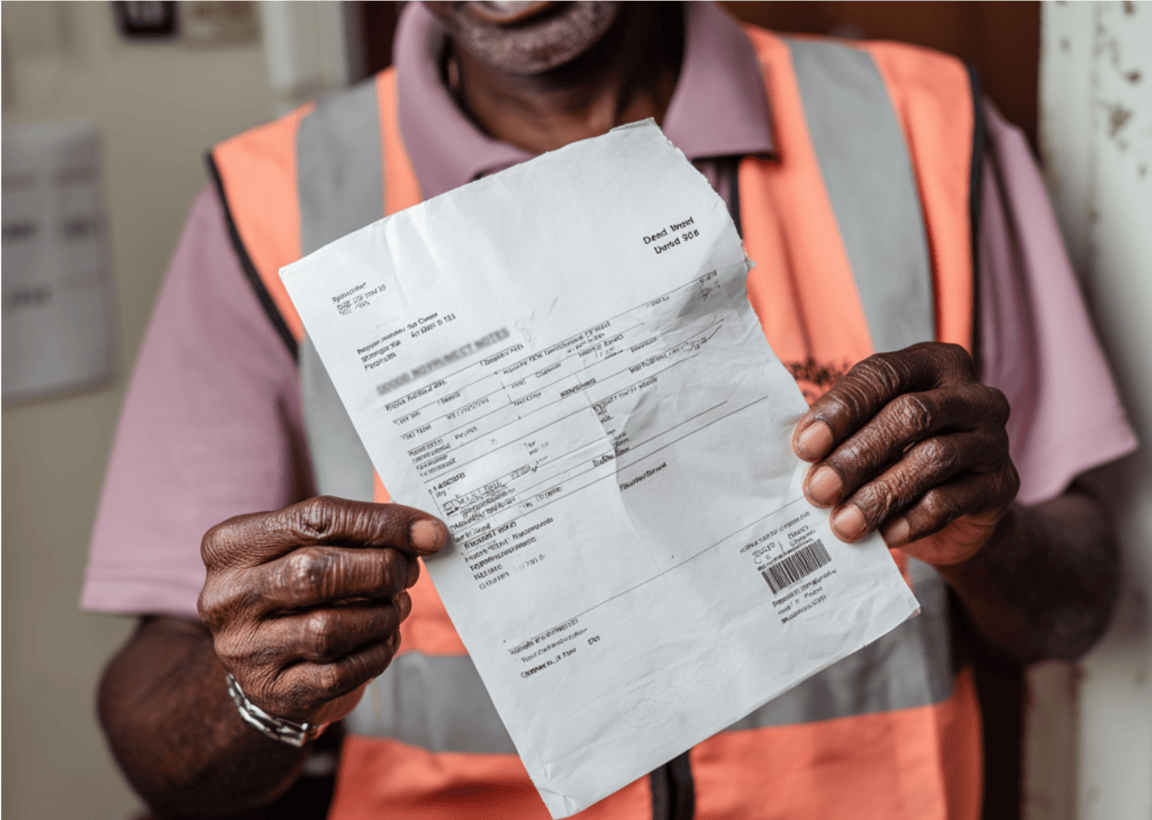
A Certificate of Origin is an official international trade document declaring the specific country where a commercial shipment was manufactured, produced, or processed. Customs authorities look at this document as a trusted passport for cargo, validating its source before granting entry.
Local Chambers of Commerce or designated government departments act as the authorized bodies that officially certify these documents. Exporters must submit detailed proof of manufacturing to these agencies to receive validation.
International trade utilizes two distinct variations of this certification:
- Non-Preferential Certificates of Origin: These documents verify the origin country for standard shipping requirements. Customs officials use them to compile trade statistics and apply baseline tariff rates.
- Preferential Certificates of Origin: These certificates verify that the cargo qualifies for reduced tariffs or complete tax exemptions under specific Free Trade Agreements.
How Do Freight Forwarders Use Certificates of Origin in Daily Operations?

Logistics professionals rely heavily on clean documentation to execute predictable shipping schedules. A freight forwarder utilizes the Certificate of Origin to satisfy strict import regulations and determine the legal entry status of incoming goods.
Customs departments calculate exact import duties based directly on the declared country of origin. By providing a valid preferential certificate, freight forwarders save clients thousands of dollars in taxes through regional trade pacts.
Complete documentation acts as the ultimate defense against border bottlenecks. When a freight forwarder possesses a verified certificate before cargo lands, the shipment moves through customs checkpoints without triggering unexpected inspections.
What Specific Information Belongs on a Certificate of Origin?
A standard certificate requires absolute precision to pass government inspections. The document must feature identical details matching the commercial invoice and ocean bill of lading.
Every compliant certificate contains three core blocks of data:
- Corporate Identities: The complete legal names, business addresses, and registration numbers of both the exporter and the importing receiver.
- Logistics Route: The designated shipping methods, carrier details, departure ports, and final entry destinations.
- Detailed Cargo Specifications: Complete item lists, gross shipping weights, package counts, specific container marks, and correct Harmonized System tariff codes.
Connecting Global Freight to Local Internal Delivery

A validated Certificate of Origin successfully guides your freight across oceans and through complex customs networks. However, the international transit journey represents only half of the logistical equation. True supply chain efficiency requires complete visibility from the entry port all the way to the internal recipient.
Once bulk cargo clears customs and arrives at your corporate facility, internal warehouse logistics take over. Operations managers must understand what is mailroom management to handle incoming corporate shipments without losing track of critical items.
Transitioning from international freight forwarding to internal distribution requires parcel management workflows. Utilizing the best mailroom software automates your inbound tracking, ensuring that every piece of cleared international cargo reaches its exact destination inside your facility. Integrating Parcel Tracker transforms your local delivery desk into a precise, automated extension of your global supply chain.
Expert FAQ
What is a certificate of origin used for?
A Certificate of Origin proves the manufacturing country of a shipment to determine customs duties, tariffs, and trade compliance.
Why do freight forwarders require a certificate of origin?
Freight forwarders need this document to ensure accurate customs clearance, avoid border delays, and leverage free trade agreement benefits.
How do international shippers obtain a certificate of origin?
Exporters obtain a certified document by submitting commercial invoices and manufacturing details to a local Chamber of Commerce.
What is the difference between preferential and non-preferential certificate of origin?
Preferential certificates qualify shipments for tariff reductions under trade agreements, while non-preferential certificates simply verify origin for standard duties.
Why does an incorrect certificate of origin cause shipping delays?
Incorrect data triggers customs audits, leading to shipment holds, financial penalties, and unexpected supply chain disruptions at the border.


.svg)

