.svg)
What is Dwell Time in a Mailroom?

Dwell time in a mailroom is the specific duration between a parcel’s arrival at a facility and its final collection by the recipient. It is a critical metric for mailroom management, measuring the efficiency of package turnover and the physical space required for storage within any high-volume residential, corporate, or commercial building.
The Problems and Real Costs of High Dwell Time
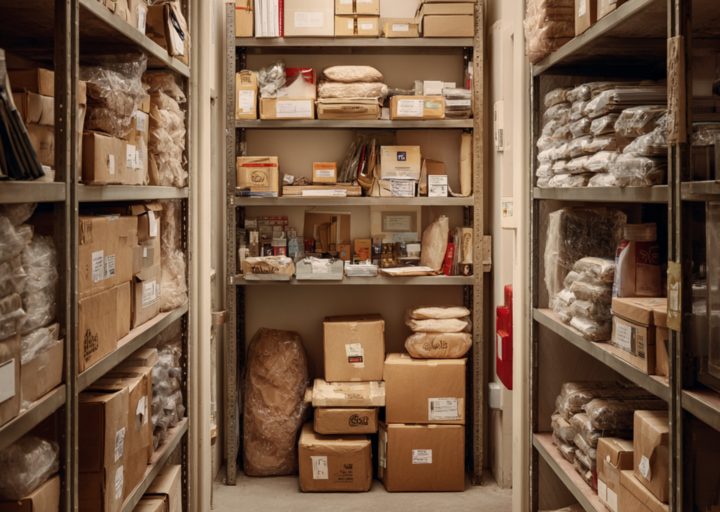
High dwell time is a storage space inconvenience. It is also costing money on operational budgets. When packages sit idle, they trigger a chain reaction of physical and financial bottlenecks:
- Wasted Real Estate Value: In premium districts, every square meter of cluttered floor space represents a direct hit to the bottom line. Turning expensive square footage into non-revenue-generating storage is an inefficient use of high-value assets.
- Unnecessary Added Labor Cost: There is a hidden financial cost when staff spend hours manually handling, reorganizing, and searching for uncollected packages. This prevents team members from focusing on high-value operations in the digital mailroom and facility management.
- Liability and Replacement Hits: A direct correlation exists between prolonged storage and the risk of damage or loss. Items left for days are more likely to be misplaced, leading to expensive replacement claims and higher insurance premiums.
- Detention and Storage Fees: In B2B and warehouse settings, congested mailrooms lead to carrier detention charges. When loading docks are blocked by uncollected inventory, drivers are forced to wait, resulting in hourly penalties.
- Operational Churn: The social cost of a chaotic mailroom is significant. It serves as a primary driver of tenant dissatisfaction in residential hubs and employee frustration in corporate offices, ultimately impacting retention.
Optimizing Operations Across Different Sectors

Every industry faces unique logistical hurdles, but reducing dwell time remains a universal goal for maintaining a professional environment.
- Corporate Offices: Maintain a professional brand image by ensuring employee deliveries don't turn reception areas into unsightly storage hubs.
- Residential Complexes: Spread out the after-work rush with automated alerts that encourage off-peak pickups, preventing overcrowding in shared spaces.
- Education and PBSA: Use delivery tracking software to nudge students between classes. This prevents lobby congestion during peak semesters and move-in weeks.
- Government Facilities: Secure sensitive documents with a parcel management system that provides a strict digital chain of custody and rapid internal distribution.
- Healthcare and Hospitals: Prioritize time-sensitive medical supplies and lab samples, as minimizing dwell time is critical a patient safety and clinical efficiency.
- Warehousing and B2B: Alert floor managers the moment critical inventory arrives, using package-tracking software to avoid production delays and supply chain bottlenecks.
Leveraging Automation and Innovation for Faster Turnover
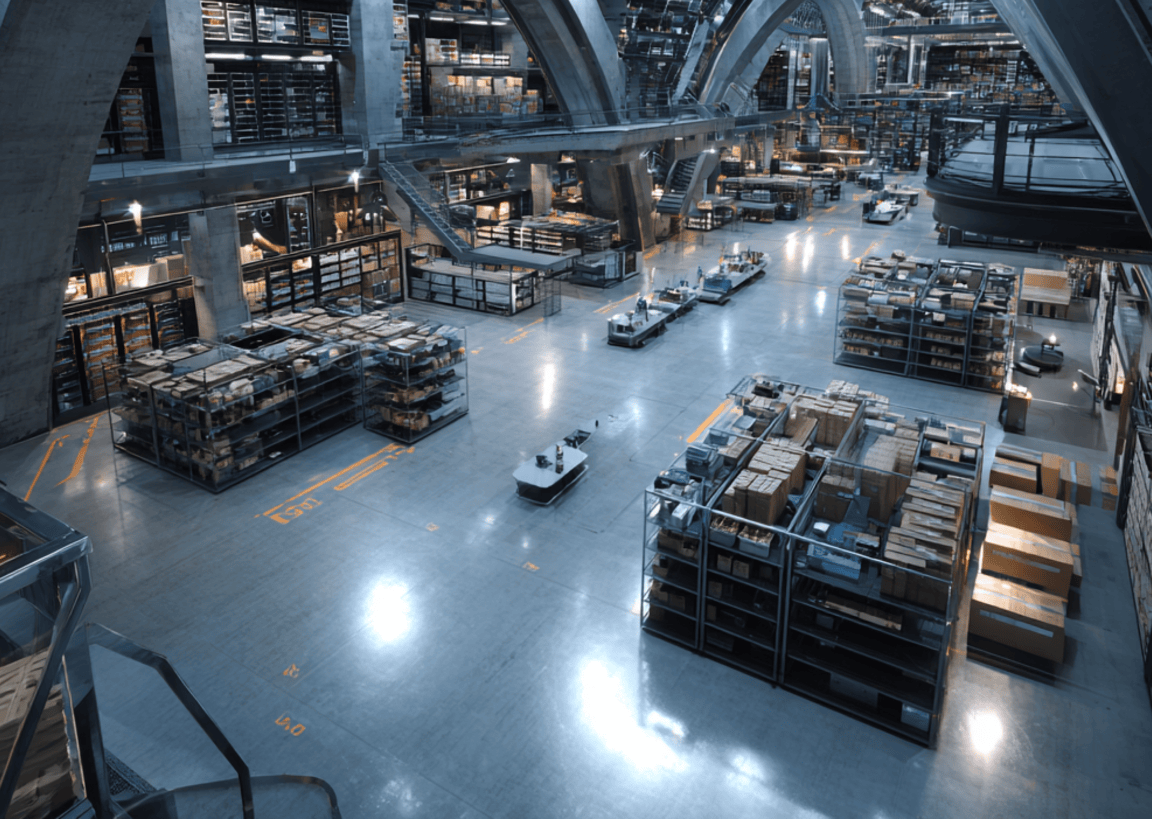
Reducing dwell time requires a shift from passive storage to active logistics. By integrating current mailroom software with emerging technologies, facilities can transform into high-velocity transit hubs.
Digital and Software-Driven Solutions
- Tiered Automated Reminders: Using software to send automated SMS or email notifications at strategic intervals (e.g., 1 hour, 24 hours, and 48 hours post-delivery) significantly reduces the risk of forgetfulness.
- Gamification of Pickups: Rewarding recipients who collect parcels within a golden hour helps foster better habits and keeps shelves clear.
Hardware and Infrastructure Innovations
- Smart Parcel Lockers: Providing 24/7 self-service access eliminates the need for staff-mediated collection, enabling pickups outside traditional office hours.
- Computer Vision Monitoring: Using AI-enabled cameras to monitor shelf capacity in real time can automatically flag stale parcels that have exceeded their allowed dwell time.
The Futuristic Frontier
- Autonomous Mobile Robots (AMRs): Internal delivery robots can transport parcels from the mailroom directly to a desk or doorstep, effectively bringing dwell time down to zero.
- Predictive Logistics AI: Algorithms can predict arrival volumes based on historical shopping trends, allowing managers to pre-allocate storage space before a surge hits.
- Drone-to-Balcony Delivery: In high-rise settings, drones can bypass the mailroom entirely by delivering to secure landing pads on individual units.
Reducing Dwell Time in the Mailroom

Reducing mailroom dwell time is a financial and operational necessity for any high-volume facility. Whether you are managing a government hub, a hospital, or a sprawling warehouse, the time a package sits on a shelf represents a direct cost in terms of labor, space, and potential liability.
With active storage and automated logistics, mailroom managers can reclaim their floor space and ensure a frictionless experience for every recipient. To streamline your intake and collection process while gaining real-time visibility over your inventory, consider implementing a dedicated solution like Parcel Tracker.
Expert FAQ
- What are the primary causes of excessive dwell time in modern mailrooms?
The most common cause is a breakdown in communication; if a recipient isn't instantly notified of an arrival, the package stays on the shelf. Other factors include inconvenient pickup hours, a lack of organization that slows down staff, and forgetting parcels. amnesia." - How does automated notification software impact average pickup speeds?
Automated notifications act as a digital nudge. By sending real-time alerts the moment a parcel is scanned, facilities often see a 30% to 50% reduction in dwell time. Follow-up reminders are particularly effective at prompting action for forgotten items. - Why is dwell time considered a vital KPI for facility and office managers?
It serves as a primary indicator of operational health. High dwell-time signals that your mailroom is reaching its storage capacity limit, increasing the risk of lost items and staff burnout. - What is a healthy average dwell time for a high-volume mailroom?
While it varies, a healthy average is generally under 24 hours. In corporate environments, the goal is often same-day collection, while residential settings aim for collection within 12 to 18 hours. - How can digital systems help prevent the loss of aging or forgotten parcels?
Digital package tracking software provides a clear, time-stamped audit trail. Instead of a package being buried, the system flags aging inventory that exceeds a threshold, allowing staff to proactively reach out to the recipient.


.svg)