.svg)
What is the Best Mailroom Software for Healthcare Facilities?

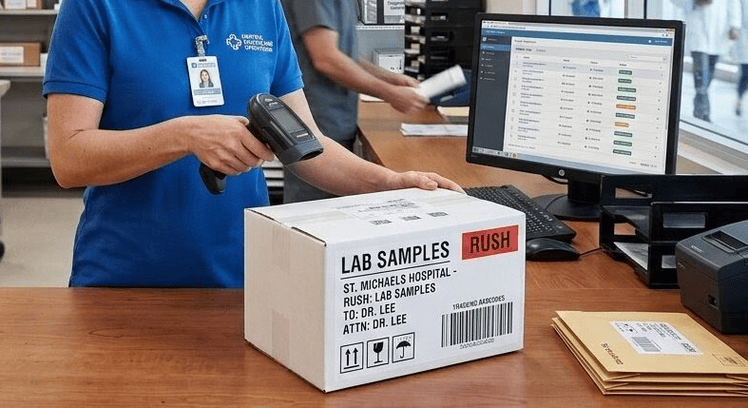
Efficient internal logistics keep hospitals compliant and patients safe. High-stakes medical cargo, including lab specimens, pharmaceuticals, medical devices, and sensitive patient records, demands absolute precision during transit. When a package enters a medical campus, the window for successful delivery is often measured in minutes.
Traditional paper logs and manual spreadsheets fail to meet modern institutional demands. Automated tracking systems solve these vulnerabilities by establishing immediate accountability. This guide evaluates the top features that secure internal chains of custody, maintain regulatory health standards, and satisfy strict compliance audits.
Critical Features of Healthcare Mailroom Software
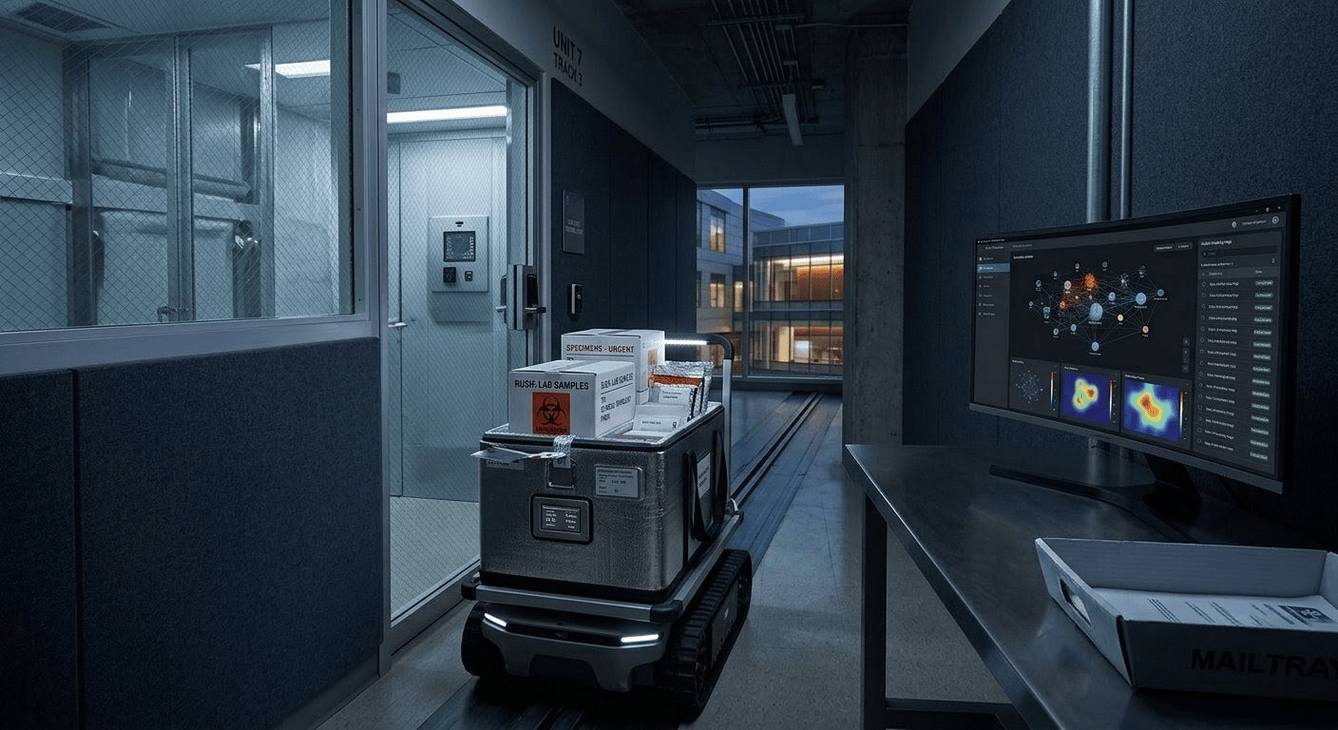
Modern inbound delivery platforms must provide specialized utility far beyond standard package logging. To support clinical workflows, healthcare facilities require robust digital tools that protect item integrity from the loading dock to the final ward.
- Secure, Verifiable Chain of Custody: Real-time visibility minimizes lost items. The software logs every single custody transfer, creating a transparent custody trail across couriers, internal couriers, and department staff. To safeguard sensitive shipments, facilities rely heavily on mailroom compliance and chain of custody frameworks.
- Regulatory Compliance and Data Logging: Platforms maintain comprehensive digital audit trails. Features support HIPAA and Joint Commission standards through end-to-end encrypted data storage and secure user authentication.
- Digital Signatures and Proof of Delivery: Contactless verification, photo capture, and digital signatures confirm receipt for high-value or sensitive medical packages, ensuring complete accountability.
- Automated Notifications for Time-Sensitive Cargo: Platforms utilizing what is automated parcel notification and why your mailroom needs it ensure that instant alerts via SMS or email prioritize urgent biological samples, frozen materials, or emergency medication deliveries, prompting staff to pick up items immediately.
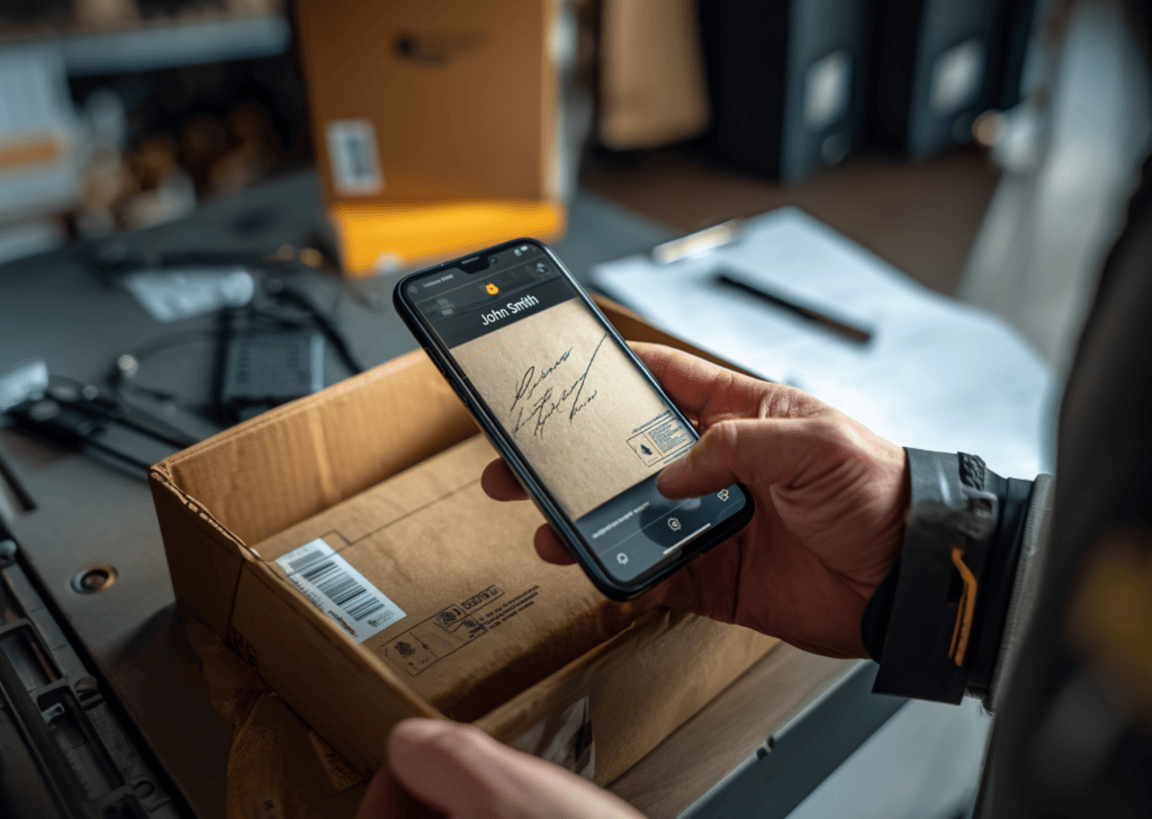
- Optical Character Recognition (OCR): Smart scanning instantly reads smartphone photos of carrier labels to parse complex room numbers, doctor names, and department codes, reducing manual text entry errors.
- Custom Category Tagging: Staff can flag incoming parcels with custom statuses like "refrigerated," "narcotics," or "stat" to dictate specific handling and storage workflows.
- Multi-Site Dashboard Management: Administrators track asset distribution across clinics, campus buildings, and regional healthcare warehouses from a single centralized screen.
Implementing Inbound Logistics Software in Medical Centers

Transitioning to automated parcel management requires a strategic approach to ensure minimal disruption to daily patient care activities. When evaluating scalability, administrators often weigh hiring more staff vs adopting a smart solution that really solves your parcel problems to determine the best path for long-term efficiency. Successful deployment relies on choosing agile software that fits into established ecosystems.
- Seamless Workflow Integration: Establishing what is automated inbound logistics allows the tracking technology to pair via API with existing warehouse databases, enterprise resource planning (ERP) systems, and hospital information systems.
- User-Friendly Interfaces for Staff: Quick adoption reduces scanning bottlenecks at reception desks. Intuitive mobile applications allow temporary staff or volunteers to process incoming freight with minimal training.
- Hardware Compatibility: Cloud-based software runs on standard iOS or Android smartphones and tablets. This eliminates the need for expensive, proprietary scanning hardware and simplifies fleet maintenance.
- Automated Data Purging Policies: Systems align with hospital records management by automatically archiving or deleting delivery data according to strict patient privacy laws and corporate data retention schedules.
Securing Patient Care Through Chain-of-Custody Software

Upgrading to dedicated mailroom management software protects sensitive cargo, satisfies legal requirements, and maintains institutional compliance. By eliminating blind spots in internal logistics, healthcare administrators protect patient outcomes and reduce waste associated with lost medical assets. Comprehensive cloud solutions streamline everyday operations so medical professionals can focus entirely on patient care.
For a reliable, secure solution tailored to modern chain-of-custody needs, explore the capabilities of Parcel Tracker.
Expert Healthcare Mailroom Compliance FAQ
What features ensure HIPAA compliance in mailroom tracking software?
Encrypted data logs, restricted user access permissions, and digital signatures protect patient privacy and secure sensitive medical package delivery.
Why must healthcare facilities track internal chain of custody?
Verifiable tracking prevents loss of critical medical cargo, protects patient health, and provides audit trails for strict regulatory compliance.
How does automated mailroom software prioritize time-sensitive medical cargo?
Instant smartphone notifications and custom category alerts flag urgent arrivals like laboratory specimens, vaccines, and emergency pharmaceuticals.
What digital proof is required for medical package delivery verification?
Hospitals require electronic digital signatures, timestamps, and recipient biometric verification to establish definitive proof of medical cargo delivery.
How do smart scanning features accelerate hospital internal distribution?
Optical character recognition technology reads complex labels instantly, reducing processing time and manual entry errors at hospital loading docks.


.svg)