.svg)
What is the Difference Between Smart Parcel Locker and Mailroom Management Software?


Incoming deliveries present a unique logistical problem for modern property managers. As global shipping volumes continue to scale rapidly, with global parcel volume reaching 190 billion packages annually, every commercial lobby and residential building must establish an efficient intake system.
Property managers seeking to regain control of their space usually evaluate two modern options, namely physical smart parcel lockers and standalone mobile software. Choosing the right path requires looking closely at how physical hardware compares to a digital-first approach in terms of cost, space, and long-term flexibility.
Defining the Core Package Logistics Approaches
Understanding the structural differences between these two systems helps clarify how they handle daily intake and distribution. The following breakdown highlights the core mechanics of both options to help clarify their primary differences.
The Physical Smart Locker Setup
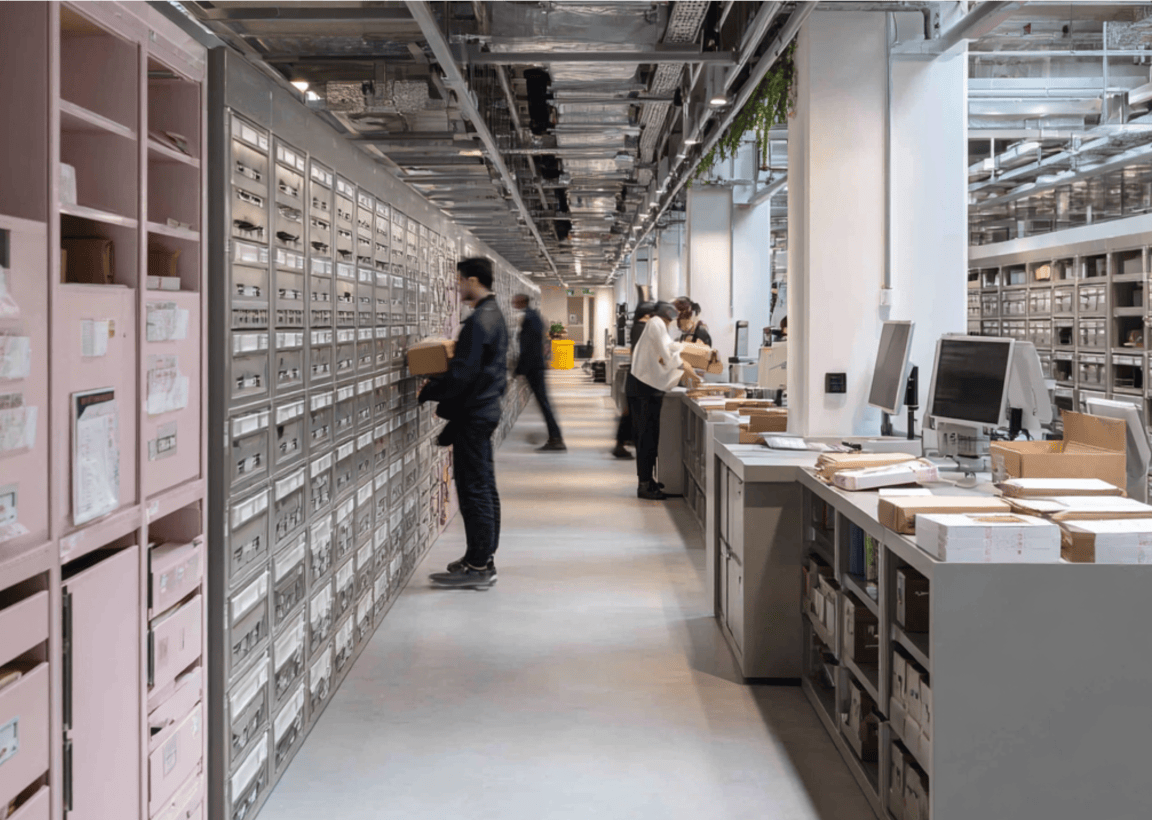
Before looking at software, it helps to understand how physical units function. A smart parcel locker is a modular hardware installation positioned in a building's common area, functioning through the following standard steps:
- The Hardware: The system consists of physical metal locker banks of varying sizes connected to a central touchscreen kiosk.
- The Workflow: Couriers interact with the touch screen, select a resident's name, and place the delivery inside an automated door that pops open.
- The Retrieval: The system sends a notification with a secure pickup code, allowing residents to retrieve their items at their convenience.
The Standalone Digital App Setup
A software-focused system uses cloud-based applications to optimize mailroom management using existing building spaces. This approach simplifies the intake process by using a clear digital workflow:
- The Hardware: No custom physical infrastructure is required because the system runs on standard smartphones or tablets already owned by the property.
- The Workflow: Front-desk staff or concierges use the mobile app to scan shipping labels. The software reads recipient details instantly, logs the package, and files it on a designated shelf or in an existing secure room.
- The Retrieval: Residents receive an automated alert and collect their items from the front desk or mailroom by providing a quick digital signature.
Evaluating Cost, Footprint, and Everyday Agility

Every property operates under unique space constraints and budget realities. Reviewing these distinct categories highlights where each solution shines.
Upfront Capital and Ongoing Upkeep
Physical lockers require a significant capital expenditure. Properties must fund the manufacturing of the steel units, delivery logistics, onsite assembly, and the electrical work needed to power the kiosks. Over time, these systems require ongoing hardware maintenance, touchscreen repairs, and software licensing fees.
A software-only solution operates on a highly accessible subscription model. Properties avoid installation costs entirely because the application deploys instantly onto existing devices. Upgrades occur seamlessly through cloud updates, leaving physical maintenance worries completely behind.
Spatial Efficiency and Peak Volatility
Lockers occupy a permanent, rigid footprint in common spaces or lobbies. While they offer neat storage during average delivery days, their capacity is entirely fixed. When shopping seasons peak and package volume surges, lockers quickly fill to capacity, forcing couriers to leave remaining deliveries stacked on the lobby floor. This friction often leads to dropped packages and missed drop-offs. In fact, research shows that failed delivery attempts cost an average of $17.78 each, frequently because carriers struggle with complex locker interfaces or lack physical access to the building.
Digital parcel management software scales beautifully to eliminate these friction points. Because the application functions as an organizational map for any physical space, property managers can utilize closets, back offices, or shelving units. During high-volume weeks, staff can temporarily expand the designated storage zone without purchasing more hardware, keeping the intake loop moving efficiently.
Oversized Shipments and Perishables
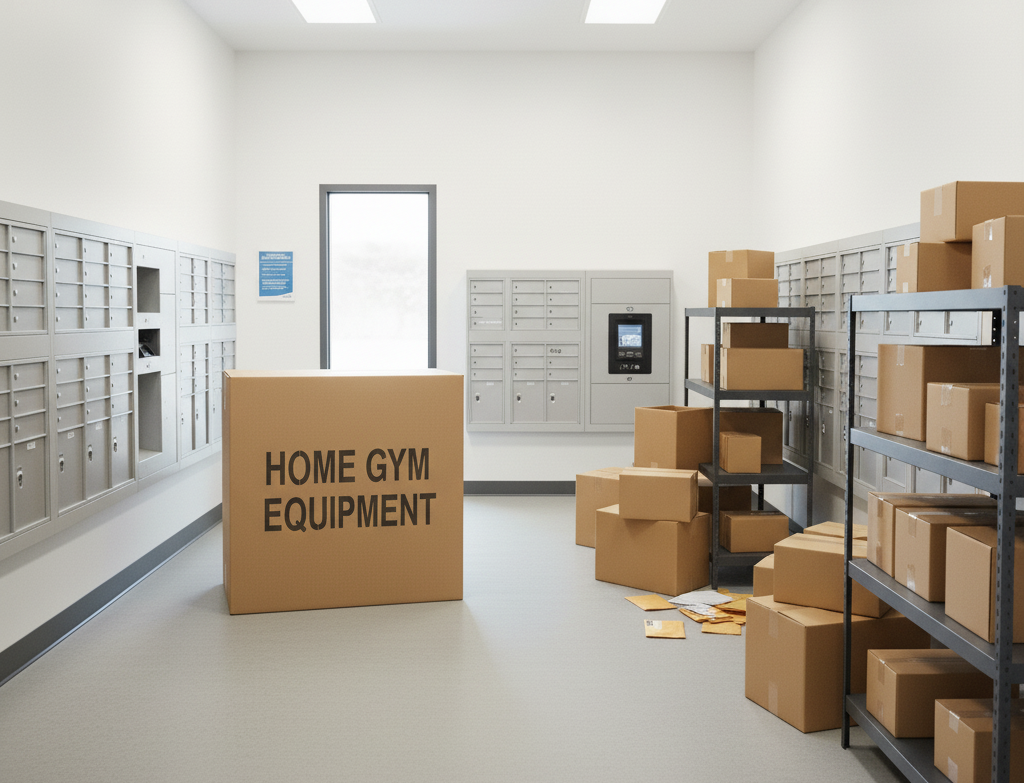
Metal lockers are limited by physical dimensions. Large boxes, furniture, cases of water, and temperature-sensitive grocery deliveries are often too large or delicate to store in a standard metal compartment.
Using standalone software, property staff can easily log shipments of any shape, weight, or temperature requirement. Perishables can be scanned and placed in a standard staff refrigerator, while oversized boxes remain in a secure holding area until pickup.
Deciding on the Best Fit for Your Property
The choice between hardware and software depends on your staffing model, physical layout, and long-term goals. To assist in your evaluation, we have compiled specific criteria for when each system works best.
When to Consider Smart Parcel Lockers
Certain property configurations naturally align with hardware-heavy setups. You should consider investing in physical lockers if your property meets these criteria:
- Unstaffed Buildings: Perfect for properties operating without a front desk, concierge, or leasing office staff to receive deliveries.
- 24/7 Access Demands: Ideal when residents prioritize picking up packages late at night without interacting with staff.
- Ample Common Space: Best suited for properties with large, unused lobbies that can easily fit extensive steel locker configurations.
When to Choose Standalone Software
Digital applications offer a highly flexible alternative for dynamic properties. Standalone software is the optimal choice if your building matches the following characteristics:
- Active Front Desks: Highly recommended for buildings that already employ lobby staff, concierges, or security teams.
- Rapid Deployment Needs: The perfect path for properties that need to organize their delivery workflows today without waiting for construction permits or delivery lead times.
- Diverse Delivery Types: Necessary for properties that frequently receive oversized items, clothing boxes, or meal-subscription kits.
- Budget-Conscious Operations: A great match for management teams wanting to maximize modern resident convenience while keeping building overhead low.
Maximizing Delivery Efficiency on Your Own Terms

Selecting the right delivery solution ensures a clutter-free lobby and a more organized daily routine for your team. While physical smart lockers provide a hands-off approach for unstaffed buildings, they lack the adaptability and cost-effectiveness of a software-first solution. Utilizing a standalone digital application allows properties to scale easily, handle packages of all shapes and sizes, and establish a modern workflow in minutes.
If your property is ready to clear the lobby clutter and simplify incoming package logistics without the steep cost of physical hardware, see how Parcel Tracker transforms any mobile device into an elegant, highly accurate package tracking system.
Expert FAQ: Package Management Solutions Explained
To help clarify any remaining questions about these package retrieval technologies, we have compiled answers to the most common queries.
What is the primary difference between a parcel locker and mailroom software?
A parcel locker is physical hardware storage, whereas mailroom software is a digital application tracking packages within an existing space.
Why do property managers choose standalone mailroom software over lockers?
Software requires zero lobby construction, deploys instantly, scales dynamically during holiday rushes, and costs a fraction of physical systems.
How does mailroom management software track incoming packages?
The software uses a mobile camera to scan shipping labels, instantly matching recipient details and sending automated pickup alerts.
What happens when a package is too large for a smart locker?
Oversized packages cannot fit inside standard compartments, forcing delivery couriers to leave them unsecured on the lobby floor.
Why is carrier compliance higher with mailroom management software?
Busy couriers often bypass locker screens to save time, whereas on-site staff using software log packages with perfect accuracy.


.svg)