.svg)
AI in the Mailroom: How Machine Learning is Redefining Vendor Performance Metrics

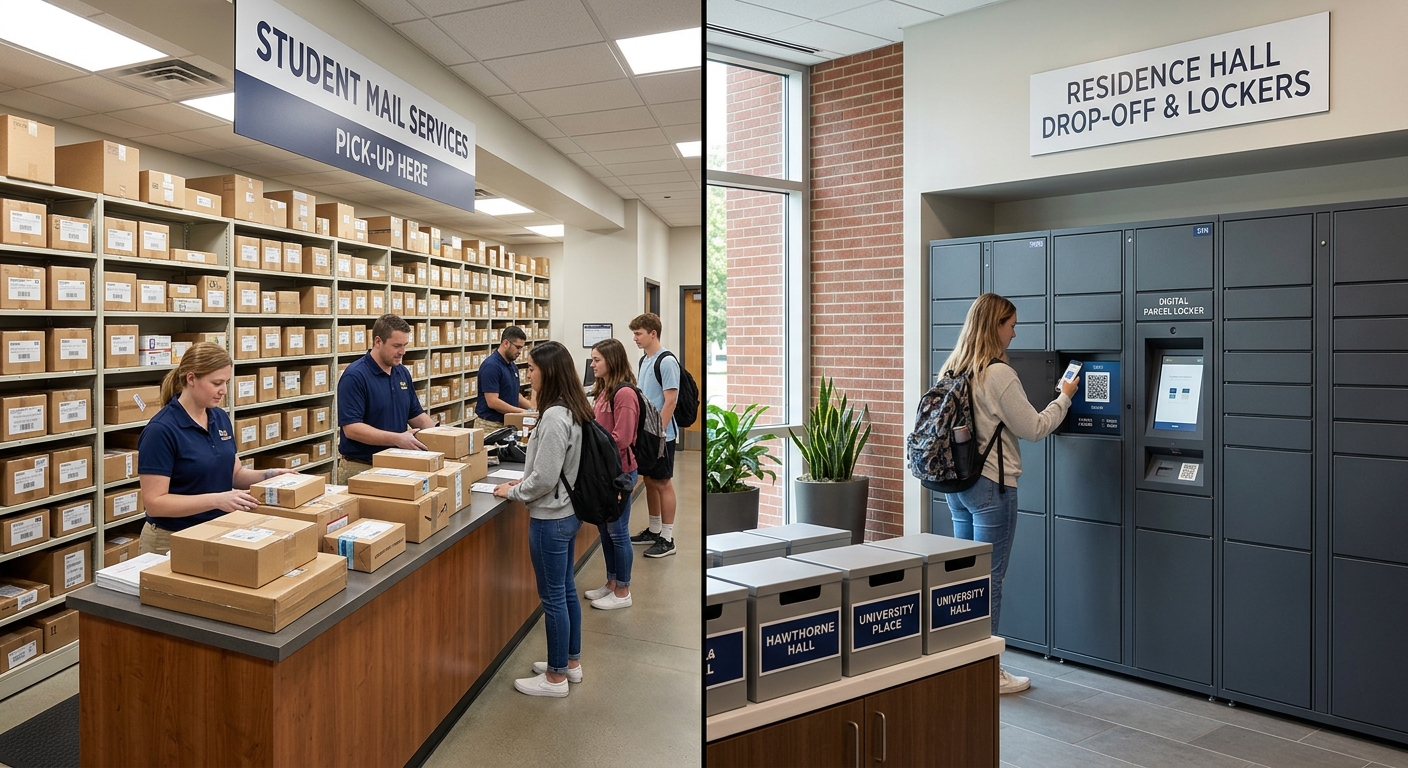
Mailroom management teams often evaluate corporate delivery hubs using manual metrics like items processed per worker hour or total monthly labor costs. Modern enterprise logistics now relies heavily on optical character recognition (OCR) and machine learning models to parse incoming package data. Evaluating third-party facilities vendors on manual processing speed creates a clear misalignment between contractual Service Level Agreements (SLAs) and actual platform performance.
Updating vendor agreements allows operations leaders to align service expectations with automated capabilities. Modern procurement strategies focus on software reliability, optical recognition accuracy, and seamless integration with corporate directories.
Digitizing Inbound Intake Through Machine Learning
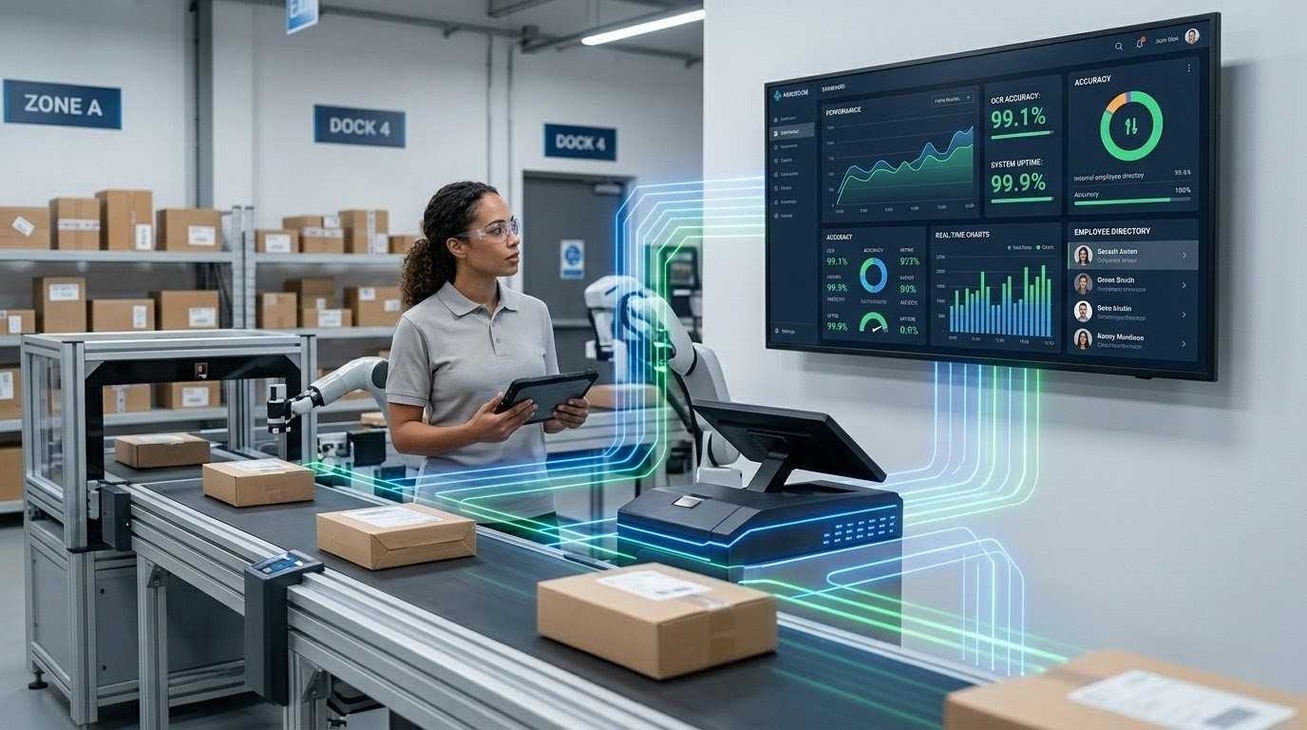
Modern mailrooms process incoming items by capturing shipping label data through smartphone cameras, fixed optical scanners, or specialized mobile applications. Artificial intelligence algorithms immediately identify key data fields such as tracking numbers, courier details, and recipient names across various shipping formats.
Machine learning models cross-reference recipient names against live corporate employee databases. Fuzzy logic algorithms resolve typos, shortened names, or missing department numbers, ensuring accurate notifications reach the correct individual on the first attempt.
Digital parcel intake establishes a verifiable chain of custody without manual logbooks. Once a scan completes, automated workflows send instant push notifications, emails, or chat alerts to recipients, allowing staff to focus on high-priority facility tasks.
Effective enterprise mailroom management relies on these automated intake systems to maintain complete visibility across multiple locations. Implementing unified scanning platforms reduces package handling times while maintaining structured audit trails for all incoming items.
Defining Performance Metrics for Technology-Driven Operations

When mailroom software automates the scanning process, standard metrics like manual sorting speeds become secondary. Procurement teams must establish technical metrics that accurately capture the performance of automated software and hardware stacks.
- First-Pass Data Extraction Accuracy: Contracts should define acceptable character error rates for automated OCR systems. High-performing solutions maintain field extraction accuracy rates above 98 percent across diverse carrier labels.
- Scan-to-Notification Latency: Service agreements must measure the elapsed time between the initial physical scan on the receiving dock and the automated alert sent to the end recipient. Targets under 30 seconds ensure rapid pickup cycles.
- Cloud Infrastructure Availability: Software uptime guarantees should mirror standard enterprise SaaS benchmarks, maintaining at least 99.9% availability for scanning services and notification systems.
- Exception Queue Resolution Speed: System evaluations should monitor how quickly the platform routes unreadable labels or unassigned packages to human operators for manual review.
Organizations expanding their internal parcel management frameworks use these structured technical KPIs to maintain vendor accountability across every delivery hub.
Managing Machine Learning Model Drift and System Outages
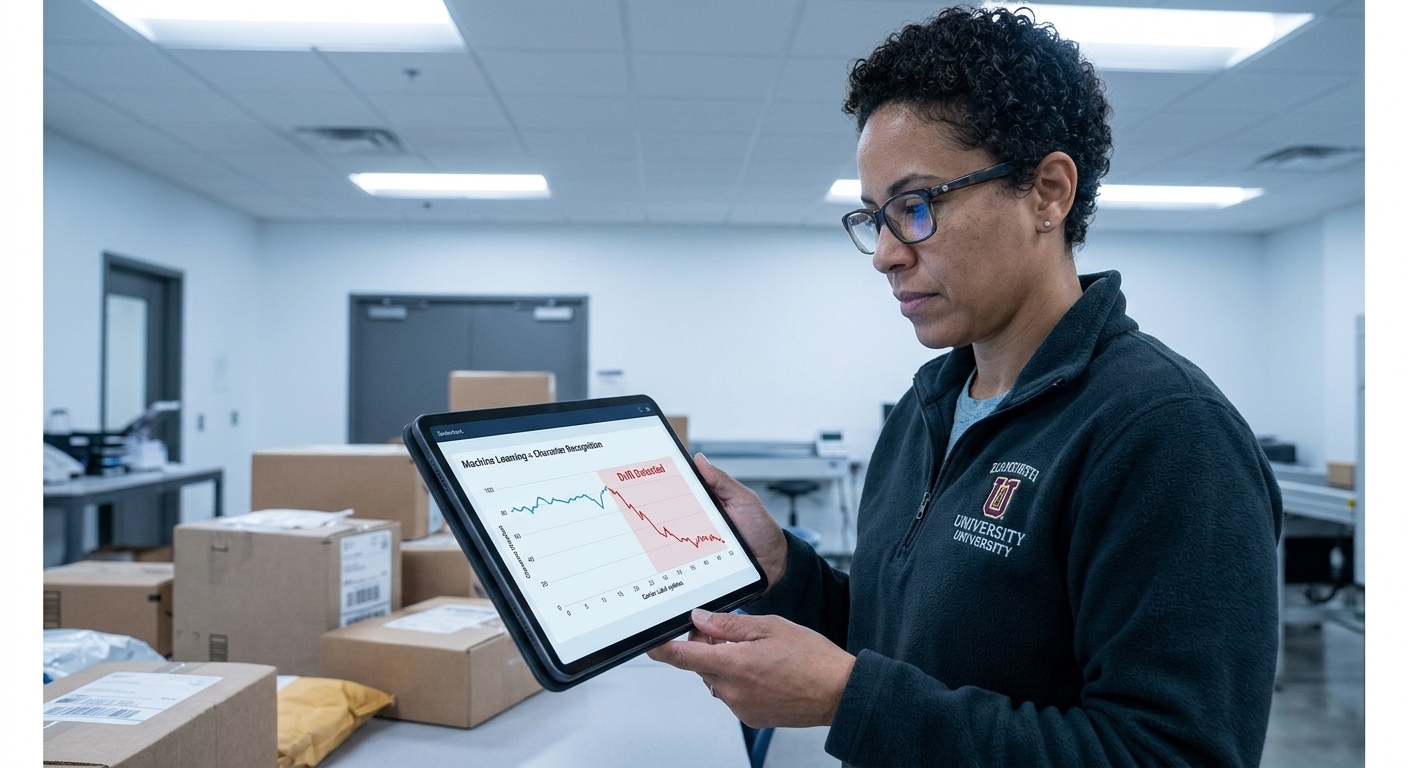
Carrier label templates change frequently. Shipping providers periodically update fonts, barcode dimensions, logo placements, and label stock materials. Over time, these subtle design adjustments cause model drift, where standard optical recognition software suffers a drop in parsing accuracy.
Service contracts must require vendors to perform continuous model retraining to adapt to new carrier formats. Agreements should include response times for releasing software patches when regional couriers roll out updated label layouts.
Contractual remedies help protect facility operations when technical performance degrades:
- Tiered service credits tied to monthly optical character recognition accuracy baselines.
- Guaranteed turnaround windows for vendor technical support during software outages.
- Mandatory system status dashboards providing real-time visibility into application uptime and scan accuracy statistics.
Distinguishing hardware issues from software recognition failures ensures rapid troubleshooting and maintains momentum across receiving locations.
SLA Checklist for Enterprise Facilities Agreements

Upgrading master service agreements requires clear contractual provisions tailored to modern technology stacks:
- Active Directory Synchronization: Mandating continuous, automated integration with corporate identity platforms like Okta, Azure AD, or Workday to keep recipient directories accurate.
- Peak Volume Guarantees: Defining minimum throughput capacity during high-volume periods, such as holiday deliveries or office equipment refreshes.
- Hardware Maintenance Coverage: Combining handheld scanners, desktop cameras, and mobile logging hardware into a unified hardware support SLA.
- Data Security Standards: Restricting vendor use of internal delivery data to ensure proprietary recipient lists and package tracking histories remain secure.
Upgrading Infrastructure Across Enterprise Facilities
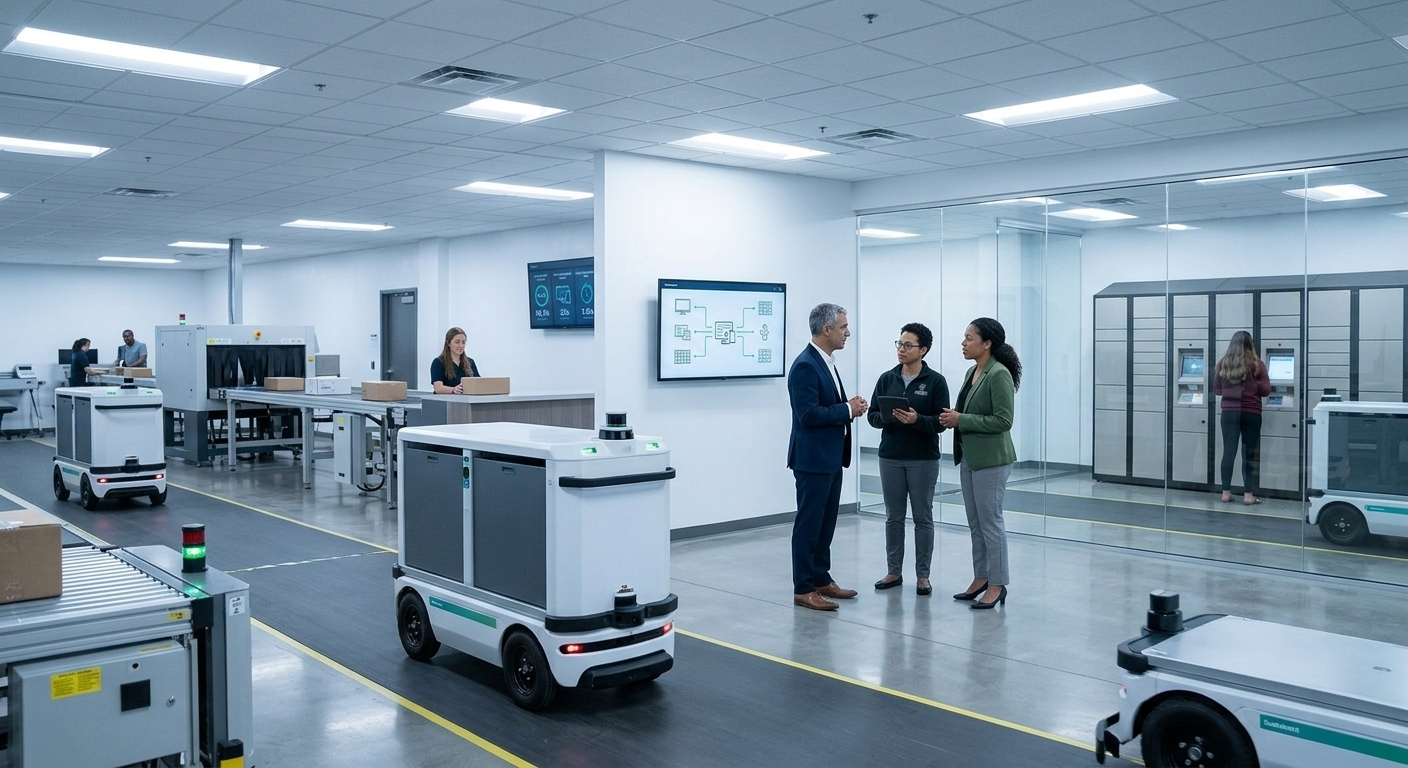
Machine learning software gives facility management teams comprehensive control over inbound logistics. Updating service level agreements ensures vendor accountability reflects current technological standards. Operations leaders can replace legacy manual metrics with clear accuracy and system uptime baselines.
To see how modern cloud automation elevates internal tracking, instant recipient notifications, and chain of custody across facilities, explore how Parcel Tracker simplifies internal parcel logging and delivery workflows.
Expert FAQ
What is an AI-powered digital mailroom?
An AI-powered digital mailroom uses machine learning to automatically scan, parse, and route inbound mail and packages.
How does machine learning improve mailroom data extraction accuracy?
Machine learning continuously adapts to varied label formats, damaged text, and handwritten names, achieving over 98% first-pass accuracy.
What performance metrics should replace manual processing speeds in vendor contracts?
Contracts should prioritize data extraction accuracy, cloud system uptime, intake-to-notification latency, and exception handling resolution rates.
Why is AI model drift a concern in vendor-managed mailrooms?
Carrier label designs change over time, which can degrade OCR recognition accuracy if vendors fail to regularly retrain models.
How do modern mailroom SLAs enforce SaaS vendor accountability?
Modern SLAs establish service level credits and rapid patch requirements when extraction accuracy or system uptime drops below contractual baselines.


.svg)