.svg)
Dwell Time Gamification: Turning Mailroom Logs into Incentives

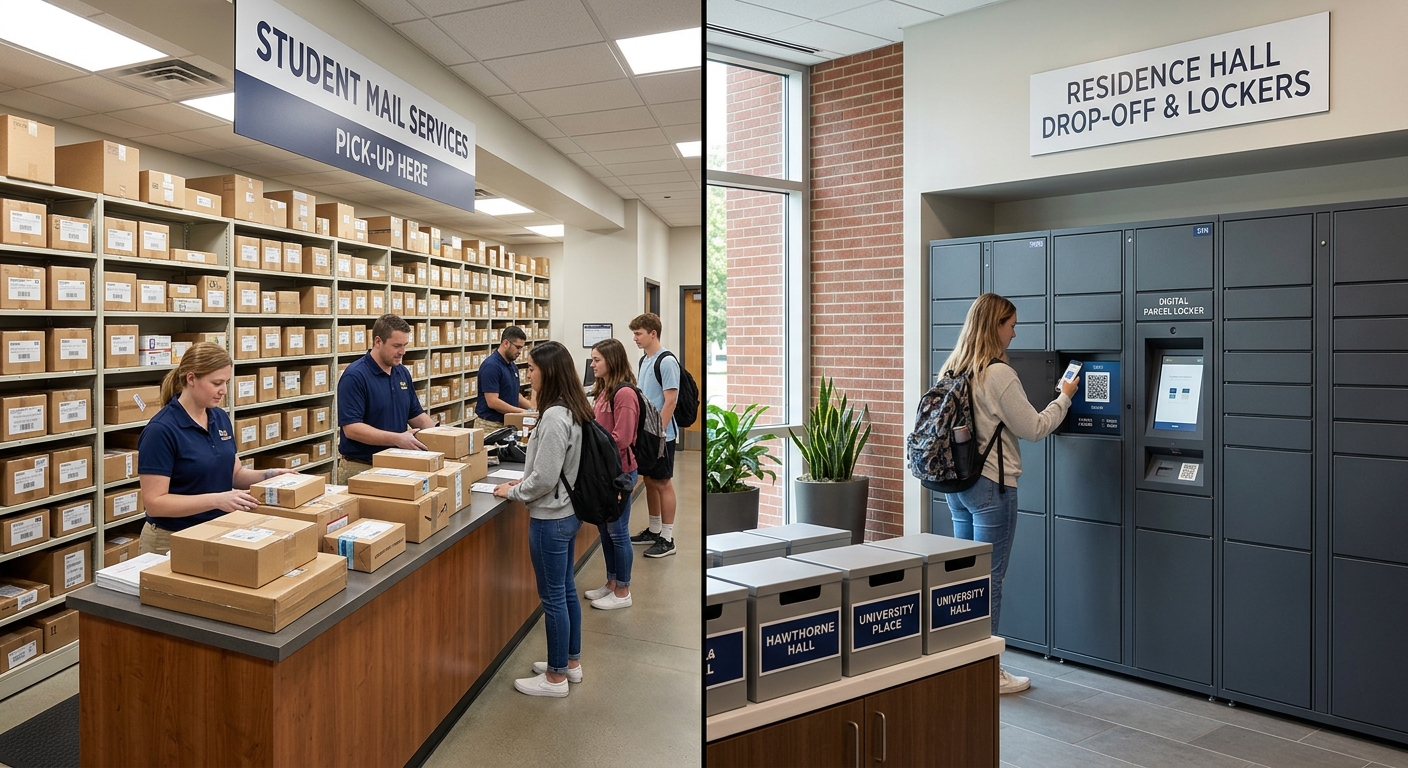
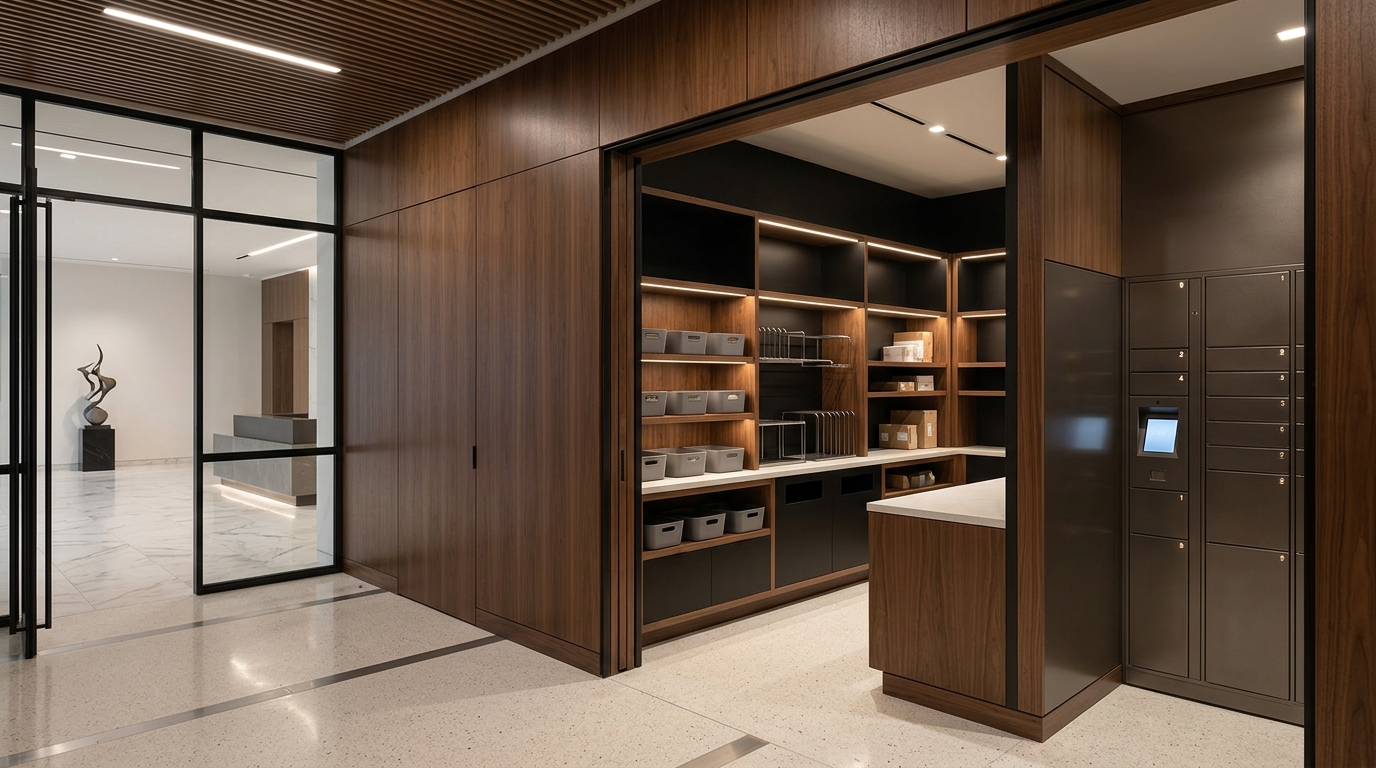
Mailroom management is the systematic process of handling parcel intake and distribution. A critical metric in this workflow is dwell time, which is the total duration a package remains uncollected after delivery. High dwell time causes operational clutter, prompting managers to use data-driven tracking to incentivize faster pickups and maintain logistical flow.
What is Mailroom Dwell Time Gamification?

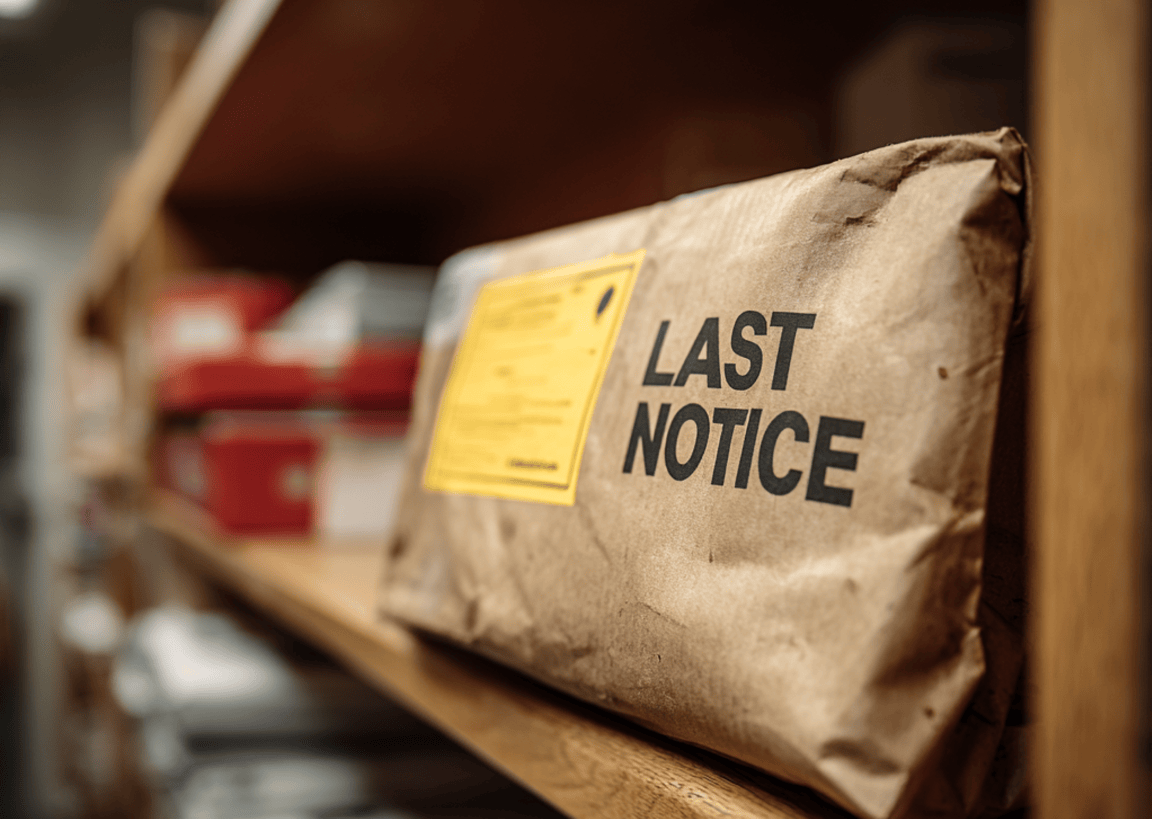
In many residential and commercial buildings, a quiet crisis is unfolding, which is the Mailroom Storage Syndrome. Residents often treat common mail areas like personal, long-term storage units, leaving packages to gather dust for days or weeks.
This behavior is more than a nuisance. It’s a bottleneck. To fix it, mailroom managers are turning to Dwell Time or the specific metric measuring the gap between delivery and pickup. By applying the principles of gamification, buildings can use this data to reward speed or penalize chronic overstayers through parcel management.
Why Do Uncollected Packages Impact Mailroom Efficiency?
When residents treat the mailroom as a free locker, the building pays the price. Physical space is finite. Uncollected parcels quickly lead to Hot Zone congestion, creating safety hazards and blocking access to new deliveries.
Furthermore, mailroom management efficiency suffers significantly when staff must manually reorganize old packages just to find a fresh delivery. Without consequences, a psychological barrier forms where residents simply forget their items, knowing there is no urgency to collect them.
How to Use Analytics-Driven Incentives for Parcel Pickups
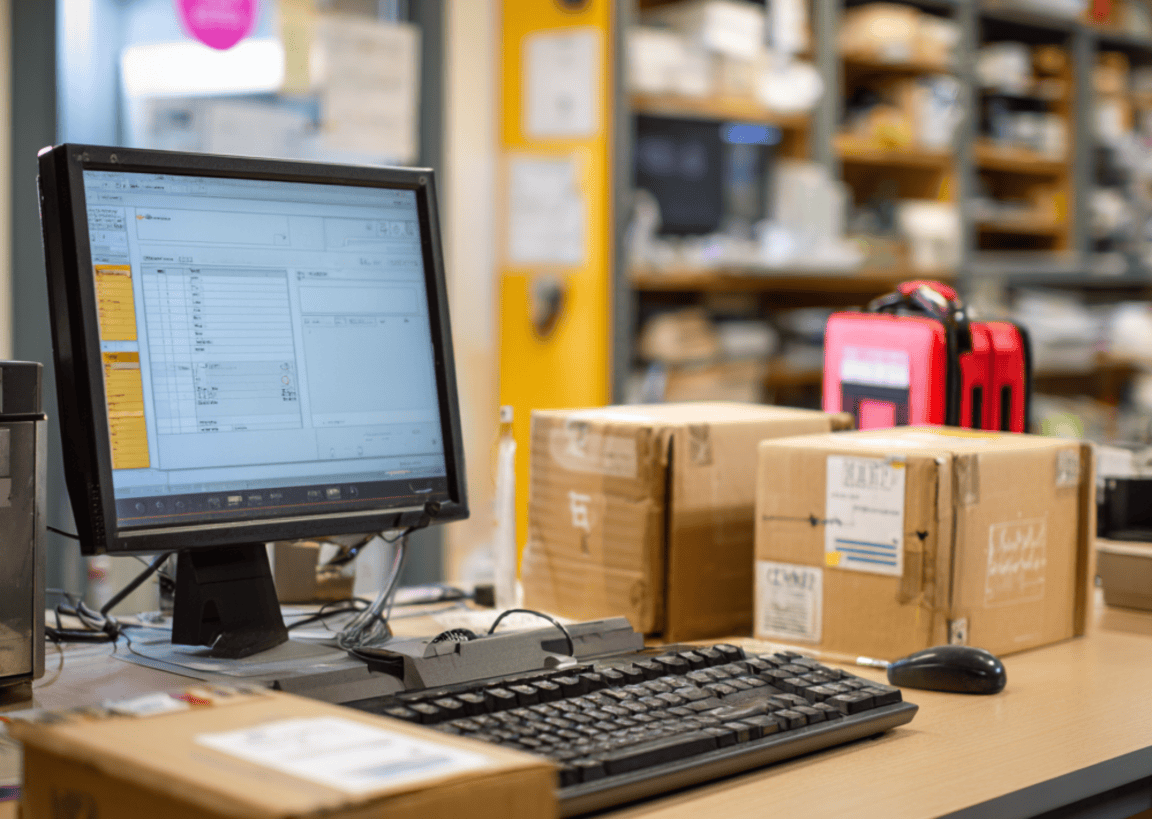
The most effective way to change behavior is through transparency and data. By pulling dwell time reports, managers can identify exactly which residents consistently ignore pickup notifications.
Most high-performing buildings now implement a 48-hour threshold as the standard for reasonable pickup. Modern automated inbound logistics can then automatically calculate storage fees once a package exceeds this grace period. This removes human bias and manual tracking from the equation.
If you are wondering about the legality of these nudges, many mailrooms can charge residents a fee for uncollected packages as part of their lease or service agreement to drive behavioral change. The results are clear. Modern systems make parcel collection 6x faster and can reduce total processing time by 80%.
Best Practices for Implementing a Mailroom Gamification Strategy
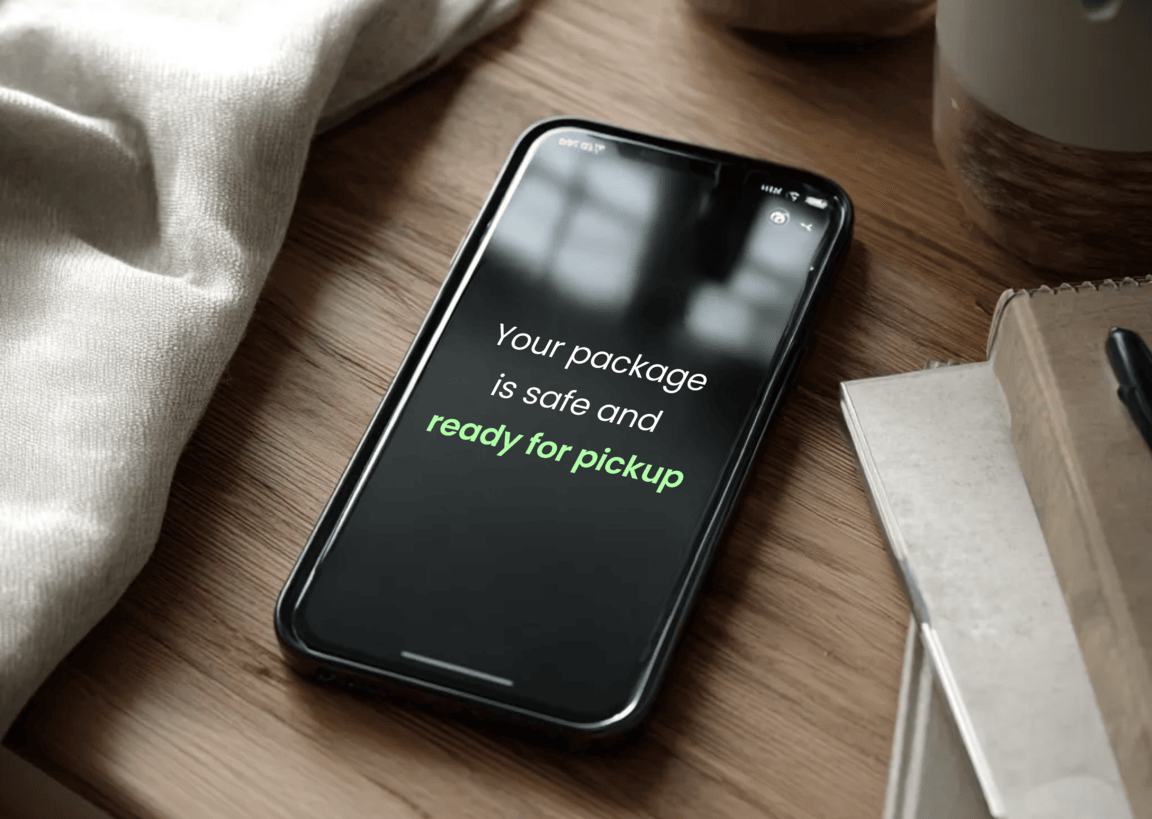
Gamification is about fees and engagement. Implementation follows three steps:
- Tiered Notifications: Automated SMS and email nudges that include a countdown to the storage fee.
- Clear Floor Bonus: Rewarding residents who pick up within 4 hours with "Resident of the Month" status or local vendor coupons.
- Performance Transparency: Showing residents their own average pickup speed stats compared to the building average.
This scalable approach works. Leading providers like Vita Group have successfully reclaimed over 24,000 staff hours annually by automating these collection workflows.
Improving Resident Experience with Mailroom Automation
Turning mailroom data into actionable incentives transforms a cluttered liability into a streamlined service. When residents are held accountable through automated tracking, the living experience improves for everyone.

Stop letting uncollected parcels dictate your floor plan. Streamline your operations and start tracking dwell time metrics today with Parcel Tracker.
Expert FAQ: Mailroom Management and Dwell Time
What is parcel dwell time?
Dwell time is the duration a package stays in a mailroom before the recipient completes the pickup process.
Why is mailroom gamification important?
Gamification uses behavioral incentives and data to reduce package congestion, improving mailroom flow and resident accountability.
How is a storage fee calculated?
Mailroom software automatically calculates fees based on dwell time data once a package exceeds the designated grace period.
What is a chronic overstayer?
A chronic overstayer is a resident who consistently fails to collect parcels within the standard 48-hour pickup window.
How do analytics-driven incentives work?
These incentives use real-time reporting to reward fast collection or apply automated fees for delayed parcel pickups.


.svg)