.svg)
Protecting Prototypes Before Launch: Chain-of-Custody Workflows for High-Security Mailrooms


High-fashion houses, luxury watchmakers, and fine jewelry brands spend years developing unreleased collections. Millions of dollars go into physical prototypes long before a public runway show or launch event. When these items move from specialized manufacturers to corporate headquarters, their final leg of travel happens entirely indoors.
Securing this internal pathway requires a disciplined approach. Modern mailrooms rely on structured internal logistics to protect pre-release physical intellectual property (such as apparel samples, bespoke leather goods, and high-jewelry renders) from arrival to final design studio hand-off, using advanced delivery-tracking software.
Threats on Pre-Release Intellectual Property
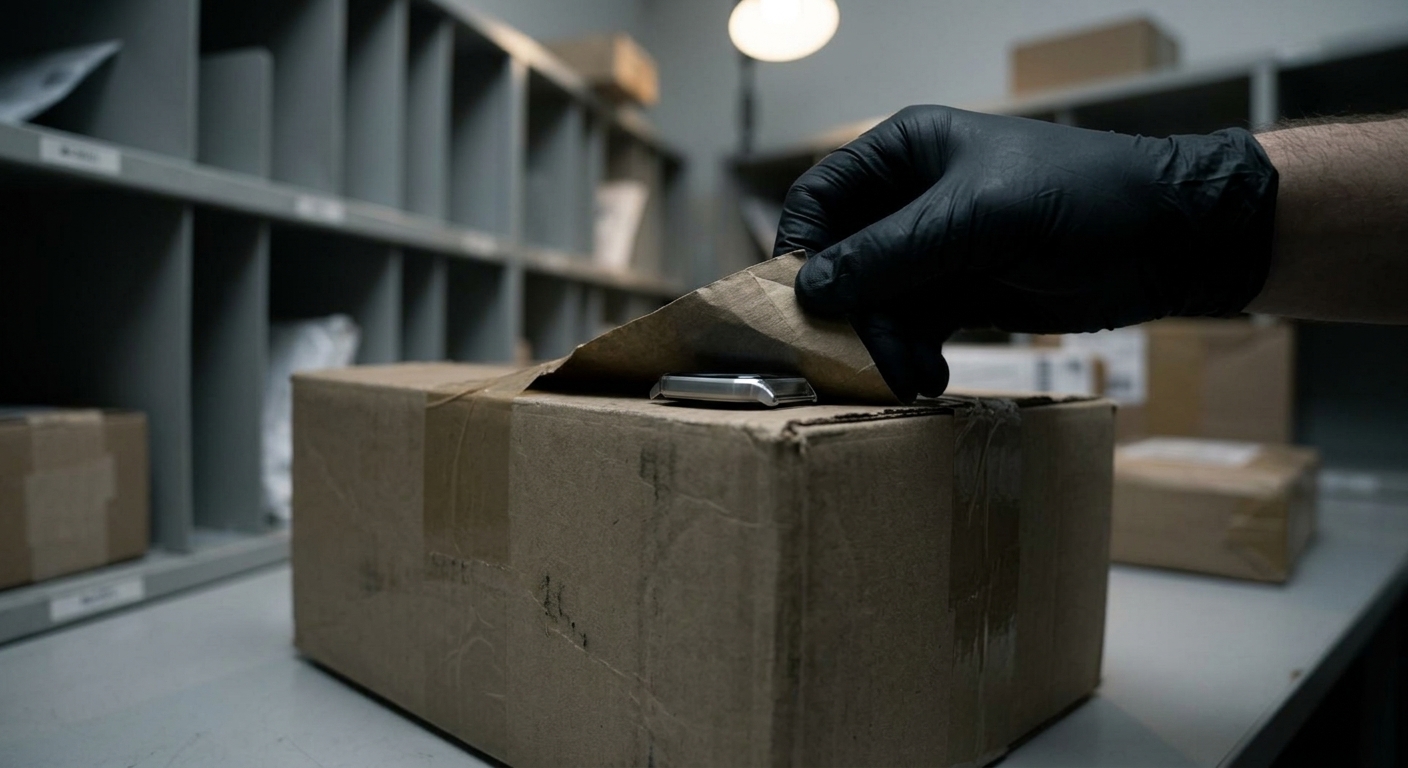
Physical prototypes carry immense value. A single stolen handbag sample or unreleased watch casing lets counterfeiters replicate design details months before official distribution. Early exposure of a seasonal collection can compromise global marketing campaigns, dilute brand prestige, and impact revenue.
The physical hand-off within corporate mailrooms represents a significant vulnerability point. While global couriers provide robust tracking up to the main facility entrance, internal movements often rely on informal processes. Static sorting areas and paper sign-in sheets expose items to unauthorized visual access, misplacement, or theft by internal staff and third-party contractors.
High-security brand headquarters eliminate these vulnerabilities by treating the central intake space as an extension of their intellectual property strategy. Implementing structured mailroom management practices establishes immediate accountability as soon as a courier hands over a package.
Phase 1: Mailroom Intake & Secure Verification
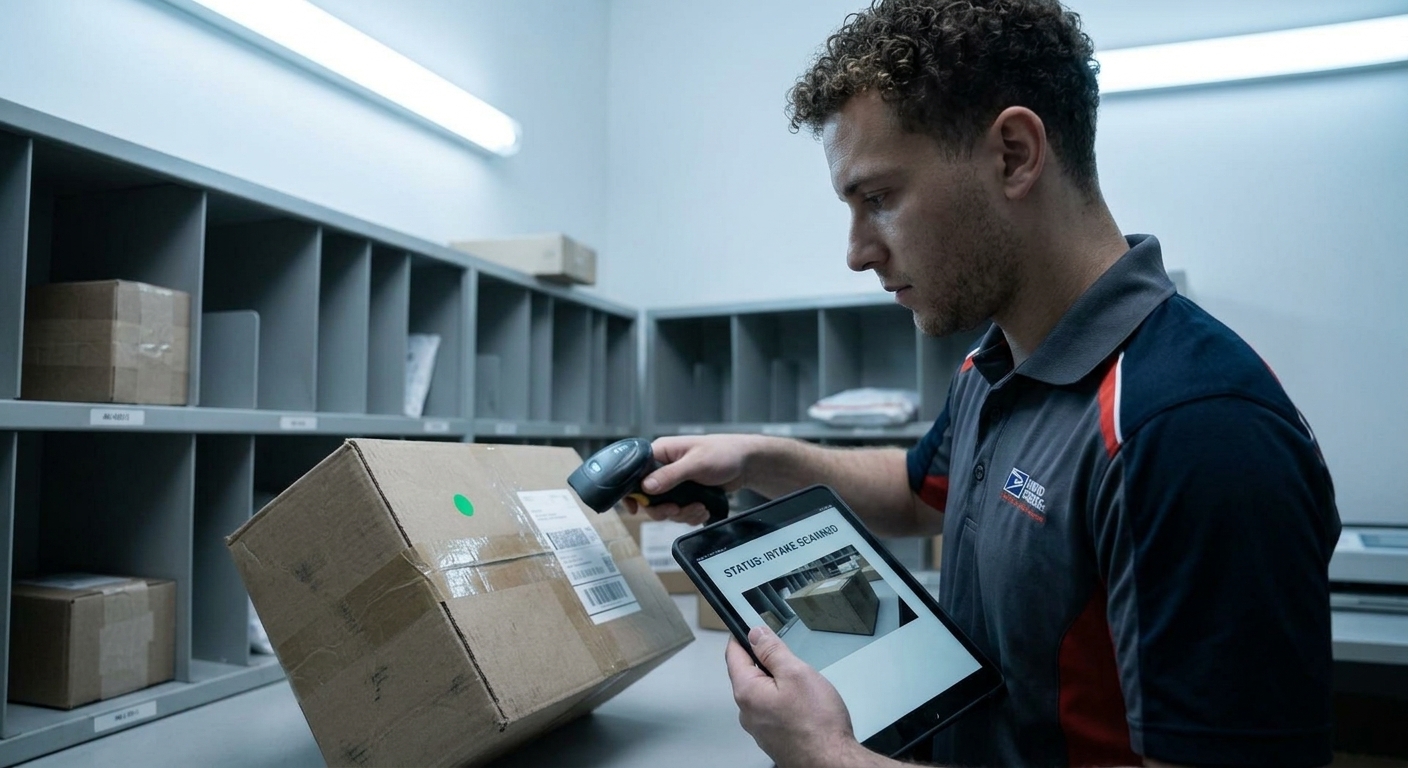
Establishing a clear chain of custody requires structured protocols the moment a parcel enters the building. Mailroom teams follow a strict three-step intake procedure to document incoming goods without revealing sensitive contents to unauthorized onlookers.
- Immediate Arrival Scanning - Staff scan incoming parcels into dedicated package-tracking software immediately after courier drop-off. The system records an exact timestamp, capturing carrier details and external tracking numbers.
- Blind Parcel Logging - Mailroom agents apply internal tracking labels that obscure vendor names, supplier origins, or material descriptions. This step prevents internal personnel from identifying high-value prototype shipments by supplier tags.
- Visual Condition Capture - Staff capture high-resolution photos of external packaging to record initial condition. The system logs existing tears, re-taped seams, or crushed corners before moving the parcel into internal transit.
Phase 2: Restricted Internal Transport & Secure Holding
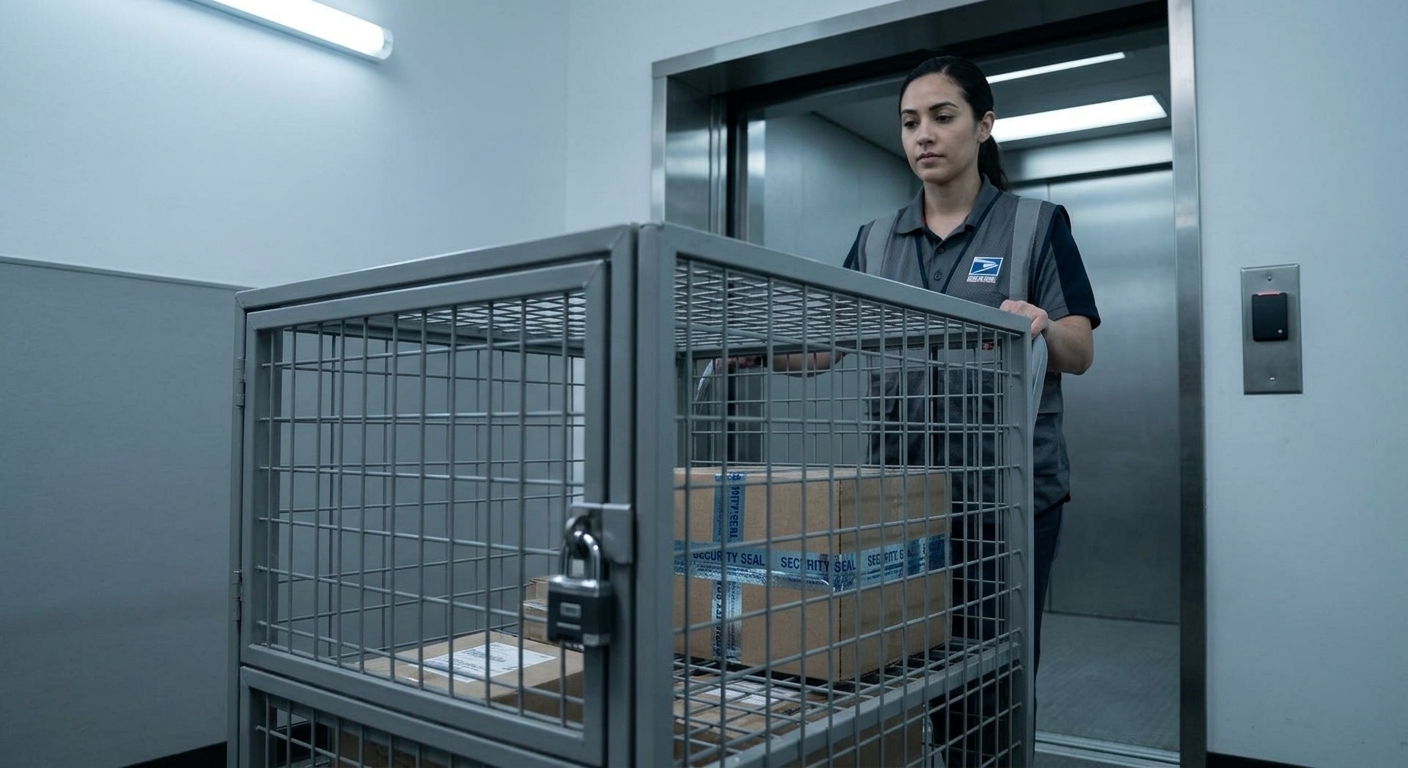
Following initial logging, parcels move through high-traffic office areas, freight elevators, and floor-level distribution hubs. Maintaining security during movement relies on specialized physical controls and integrated digital tracking.
- Role-Based Access Holding Rooms: High-security facilities store sensitive items inside dedicated holding cages equipped with biometric scanners or smartcard reader locks. Access stays limited to authorized logistics handlers.
- Serialized Tamper-Evident Seals: Mailroom staff place serialized security tape across box openings prior to transit. Handlers record these seal numbers inside their internal parcel management platform.
- Zone-Based Scans: Couriers scan parcels at pre-designated checkpoints throughout the facility. This creates clear visibility as packages move between floors, elevators, and interim staging vaults.
Effective internal transport relies on maintaining complete visibility across every intermediate step. A dedicated enterprise mailroom management system maintains an unbroken record of handler identities and transfer times.
Phase 3: Final Delivery & Verified Identity Sign-Offs
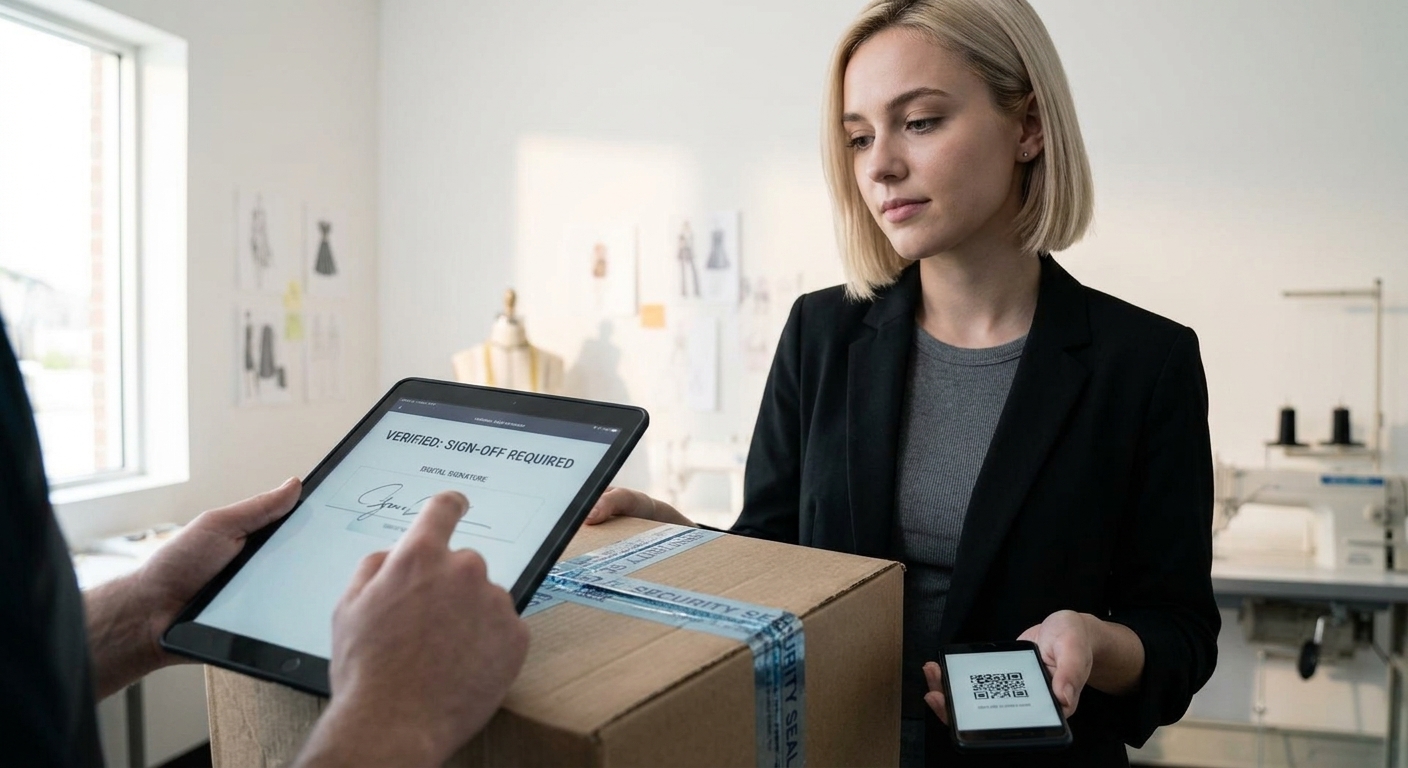
The final hand-off in the design atelier or product manager office requires absolute verification. Leaving high-value prototypes at unattended desks creates severe security risks.
- Designated Recipient Protocols -: Delivery remains limited strictly to named design leads or executive assistants, eliminating unauthorized departmental collection.
- Two-Factor Delivery Sign-Off - Single-use numeric PINs or dynamic QR codes sent to the recipient's phone confirm identity and guarantee physical hand-off to the intended individual.
- Automated Audit Logs - Digital signatures, photographic proof of delivery, and timestamps stored in an immutable ledger provide verifiable chain-of-custody documentation for legal and security compliance.
Building an Unbroken Chain-of-Custody with Mailroom Management Technology
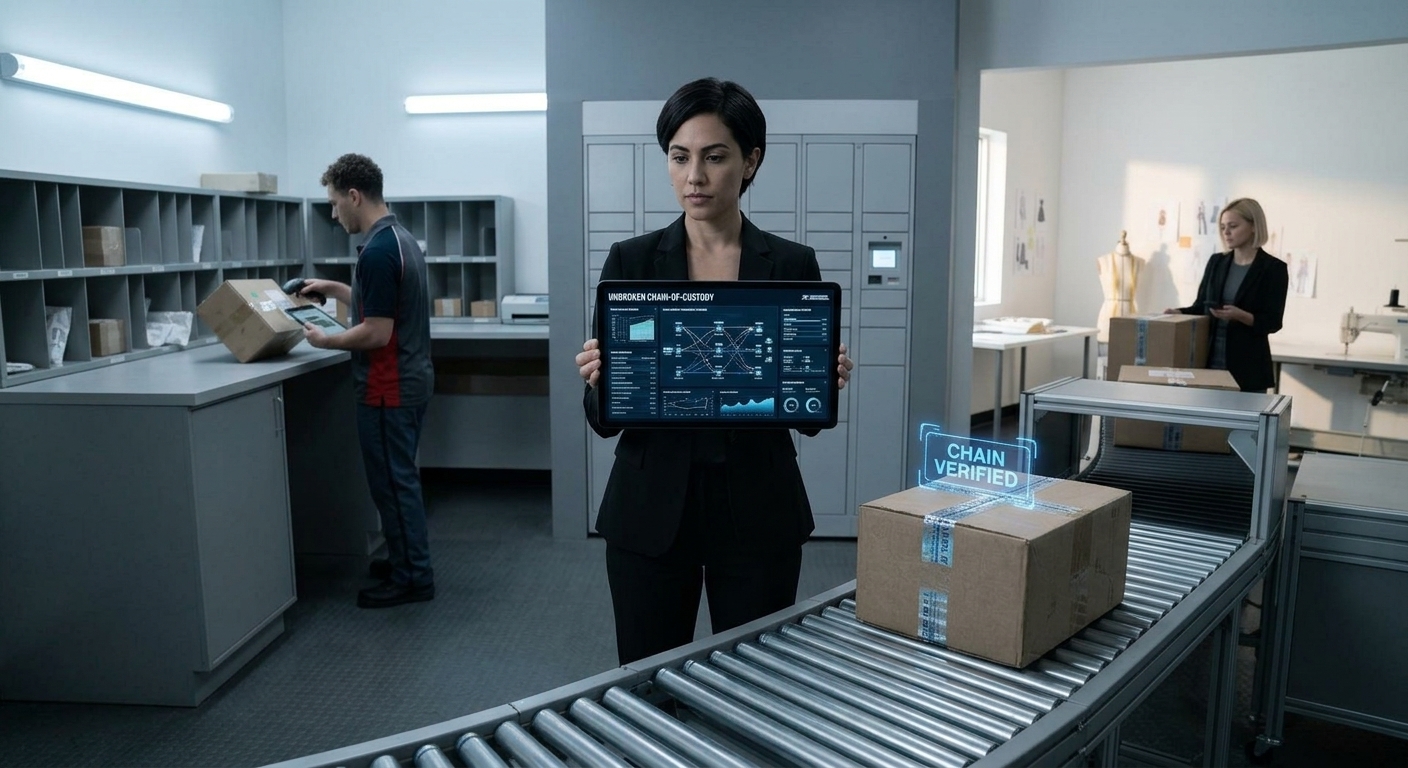
Traditional carrier tracking ends at the mailroom threshold. Internal logistics require specialized software designed for enterprise indoor delivery.
Modern security workflows rely on real-time alerts. When high-priority prototype parcels remain in holding vaults past set thresholds, automated system notifications alert security officers. This proactive visibility maintains prompt distribution and prevents forgotten inventory.
Deploying purpose-built internal tracking tools like Parcel Tracker maintains complete end-to-end visibility, verifiable accountability, and robust security from the primary mailroom to the design studio.
Expert FAQ on High-Security Mailroom Workflows
How do luxury headquarters protect high-value prototypes from internal theft?
Luxury brands enforce strict chain-of-custody protocols using time-stamped scanning, tamper-evident seals, secure holding cages, and digital sign-offs.
What is the most vulnerable phase in internal prototype delivery?
The internal transit from mailroom to design studio is most vulnerable due to unmonitored drop-offs and manual logging gaps.
Why are paper-based mailroom tracking logs insufficient for high-security environments?
Paper logs lack real-time visibility, are easily altered or misplaced, and fail to provide verifiable digital audit trails for sensitive items.
How does digital chain-of-custody software prevent early product leaks?
Digital software logs every parcel handler, time-stamps movements, sends instant alerts, and requires recipient identity verification before release.



.svg)