.svg)
Speed Optimization Strategies to Scan Incoming Parcels During High Volume Peak Times

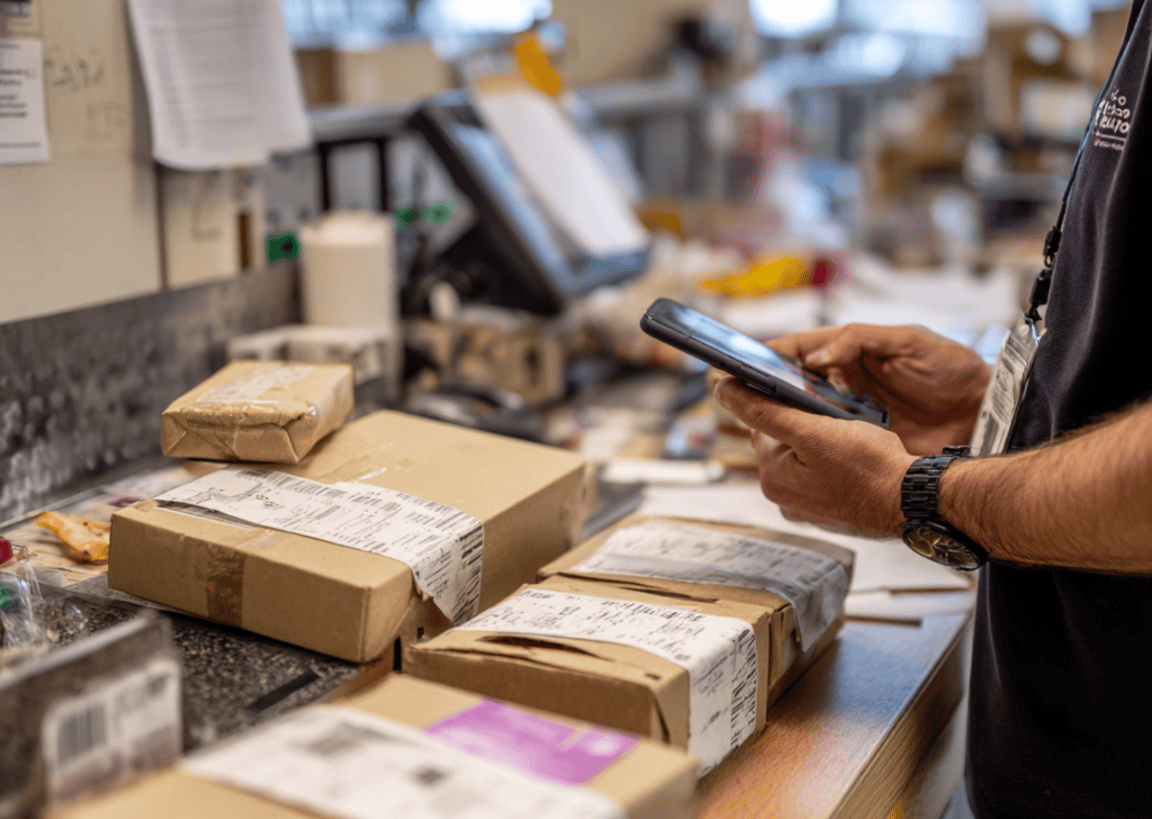
At the core of scanning incoming parcels is digitally logging delivery data into a mailroom management system using OCR or barcode technology. This is a crucial step in modern mailroom logistics that ensures a clear chain of custody, triggers automated recipient notifications, and eliminates manual data-entry errors to maintain throughput during high-volume periods.
This digital foundation is critical because peak mailroom demand is no longer a seasonal anomaly. Between university move-in weeks, corporate mid-week surges, and global e-commerce events, logistics managers face a constant influx of inventory. The scale of this challenge is significant: global parcel volume is projected to reach $200 billion by 2030.

When volume spikes, manual logging becomes a primary bottleneck. Traditional spreadsheets or paper logs result in increased dwell time, which is the period a parcel sits idle. This delay creates physical safety hazards on the mailroom floor and prevents time-sensitive deliveries from reaching their final destination. To maintain operational flow, mailrooms must adopt strategies that prioritize speed without sacrificing accuracy.
6 Core Speed Optimization Strategies
To maximize throughput during peak periods, mailrooms must adopt a systematic approach that reduces manual handling and technical friction. These six strategies focus on leveraging automation and data-driven workflows to accelerate parcel processing from the mailroom to the recipient’s hands.
- Shift to Mobile OCR Scanning
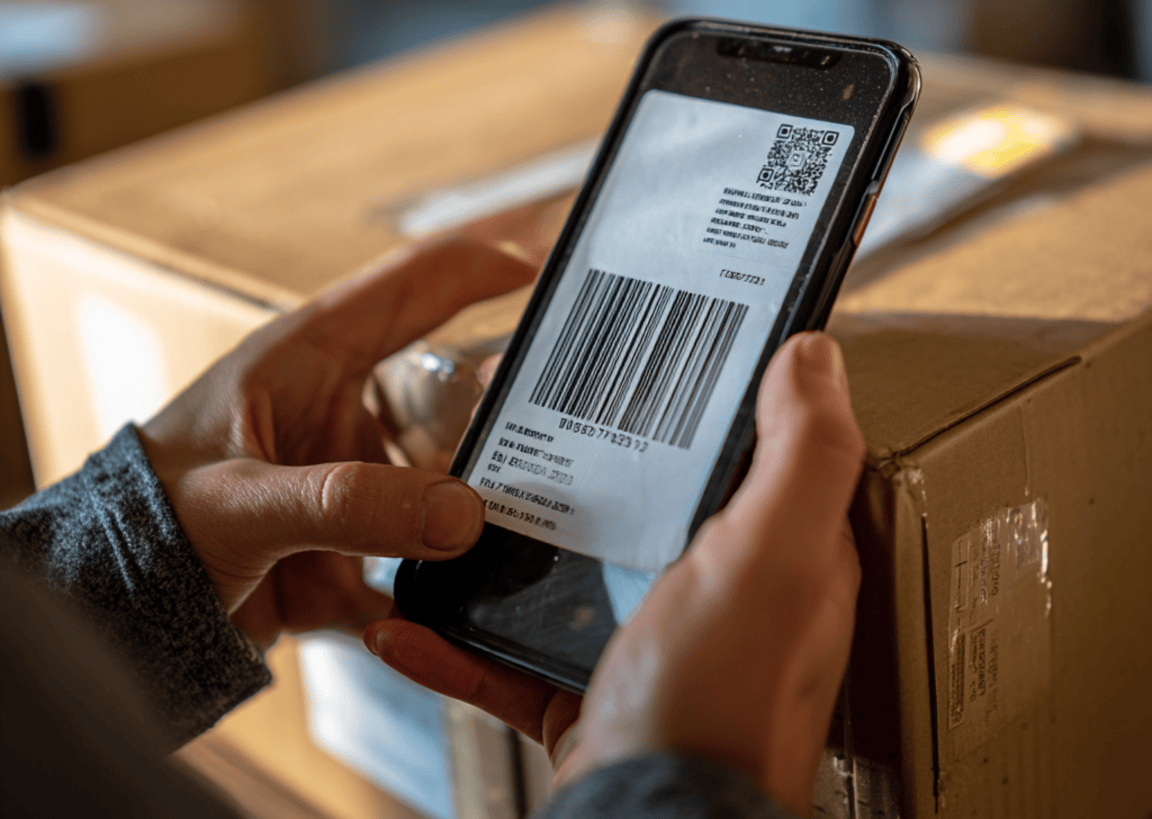
Traditional handheld scanners often suffer from sync lag and high hardware costs, which slow entry. By using smartphone-based Optical Character Recognition (OCR), staff can capture recipient names and tracking numbers instantly, reducing processing time. For maximum efficiency, teams should use batch scanning to capture multiple labels in a single camera frame directly on the courier's pallet.
- Implement Digital Zone Staging
Searching for a package during the collection phase often takes longer than the initial check-in, but assigning every parcel to a digital zone (such as Oversized, Refrigerated, or High-Priority) at the time of scanning creates an immediate floor map. This type of organized slotting has been shown to increase throughput. Managers can further optimize by grouping parcels for frequent receivers in a dedicated fast-track zone to minimize staff travel time.
- Real-Time Automated Notifications

Inbound speed is strictly limited by outbound flow, as full shelves force staff to slow down their scanning to manage space. Triggering automated email or SMS alerts the millisecond a scan is completed can reduce average dwell time. Automated nudge reminders sent every 24 hours ensure a high shelf turnover, keeping the floor clear for the next delivery wave.
- Leverage Predictive Staffing Analytics
Most mailrooms operate reactively, which leads to backlogs that can take days to clear during a surge. By using historical scan data to identify peak hour patterns, managers can improve productivity by 25-30% through aligning labor with actual volume peaks. Reviewing data from previous Black Friday or semester-start events allows for proactive rostering two weeks in advance.
- Integrate Self-Service Smart Lockers
The physical hand-off to a recipient is a significant time drain that can be bypassed by diverting standard-sized parcels to smart lockers. Staff simply scan the item into the locker, and the recipient collects it via a secure QR code, which has been shown to reduce distribution labor by up to 50%. This enables 24/7 pickup, allowing the mailroom to clear inventory overnight without requiring staff presence.
- Zero-Touch Flow Optimization

Every time a staff member touches a box without finalizing its movement, time is lost to technical friction. Adopting a First-In, First-Out (FIFO) batching system supported by digital dashboards can drop manual error rates by over 50%. To achieve this, staff should scan and label parcels directly at the point of unloading to reduce the total touches per box from five down to two.
Future Outlook: AI and Predictive Mailroom Management
The next frontier in mailroom management is computer vision. Future systems will use AI to read damaged or partially obscured labels that currently require manual overrides, further reducing the seconds-per-parcel metric. As these technologies mature, the goal is a zero-wait mailroom in which software-driven ecosystems predict and process volume before the first truck arrives.
Efficiency in the Mailroom as a Standard

High-volume periods should not lead to operational breakdown. By focusing on high-speed scanning and automated workflows, mailroom managers can maintain a consistent flow regardless of the season. To see how these strategies can be integrated into your workflow, consider adopting a dedicated solution such as Parcel Tracker to automate mailroom management and reclaim your time.


.svg)