
.svg)
What is a Commercial invoice in Freight Forwarding?

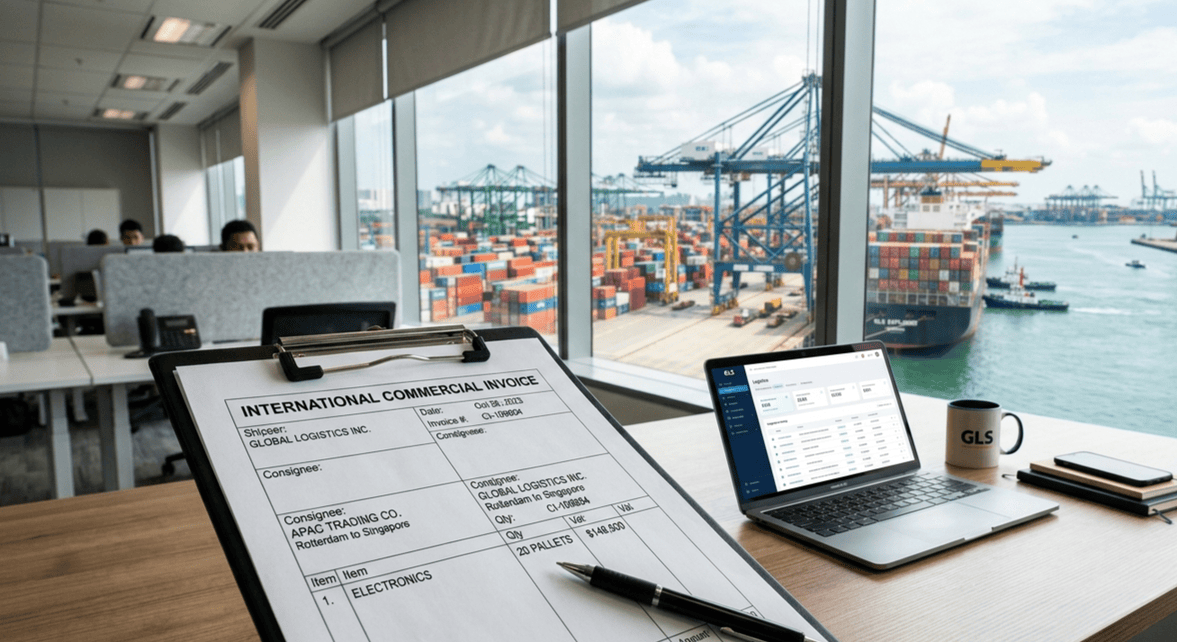
A commercial invoice is a legal document issued by an exporter to an importer during an international transaction. It serves as the primary proof of sale and outlines the specific goods sold, their value, and the payment terms. Customs authorities rely on this document to determine the exact duties and taxes owed at the border.
Why Is a Commercial Invoice Critical for Freight Forwarding?
International shipping involves strict regulatory hurdles that require standardized verification. Understanding how freight forwarding works highlights the necessity of accurate paperwork for navigating border crossings efficiently and safeguarding cargo. The commercial invoice serves several indispensable operational functions throughout the transit lifecycle.
- Customs Clearance: Border agents use this document to verify the contents of a shipment and calculate import tariffs.
- Legal Compliance: Accurate documentation prevents costly shipping delays, fines, and cargo seizures at international entry points.
- Proof of Value: The document provides an official financial record for cargo insurance claims in case of damage or loss during transit.
What Key Elements Must a Commercial Invoice Include?
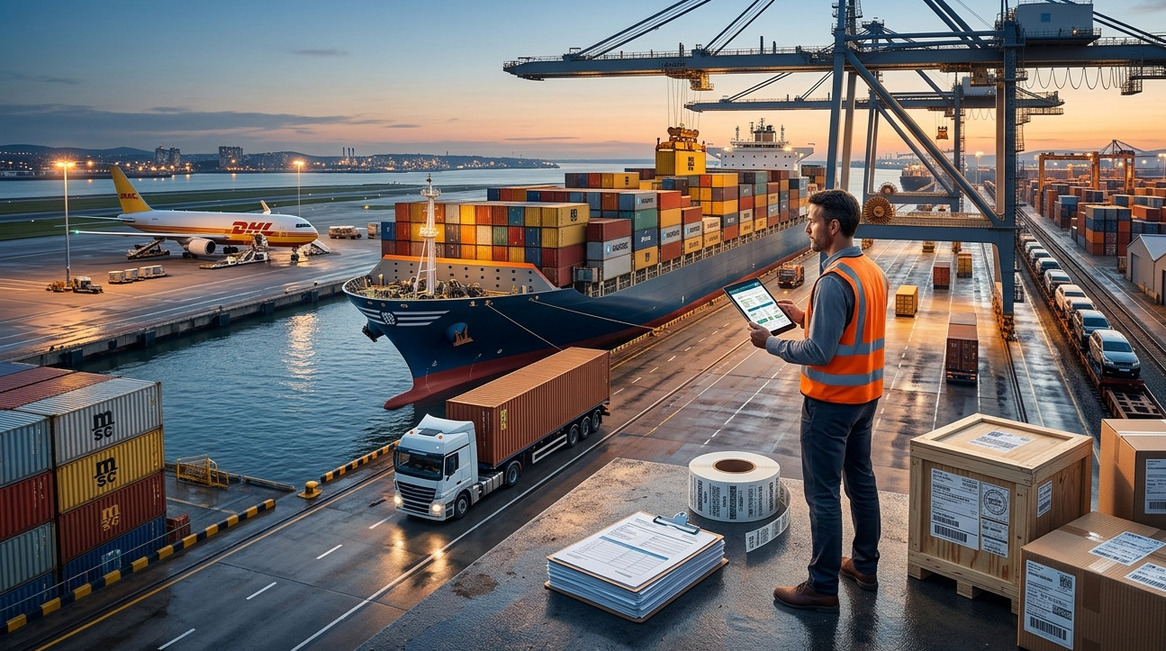
Missing information can stall a shipment indefinitely at global borders. To ensure seamless transit, exporters must populate the document with precise logistical and financial data points. Every standard commercial invoice requires a specific set of core details to satisfy international trade laws.
- Transaction Participants: Complete corporate names, physical addresses, and contact details for both the shipper and the consignee.
- Product Breakdown: Detailed descriptions of the items, including Harmonized System (HS) codes, quantities, and net weight.
- Financial Data: Total commercial value, unit price, and the specified currency used for the sale.
- Shipping Details: The country of origin, the specific bill of lading number, and the designated international commercial terms (Incoterms).The country of origin, the bill of lading number, any accompanying shipping advice slip or delivery documentation, and the designated International Commercial Terms (Incoterms).
Securing the Final Link in International Delivery
Accurate paperwork keeps global supply chains moving without interruption. Once your international shipments clear customs and arrive at your facility, handling the internal logistics becomes the next priority.
Implementing successful parcel management workflows ensures that arrivals are logged accurately. Combining these practices with modern mailroom management strategies removes internal bottlenecks. Using a dedicated system like Parcel Tracker ensures that internal parcel distribution remains seamless, efficient, and fully traceable.

Expert FAQ
What Is the main purpose of a commercial invoice?
A commercial invoice provides customs authorities with the official transaction value, item descriptions, and tax information for international cargo.
Why do customs officials require an HS code on the invoice?
Customs officials require HS codes to accurately classify commodities, apply correct tariff rates, and enforce import regulations on shipments.
How does an incorrect commercial invoice affect shipping times?
An incorrect commercial invoice causes border delays, customs storage fees, cargo inspections, and administrative penalties for the freight forwarder.
Why must the country of origin be listed on the document?
The country of origin establishes trade treaty eligibility, determines preferential tariff rates, and ensures compliance with trade embargoes.


.svg)

