.svg)
What Is a Parcel Management System?

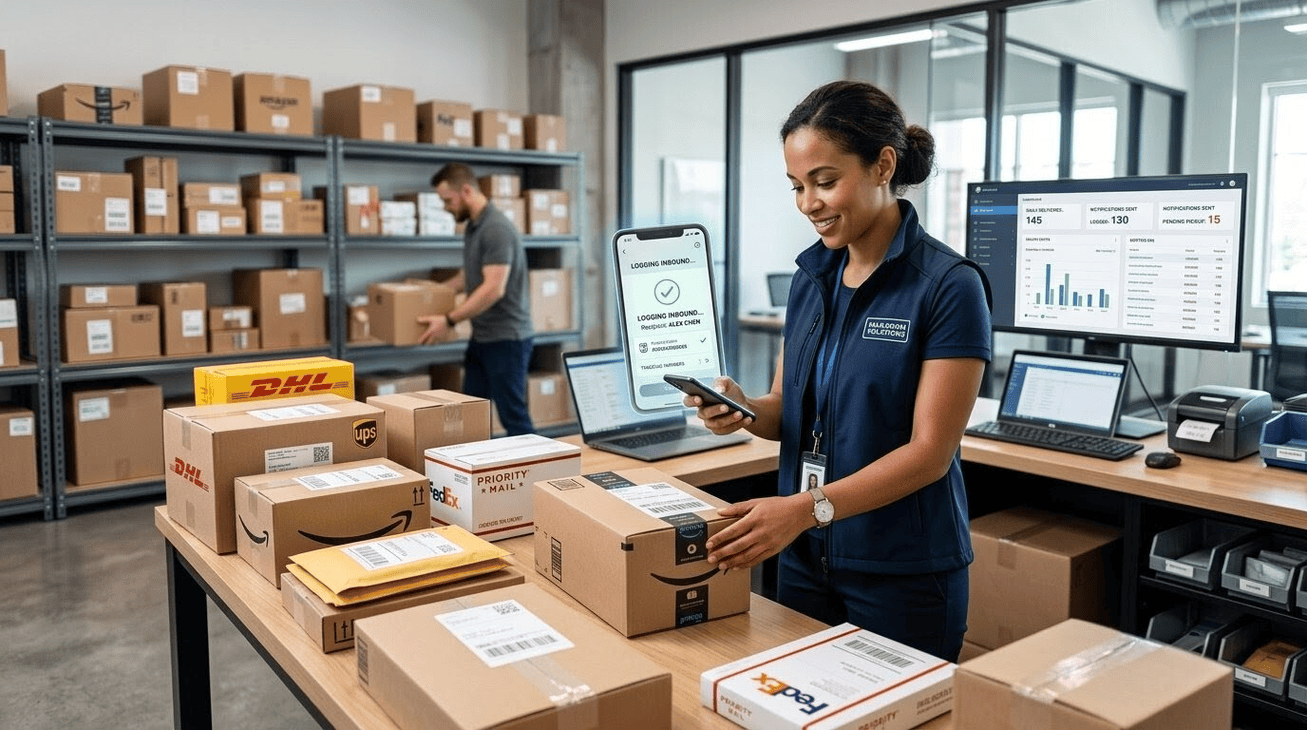
Traditional office and residential reception areas face unprecedented delivery strain as e-commerce volumes multiply. Corporate and residential delivery infrastructure is buckling under the weight of an expanding digital economy, with networks now handling an estimated 773 parcels every single second. When hundreds of incoming shipments arrive daily, rely on specialized digital frameworks to handle the influx.
A parcel management system is a digital-first software solution designed to log, track, and organize incoming deliveries from commercial carriers. Transitioning from manual paper logbooks to an automated tracking platform eliminates human error, secures the internal chain of custody, and protects valuable organizational time. Transitioning to parcel management software brings total visibility to the final stretch of the delivery journey.
Core Benefits of a Digital Parcel System

Adopting an automated inbound shipping solution transforms how organizations handle daily incoming freight. Rather than wasting hours on administrative tasks, team members experience immediate improvements in throughput and workplace organization.
- Time Savings through Automation: Front-desk staff log inbound packages in seconds by scanning shipping labels rather than spending hours writing out manual paper ledgers.
- Real-Time Notification Systems: Automated alerts via email or SMS let recipients know instantly when an item arrives, which keeps everyone informed without manual outreach.
- Storage and Space Optimization: Prompt digital notifications lead to swift collection times, which clears out tight storage zones and keeps communal areas clean.
- Loss and Theft Mitigation: Digital logging ensures high-value shipments are documented at every touchpoint, minimizing the risk of misplaced items.
- Contactless Collection Workflows: Unique pickup QR codes allow recipients to retrieve their items safely without touching shared sign-in sheets.
- Multi-Site Visibility: High-level administrators oversee incoming package volume across multiple office branches or campus buildings from a single master dashboard.
Essential Features to Look For

Choosing the right platform requires an understanding of the technical capabilities that drive efficient package processing. High-performing software relies on a combination of mobile accessibility, intelligent scanning technology, and seamless database integration.
Optical Character Recognition (OCR)
Smartphone cameras or dedicated scanners automatically pull text off shipping labels to accurately capture carrier information and recipient names. Utilizing optical character recognition (OCR) eliminates manual typing during check-in, converting physical labels into machine-readable text in seconds.
Proof of Delivery (PoD)
Digital signature capture and photo confirmation ensure a clear record of the exact moment a package changes hands. Securing a reliable proof of delivery (PoD) maintains absolute accountability from drop-off to pickup and prevents internal handoff disputes.
Centralized Directories and Automated Alerts
Cloud-based databases sync with internal corporate or residential lists to match incoming labels with the correct person instantly. If an item sits uncollected, setting up automated reminders prompts recipients to retrieve their belongings, freeing up facility shelf space.
Hardware Agnostic Design
Software that runs smoothly on standard smartphones and tablets prevents the need to buy proprietary scanning devices, allowing teams to convert any existing workplace hardware into a professional-grade barcode reader.
How This System Streamlines Workplace Mailrooms

Implementing a centralized tracking solution elevates the standard of internal logistics. The software provides a structured framework that guides a package smoothly from the front door to the final recipient's hands.
Efficient incoming processing allows staff to receive and log bulk shipments from major national carriers and local couriers simultaneously. Once logged, digital manifests keep sensitive corporate items, legal documents, and high-value computer equipment accounted for as they travel between floors or departments. This structured movement ensures nothing gets misplaced during internal transit.
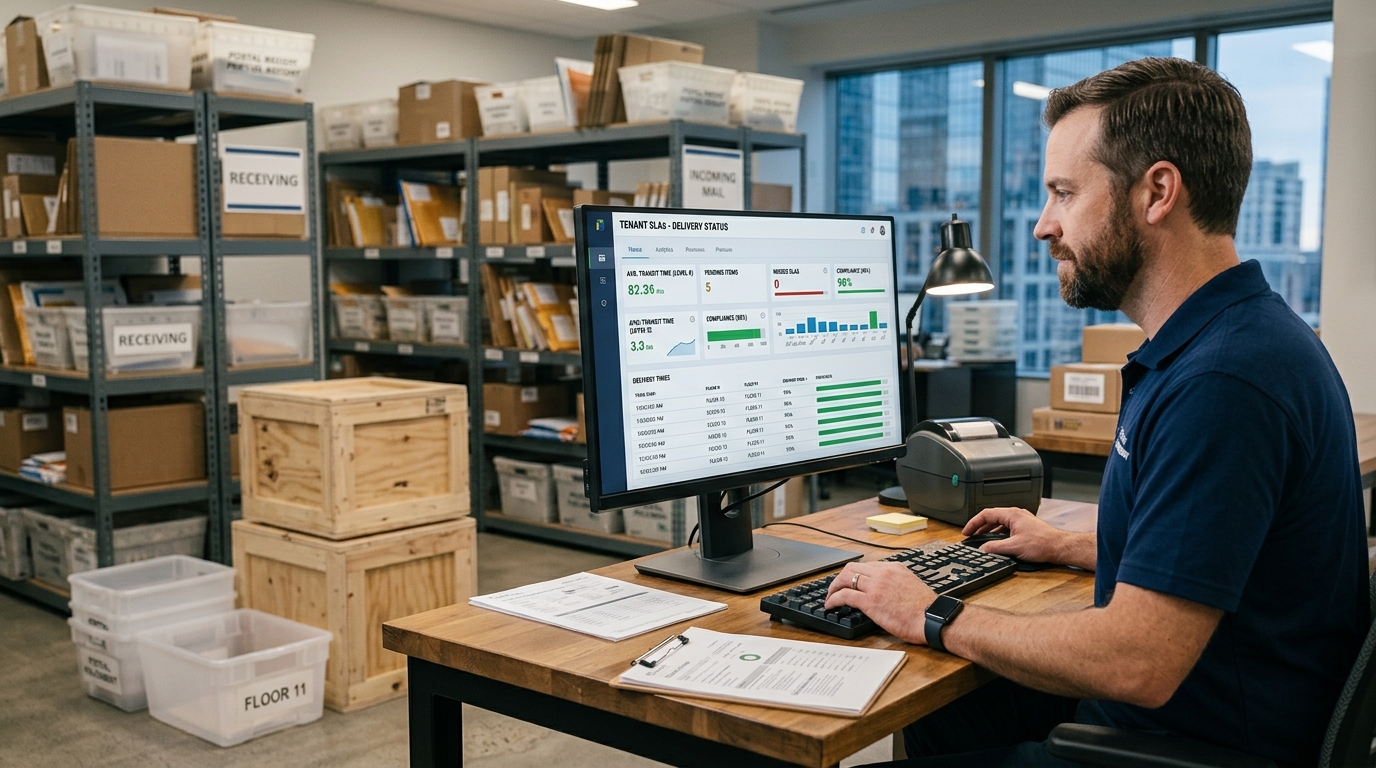
Accountability remains high because a permanent, cloud-stored digital audit trail makes it simple to search history and resolve disputes regarding missing or delayed items. Mailroom teams scale their sorting capabilities effortlessly during high-volume periods like holidays, end-of-quarter ordering, or promotional shopping events.
Modern facilities find that pairing a parcel system with the best mailroom practices creates a highly organized environment where information and physical goods flow at the same speed.
The Future of Workplace Mailroom Logistics

Modern workplace productivity relies heavily on transparent internal logistics, yet processing hundreds of weekly employee deliveries manually risks costly bottlenecks. Transitioning to a dedicated digital parcel system establishes an organized mailroom workspace, frees up hours of administrative time, and brings full visibility to last-yard logistics. Mastering parcel management is the simplest way to upgrade the office experience for both staff and visitors.
Corporate facilities aiming to simplify package intake and eliminate manual logging errors can upgrade their daily logistics by adopting a specialized tool like Parcel Tracker.
Expert FAQ
What is a parcel management system?
A parcel management system is software that automates tracking, scanning, and notifying recipients about incoming mailroom deliveries.
How does a parcel management software track packages?
A parcel management software utilizes optical character recognition to scan shipping labels, log carrier data, and send automated arrival notifications.
Why should businesses use automated package tracking?
Automated internal package tracking eliminates manual logging errors, reduces package pickup times, and secures the internal chain of custody completely.
What features are essential for corporate parcel software?
Essential features for an enterprise parcel software include label scanning, proof of delivery, automated recipient notifications, and cloud-based analytics dashboards.
How do digital delivery alerts improve mailroom operations?
Instant email or SMS alerts prompt faster package collection, which clears storage space and minimizes workplace clutter.


.svg)