.svg)
Resolving Lobby Clutter in Older Properties With Parcel Management

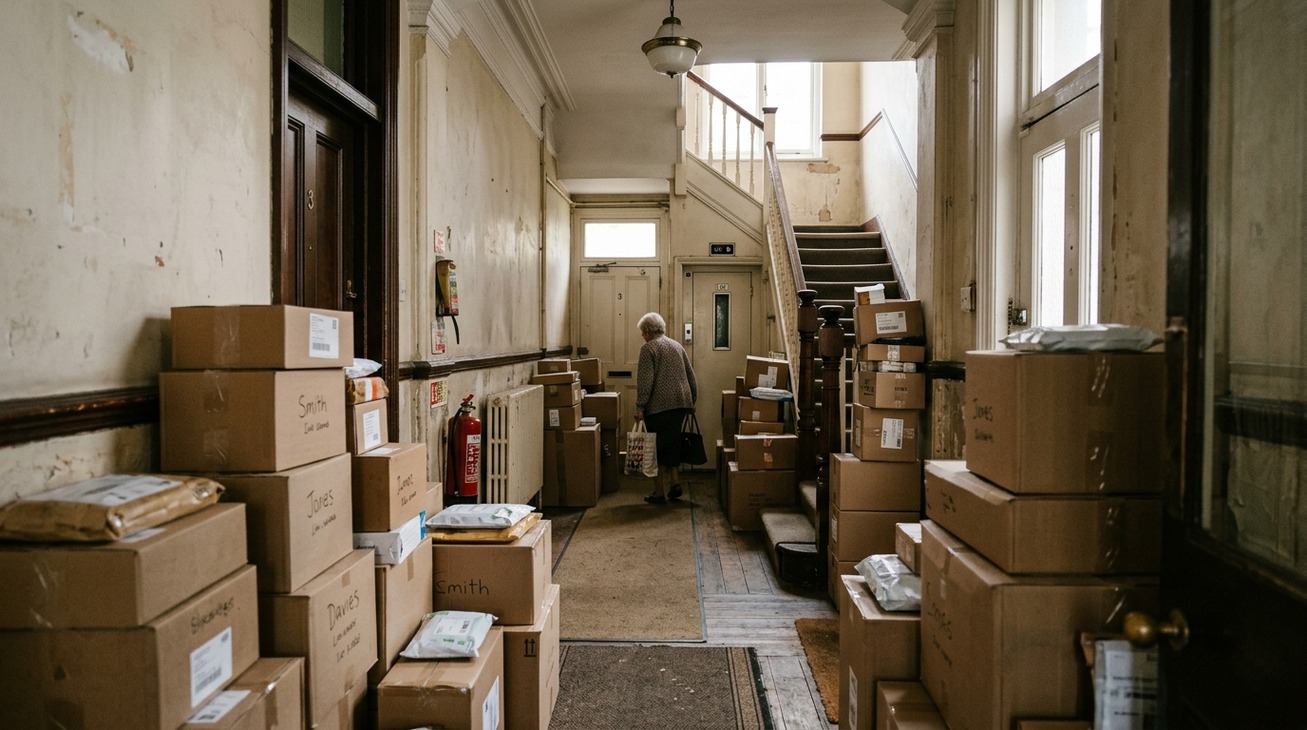
Residential and commercial structures built decades ago reflect a different period of communication. Building designs prioritized grand entranceways, decorative trim, and small banks of wall-mounted metal mailboxes suited for paper letters and thin magazines. Daily delivery volumes remained small, allowing front lobbies to function as quiet, open corridors.
Modern shopping habits changed this baseline permanently. Global shipping volumes now exceed 100 billion packages annually, with projections that the figure could double by 2030. Online retail acts as primary infrastructure for household goods, office supplies, and meals.
Older building floorplans lack designated sorting spaces or secure holding bays. Couriers dropping off dozens of boxes at once face narrow entryways and limited surface area. Couriers deposit these items in open vestibules, near elevator banks, and along stairwells, creating an ongoing physical challenge for property administrators. Modern property managers can adopt software-driven workflows to handle these high delivery volumes smoothly while preserving historic architecture.
The Legal and Safety Reality of Lobby Clutter
Uncontrolled package stacks in small entryways create legal and physical hazards. Local fire codes require clear, unblocked egress routes through all primary corridors and exit doors. Obstructions along these paths can lead to failed safety inspections and steep municipal fines for building owners.
Building codes also mandate clear access standards under the Americans with Disabilities Act (ADA). Entryways require a minimum 36-inch continuous clearance path to accommodate wheelchairs, walkers, and mobility equipment. Packages left on floor surfaces reduce these pathways, creating accessibility barriers for residents and visitors.
- Premises Liability: Boxes left on polished tile floors create trip hazards for residents, guests, and delivery personnel.
- Property Security: Unmonitored items left in open lobbies invite theft and create tracking disputes for building staff.
- Aesthetic Quality: Cluttered entryways obscure historic architectural details and lower the perceived value of vintage properties.
Modern mailroom management keeps these shared spaces organized and fully compliant with safety regulations.
Accelerating Parcel Turnover via Digital Systems
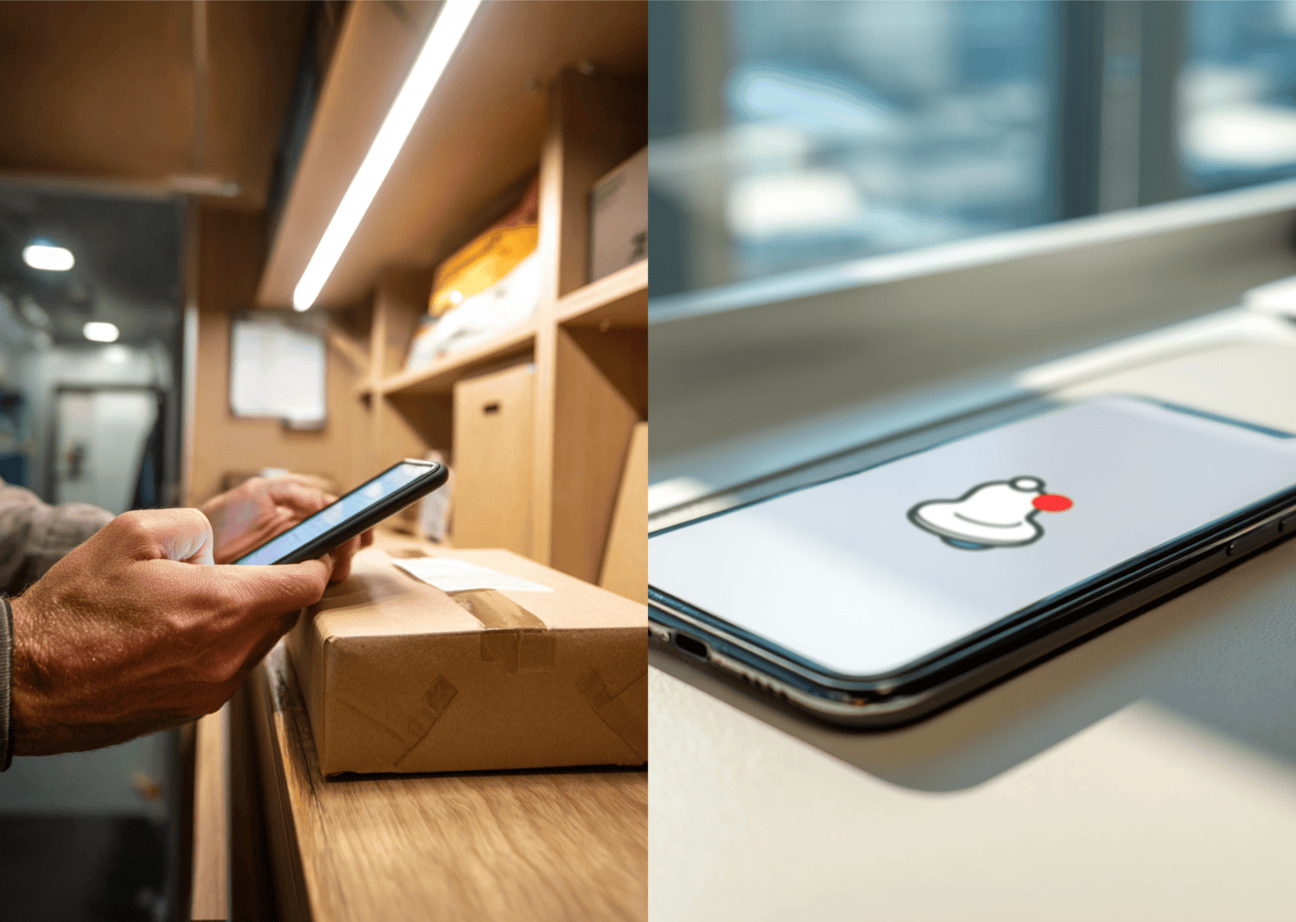
Expanding walls or retrofitting heavy steel locker systems in historic properties is often impossible due to space constraints and preservation rules. A lightweight digital parcel management approach offers a practical alternative by increasing the speed of package pickups.
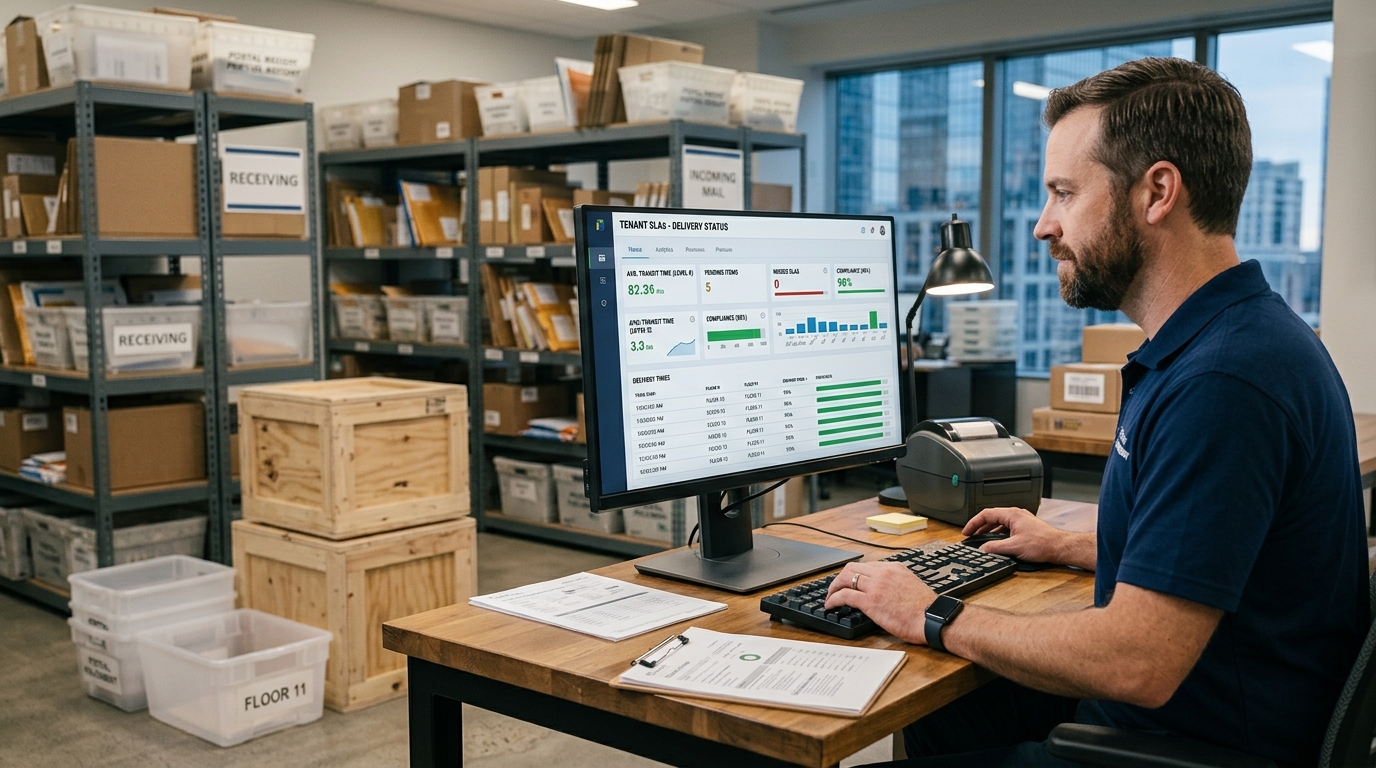
Building staff can use mobile devices to log incoming packages in seconds using camera-based barcode scanning. This practice replaces slow manual logbooks and handwritten notices.
- Automated Pickup Alerts: Scanning a item triggers instant SMS and email notifications to the exact recipient, informing them of the delivery right away.
- Scheduled Reminders: Automated follow-up messages prompt recipients to pick up their items within a few hours of arrival.
- Off-Lobby Location Tagging: Staff can register incoming items to specific shelf codes in secondary rooms, such as basement storage or unused utility closets, for quick retrieval later.
- Digital Proof of Delivery: Contactless sign-outs and digital signatures verify recipient pickup and maintain full accountability.
Roadmap for Clear, Compliant Entryways

Transitioning a historic entrance from a crowded drop zone into an orderly corridor requires a structured sequence of simple steps. Property teams can implement systematic upgrades to manage incoming volume without disrupting daily building operations.
- Clear all exit corridors, doorways, and stairwell entrances of static package piles to establish code compliance immediately.
- Convert underutilized secondary areas like lower-level storage rooms into secure holding bays with labeled shelf locations.
- Equip building personnel with mobile scanning applications to handle incoming deliveries at the moment of arrival.
- Monitor package dwell times and configure automated reminder schedules to maintain average pickup times under four hours.
Preserving Historic Integrity Through Modern Logistics

Lobby clutter in vintage buildings stems from package pickup delays rather than a total lack of square footage. Adopting automated notifications and off-lobby tracking protocols allows building managers to maintain clear entryways, protect against compliance violations, and preserve original architectural character.
To keep narrow corridors open and eliminate package hazards, consider integrating modern software like Parcel Tracker into your daily front-desk workflows.
Expert FAQ
How do stacked packages in lobbies violate local building and fire codes?
Stacked parcels block required emergency exit pathways, stairwells, and ADA-mandated 36-inch wheelchair clearance corridors, causing fire inspection violations.
What is the fastest way to clear parcel clutter in properties without a mailroom?
Implement a mobile mailroom app that sends instant SMS notifications and automated reminders to accelerate recipient package pickup.
Why are physical parcel lockers often impractical for historic or older buildings?
Parcel lockers require significant floor space, costly capital expenditure, and structural modifications that historic building guidelines frequently prohibit.
How does off-lobby package logging preserve chain-of-custody for property managers?
Software assigns specific shelf-location tags in secure secondary rooms and captures digital recipient signatures upon pickup for accountability.
What features in mailroom software actively reduce parcel dwell times?
Automated custom notifications and recurring SMS reminders prompt recipients to retrieve incoming packages within hours instead of days.


.svg)