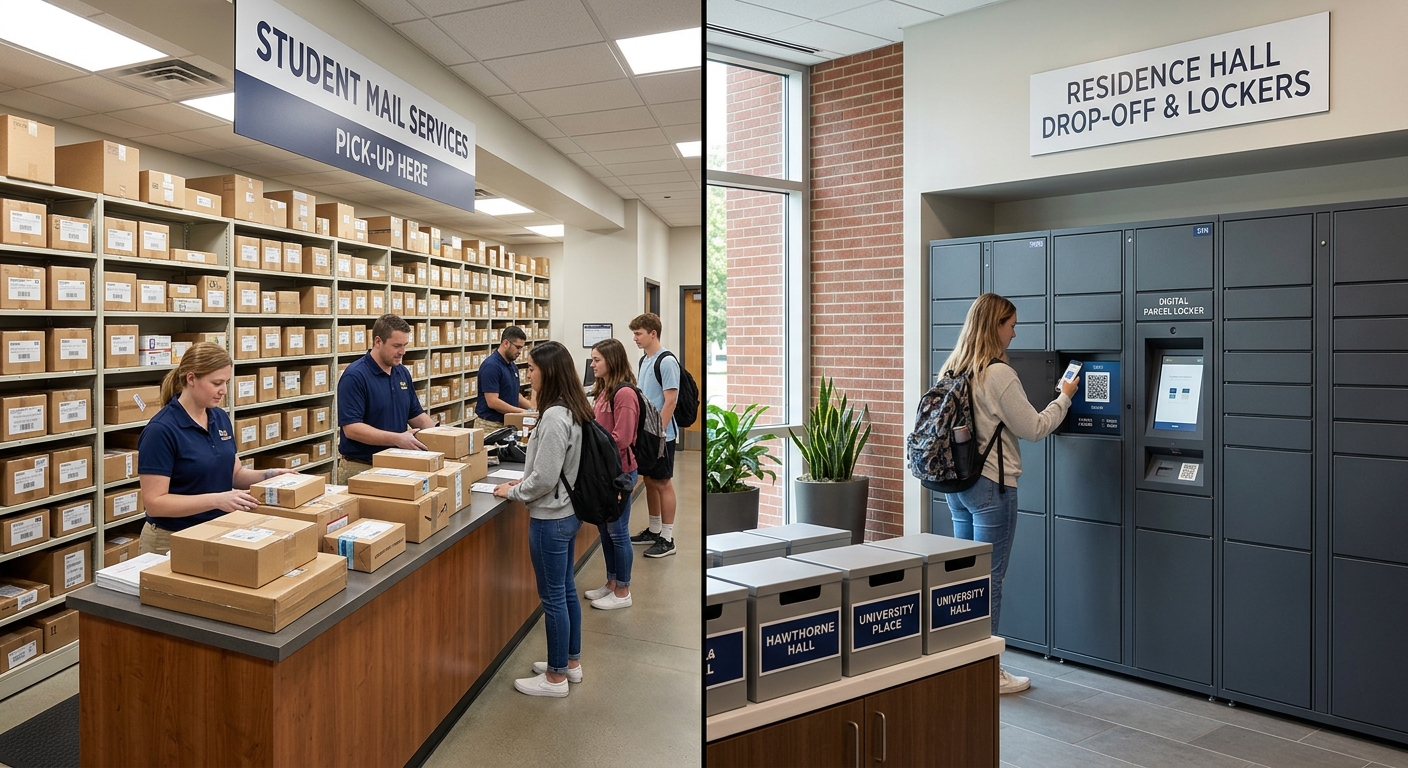
.svg)
What Strategies Reduce the Environmental Impact of Office Parcel Management?

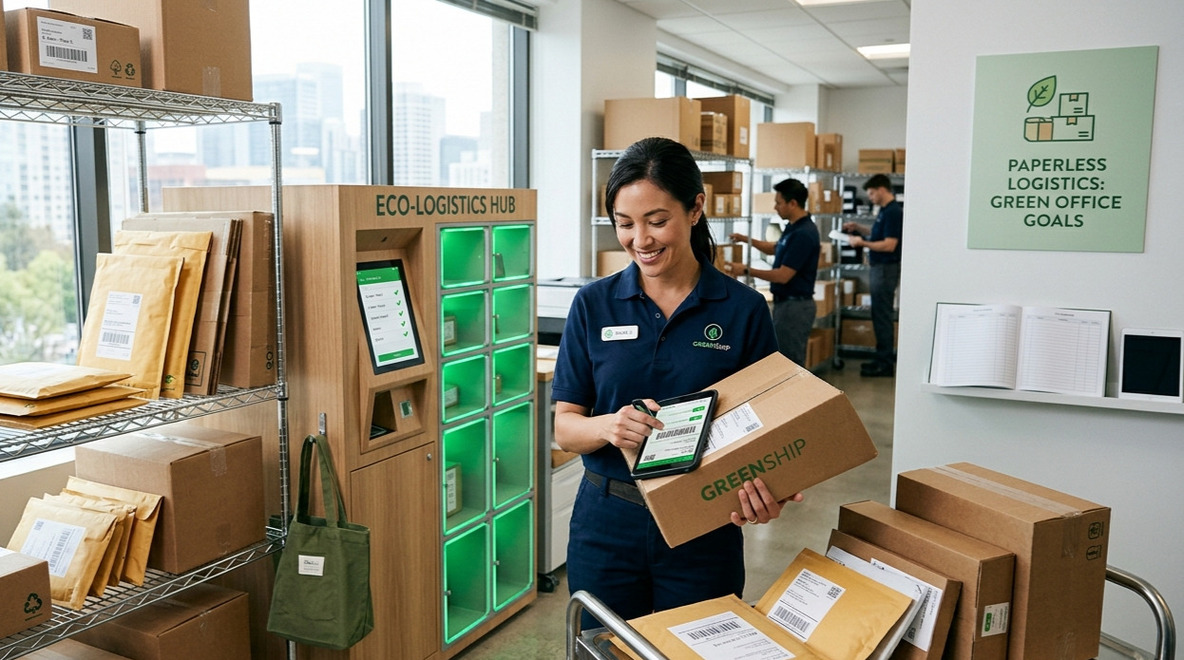
Facilities managers and sustainability officers face increasing pressure to align daily building operations with corporate net-zero targets. While energy-efficient lighting and zero-waste cafeterias frequently top green initiatives, mailroom workflows remain an overlooked source of emissions and physical waste.
Global shipping volumes continue to expand rapidly, with projections showing annual parcel deliveries could reach over 200 billion in the coming years. Enterprise facilities receiving hundreds of packages daily require sustainable strategies to handle incoming logistics while advancing broader corporate sustainability metrics.
Integrating modern mailroom management practices into facility workflows allows organizations to eliminate unnecessary waste and lower the carbon footprint of daily deliveries. Focusing on paperless workflows, internal route optimization, and eco-friendly carrier partnerships creates a clean, streamlined delivery pipeline.
Transitioning to a 100% Paperless Workflow

Traditional receiving methods rely heavily on paper assets. Physical logbooks, printed delivery slips, clipboards, and paper mailbox notices accumulate significant volume over time across multi-floor office buildings.
Transitioning to a fully digital logging framework removes paper from the receiving and distribution process.
- Digital Package Intake via Mobile OCR: Staff members capture package labels instantly using mobile applications equipped with optical character recognition. The software automatically extracts tracking numbers, carrier details, and recipient names without requiring manual handwritten records or printed intake manifests.
- Automated Internal Notifications: Digital platforms automatically send email or text messages to recipients upon package logging. This replaces paper slips placed in physical mailboxes and speeds up package retrieval times.
- Touchscreen Proof of Delivery: Recipients sign for packages on mobile screens or scan QR codes at designated pick-up desks. The system stores proof-of-delivery records in secure cloud databases, keeping the entire audit trail digital.
Streamlining Internal Logistics to Lower Building Energy Use
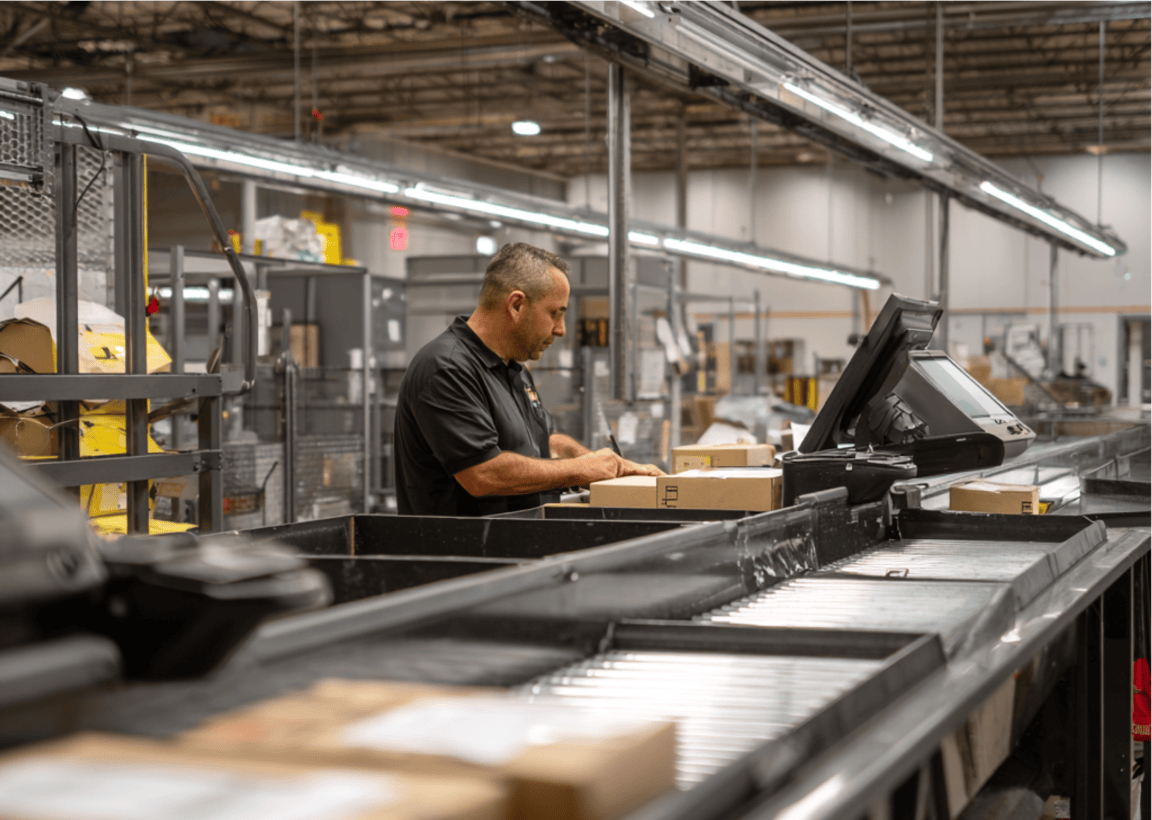
Physical transport inside large commercial facilities requires intentional planning to minimize unnecessary movement. Uncoordinated delivery trips up and down elevators consume significant electricity and accelerate mechanical equipment wear.
Smart parcel management relies on route consolidation and strategic pick-up points:
- Scheduled Delivery Windows: Facilities staff combine incoming packages into two fixed daily delivery runs rather than taking individual items upstairs as they arrive.
- Centralized Lockers: Installing self-service parcel lockers in main lobby areas or floor hubs encourages recipients to collect items during their normal movement through the building.
- Floor-by-Floor Route Mapping: Staff follow optimized walking paths that group deliveries by department zone, minimizing total distance traveled across corporate campuses.
Closing the Loop: Eco-Friendly Couriers and Waste Reduction

Extending sustainability beyond the building perimeter requires close coordination with external couriers and a focus on material recovery.
Sustainable Last-Mile Partnerships
Mailroom managers can prioritize delivery vendors that utilize electric vehicle fleets, cargo bikes, or certified carbon-offset programs. Establishing dedicated carrier pick-up windows encourages couriers to combine drop-offs, reducing overall vehicle idling times outside the facility loading dock.
In-House Packaging Recovery
Establishing unboxing stations adjacent to package drop-off areas encourages immediate material sorting. Employees deposit cardboard boxes, paper padding, and plastic film into dedicated bins for recycling.
Mailroom teams can also implement reusable tote systems for internal transfers, keeping single-use packaging out of the building waste stream.
Mailroom Operations for a Greener Corporate Future

Applying sustainable principles to internal logistics yields measurable environmental advantages. Digital package logging removes physical paper consumption, while consolidated routing conserves building energy and lowers Scope 3 carbon footprints.
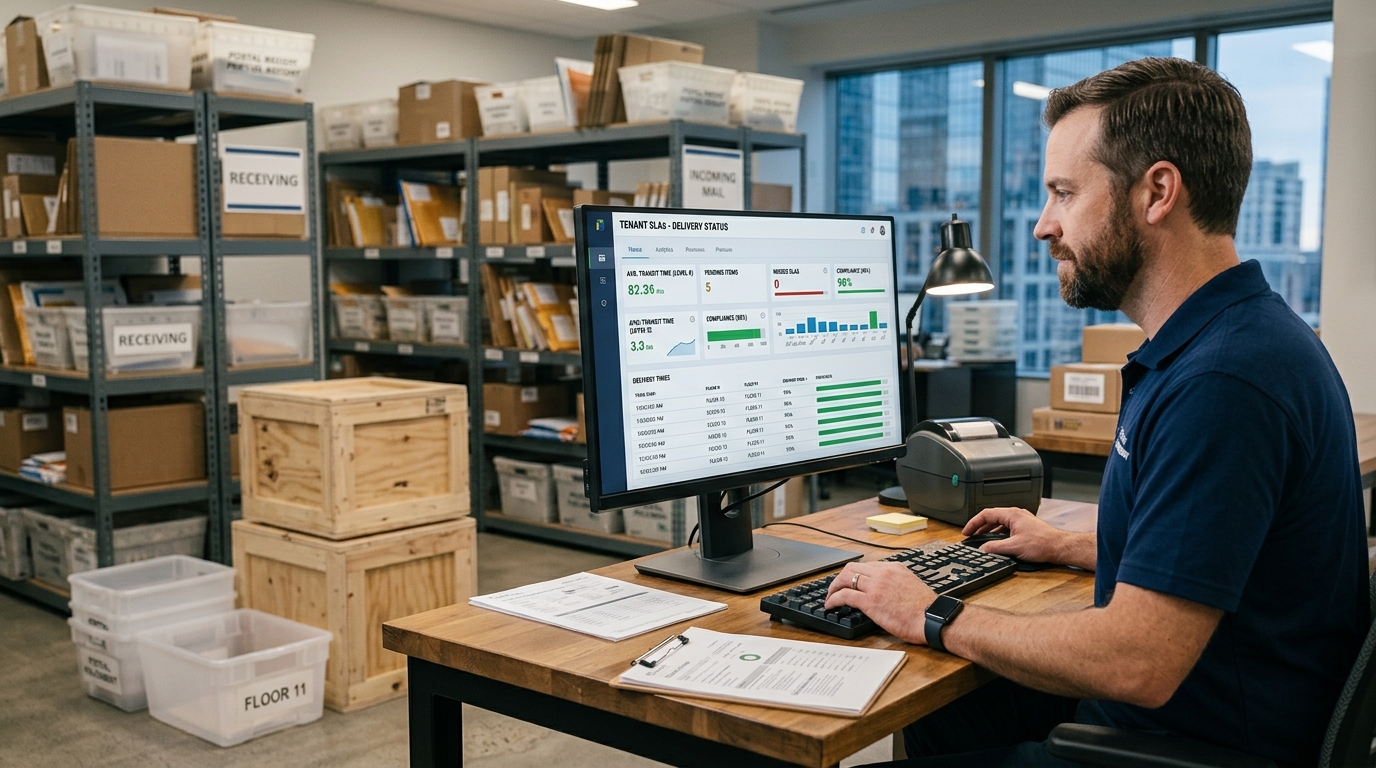
Mailroom teams gain clear digital data trails to support annual ESG reporting and track continuous improvement over time. Upgrading daily receiving procedures builds a cleaner, more efficient workplace environment.
Organizations ready to eliminate paper waste and modernize internal package distribution can enhance their workplace sustainability with Parcel Tracker.
Expert FAQ: Office Parcel Management & Sustainability
How does paperless parcel tracking support corporate ESG goals?
It cuts paper waste, eliminates physical logs, and provides digital data trails for accurate sustainability audit reporting.
How can batching internal parcel deliveries reduce building energy use?
Consolidated delivery runs reduce unnecessary elevator trips and floor walking, lowering energy consumption and mechanical wear.
What are the main sources of waste in traditional office mailrooms?
Major sources include paper logbooks, printed delivery slips, single-use packaging, and fuel wasted on fragmented deliveries.
What features should facilities look for in eco-friendly mailroom software?
Prioritize OCR package scanning, automated digital notifications, smart route consolidation, and paperless mobile proof of delivery.
Why is last-mile delivery optimization important for corporate sustainability?
Optimized last-mile logistics lower vehicle idling, cut urban carbon emissions, and streamline incoming courier transport routes.


.svg)