.svg)
What are Mailroom Workflows?


Package delivery numbers across commercial and residential spaces have reached unprecedented heights. Global shipping volume is projected to exceed 200 billion packages annually, placing immense pressure on front desk teams, mail handling facilities, and property staff. When incoming deliveries arrive in waves every morning, a lack of structured processing creates backlog, misplaced items, and constant inquiries from waiting recipients.
Establishing clear, repeatable procedures for receiving and distributing items solves these bottlenecks. Effective mailroom management relies on well-defined procedures that track every item from carrier handoff to the final owner.
A mailroom workflow is the standardized sequence of steps a package or piece of mail follows from initial delivery by a carrier (such as FedEx, UPS, or DHL) to final pickup or distribution to the recipient.
Anatomy of an Inbound Distribution Chain
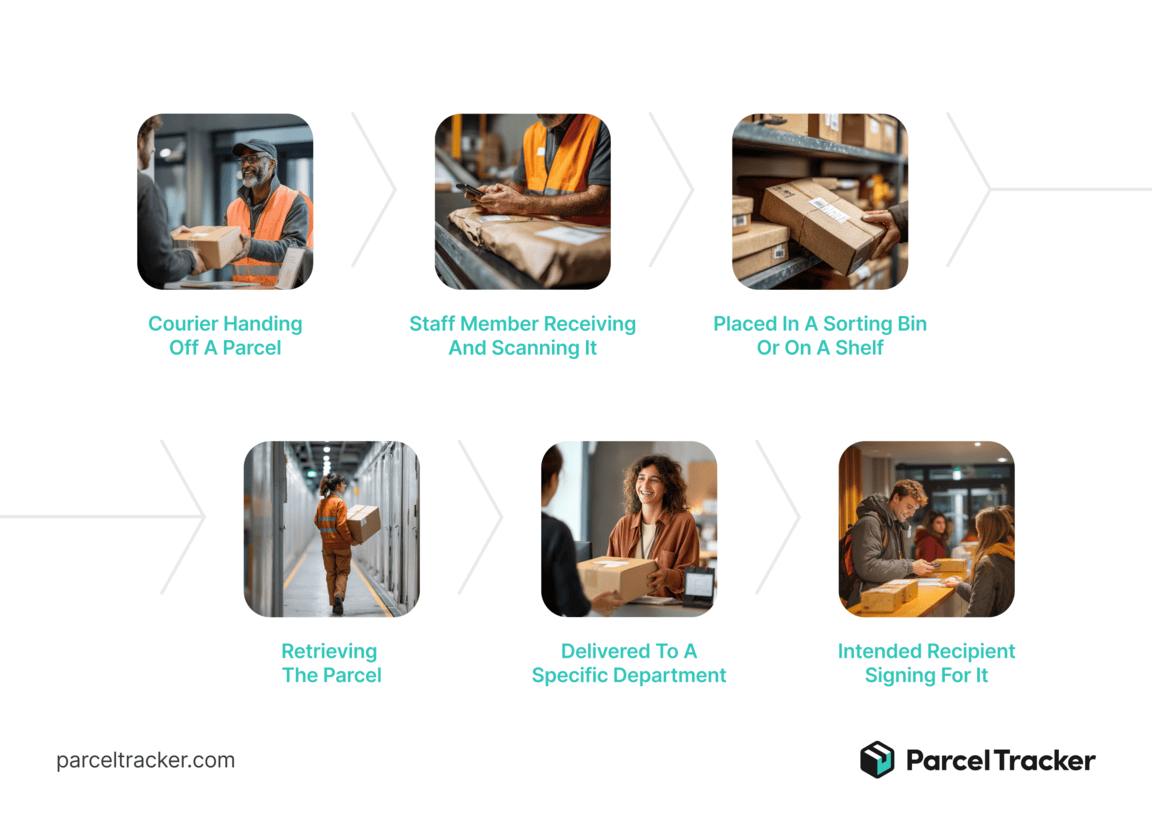
Every package entering a facility follows a distinct path. Breaking down this journey into distinct stages brings complete clarity to daily handling duties.
- Intake and Carrier Verification: Staff receive shipments from couriers at designated unloading bays or reception counters. Staff verify total package counts against carrier manifests and inspect boxes for exterior damage prior to accepting responsibility.
- Logging and Record Creation: Workers document essential shipping details, including carrier names, tracking codes, recipient names, and unit numbers. Modern setups scan these details electronically to create digital records instantly.
- Sorting and Internal Staging: Items move to specific holding zones organized by floor, department, or individual locker assignments. High-priority or perishable items receive special tagging for expedited handling.
- Recipient Notification: The system issues automated alerts via email, text message, or workplace messaging tools informing the recipient that their parcel is ready for collection.
- Handover and Digital Proof of Delivery: The recipient retrieves the parcel at a counter or smart locker. Staff collect a digital signature, photo, or PIN verification to close out the chain of custody.
Practical Scenarios Across Facilities

Different environments require tailored routines to maintain order during peak hours. Below are three real-world setups demonstrating how structured processes resolve volume challenges.
Corporate Office Reception
In a multi-story corporate building, reception desks often receive dozens of personal and business deliveries every morning. Couriers drop off shipments in a central lobby. Staff scan each box label using mobile devices, instantly logging recipient names and assigning shelf locations. Employees receive real-time notifications with exact pickup location details, keeping lobby counters clear and organized throughout the workday.
Higher Education Student Housing
Dormitory mail centers handle massive influxes, particularly during move-in weeks and holiday shopping periods. Staff unload bulk shipments into a high-capacity sorting area. Packages are grouped by residence hall and scanned into an automated system. Students receive automated pickup codes on their smartphones, enabling rapid collection at designated service windows while minimizing long lines.
Hybrid Work Forwarding and Rerouting
Modern workplace arrangements mean employees are frequently off-site. When a package arrives for a remote team member, the receiving system identifies the employee's flexible status. Staff apply an internal transit label and route the item to a regional satellite office or schedule home delivery, ensuring complete visibility across secondary transit legs.
Technical Tools Enhancing Parcel Tracking
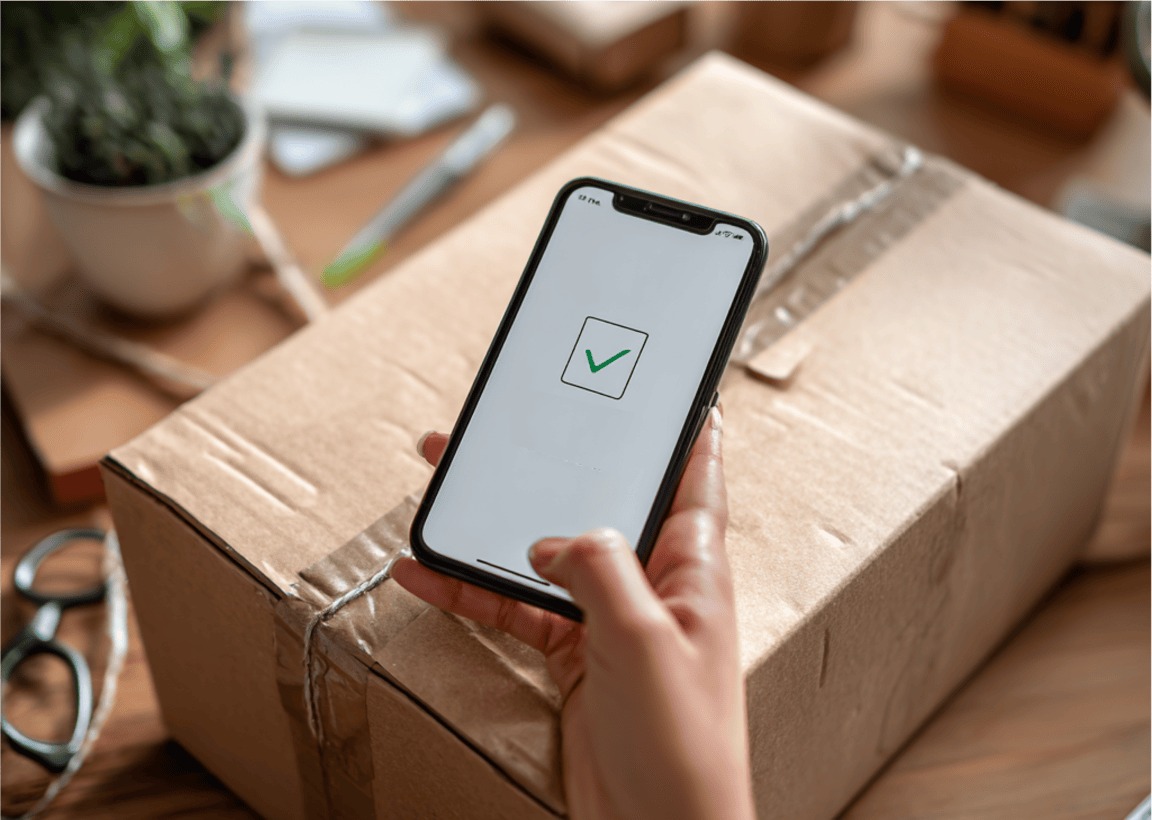
Modern technology replaces slow manual logging methods with automated precision. Implementing specialized parcel management software allows facilities to maintain complete control over incoming inventory.
- Optical Character Recognition (OCR): Smartphone cameras scan package labels, reading text and matching recipient details automatically within seconds.
- Automated Multi-Channel Messaging: Systems send instant notifications via Email, SMS, Slack, or Microsoft Teams, keeping recipients informed without manual effort from staff.
- Complete Chain of Custody Logging: Every status change, storage location update, and handover signature is recorded in a searchable audit log.
- Inventory Hold Tracking: Automated reminders prompt recipients to retrieve parcels lingering in storage areas beyond set thresholds.
- Capacity Analytics: System reports identify peak delivery hours, carrier volume trends, and space usage, helping managers allocate staffing resources wisely.

Measurable Results of Workflow Standardization
Standardizing package processing delivers clear advantages across any facility:
Time expenditure drops dramatically when manual handwriting and spreadsheet typing are eliminated. Staff log deliveries in seconds rather than minutes, freeing hours for core property responsibilities.
Accountability reaches new standards through continuous digital tracking. Digital signatures and photo logs establish clear proof of delivery, protecting staff from lost parcel claims and disputes.
Building occupant satisfaction improves significantly. Prompt notifications and fast, self-service collection options give tenants and employees a frictionless delivery experience.
Elevating Mailroom Service Standards

Unstructured mail processing creates confusion, delays, and lost inventory. Defining every step of the inbound delivery journey creates a smooth, dependable service that scales effortlessly as shipping volumes rise. Facilities that adopt automated tools save valuable time, protect items throughout the chain of custody, and deliver superior service to every occupant.
To streamline your daily receiving processes and eliminate spreadsheet logging, upgrade your building services with Parcel Tracker.
Frequently Asked Questions About Mail Distribution
What is a mailroom workflow?
A mailroom workflow is the structured sequence of receiving, logging, sorting, storing, and delivering incoming mail and parcels. (18 words)
How does mailroom software improve package tracking efficiency?
Mailroom software automates logging through OCR scanning and sends instant recipient alerts, significantly reducing parcel processing time. (18 words)
Why should facilities standardize their package handling procedures?
Standardized procedures establish clear chain-of-custody tracking, eliminate lost package claims, and reduce incoming tenant inquiry volume. (17 words)
What are the primary stages of an inbound parcel process?
The essential stages are carrier intake, digital parcel logging, staged storage, recipient notification, and signed proof of delivery. (19 words)
How do automated alerts keep mail storage spaces organized?
Automated alerts prompt recipients to collect items quickly, reducing parcel dwell time and preventing storage room crowding. (17 words)


.svg)