.svg)
Routing Internal Parcel Distribution Across Multi-Building Campuses

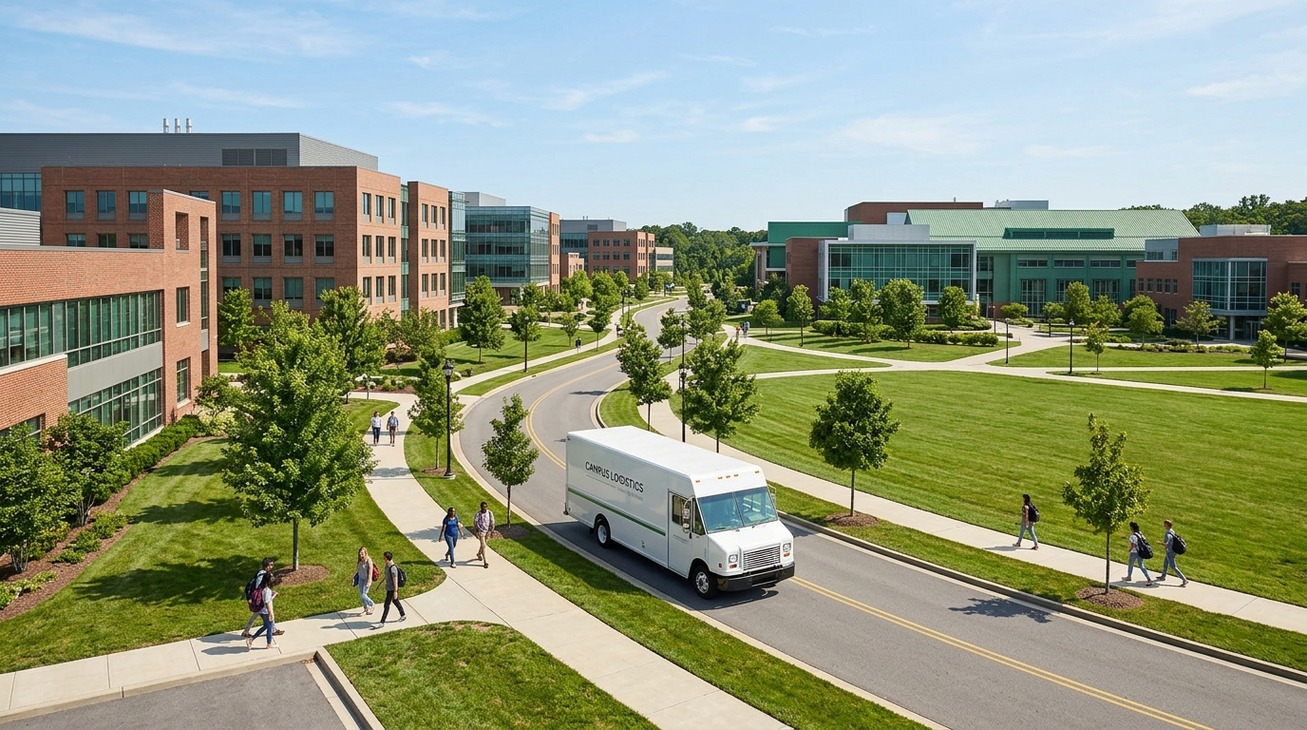
Central mailrooms and parcel receiving areas across university campuses, hospital systems, and corporate headquarters face a persistent logistical hurdle. Outdated mail and parcel handling models fail under the weight of sprawling geographic footprints. Incoming deliveries sit in central mailrooms waiting for manual sorting processes that lag behind actual internal logistics movement.
Hybrid schedules, shifting office days, and frequent departmental reshuffles create moving targets for delivery personnel. Couriers carry packages to designated desks only to find empty seats, leading to repeated attempts and misplaced items. Carrying sensitive medical supplies, expensive tech assets, or confidential legal documents across unsecured paths introduces unnecessary risk. Without digital logging at every transit node, accountability breaks down between the mailroom dock and the end recipient.
Establishing an Optimized Internal Parcel Routing Strategy
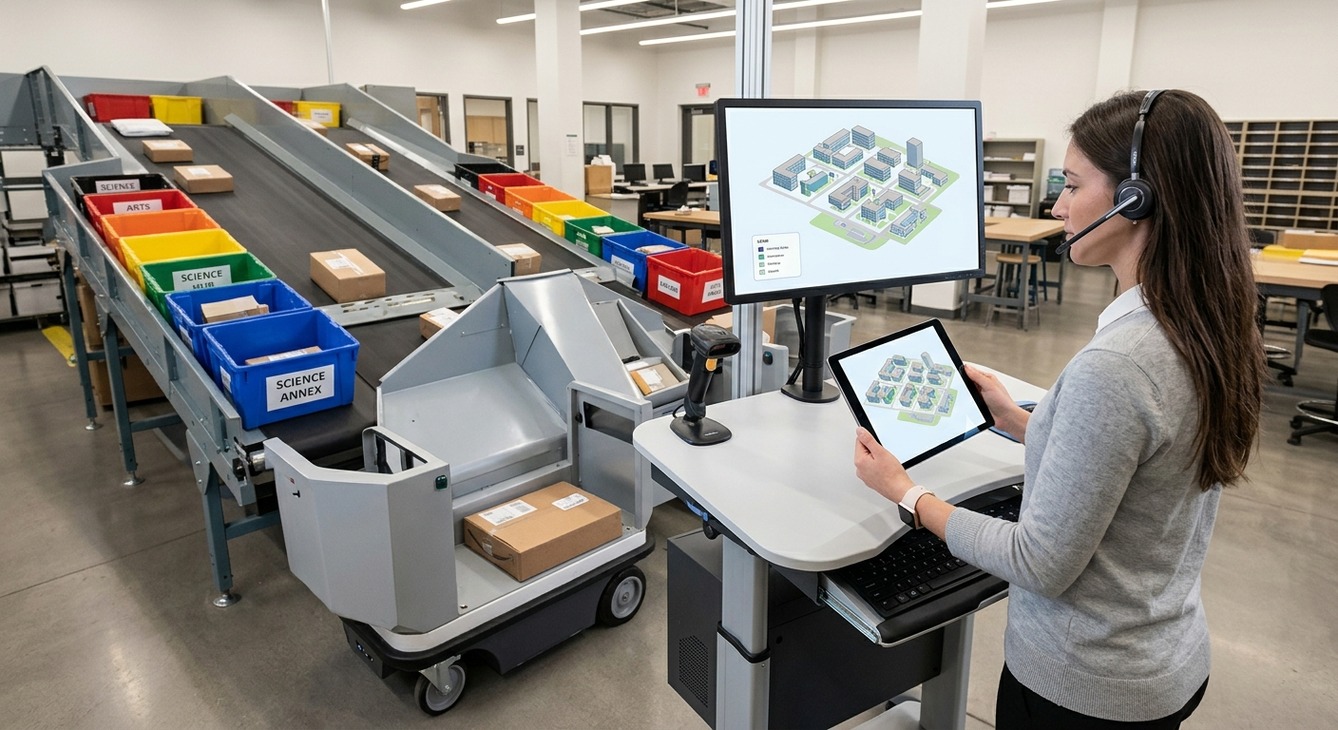
Implementing modern mailroom management software allows teams to scan incoming mail and packages instantly upon arrival. The mailroom management system categorizes parcels by destination building, floor, or zone, automatically mapping items to designated delivery carts. Syncing real-time HR directory data with internal logistics software updates recipient locations continuously. Delivery teams gain access to current shift schedules and desk assignments before setting out, eliminating blind trips to empty offices.
Efficient internal routing relies on strategic batching and clear transit schedules. Courier teams balance scheduled drop-offs at main administrative hubs with route loops designed for specific building clusters. Using automated sorting logic lets dispatchers adjust courier routes dynamically as high-priority medical or executive items arrive. Workloads adjust based on real-time factors through targeted allocation methods:
- Zone Allocation: Couriers cover specific quadrants to build familiarity with building layouts and drop points.
- Volume Balancing: Heavy inbound shipments trigger automated route splits to keep individual couriers on schedule.
- Priority Dispatch: Time-sensitive assets route straight to dedicated couriers equipped for urgent handoffs.
Updating Delivery Touchpoints Across Inbound Destinations
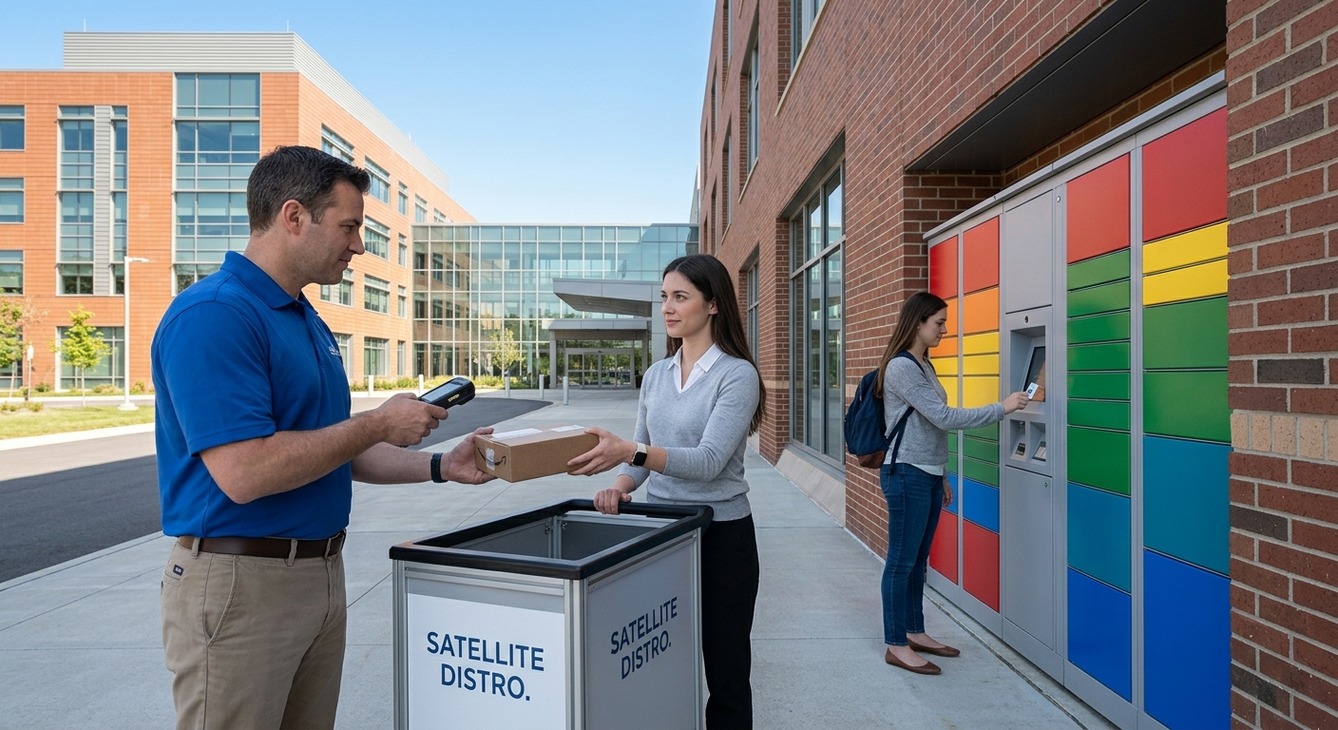
Upgrading dedicated touchpoints across multi-building sites ensures smooth parcel management. Placing locker banks in high-traffic administrative buildings or student centers establishes secure, self-serve mailrooms for afternoon pickups. Dedicated satellite mailrooms and parcel centers inside large departments allow central couriers to drop off consolidated batches for localized distribution. Mobile devices paired with parcel management software create complete visibility through three core steps:
- Inbound Scan: Receiving teams capture carrier labels at the central mailroom to start the tracking log.
- Custodian Transfer: Mobile scans verify package handoffs between central staff and field couriers.
- Final Proof: Recipients provide digital signatures or tap smart badges upon receiving their items.
Key Metrics to Measure Mailroom Efficiency
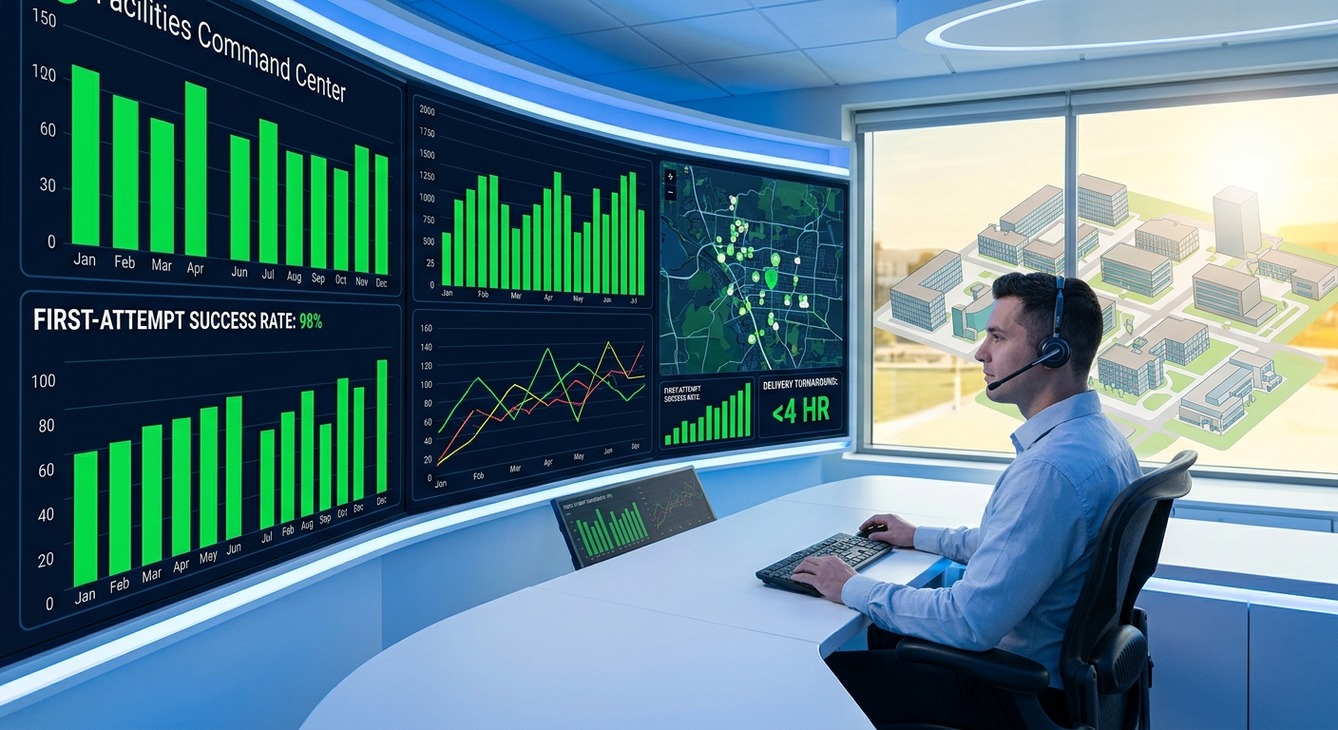
Tracking mailroom performance metrics identifies bottlenecks and guides workflow improvements across the network:
- Delivery Turnaround Time: Aiming for under 4 hours accelerates total transit from the central mailroom to end recipient.
- First-Attempt Success Rate: Target goals of 98% or higher reduce repeated delivery loops and courier travel miles.
- Chain-of-Custody Accuracy: Maintaining 100% precision ensures complete accountability across all transfer nodes.
- Cost Per Package Handled: Lowering baseline expenses reduces labor allocation and vehicle maintenance needs.
Transform Your Multi-Site Last-Yard Delivery
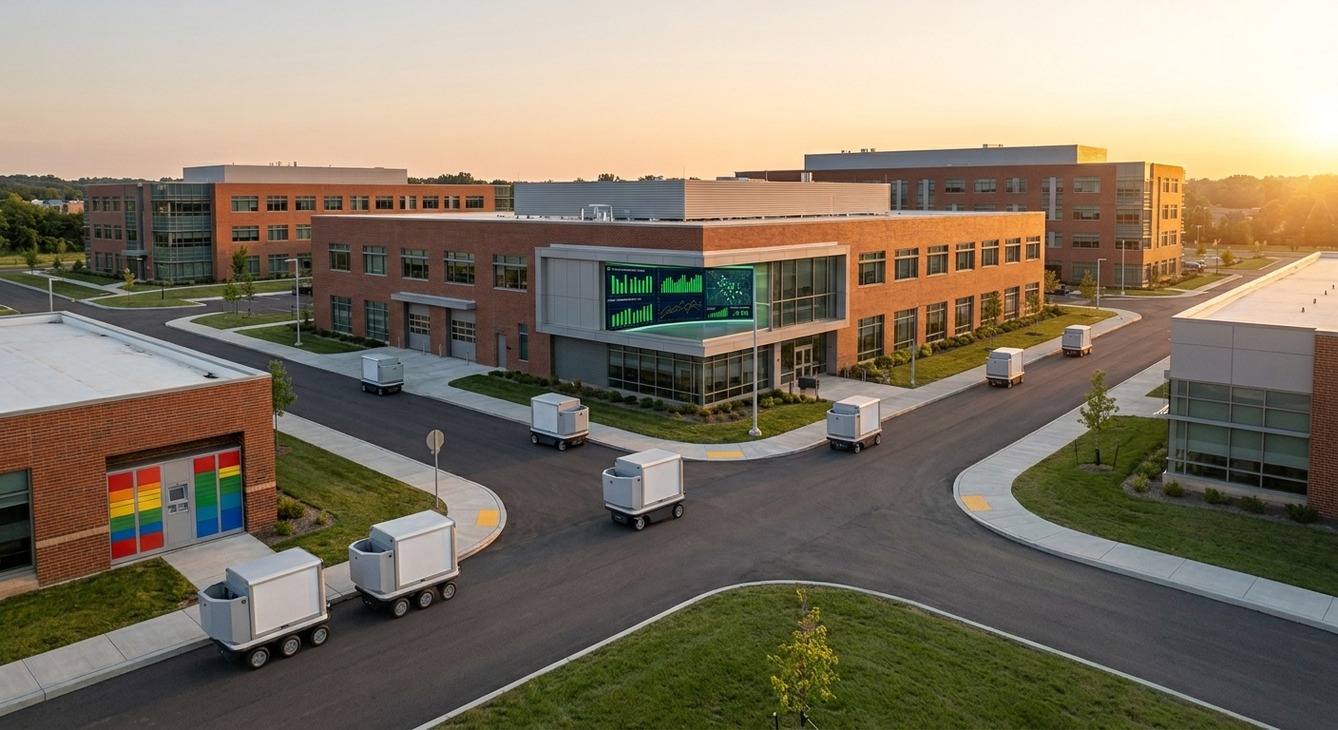
Building modern distribution networks requires software-driven mailroom workflows designed for physical scale. Facilities and department leaders who streamline their internal logistics maintain high service levels while supporting dynamic work environments.
Upgrade your mailroom efficiency, reduce delivery errors, and automate package tracking across every building with Parcel Tracker.
Expert FAQ: Parcel Routing and Last-Yard Logistics
How does smart mailroom software optimize campus parcel delivery routes?
It scans incoming packages, cross-references HR schedules, and automatically assigns items to specific delivery carts and route zones.
What is last-yard delivery in multi-building campus logistics?
Last-yard delivery is the final transfer of parcels from a central mailroom to the recipient's desk or locker.
Why do hybrid work schedules cause delays in campus parcel distribution?
Hybrid schedules create uncertainty around recipient location, leading to failed delivery attempts, misplaced items, and repeated internal routing.
What are the key benefits of real-time chain-of-custody tracking?
Real-time tracking provides digital proof of delivery, prevents lost packages, and ensures complete transparency across all internal transfer points.


.svg)