.svg)
10 Common Residential Mailroom Problems & How to Fix Them

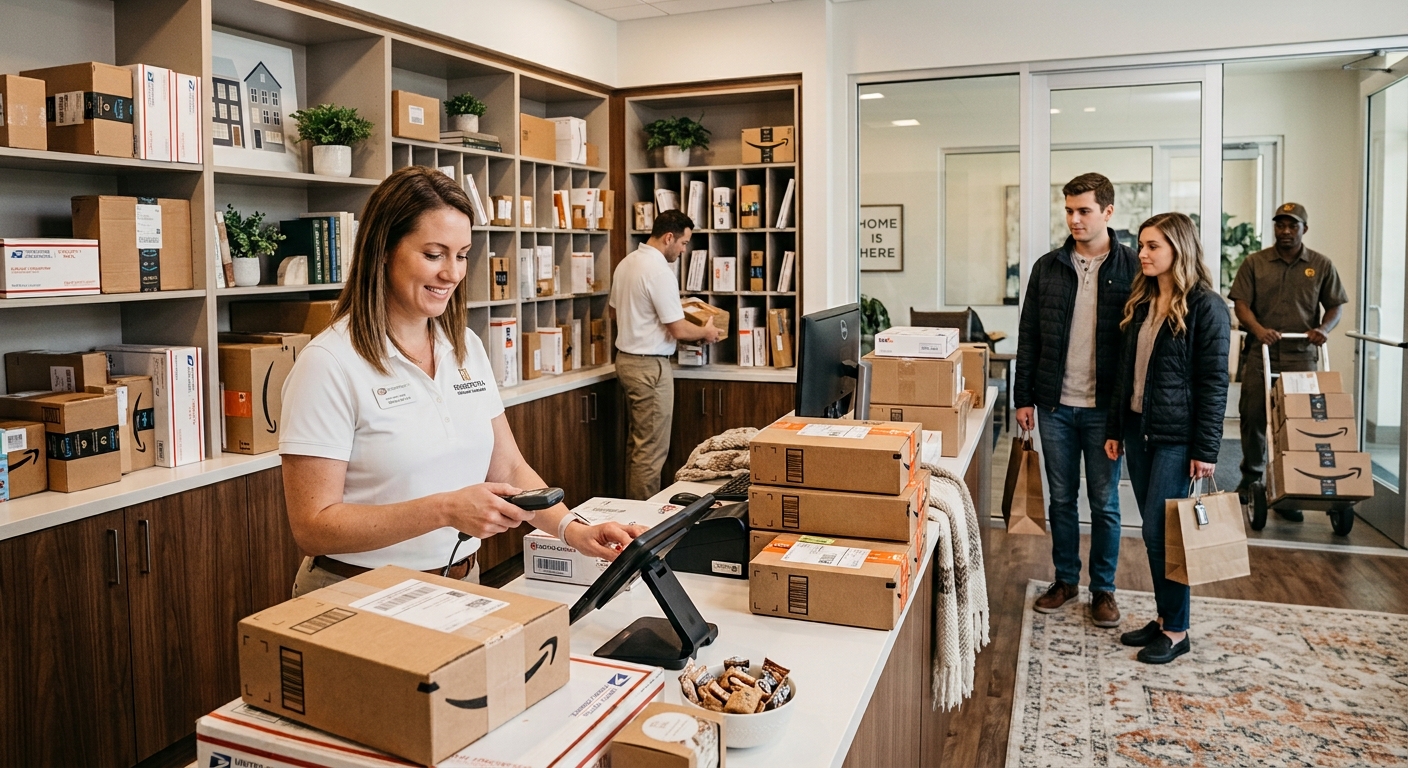
Managing incoming parcels in residential properties requires a structured approach. As online shopping continues to grow, front desk staff and mailroom teams face challenges with package volume, limited holding space, and resident inquiries.
The rise of e-commerce has led to global parcel volumes exceeding 120 billion B2C shipments each year. In North America, the average household receives over 170 parcels annually. Property and mailroom teams need efficient systems to keep building lobbies organized and ensure residents receive their items promptly. Modern mailroom management combines organized physical workflows with digital tools to streamline package processing. Implementing clear mailroom best practices helps property managers reduce administrative workload and maintain secure common areas.
1. Overwhelming Package Volume & Floor Overflow

High delivery volumes create clutter in common areas and obstruct hallways. Peak shopping seasons bring stacks of boxes that block walkways and create safety hazards for residents and visitors.
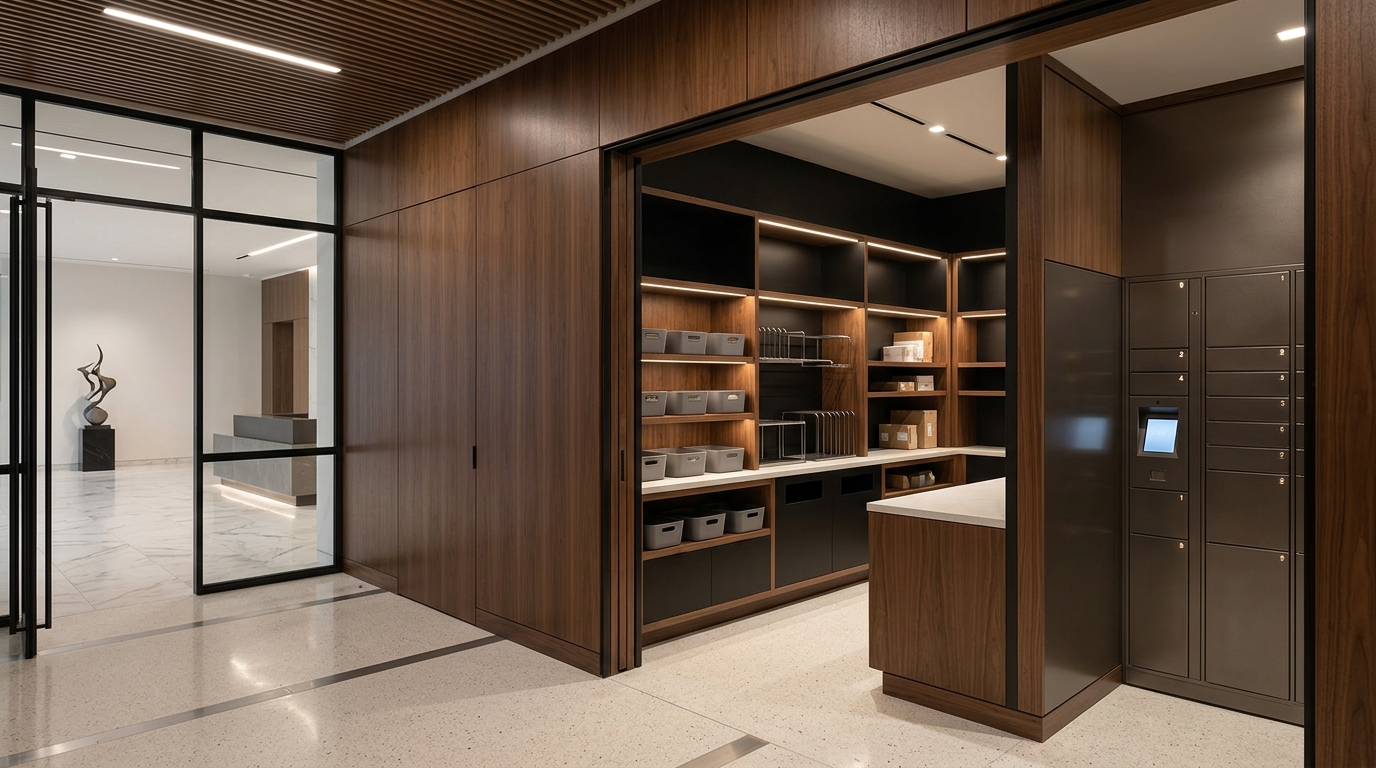
Establishing dedicated holding zones by parcel size keeps walkways clear. Mailroom teams can install vertical modular shelving units to maximize wall space. Creating a designated overflow area in a secure mailroom keeps excess boxes out of high-traffic zones.
2. Slow Manual Intake and Logging Processes
Manually logging incoming deliveries creates bottlenecks. Writing tracking numbers, recipient names, and carrier details into physical logbooks or spreadsheets takes several hours each day.
Digital scanning tools log parcel details within seconds. Mobile optical character recognition (OCR) software reads delivery labels and matches items to resident profiles automatically. Switching to digital inbound logistics reduces processing time from minutes to seconds per parcel, allowing building staff to focus on resident service.
3. Misplaced, Lost, or Stolen Packages
Parcels stored in open areas face risk of misplacement or unauthorized pickup. Misplaced items lead to lengthy staff searches and frustration for residents expecting timely deliveries.
Digital chain-of-custody tracking establishes clear accountability from carrier drop-off to resident pickup. Staff members record digital signatures or take smartphone photos during handover. Installing security cameras focused on intake and pickup counters creates a reliable record of all physical movements. Effective parcel management relies on these verifiable collection records.
4. Delayed or Non-Existent Resident Notifications
Packages often sit on storage shelves for days because recipients remain unaware of arrival. Manual notification methods, such as handwritten paper slips in traditional mailboxes, lead to delayed collections and high dwell time.
Automated notification systems send instant alerts via SMS, email, or mobile app push notifications upon label scanning. Immediate digital communications prompt residents to collect their items promptly, keeping storage space clear for incoming deliveries.
5. Prolonged Package Storage and Unclaimed Deliveries
Residents sometimes treat holding areas as personal storage rooms, leaving items on shelves for weeks. Unclaimed deliveries reduce available shelf space and complicate daily sorting for property staff.

Clear collection policies encourage timely retrieval. Modern software can send automated reminder messages at set intervals:
- First Reminder: 24 hours after initial intake logging.
- Second Reminder: 48 hours post-arrival with details on pickup hours.
- Final Notice: 72 hours with information regarding return-to-sender procedures.
6. Peak-Hour Collection Congestion at the Desk
Long queues form at the reception desk between 5:00 PM and 7:00 PM as residents return from work. Searching through disorganized stacks to locate specific boxes slows down the collection process.
A standardized shelf-indexing system speeds retrieval. Assigning specific bin numbers or color-coded zones based on resident apartment numbers helps staff locate packages within 15 seconds.
7. Unlabeled, Mislabeled, or Unidentifiable Packages
Couriers frequently deliver packages with missing unit numbers, former resident names, or damaged shipping labels. Unidentified items sit indefinitely while staff attempt to figure out the correct owner.
Mailroom teams can maintain an accurate intake process by following a structured identification protocol:
- Sync the digital resident directory weekly to capture recent move-ins and move-outs.
- Cross-reference partial names with lease agreements and occupant lists.
- Tag unidentified items with a temporary internal tracking ID in a designated quarantine bin.
- Contact local courier representatives for driver clarification on unlabelled boxes.
8. Unrestricted Access Control and Security Vulnerabilities
Open storage rooms allow delivery drivers, guests, or unauthorized visitors to enter areas where private packages reside. Lack of physical access restrictions increases the potential for misplacement or theft.
Securing holding spaces requires clear access control measures. Keycard or key fob systems restrict entry to authorized staff members.
9. Managing Oversized, Perishable, or Cold-Storage Items
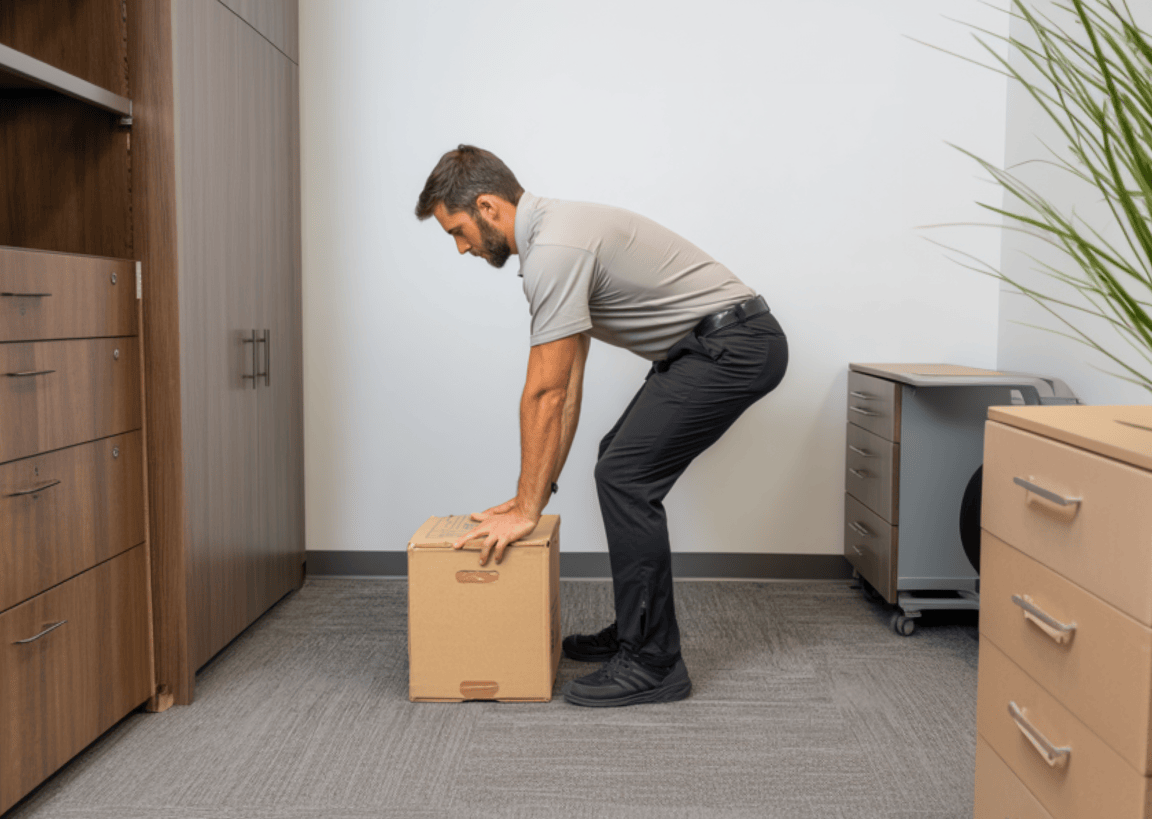
Grocery deliveries, meal kits, flower arrangements, and furniture boxes require specialized handling. Leaving temperature-sensitive items at room temperature risks spoilage, while large items block essential pathways.
Mailrooms can streamline specialty item handling by establishing designated storage protocols:
- Refrigerated Holding: Dedicated compact refrigerators keep meal kits and fresh items at safe temperatures.
- Priority Alerts: System flags mark perishable deliveries to trigger high-priority SMS notifications to residents.
- Large Freight Zones: Marked floor bays near loading docks accommodate furniture and heavy boxes safely.
10. Unstructured Carrier Drop-Offs
Multiple couriers arriving simultaneously can drop packages haphazardly on counters or floor spaces without formal handoff.
Designating a clear driver intake station with posted delivery instructions helps couriers unload items systematically. Providing handheld digital scanners at the drop-off counter enables drivers to assist with quick check-ins.
Enhancing Building Services Through Modern Parcel Management
Resolving traditional handling challenges creates a organized building environment. Implementing systematic intake protocols, digital notifications, and secure storage areas supports staff productivity and resident satisfaction.
Mailroom managers and teams can audit current daily package volumes, collect feedback from front desk employees, and evaluate modern tracking technology. Automated tools simplify label scanning, resident messaging, and pickup verification. Exploring dedicated platforms like Parcel Tracker helps residential communities organize package workflows and maintain secure lobbies.
Expert FAQ: Residential Mailroom Management Solutions
What causes most lost packages in residential buildings?
Manual logging errors, untracked guest access, and missing proof-of-pickup signatures cause most lost parcel disputes.
Why should residential buildings invest in mailroom management software?
Mailroom software cuts staff labor hours, eliminates package overflow clutter, prevents theft, and raises resident satisfaction.
How do you prevent residents from leaving packages in the mailroom too long?
Set automated SMS reminders at 24, 48, and 72 hours to encourage prompt parcel pickup.


.svg)